What this faith community entry covers
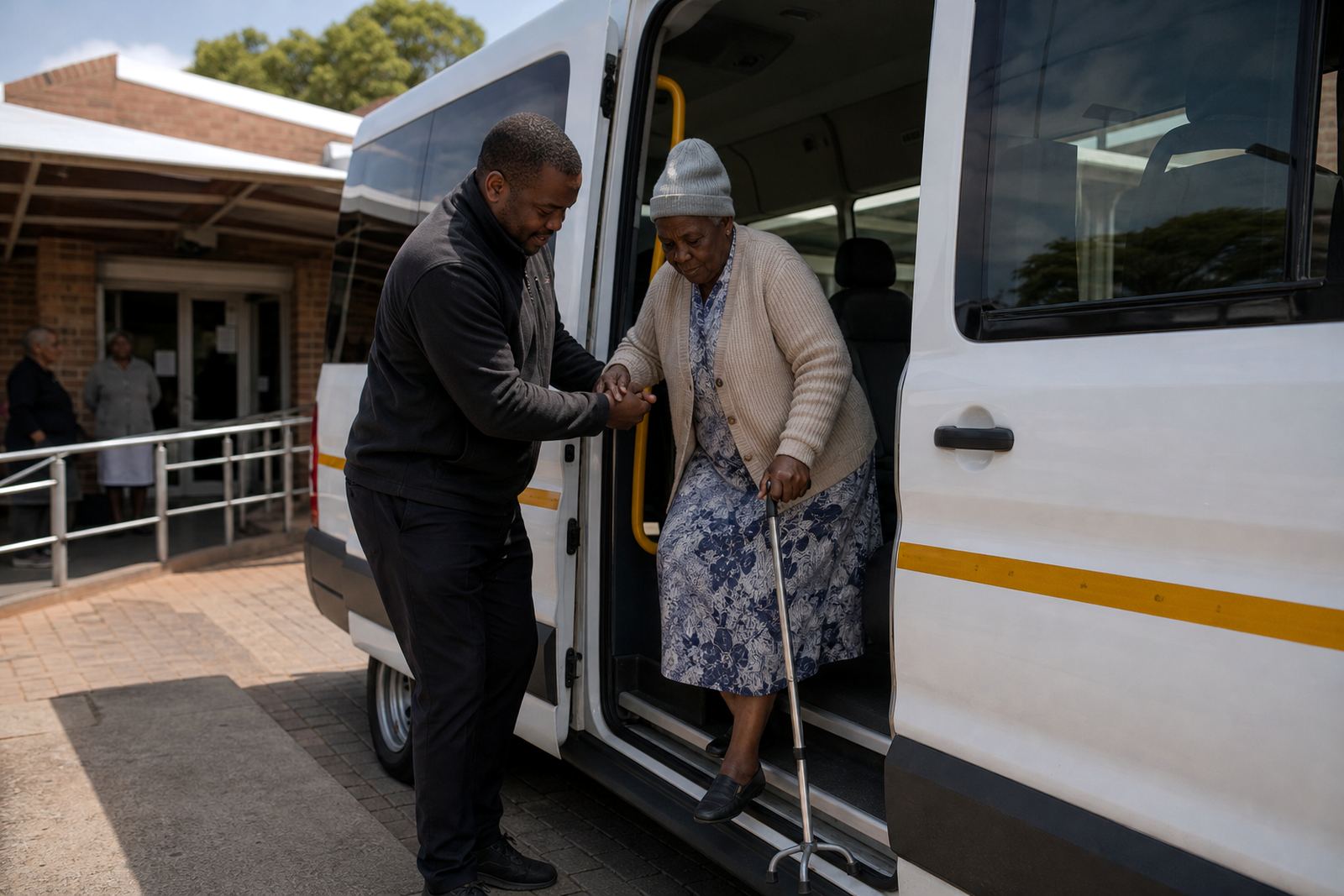
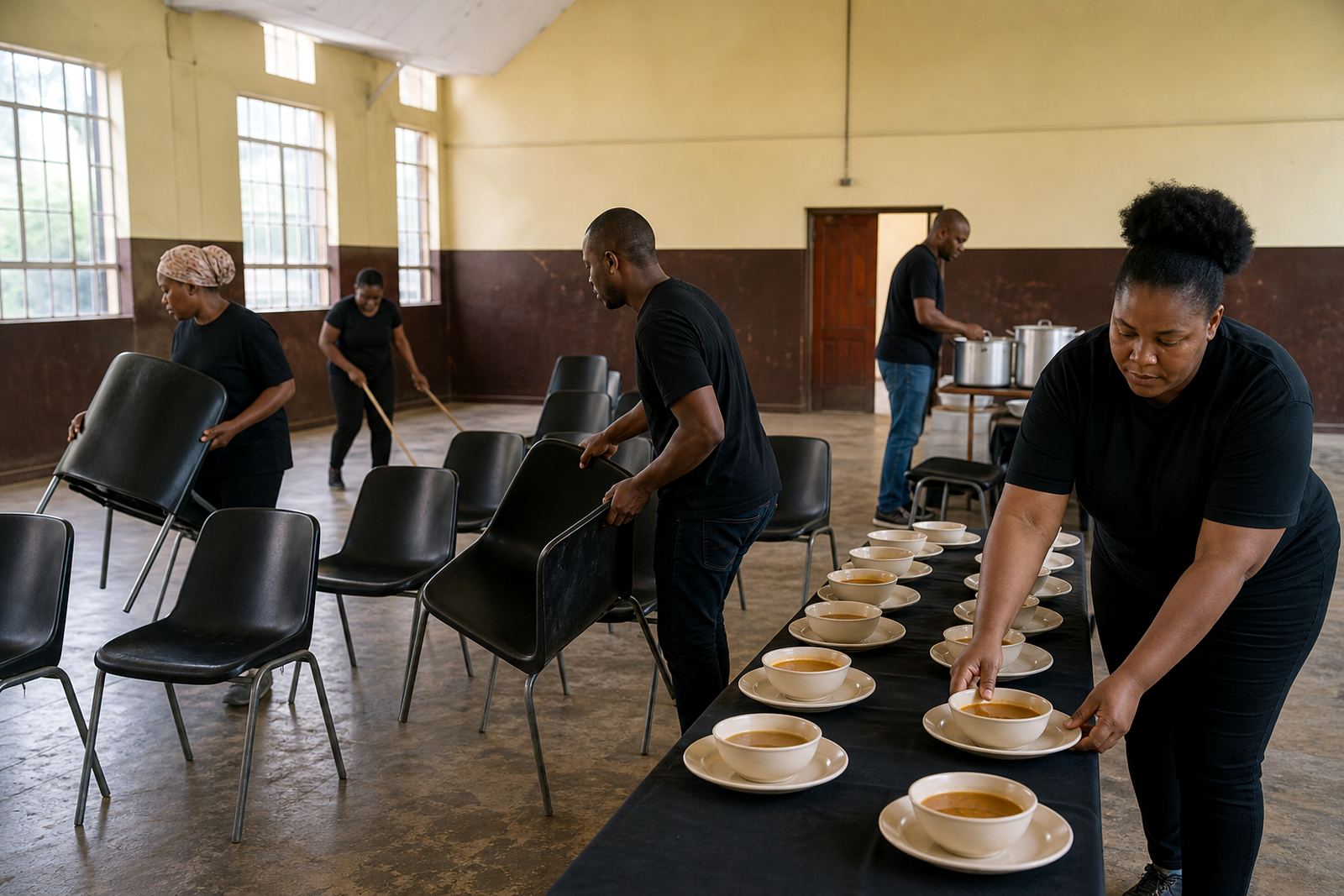
It covers a nomination for someone whose service grows from a faith setting and shows up in real tasks: checking on older members, arranging lifts, preparing meals, leading prayer support, helping with children’s work, or standing in when a family is under strain. The record should tell a clear story about the person, the community they serve, and the care they give without turning the nomination into a long speech.
A strong entry names the faith community, the role the nominee plays, and the kind of help people receive from them. It should stay factual. We look for a plain account of what they do, who benefits, and why that service matters in day-to-day life across Johannesburg, Cape Town, Durban, Gqeberha, Polokwane and other towns where nominations are open to the public.
- Best suited to regular, hands-on service
- Works for one person or a small group
- Can reflect interfaith or single-congregation support
- Should show care, steadiness and local relevance
Sizes and options for this nomination type
Faith Community is usually lodged as an individual nomination, though a pair or small team can be named where the work is shared in a clear way. The story length can stay short if the evidence is strong, or it can run longer when the nominee’s role touches several parts of the community. Submissions may include one main nomination, or a supporting update if details need to be corrected before review.
The most useful options are tied to the way the work is carried out. Some entries focus on pastoral care, some on practical support, and some on outreach across age groups. If the nominee serves more than one congregation, state that clearly so the judging team can follow the pattern of service without guessing.
- Individual nomination
- Shared nomination for two or three people
- Short entry with basic supporting detail
- Longer entry with added examples and references
Where this service fits best
This nomination category suits a faith community that is active in neighbourhood care, volunteer support, youth mentoring, food relief, hospital visits or grief support. It also fits work done quietly behind the scenes, where the nominee is not usually visible but keeps the support network moving. A congregation in Braamfontein may describe city-based outreach, while a rural faith group may focus on travel, home visits or shared meals.
The setting matters because it helps the panel understand the scale of the service. A person supporting a small prayer group may work differently from someone coordinating a wider faith network across suburbs or towns. The nomination should reflect the setting honestly, with enough detail to show the pace and shape of the work.
- Church, mosque, temple and interfaith settings
- Neighbourhood-based care and visiting
- Volunteer support and practical relief work
- Work with youth, elders or families in crisis
Fitting the nomination into the review process
No physical fitting is needed, but the nomination itself must be put together carefully so the review team can read it without gaps. The form should identify the nominee, the faith community, and the kind of service being recognised. If the person is named in a sensitive context, keep the wording respectful and specific. Where consent is needed, the nominee should know their name and story are being put forward.
Judging looks at plain matters: service to others, consistency, community value, and whether the story is supported by enough detail. The review process is not a popularity contest. It depends on clear evidence and a fair read of the nomination. If the person helps in more than one way, it is better to list each part than to leave it vague.
- Use the full name and the role they play
- State the faith community or group clearly
- Add dates only when they help explain the service
- Include consent where the nominee can give it
Privacy, consent and sensitive details
Faith-based service can involve personal matters, family support and vulnerable people, so privacy matters from the first line. Only include sensitive information if it is needed to explain the nomination. A child’s name, medical detail or family hardship should not be added unless there is a clear reason and consent or authority where required. The privacy side of the process exists to keep the nomination respectful and controlled.
When someone is nominated for care work in a faith setting, the safest approach is to keep the story focused on the service itself. Our contact form is the route for public enquiries, and nomination updates should avoid unnecessary private detail. If an entry includes photographs, letters or testimony, those items should be relevant and not excessive.
- Ask for nominee consent where practical
- Share only what is needed for the review
- Avoid naming vulnerable people unnecessarily
- Keep supporting material relevant to the nomination
What to confirm before you submit
Before sending a Faith Community nomination, confirm the nominee’s full name, the faith community involved, the kind of service they give, and whether the entry is for an individual or a shared effort. It also helps to check spellings, contact details for the nominator, and whether there are any supporting notes that should be attached. Clear information makes the review easier and keeps the record tidy.
Good nominations are usually grounded in ordinary proof: a brief account from the nominator, a witness note, a message from the community, or a simple record of repeated service. The panel is not looking for dramatic language. It is looking for a fair picture of care, duty and local impact, whether the nominee serves in Gauteng, the Western Cape, KwaZulu-Natal, the Eastern Cape, Limpopo, Free State, North West or Mpumalanga.
- Full nominee name and preferred wording
- Faith community or place of service
- Short summary of the care given
- Consent, privacy notes and any support material
Key facts
| Category | Faith Community |
|---|---|
| Nomination type | Public nomination for care-based service in a faith setting |
| Coverage | South Africa, including major metros and smaller towns |
| Entry sizes | Individual, shared or short and extended forms |
| Review focus | Service, consistency, community value and supporting detail |
| Privacy controls | Consent-led, with sensitive information kept minimal |