








Stories that often make a nomination feel real
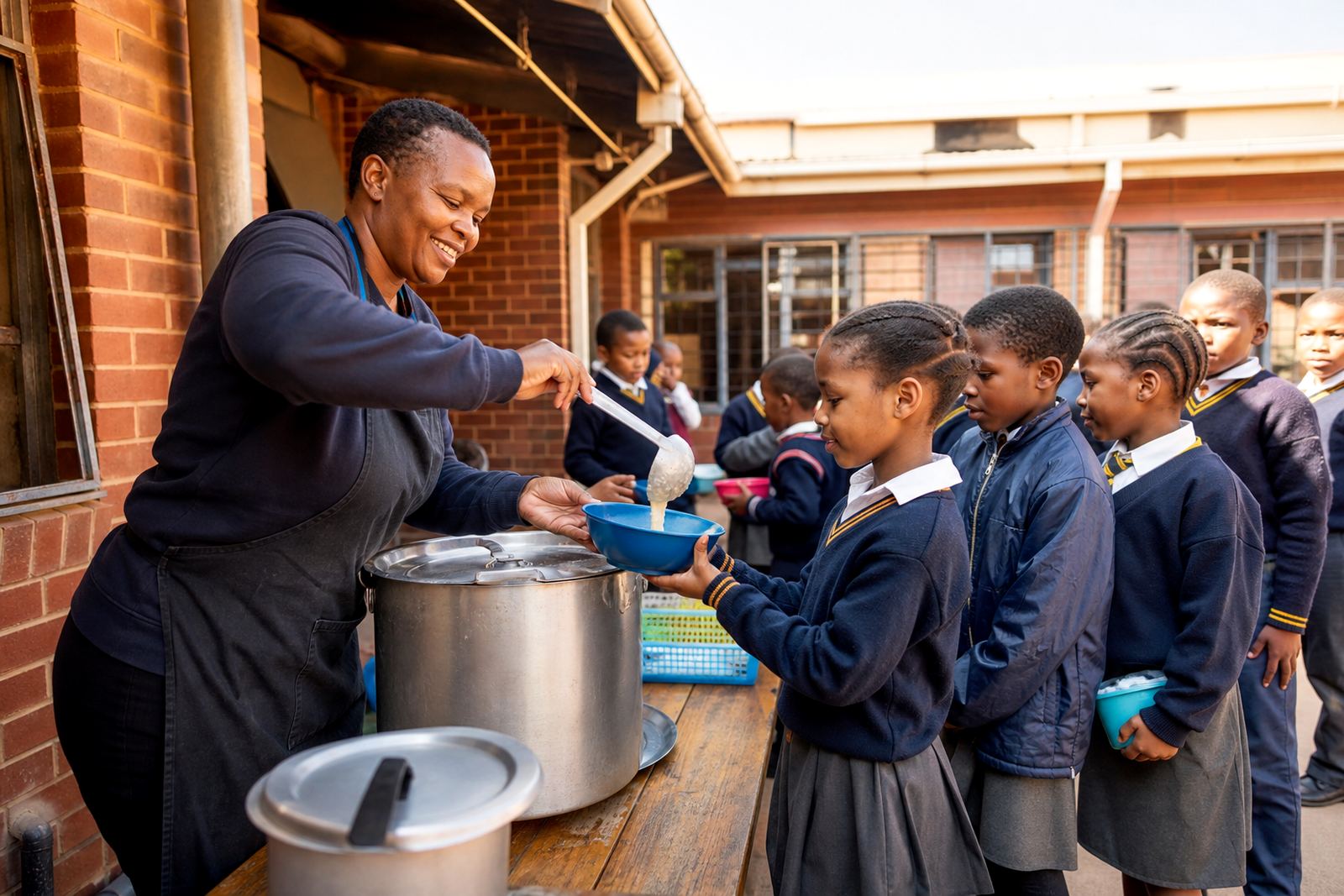
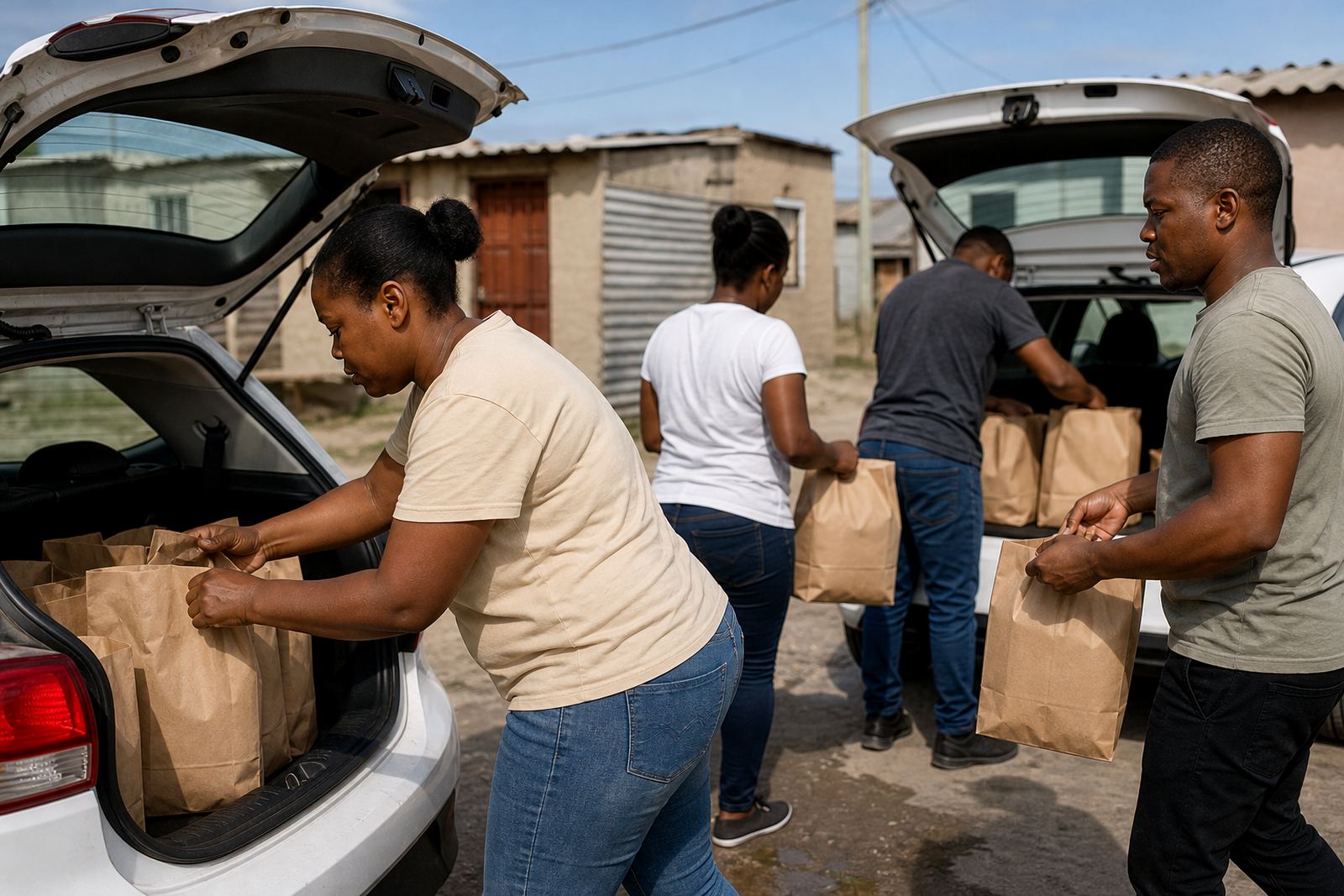
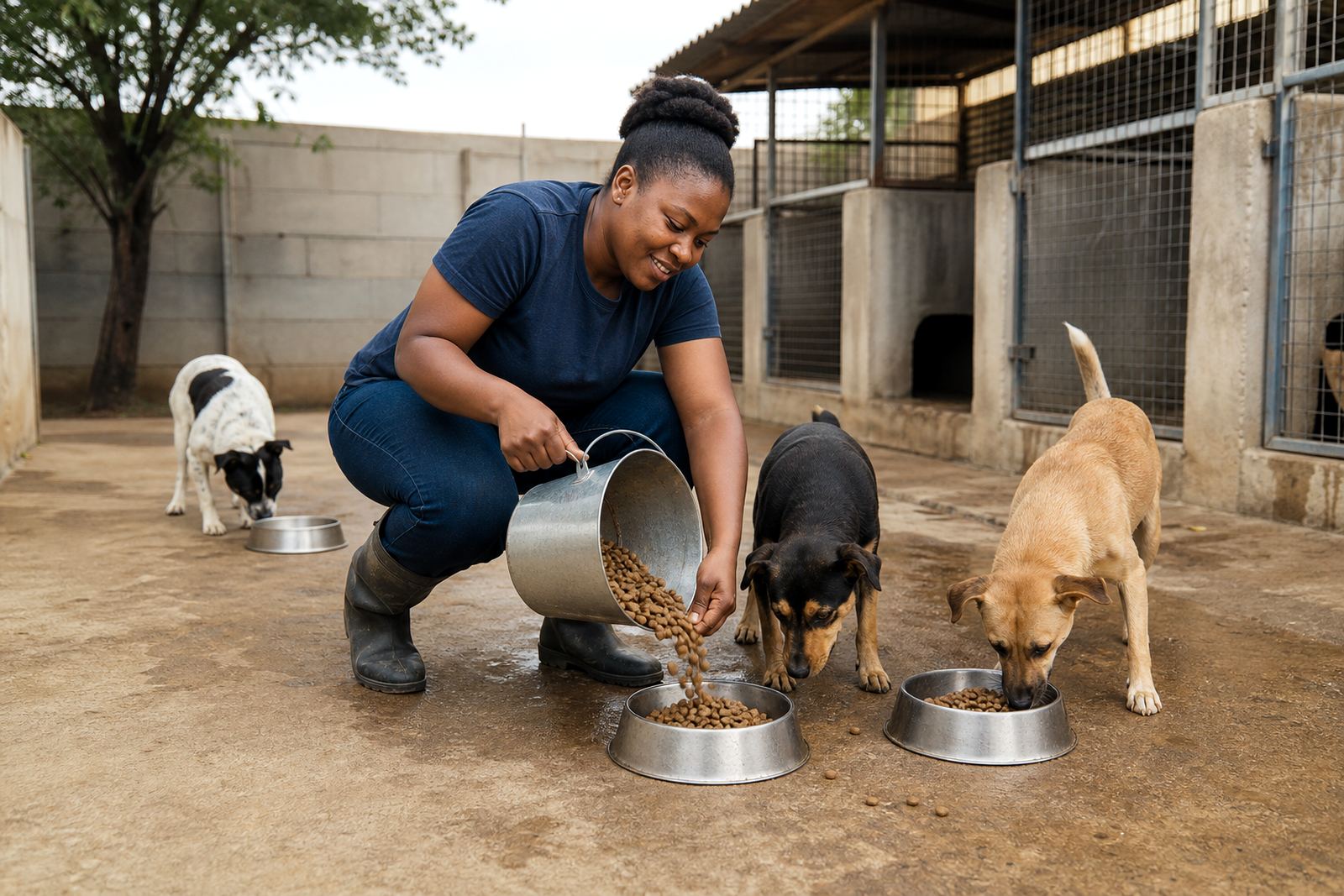
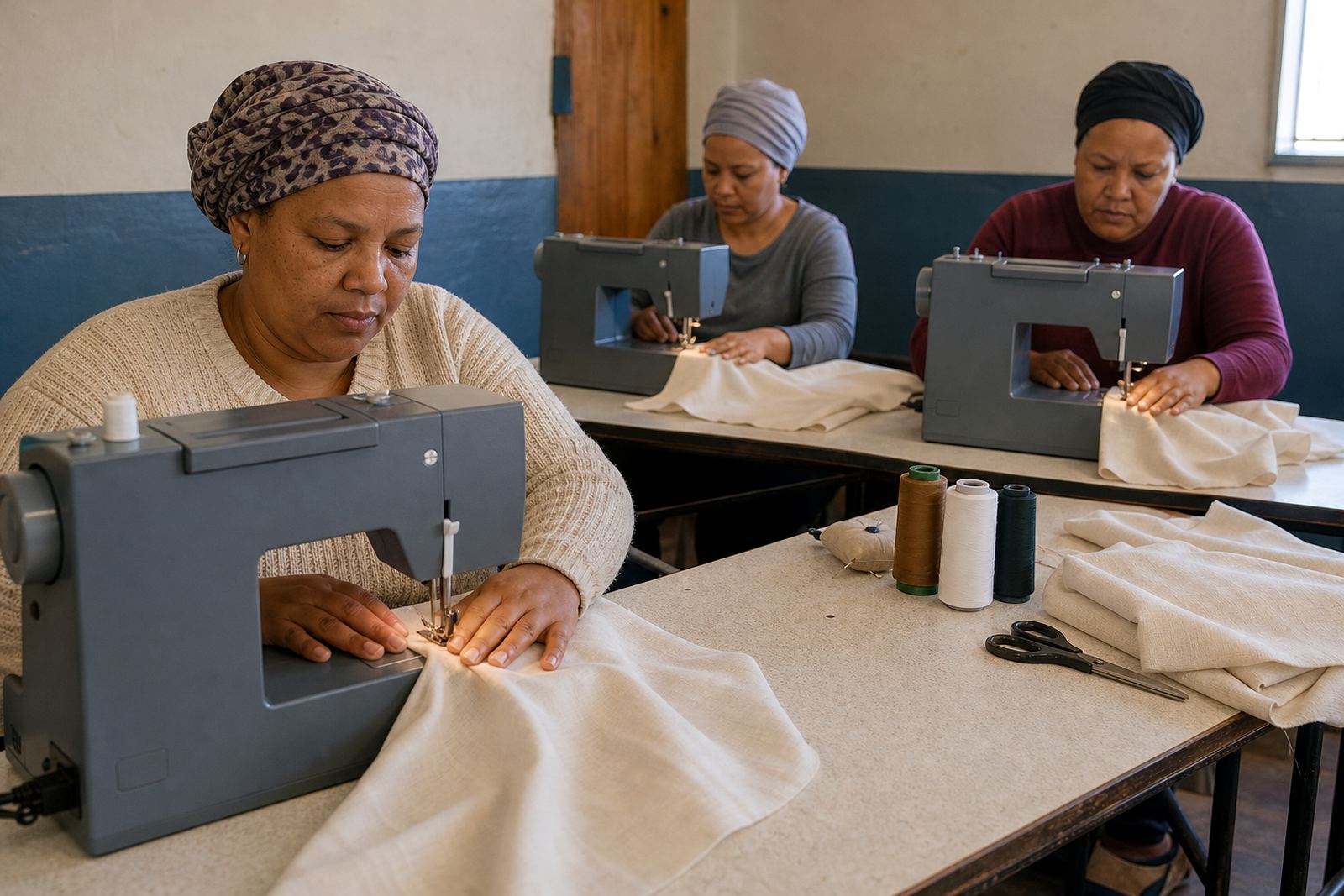
The strongest nominations usually begin with something ordinary that changed a day, a week, or a whole stretch of time for other people. A teacher who stayed after school to help a learner catch up, a neighbour who organised meals after a fire, a carer who kept showing up when the work was heavy, these are the kinds of stories that help judges understand the person behind the form.
We do not need grand claims. We need the detail that shows what happened, who was helped, and why the effort mattered in that community.
What these themes can help you frame
If you are planning a nomination, start with the action rather than the title. Think about what the person actually did, how often they stepped in, and what changed because of that effort. A clear story is often easier to read than a long list of praise.
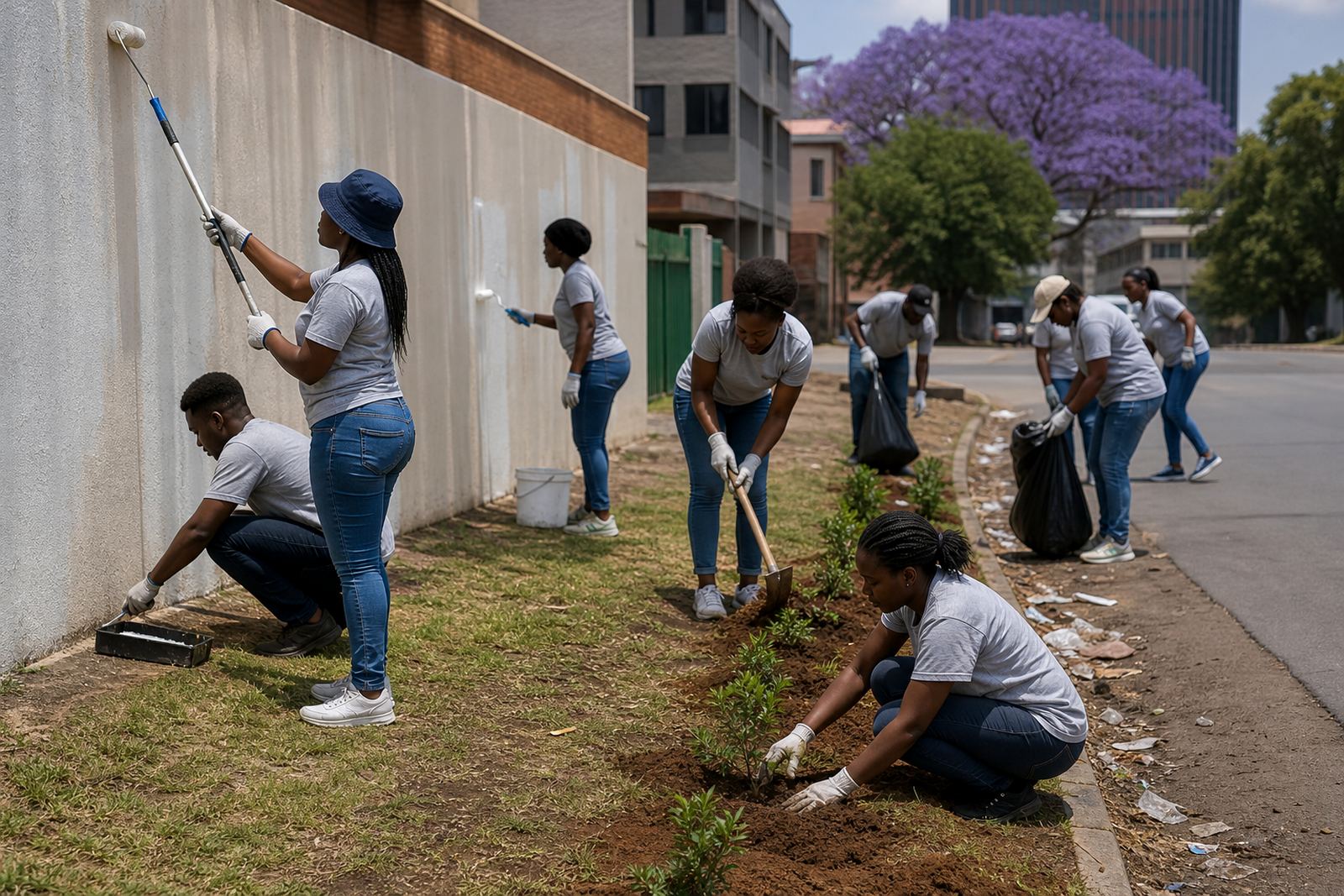
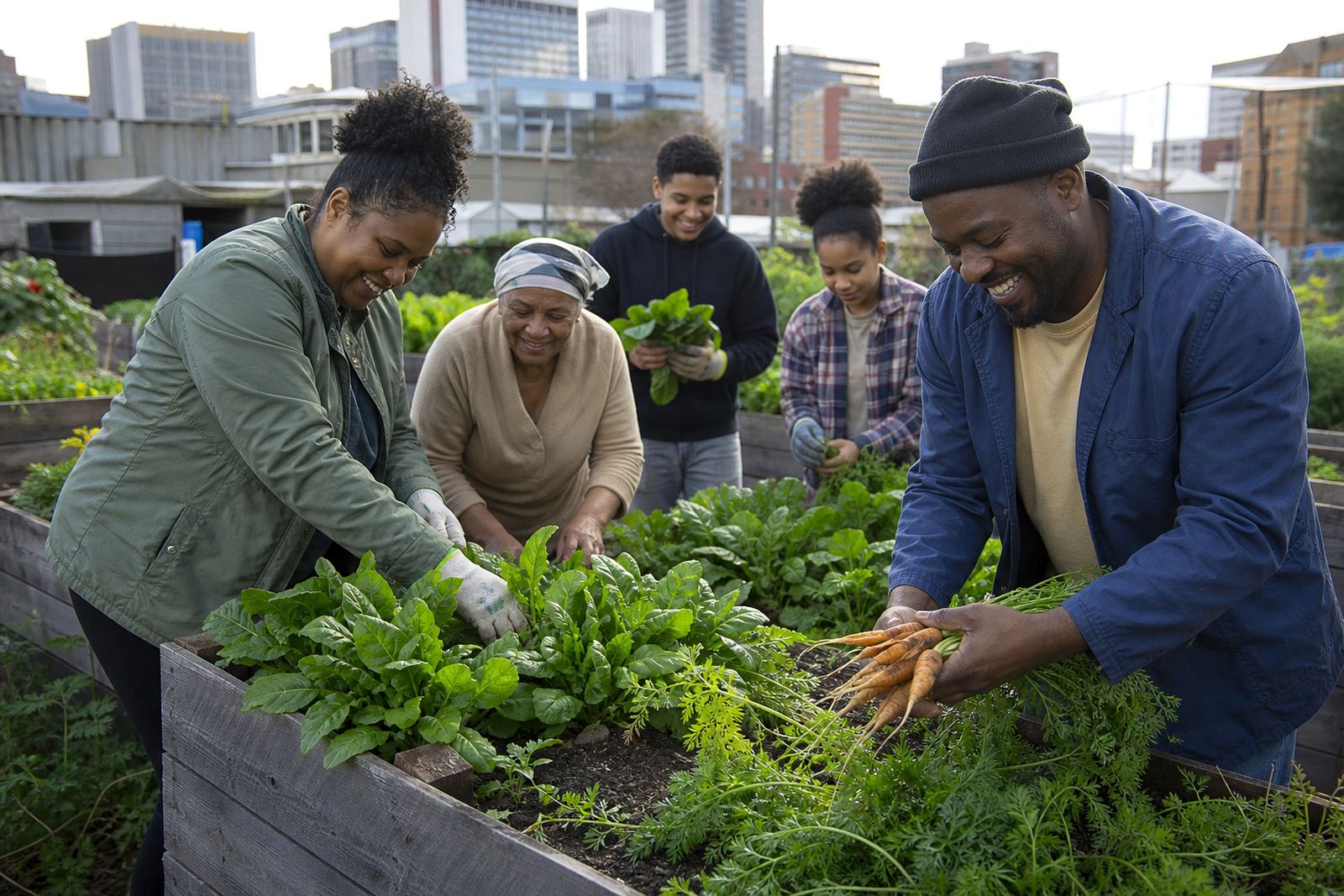
- Volunteer work that solved a local need
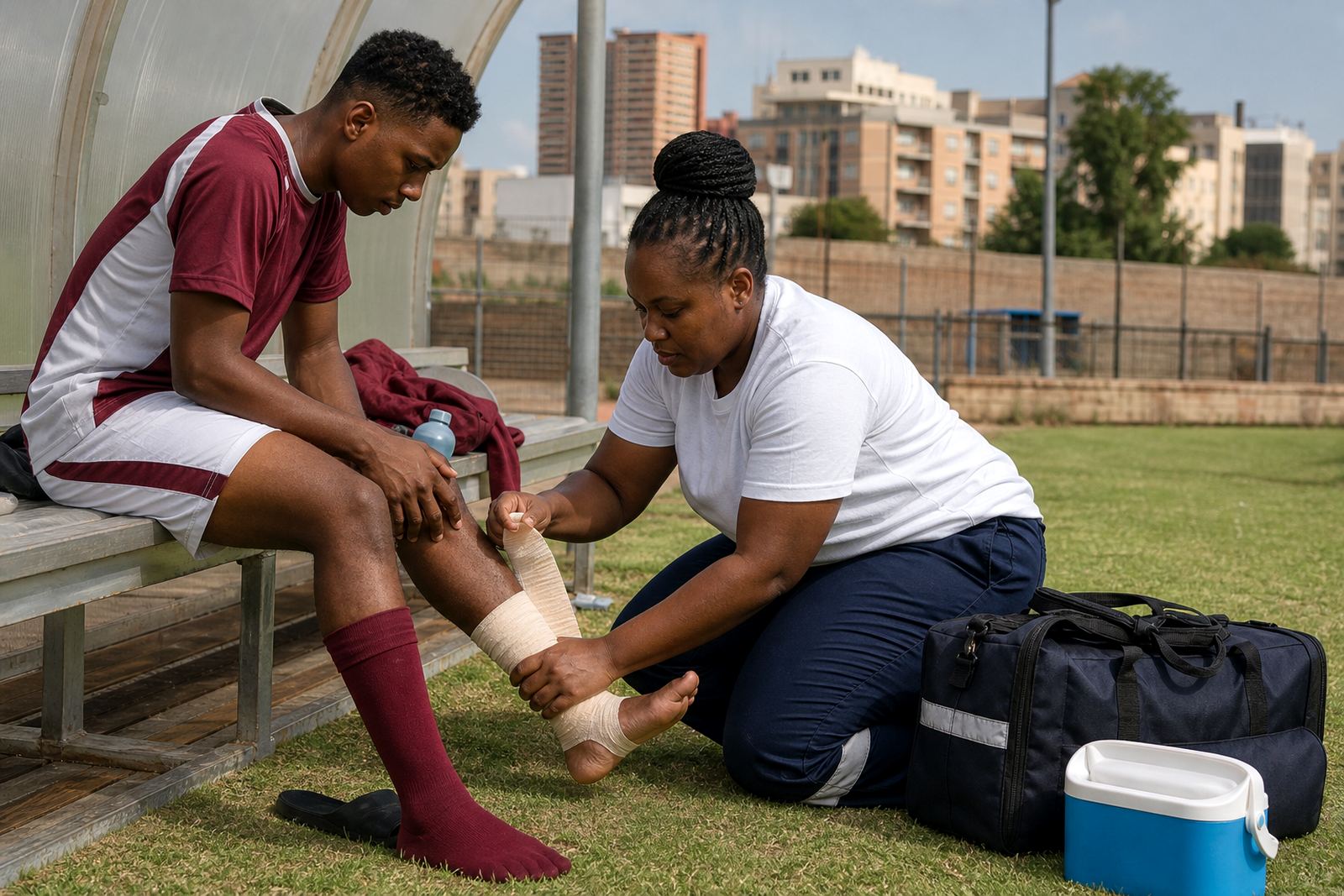
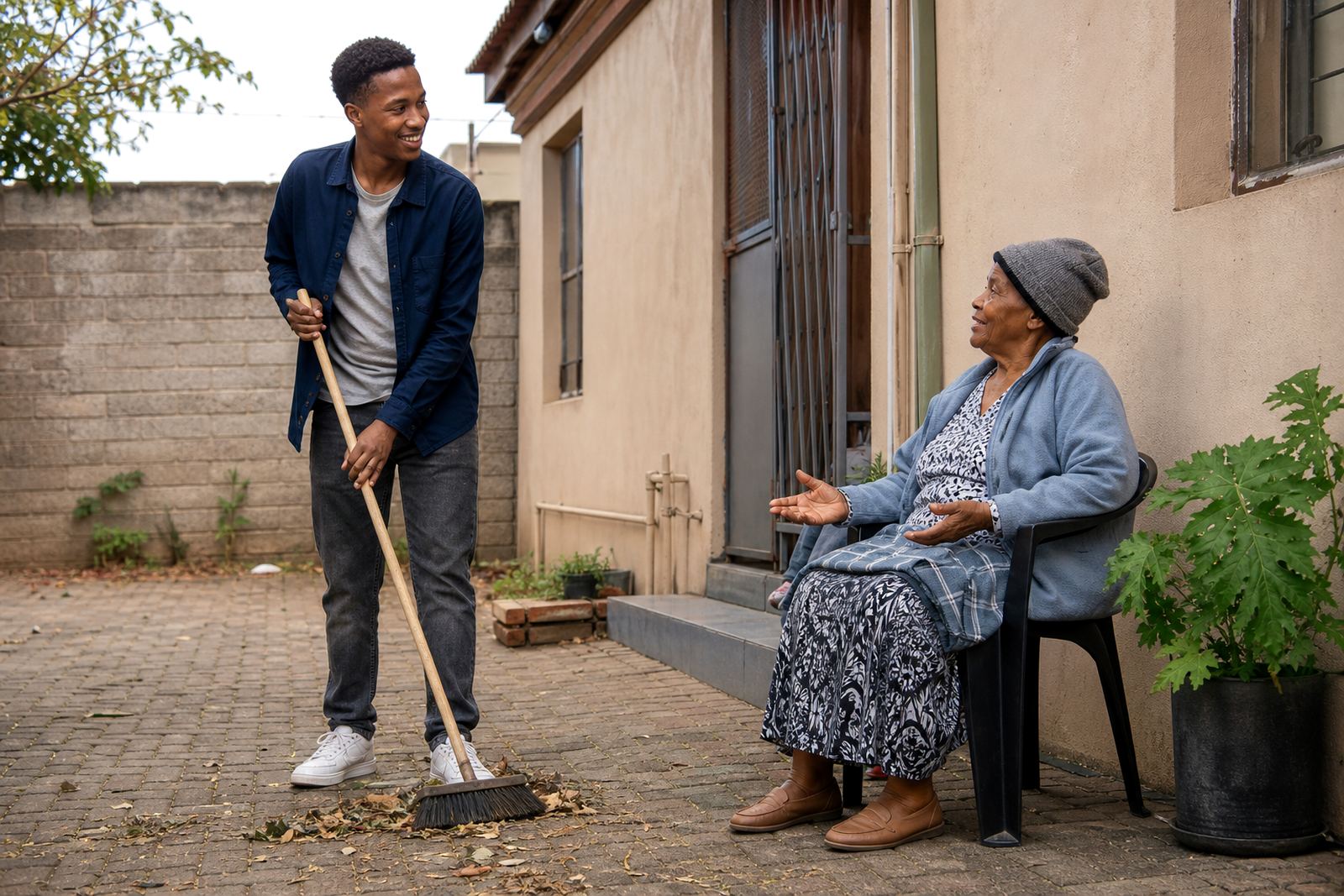
- Care given to children, elders, or vulnerable neighbours
- School support that went beyond the usual duty
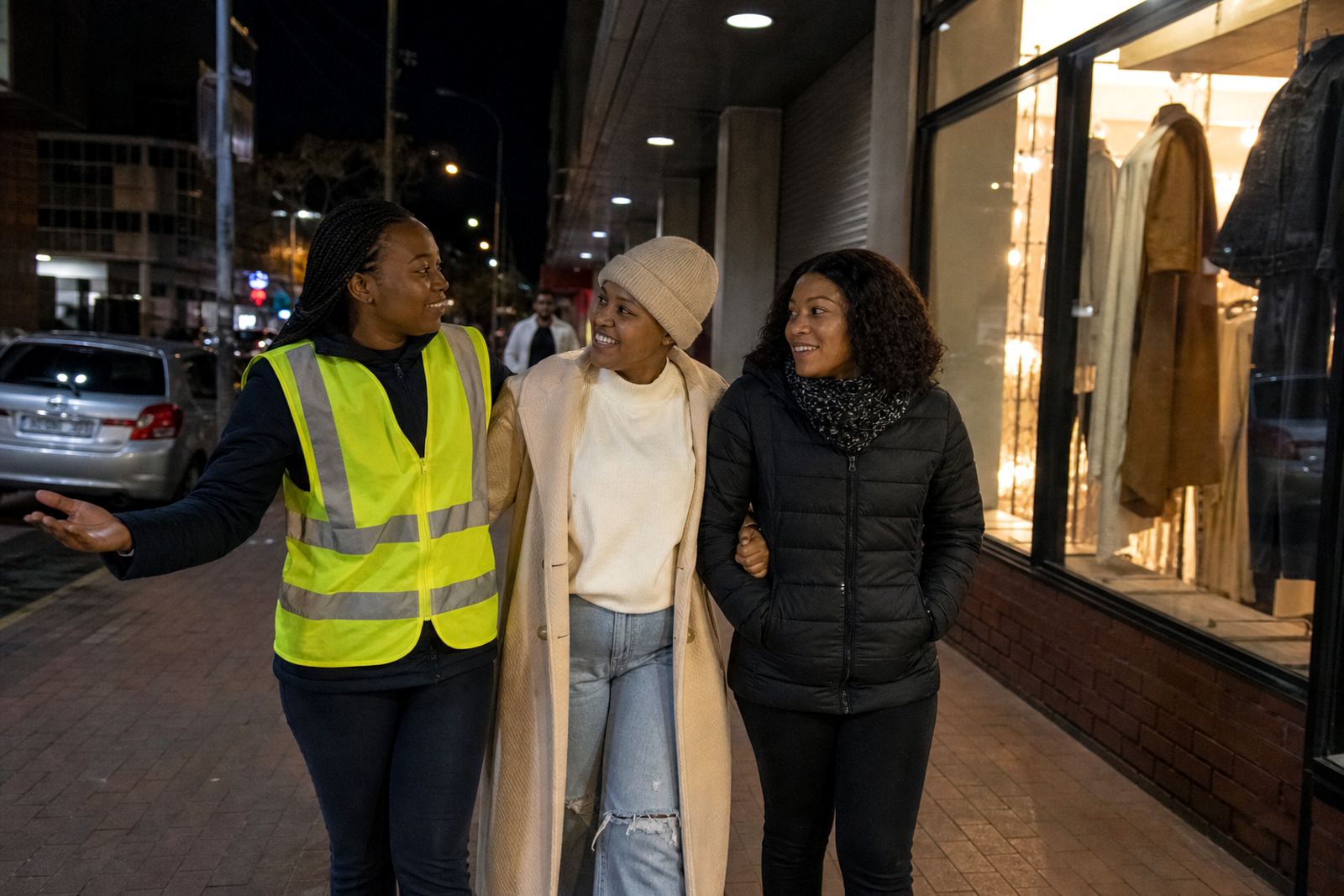
- Community safety work in a street, block, or ward
- Practical help after illness, loss, or displacement
How to shape the story before you submit
Write the nomination in plain language and keep it close to the facts. Name the person, explain the action, and set out the impact. If there were several people involved, say what the nominee specifically did. That distinction matters when a judging process has to compare many strong entries.
A short, grounded account often carries more weight than a polished statement that leaves out the useful parts.
Useful evidence that fits the story
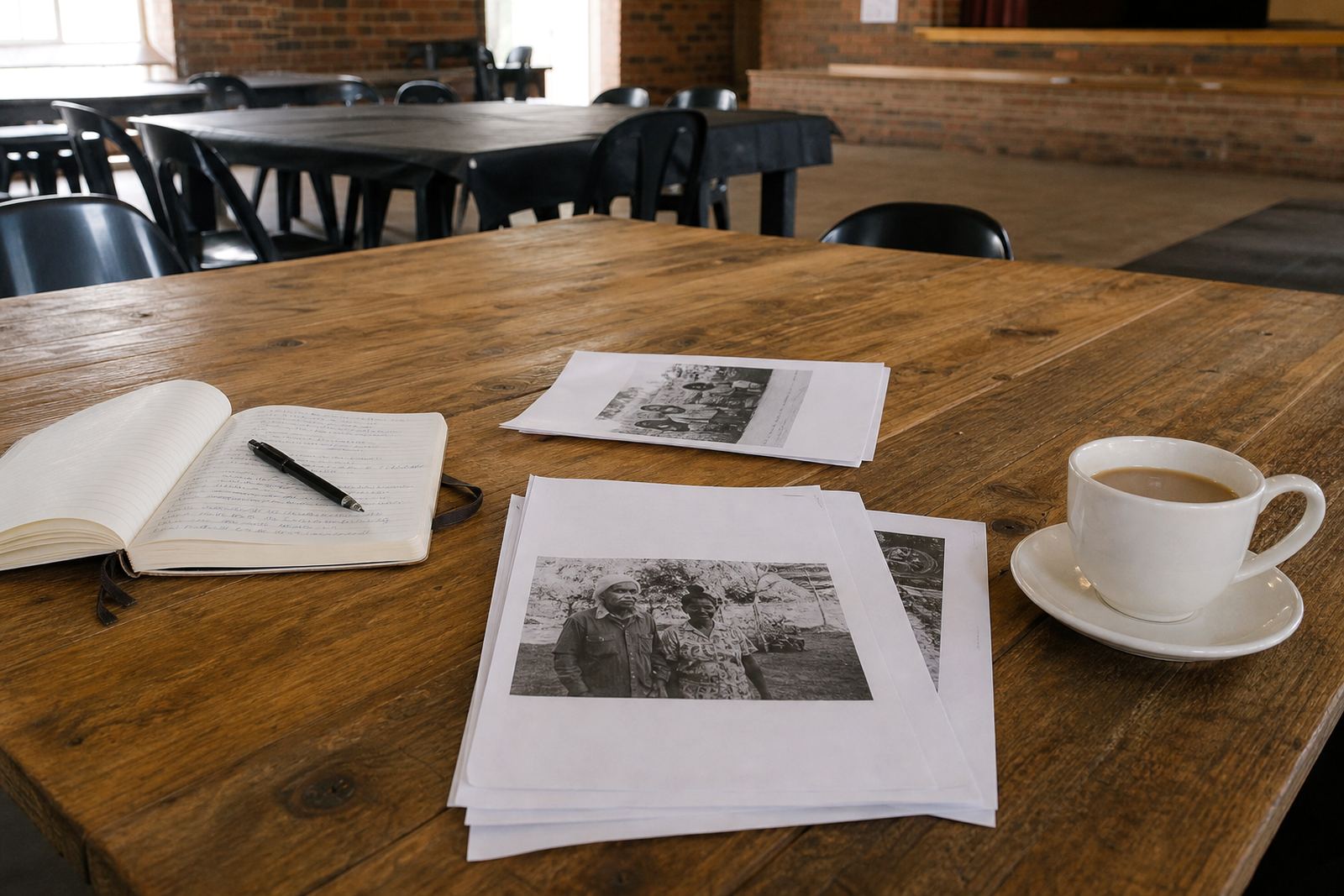
Evidence does not need to be heavy or formal. It should support the story and make it easier to understand. A photo, a message of thanks, a short letter, or a record of community activity can help when it matches the nomination.
- Dates or time periods for the work
- Names of places or communities served
- Photos that show the action clearly
- Messages, letters, or short statements from people helped
- Any record that shows repeated involvement rather than a single gesture
Consent and privacy sit inside every good nomination
Before you submit, make sure the nominee knows they are being nominated and agrees to it. That consent matters, especially where the story includes family matters, care work, illness, safety concerns, or other sensitive details. If you are sharing private information, only include what is needed for the nomination.
Where a story involves children or vulnerable people, protect their privacy and keep names out unless they must be included for the review process.
How the review lens stays plain
Judging is usually more useful when it follows a clear pattern. The review looks at the strength of the story, the usefulness of the evidence, the fit between the action and the nomination category, and whether the consent details are in place. A nomination does not need to be dramatic. It needs to be understandable, fair, and supported by what you can show.
That helps the programme compare entries from Johannesburg, Cape Town, Durban, Gqeberha, Polokwane and other places without losing the human detail.
Using the hub before you move to the cards
It gives you the full range. The listing cards are added separately, so you can move from theme to theme without trying to fit every person into one shape. Some stories are about steady care. Some are about urgent help. Some are about quiet work that kept a community moving when things were difficult.
If you are unsure where a story belongs, start with the action, then match it to the closest theme. That keeps the nomination clean and easier to review.