












Start with the right guide for your nomination
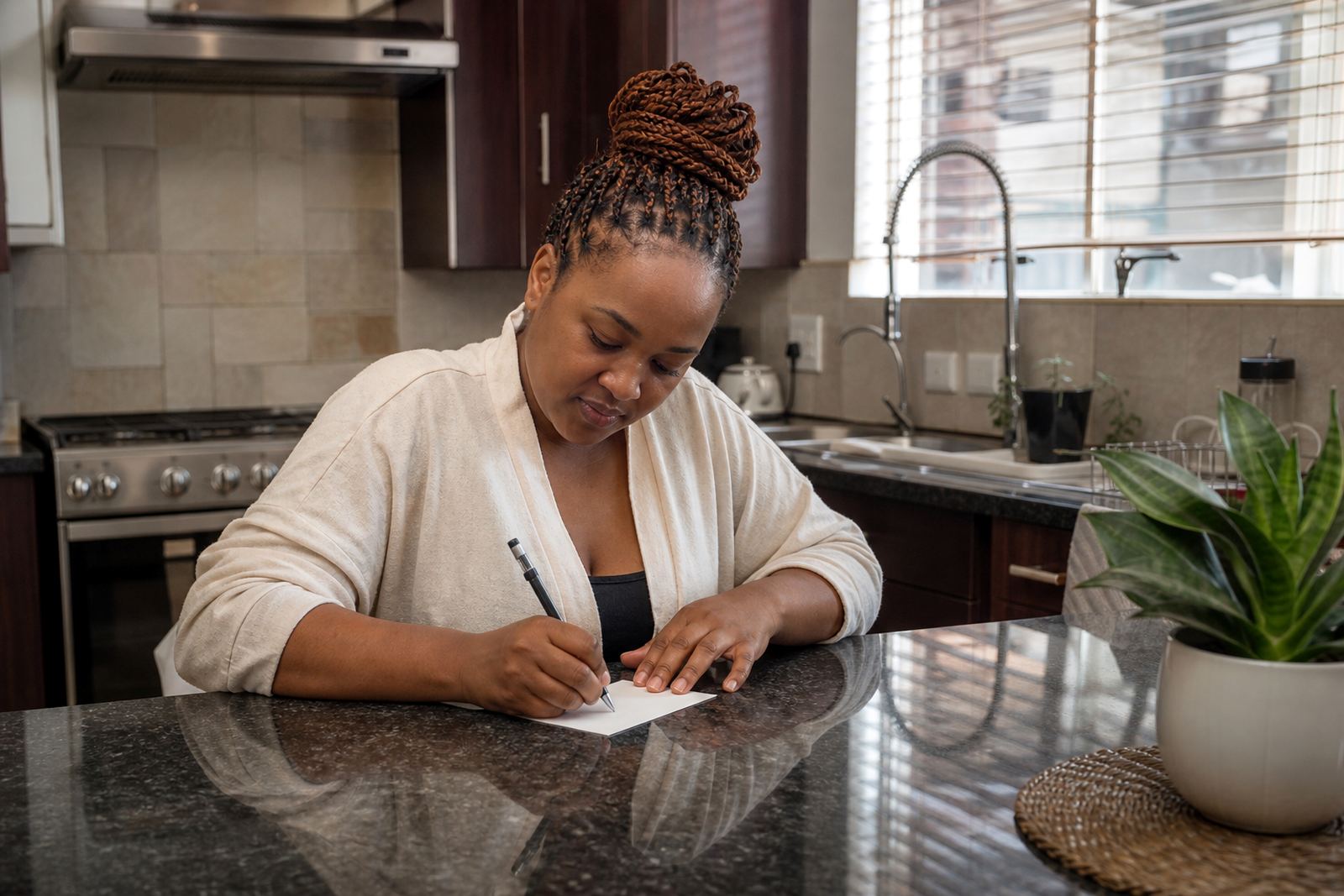
The guides are arranged around the parts of a nomination that people often find tricky. Some focus on the first draft, others on proof, consent, privacy or changes after submission. If you already know the person well, start with the writing guide. If you are unsure about facts, begin with eligibility and evidence.
Each guide stands on its own, but they work best as a set when the story is sensitive or the nominee keeps a low profile. A careful nomination is not about using fancy language, it is about giving enough detail for the judging process to understand what the person did and who benefited.
- Use How To Nominate for the basic steps.
- Use Writing The Story when you have the facts but need structure.
- Use Useful Evidence if you have letters, photos or records.
- Use Nominee Consent before sharing personal details.
What makes a strong nomination on paper
A strong nomination tells a clear story without stretching the facts. Say who the nominee is, what they did, where the help was seen and who was affected. If the person works quietly behind the scenes, explain the difference their actions made in ordinary terms, not grand claims.
Judging is easier when the entry shows recent, specific and relevant community help. Vague praise carries less weight than a short account of actions, dates, locations and the people involved. If there are school events, clinic visits, neighbourhood safety efforts or care work, describe them plainly.
- Name the nominee and the community they serve.
- Describe one or two clear examples.
- Include dates, places and supporting detail where possible.
- Keep the tone respectful and factual.
Consent, privacy and sensitive details
Before you submit, make sure the nominee understands the nomination and is comfortable with the information shared. Some people are happy to be named, while others prefer more privacy because of their work, family situation or community role. Consent matters even when the story is positive.
The privacy guide explains what to leave out, especially where children, health matters, safety risks or personal contact details are involved. If a nomination includes sensitive information, keep it limited to what is needed for review. The team uses privacy controls and handles personal material with care, but nominators still need to think carefully before uploading anything.
- Ask for permission to submit the nomination.
- Do not include private details unless they are needed.
- Keep children’s information minimal and relevant.
- Use our contact form if you need help with a privacy question.
Evidence that helps the review process
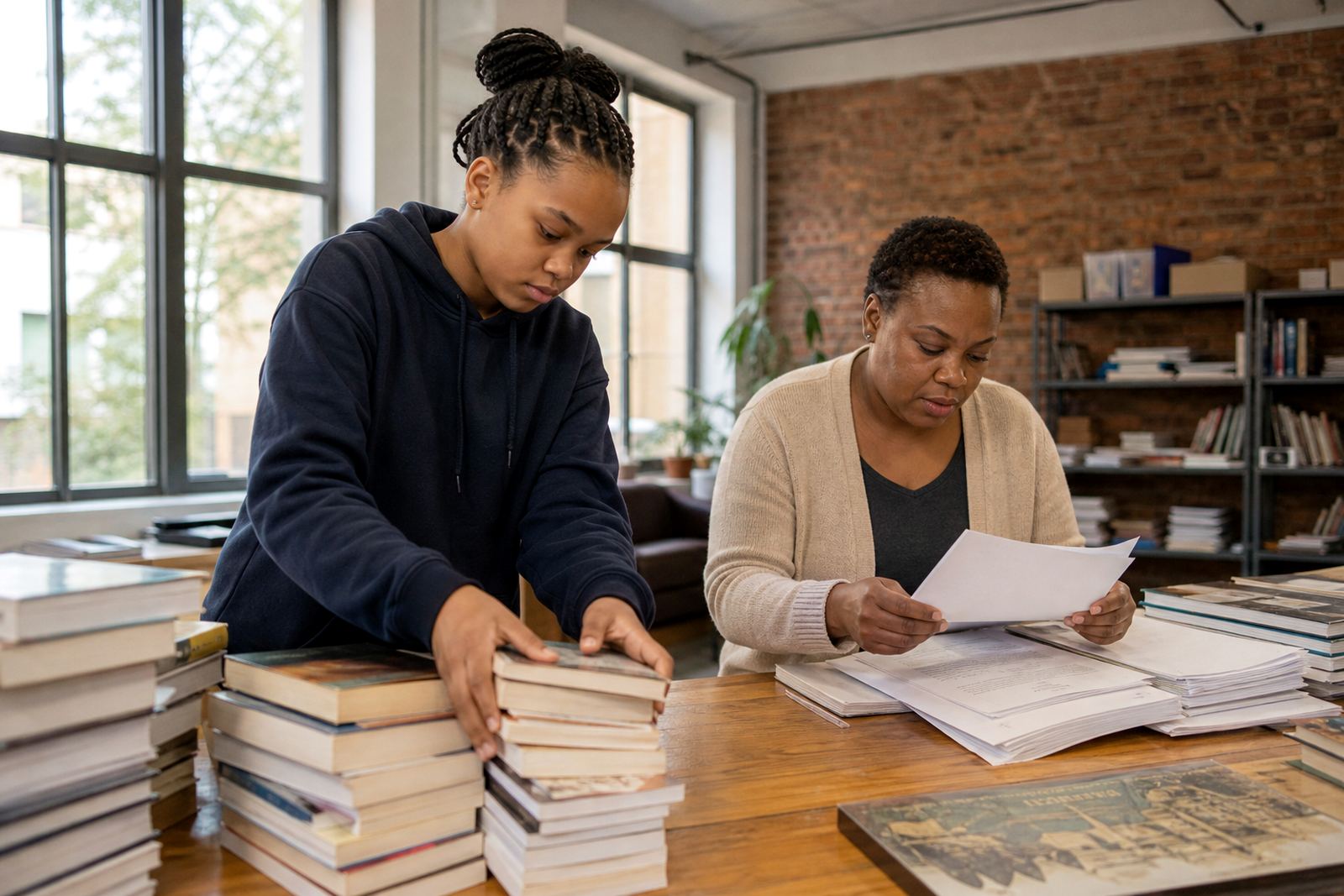
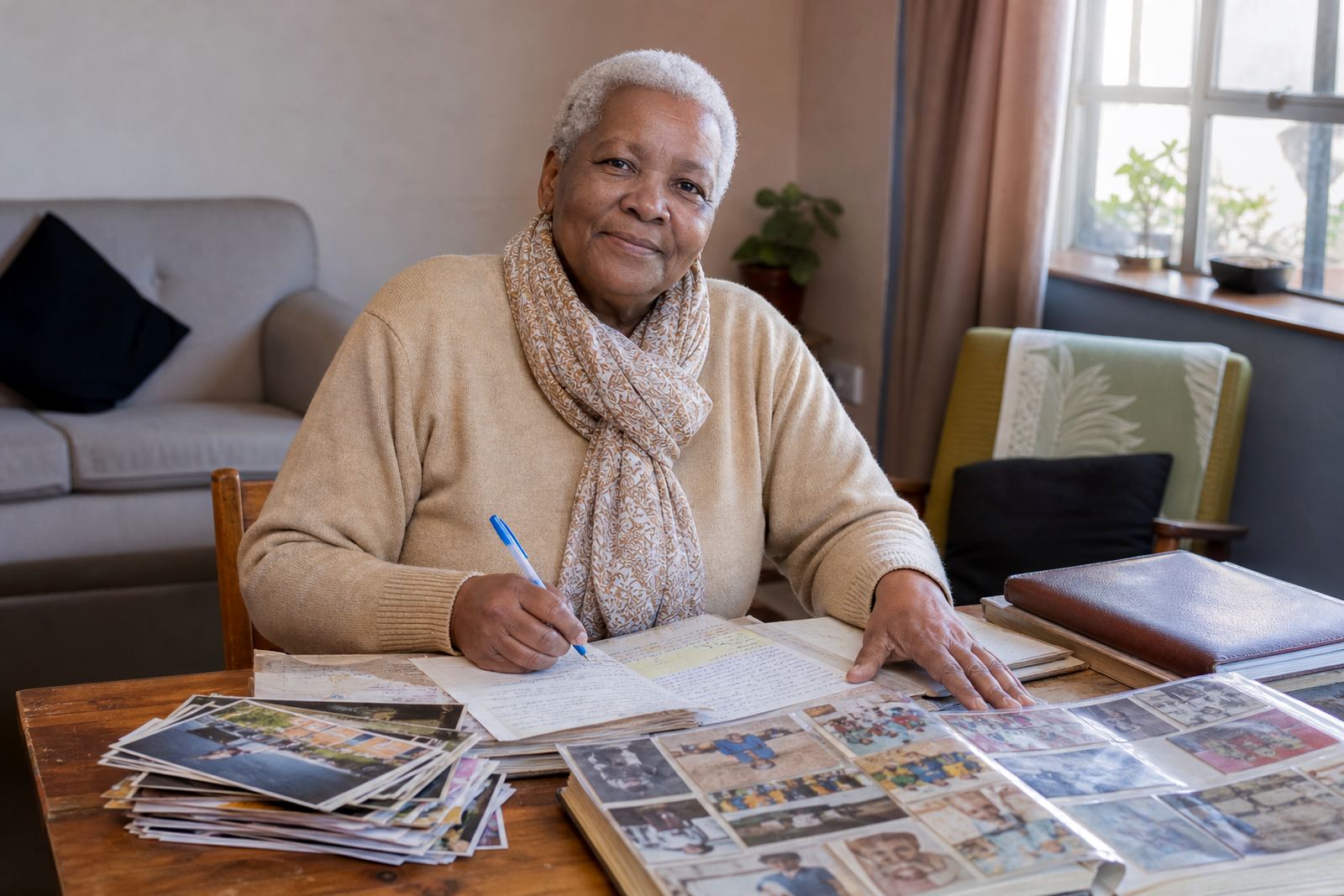
Useful evidence can be simple. A school letter, a community notice, a photo of the activity, a message from a beneficiary or a record of the project can all help. The point is not to pile on paperwork, it is to support the story with material that makes sense to the people reviewing it.
When evidence is thin, write the nomination carefully so the sequence of events is easy to follow. If the person helped across Johannesburg, Cape Town, Durban, Gqeberha or Polokwane, note where each part took place. That context helps the review process separate one-off praise from real community work.
- Choose evidence that matches the story.
- Label files clearly before you upload them.
- Explain what each item shows.
- Leave out anything that is off-topic or private.
Updating a nomination after you have sent it
Sometimes a nomination needs a correction. A name may be spelled wrong, a date may need fixing or a fresh detail may make the story stronger. The updating guide shows how to add information without confusing the original entry.
If you notice a mistake, keep the change brief and direct. Avoid rewriting the whole nomination unless the facts really changed. Public questions about the process are also covered here, including what happens after you submit and how the entry is checked for completeness before review.
Useful changes usually fall into a few groups:
- Correcting names, roles or locations.
- Adding evidence that was missed.
- Clarifying consent or privacy points.
- Explaining a new detail linked to the same nomination.
Pick the path that fits your story
Not every nomination needs the same amount of detail. A teacher helping children through a tough term may need a different shape of entry to a volunteer coordinating food parcels or a first responder who works beyond the call of duty. The guides help you sort that out before you send anything through.
Read the guide that matches the situation, then move to the next one if the story raises questions about evidence, consent or review. The aim is to make the nomination clear enough for fair consideration and respectful enough for the person named in it.
- Start with the most uncertain part of the nomination.
- Read the related guide before you finalise the form.
- Use our contact form if the situation is unusual.