































Choosing the right category for a real story
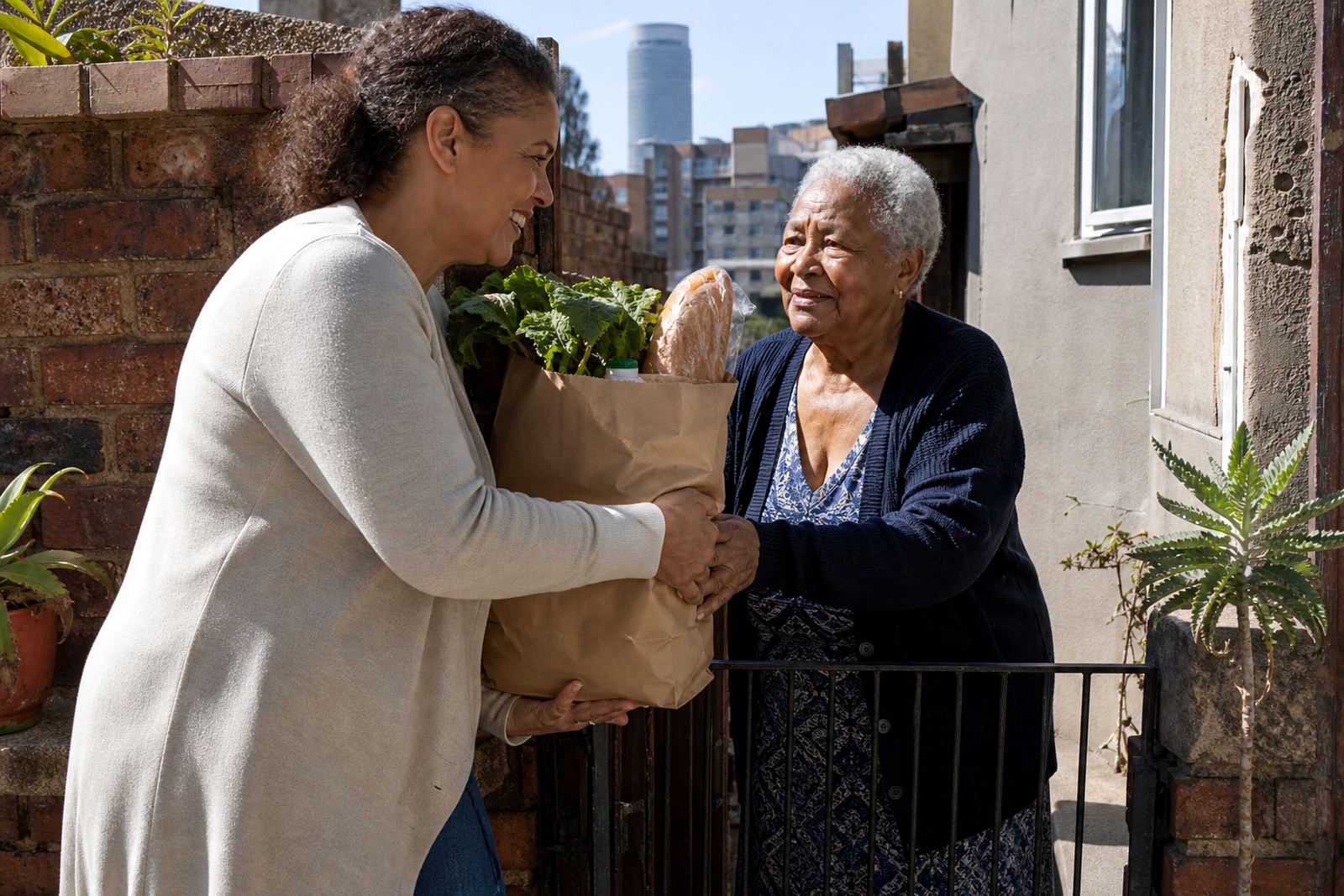
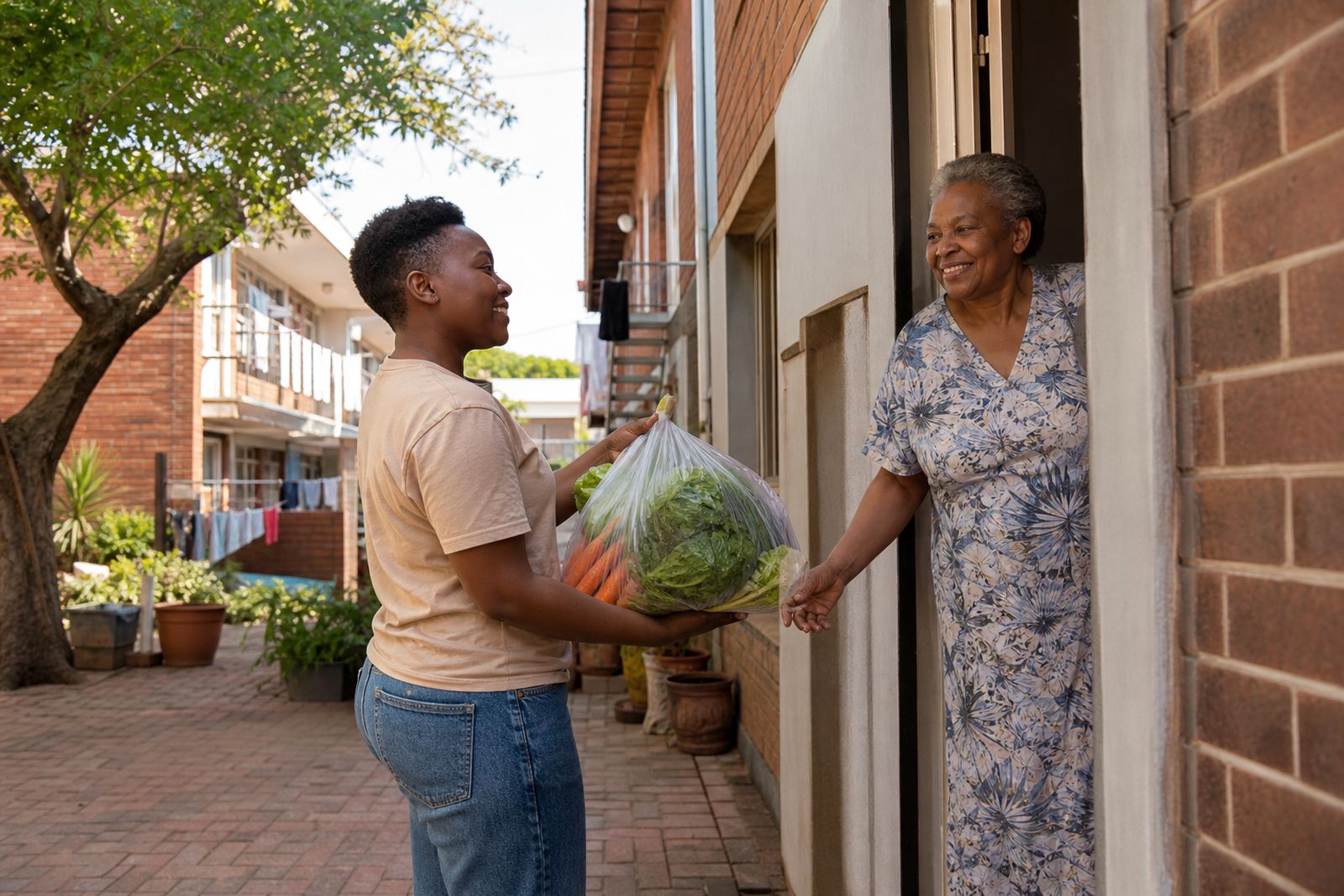
Start with the person’s main contribution, not with the first label that sounds close. A teacher who tutors after class may fit a learning focused category, while a neighbour who organises food parcels may sit better in community service. The strongest choice is the one that matches the real pattern of help, not just one busy day.
Use the category that best reflects where the benefit is felt. If the person supports families, patients, learners, commuters or a local team, place the nomination where that kind of work belongs. That makes the review clearer and keeps the comparison fair across different communities.
What each category is meant to hold
The categories are wide on purpose. They can hold many kinds of service without forcing small acts into the wrong box. One person may show care through steady visits, another through organising supplies, another through keeping people informed during a difficult week. Each can still be recognised properly.
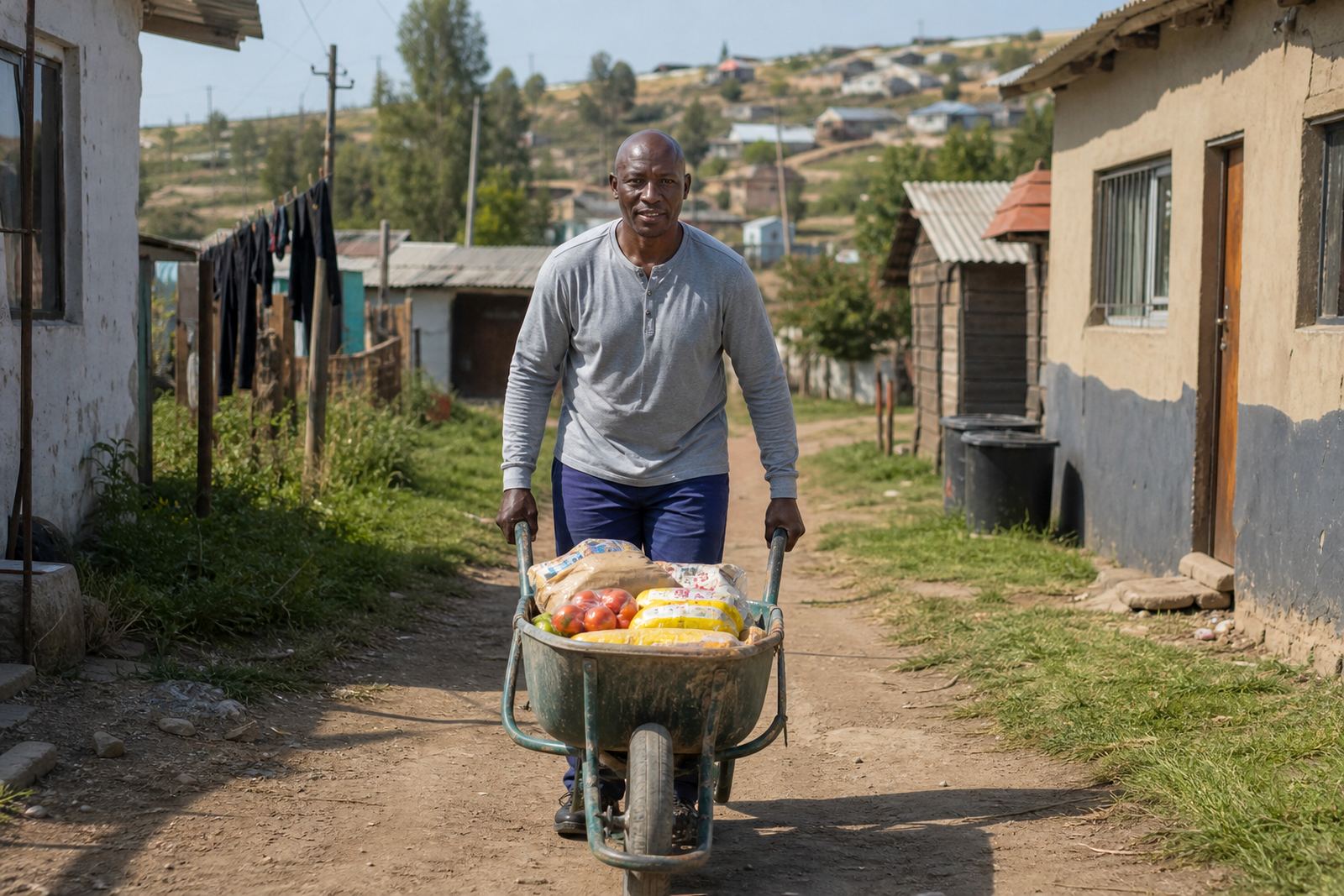
- Community help that reaches households or streets
- Care work that supports people at home or in centres
- Education support inside or outside the classroom
- Emergency or first response help in practical situations
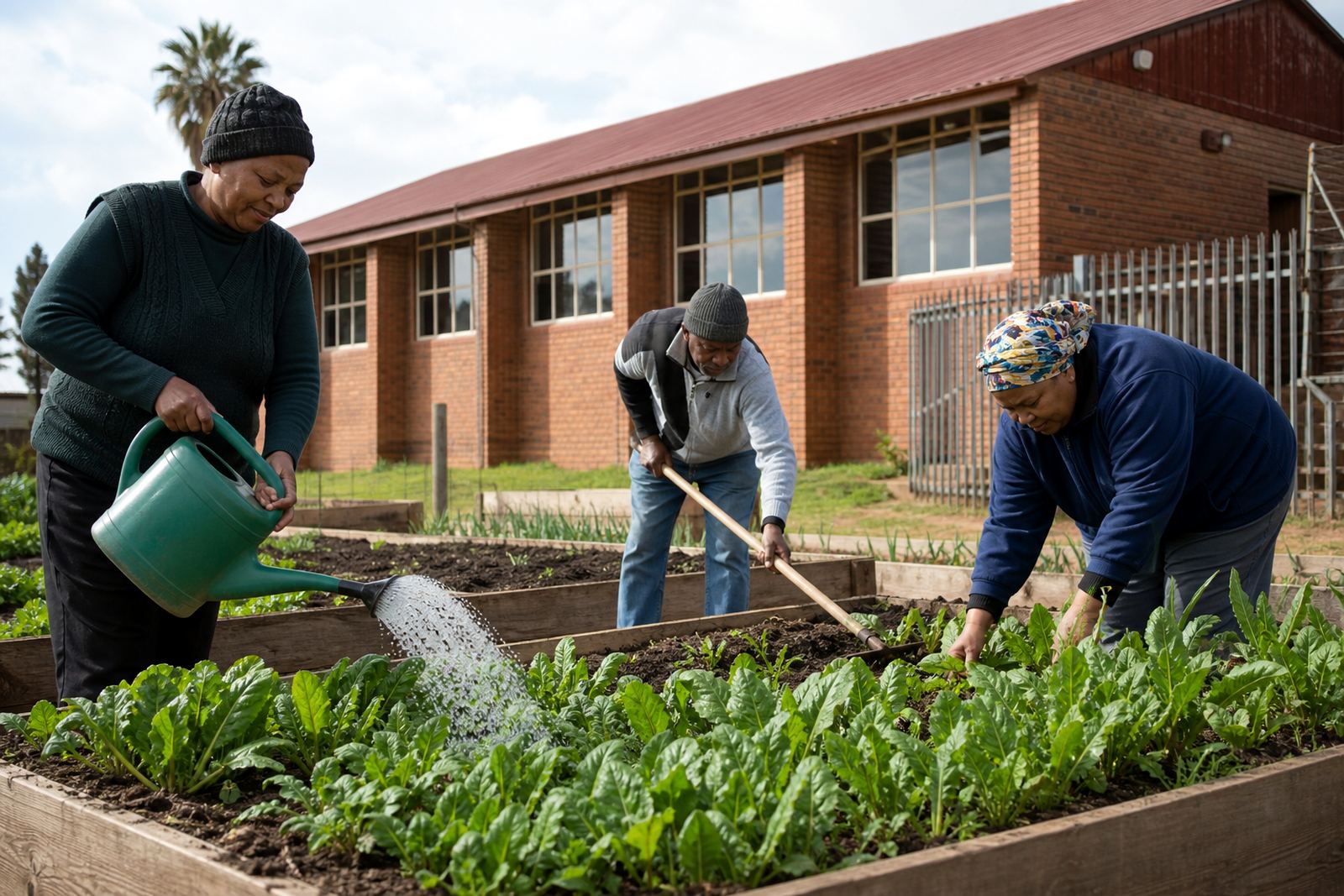
- Neighbourhood action that solves a local problem
If a story crosses more than one area, pick the strongest thread and mention the rest in the nomination text. That gives the judging team a cleaner picture and avoids splitting one story across too many places.
What makes a nomination easier to assess
A good nomination explains what the person did, who benefited, and why the help mattered. Plain examples work better than broad praise. Say how often the support happened, what task was carried out, and what changed for the people involved.
- Use dates, places or a time period if you know them
- Describe the service in everyday words
- Include any useful proof, such as a letter, note or photo where suitable
- Explain the nominee’s role clearly
- Keep the focus on the contribution, not on big claims
Short stories can still be strong. A careful, well told account is usually more useful than a long one with missing facts or vague praise.
Judging similar acts of service fairly
Categories help the review process compare like with like. A nomination about caring support should not be weighed against a completely different kind of contribution without context. Broad categories make room for everyday service, but they also keep the comparison grounded in similar work.
Judging looks at the substance of the nomination, the consistency of the help, the local value of the contribution and the strength of the evidence. A nominee who quietly solves small problems over time may stand out as much as someone who completed one demanding task, depending on the category and the story told.
Consent, privacy and sensitive details
Before you submit, make sure the nominee knows they are being put forward. Consent matters because a nomination can include personal information and details about the work they do. If the nominee is comfortable being named, that should be made clear in the form.
Privacy is handled carefully. Only share sensitive information that is needed for the nomination, and leave out anything that could place the nominee or others at risk. If a story involves health matters, family circumstances or a vulnerable person, keep the wording factual and measured.
- Ask for permission before naming a person
- Do not overshare private details
- Use the minimum information needed for review
- Keep children and vulnerable people protected
- Update the nomination if consent details change
Using the category list as a map
The category index is there to guide you, not to trap you. If you are unsure between two options, read both in full and place the nomination where the main contribution fits best. For a person whose work stretches across a suburb, a school gate or a clinic queue, the clearest category is usually the one that matches the biggest share of their effort.
People from Johannesburg, Cape Town, Durban, Gqeberha, Polokwane and other parts of South Africa can all use the same approach. A strong nomination tells a grounded local story, names the support properly and keeps the category choice honest.