

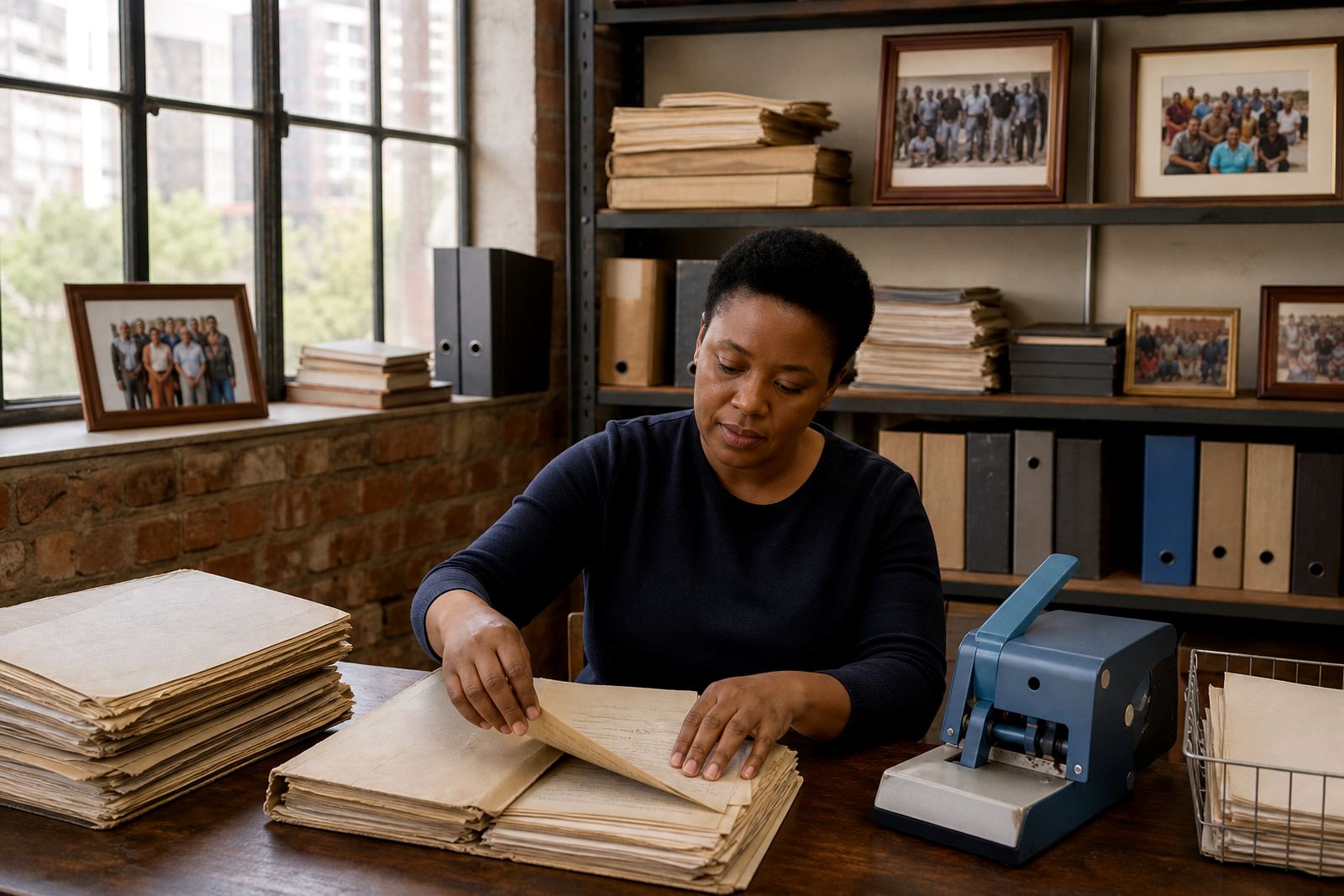
How the programme took shape in Braamfontein
The first conversations were about people who are often missed in public life. Not only the volunteer who turns up every week, or the neighbour who checks on an older resident, but also the teacher, carer or first responder whose work holds a street, a school or a clinic together. From that starting point, SA Hero Awards became a nomination-based awards programme rooted in everyday service rather than celebrity.
Being based in Braamfontein gave the team a close view of Johannesburg’s pace and its mix of civic effort, informal care and formal support. That setting helped shape a programme that is practical and open to the public across South Africa, including Cape Town, Durban, Gqeberha and Polokwane. The aim has always been to keep the process reachable to ordinary people who have a story worth telling.
What changed as the craft matured
As more nominations came in, the programme had to grow from a simple call for entries into a careful review process. A stronger nomination is not only emotional, it is specific. It shows what the person did, who was helped, and why that effort mattered in a real community setting.
The team learned that good nominations usually include a clear account of the nominee’s actions, a few practical details, and useful evidence where possible. That may be a short description from a neighbour, a parent, a colleague or a community member who saw the work up close. The process now reflects that lesson by asking for substance rather than noise.
- Describe the action, not just the title.
- Say who benefited and how they were helped.
- Include dates, places or situations where they matter.
- Use photos, notes or records only where they add real context.
Who sends nominations and why they matter
The people who reach out are often the ones closest to the story. A learner may nominate a teacher who stayed after class to help with extra reading. A resident may write about a carer who stood in during a hard family period. A clinic worker, church member, neighbour or local organiser may also put forward someone whose effort has gone unnoticed for too long.
This variety is part of the programme’s strength. It means the awards are not limited to one neighbourhood, one profession or one language of service. Nominations arrive from Gauteng, the Western Cape, KwaZulu-Natal, the Eastern Cape, Limpopo, the Free State, North West and Mpumalanga. The scale is national, but the stories stay personal.
People usually want a fair chance to explain a good deed properly. They also want the person being nominated to be treated with dignity. That is why the programme keeps the process simple, with clear prompts for how to nominate, what counts as useful evidence, and how to handle sensitive details.
How the team works behind the scenes
Today the team is structured around the points that matter most in a nomination-led programme. One group helps with intake and updates, another reviews whether a nomination is complete, while another checks that the nominee’s consent is in place before private details are shared or carried forward. The work is careful, and it depends on people doing their part without making the process feel heavy.
Thandeka Nomvula Mokoena leads the programme from Braamfontein, with Kagiso Daniel Molefe managing the overall flow. Ayesha Fatima Khan oversees nominations, Siphesihle Zanele Dlamini handles community outreach, Pieter Jacobus van Wyk coordinates judging, and Lerato Michelle Maseko looks after privacy and consent. That mix keeps the programme grounded in both community practice and administrative order.
- Nomination intake is checked for clarity and completeness.
- Consent is considered before personal information is shared further.
- Judging follows plain criteria, not guesswork or popularity.
- Updates to a nomination are handled when extra context is needed.
The judging principles that still guide the programme
The judging process is built on common sense and consistency. A strong nomination should show that the person made a meaningful difference, acted in a way that is credible, and helped others in a way that can be understood from the nomination itself. The focus is on service, impact and the quality of the story being told.
Not every good deed is dramatic. Some are quiet, repeated and practical. A strong case may describe someone who checks on vulnerable neighbours, organises meals, helps with transport, or steps into a classroom, home or public space when support is needed. The programme looks for honest detail, not polished language. That approach helps the process stay fair across different towns and communities.
There is also care around sensitive information. If a nomination touches on family matters, health concerns or personal hardship, the details are handled with caution and only used where they are needed. The point is to recognise contribution without exposing anyone unnecessarily.
Consent, privacy and the quiet side of recognition
Recognition should never place a person at risk or make their private life harder to manage. For that reason, consent sits at the centre of the process. Where needed, the team asks whether the nominee knows about the nomination and whether their details can be used in the review process. That matters especially when the story includes vulnerable people, minors or sensitive circumstances.
Privacy is not treated as a formal extra, it is part of the work. Contact details, background notes and supporting material are only used for the programme’s internal process. Public questions are handled carefully, and any update to a nomination is checked so that the record remains accurate. In a programme based on real people, that care is not optional.
For the team, this part of the job is as important as the nominations themselves. A community award only has meaning if the nominee is respected from the first form to the final review.
What the programme stands for now
SA Hero Awards has grown into a national programme with a local feel. It still speaks to the same group it began with: people whose work is usually practical, unpaid or under-recognised, but deeply felt by the people around them. The language around the programme remains plain because the stories deserve to be understood without ceremony getting in the way.
That is the thread running through the work today. From Braamfontein to the rest of the country, the team continues to support public nominations, explain the process in simple terms, and treat every story with care. The awards programme now carries more structure than it did at the start, yet the heart of it has stayed close to the original purpose of noticing ordinary South Africans doing extraordinary things in their own communities.