








Everyday people, real help, steady effort
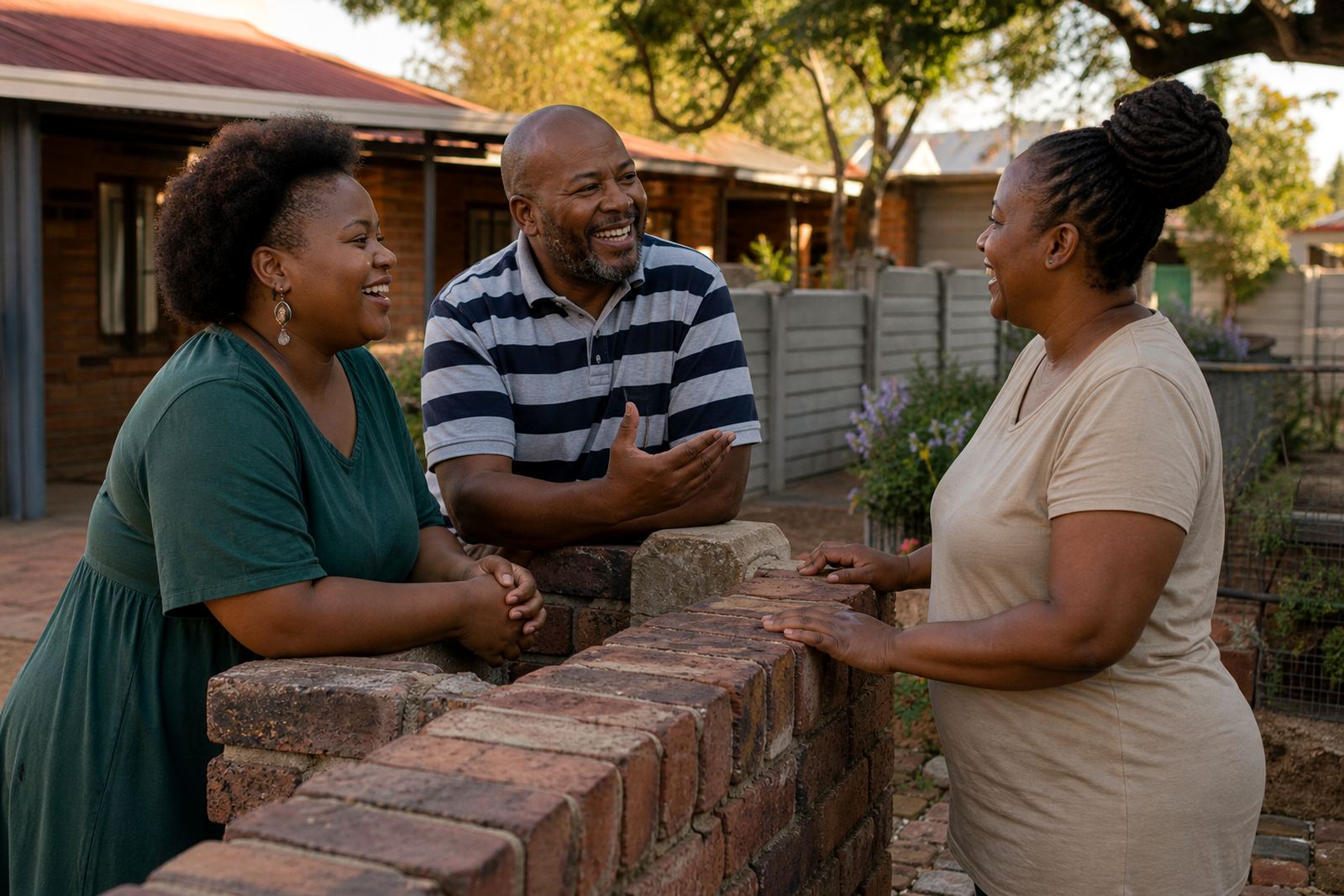
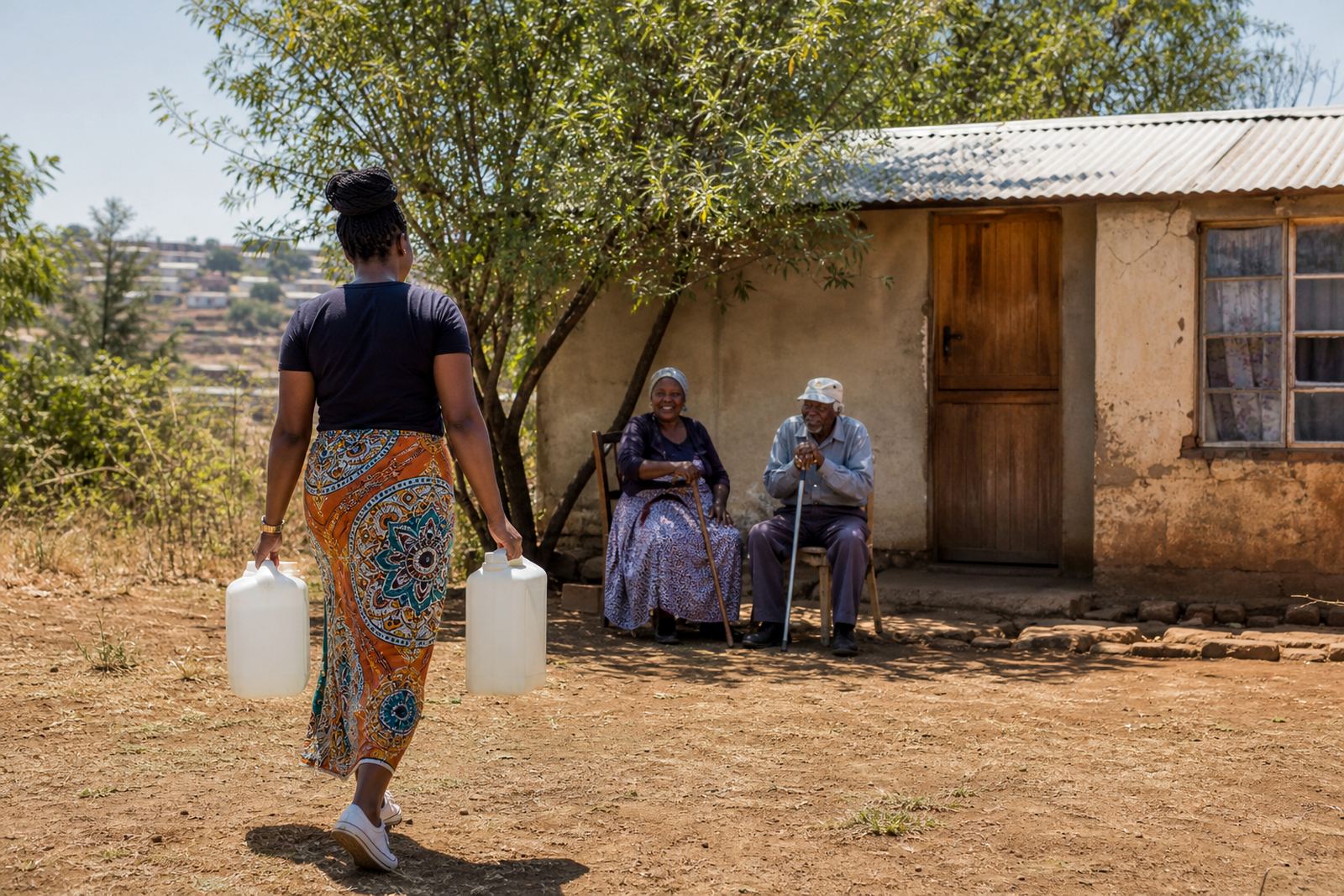
The programme is not limited to formal job titles or public figures. A person may be nominated for the way they step in, keep going, or carry responsibility where it matters most, whether that is in a street, a school, a clinic, a taxi rank, a place of worship or a local group.
Some nominations are about a single brave act, while others describe months of patient work that many people never see. Both can matter, provided the story is clear and the contribution affects others in a meaningful way.
The kinds of people often put forward
People across South Africa use nominations to recognise different forms of service and care. The programme can suit:
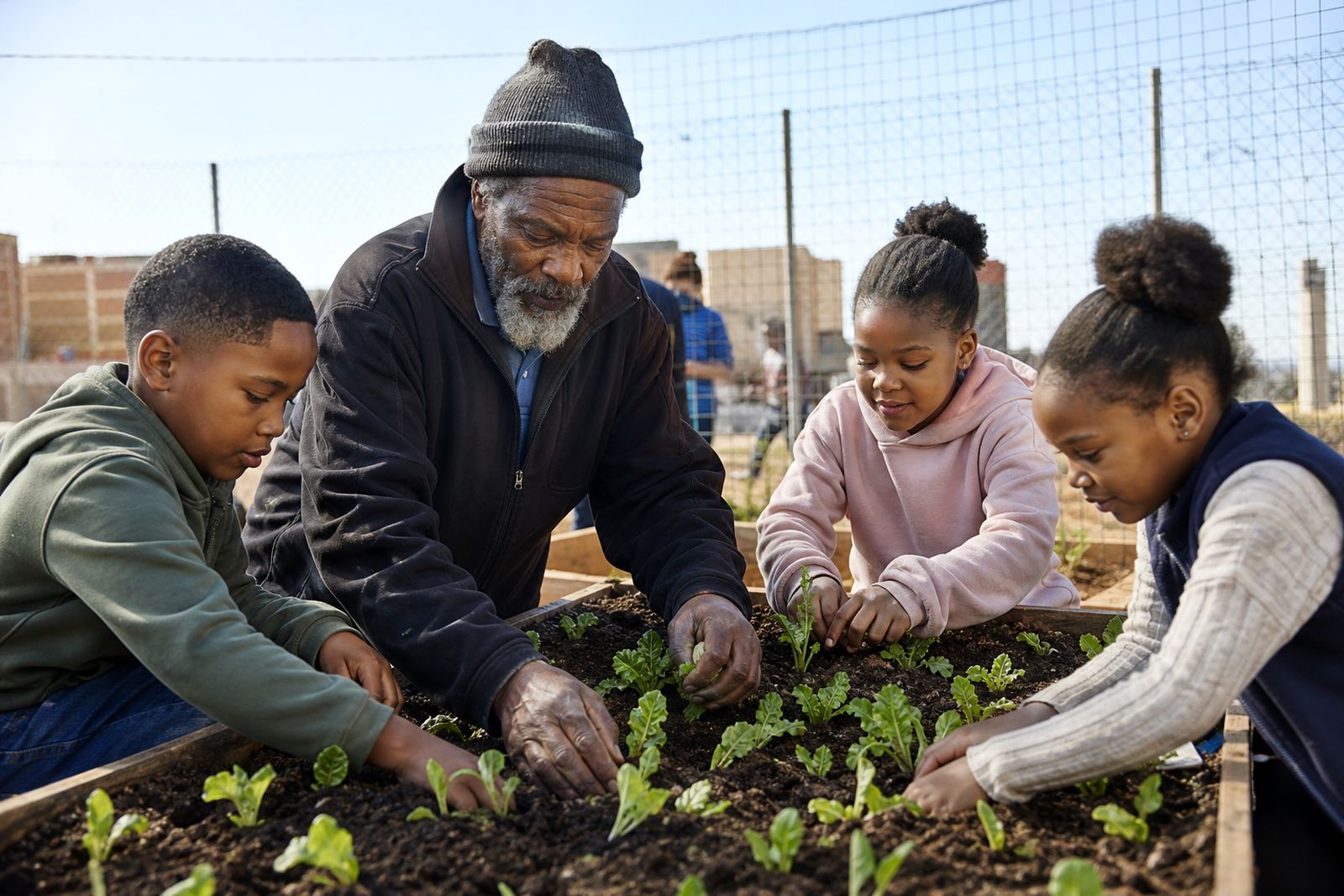
- volunteers who give time to community needs
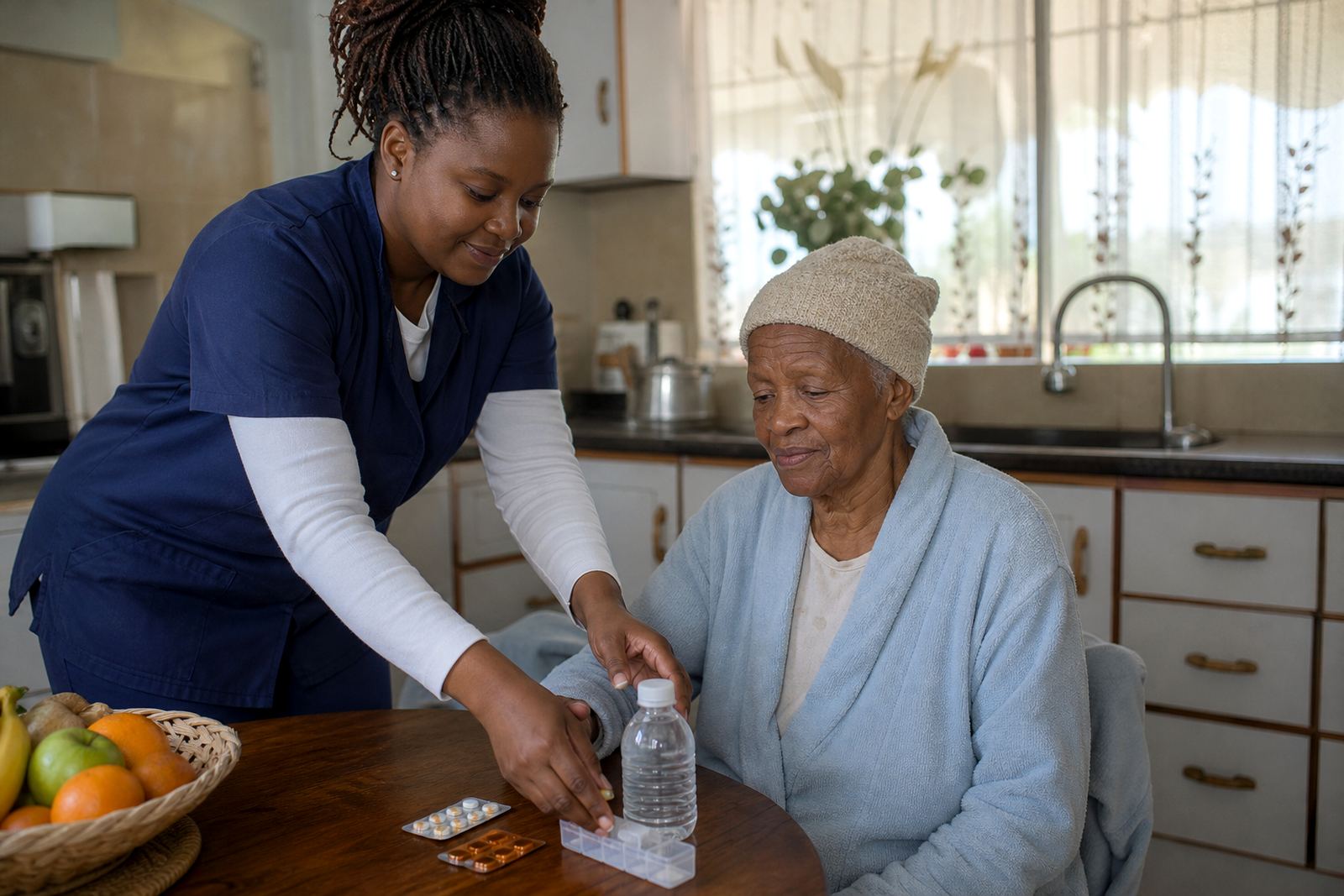
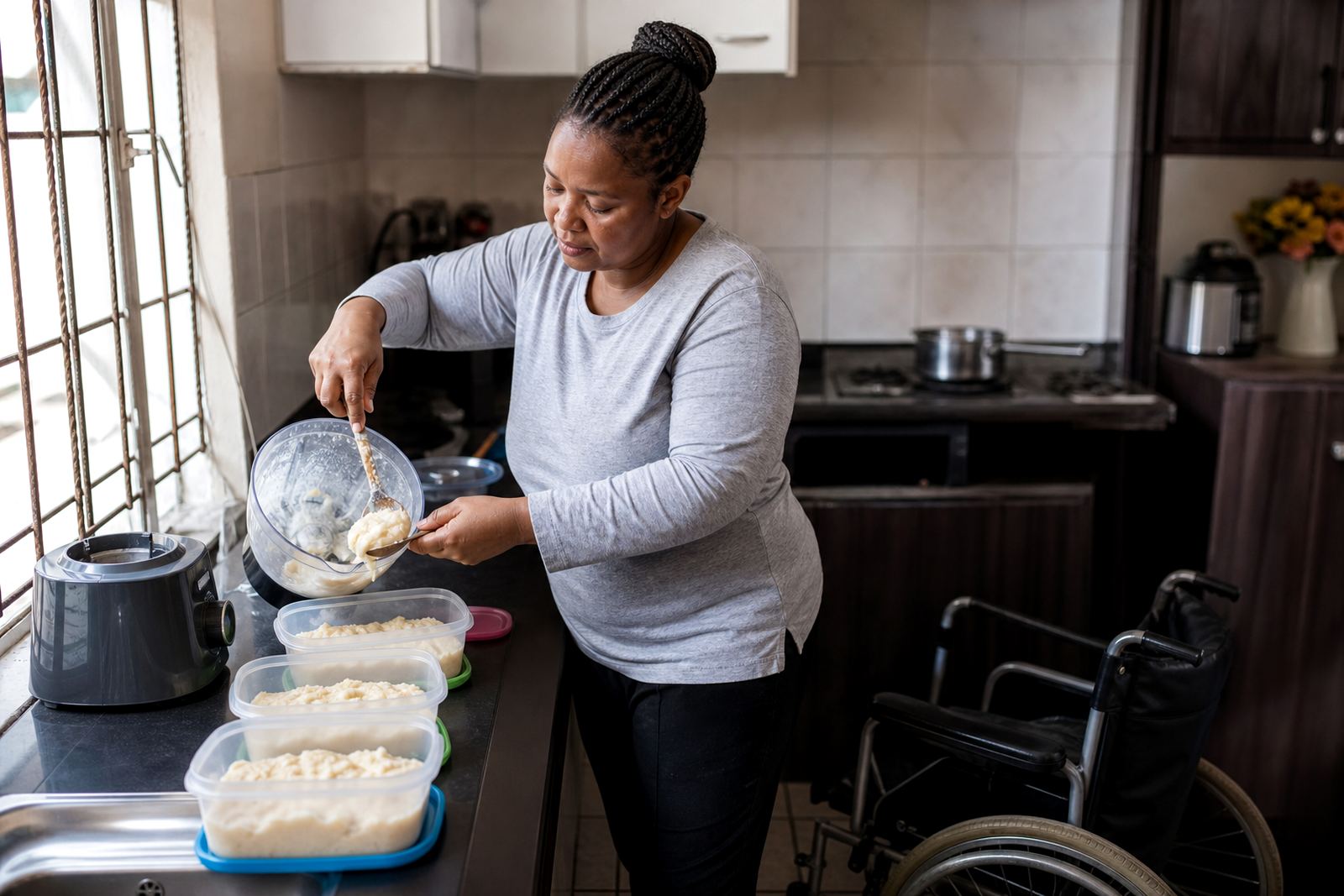
- carers who support children, elders or people with illness or disability
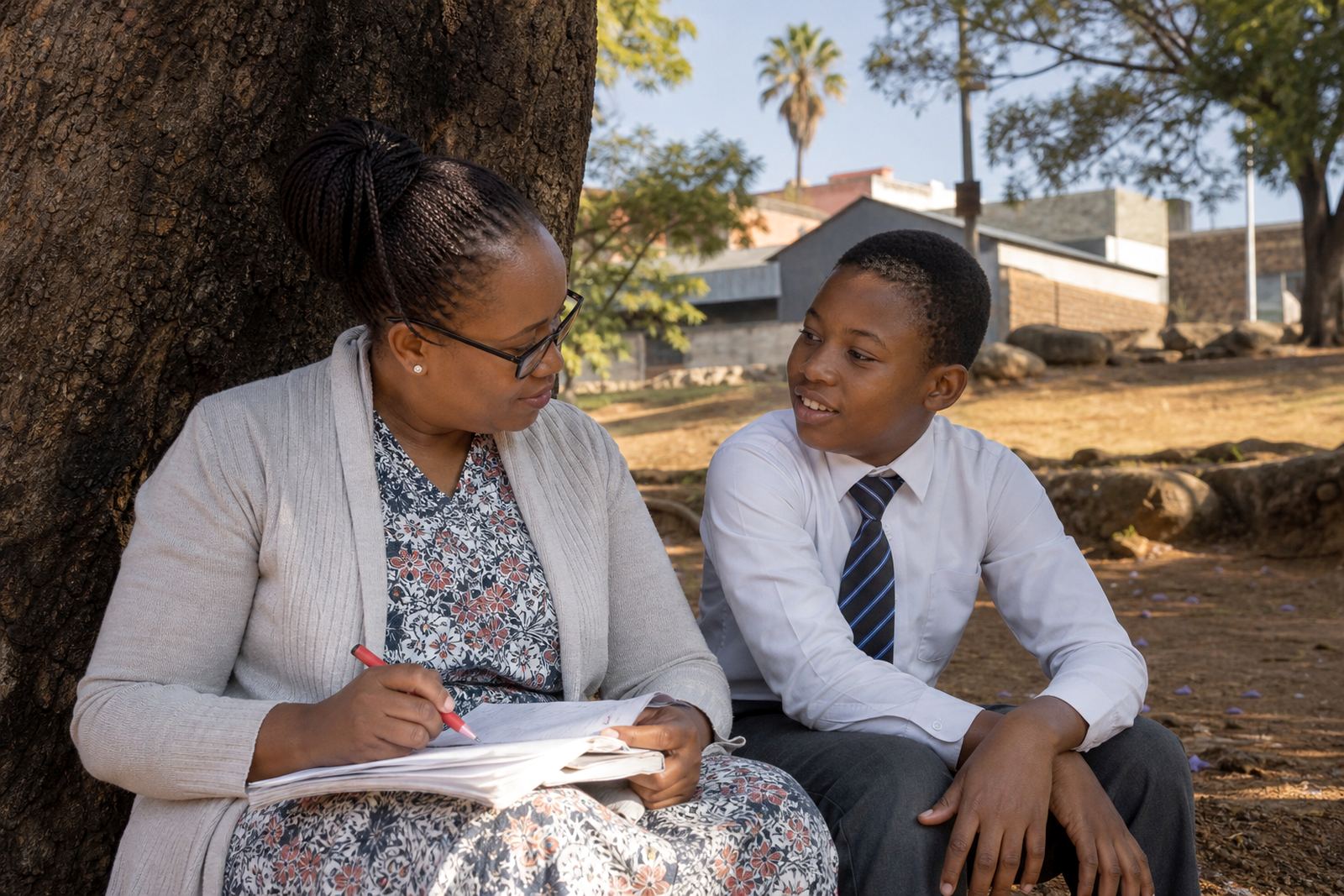
- teachers who go beyond the basic routine for learners
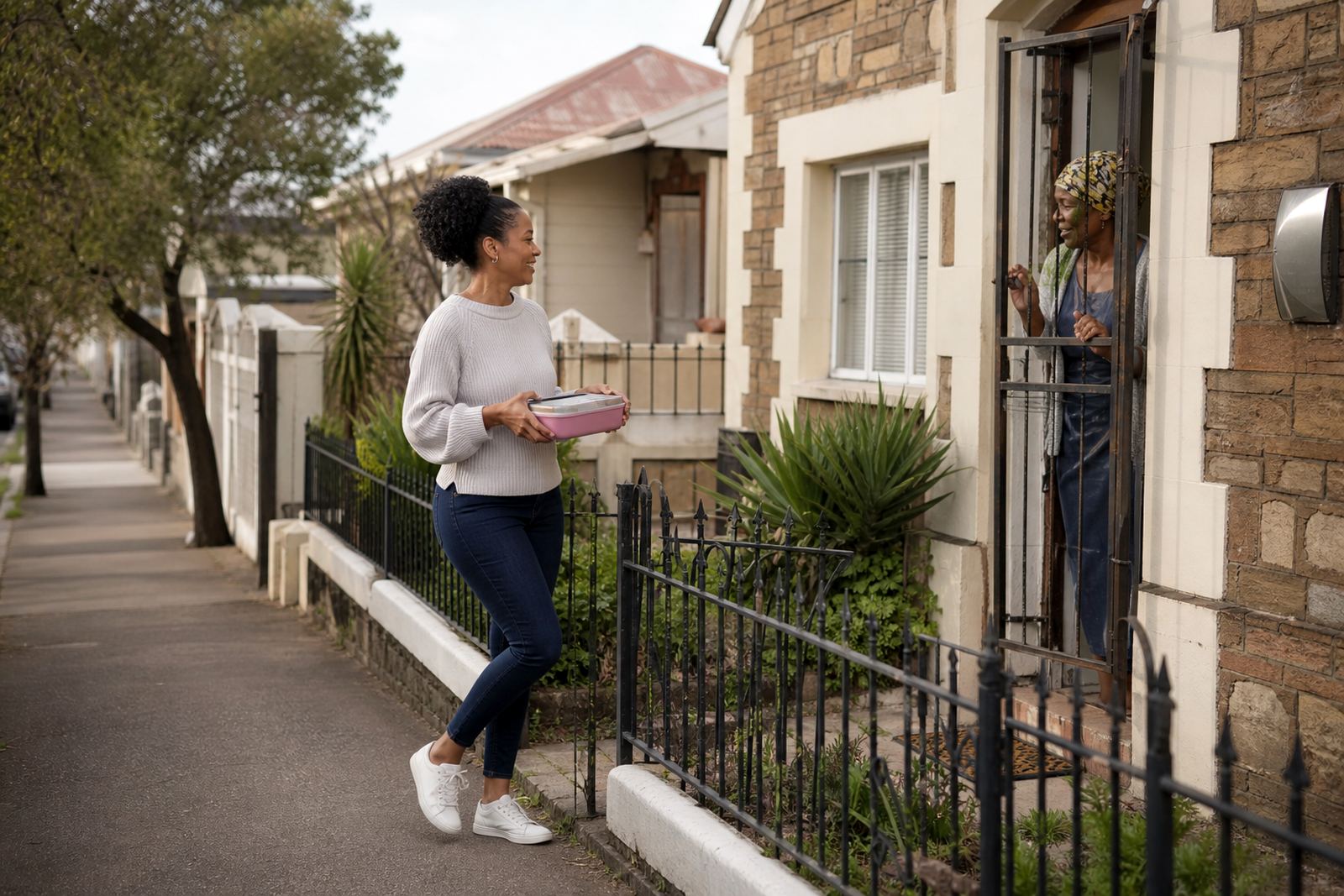
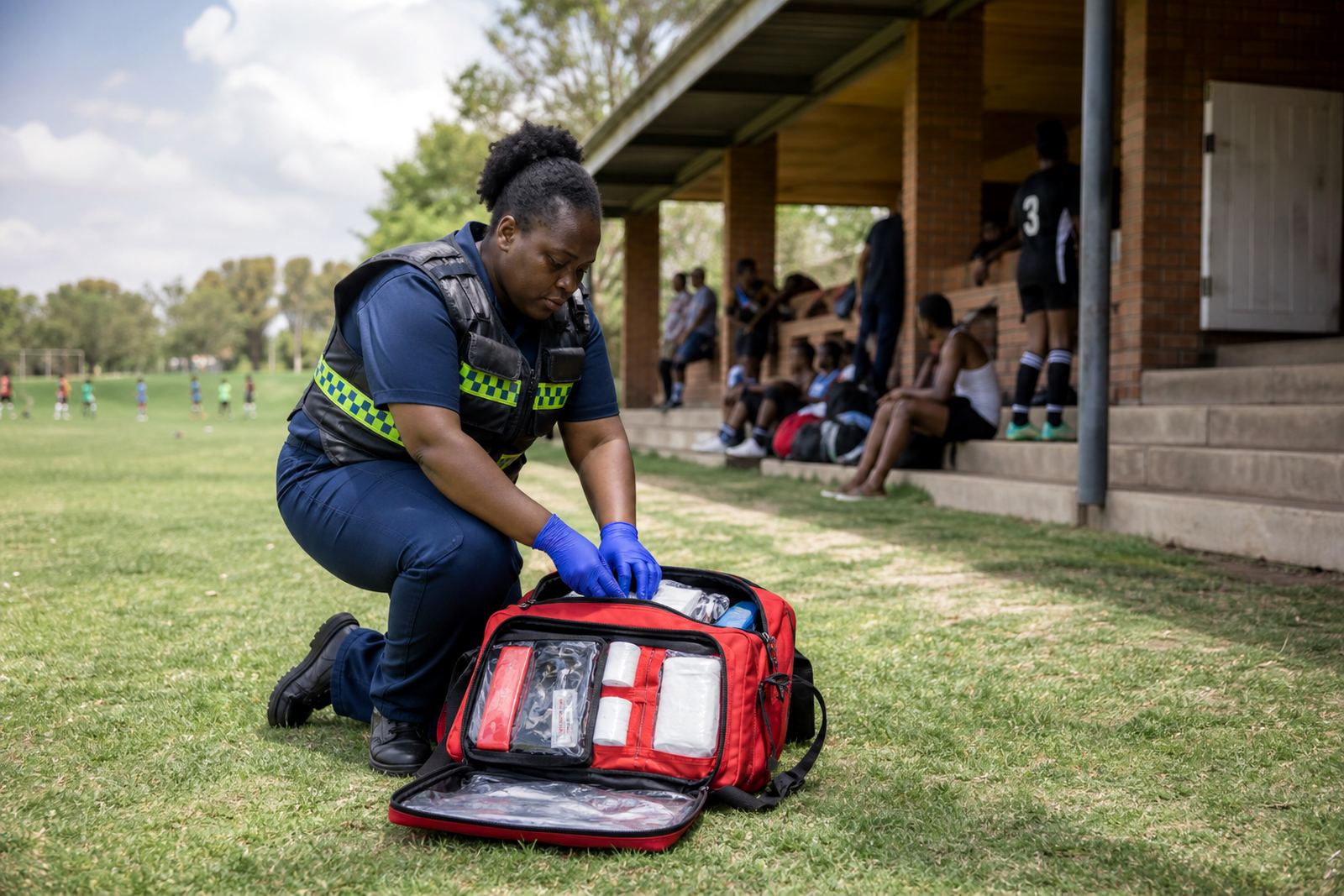
- first responders and safety-minded neighbours who act under pressure
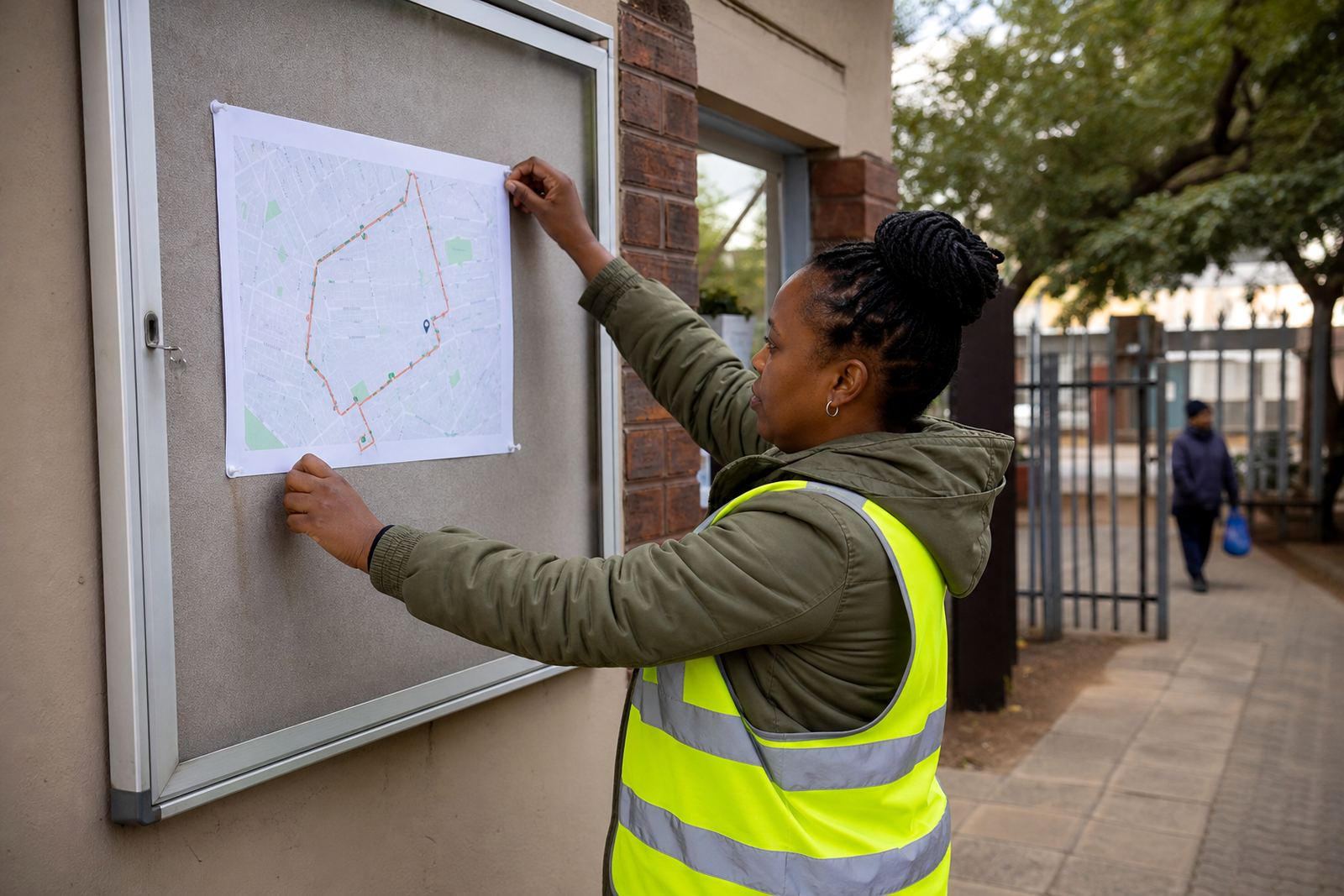
- community organisers who keep local efforts moving
A nominee does not need a formal title, a public following or a long public record. What matters is the substance of the help and the effect it has on others.
When a nomination is likely to be a fit
A strong fit usually has a plain explanation behind it. You should be able to say what the person did, who benefited, and why the action stood out. A nomination with everyday detail is often easier to assess than one built on praise alone.
- describe the action in clear terms
- name the people or group helped, where appropriate
- show what changed because of the nominee's effort
- keep to facts rather than broad compliments
If the person supported others during a difficult period, that context can help. The story still needs specifics, not only sentiment.
When another category may suit better
Sometimes the right nominee is clear, but the category needs a closer look. A person might be a teacher, a carer, or a neighbour who stepped in during an emergency, yet the best way to describe their contribution may differ. That is why the nomination should focus on the actions first, then the label.
If the work is mostly group-based, explain the nominee's part in that effort. If the help happened over time, note the pattern rather than forcing one dramatic moment into the whole story. The judging process is easier when the role is described honestly and in a grounded way.
What helps a nomination stand on its own
A useful nomination is specific, consistent and respectful of the nominee's privacy. It should show enough detail to make sense without turning personal or sensitive matters into the main feature. That balance matters, especially when the person helped children, patients, older people or families facing hardship.
- write the nominee's role in a direct sentence
- include dates or periods if they matter to the story
- say whether the nominee knows about the submission
- leave out unnecessary private details
Good nominations usually read like a brief account from someone who has seen the work first-hand, not a publicity pitch.
Consent, privacy and careful wording
Before you submit, check that the nominee is comfortable with being put forward, especially if personal details or photographs are involved. Consent is part of respectful nomination practice, and it becomes more important when the story includes health matters, family circumstances or any sensitive background.
If the nominee cannot give consent directly, be cautious about what you share. Use only the information needed to explain the nomination and avoid unnecessary identifiers. The programme treats privacy as part of the process, not as an afterthought.