





















Skip to content
Awards Notes
Home / Notes

Awards Notes

These short notes explain the programme in clear, practical terms. They help nominators understand good evidence, respectful wording and the difference between a warm story and a strong nomination.

Strong Nominations

Strong Nominations

A strong nomination explains specific actions, real beneficiaries and clear community value.

Show Real Impact

Show Real Impact

Describe the difference the nominee made rather than only praising their character.

Be Specific

Be Specific

Specific examples help judges understand scale, effort and outcomes more clearly.

Avoid Exaggeration

Avoid Exaggeration

Honest detail is more useful than dramatic claims that cannot be supported.

Plain Language Matters

Plain Language Matters

Simple wording makes the nomination easier to review fairly and accurately.

Regular Help

Regular Help

Repeated service over time can be just as important as one dramatic moment.

Urgent Help

Urgent Help

Quick action in a crisis can be compelling when the facts are explained clearly.

Who Benefited

Who Benefited

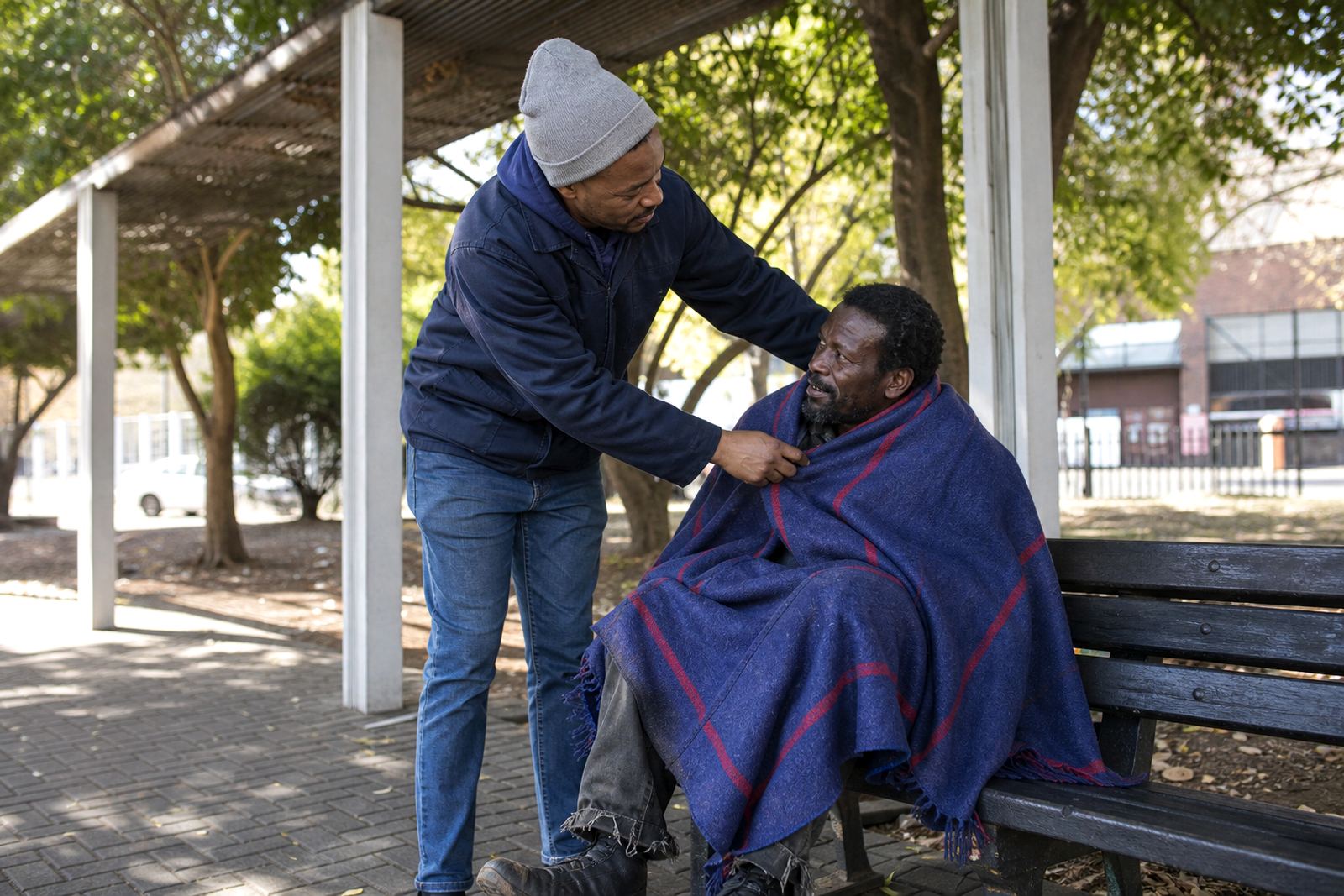
Identify the people or group helped, while sharing personal details carefully.

Why It Mattered

Why It Mattered

Explain why the help changed daily life, safety, dignity or access for others.

Single Act Cases

Single Act Cases

One-off acts may qualify when they show unusual courage, care or initiative.

Long-Term Service

Long-Term Service

Long-term service is strongest when supported by examples from different points in time.

Community Testimonials

Community Testimonials

Short testimonials can add context when they are relevant, truthful and respectful.

Use Photos Carefully

Use Photos Carefully

Photos should support the story without exposing people in a harmful or intrusive way.

Contact Details

Contact Details

Only share contact information that is necessary for the nomination process.

Respectful Wording

Respectful Wording

Write about hardship and vulnerability in a way that protects dignity.

Nominating A Carer

Nominating A Carer

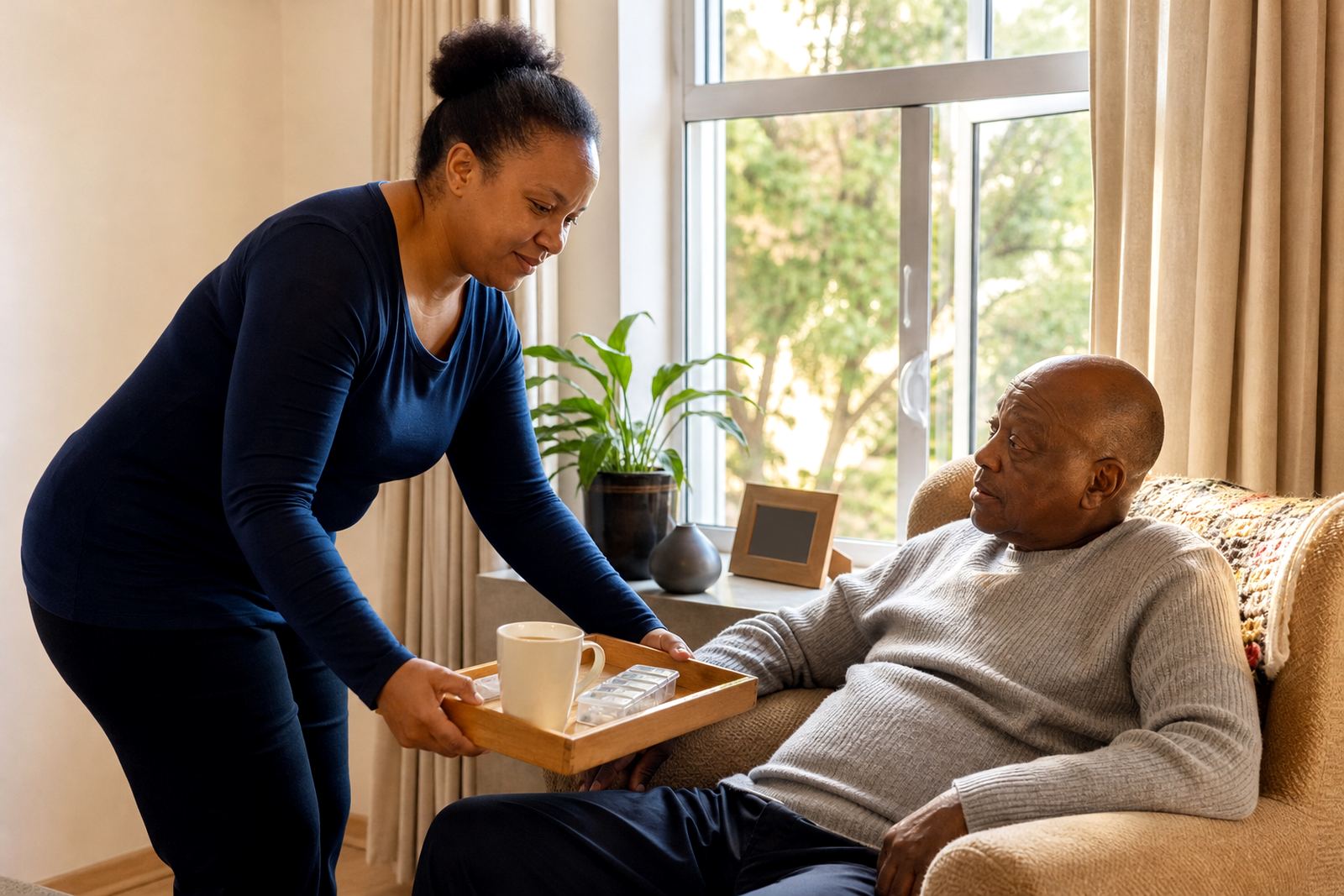
Highlight the daily commitment, patience and unseen responsibilities of caring roles.

Nominating A Teacher

Nominating A Teacher

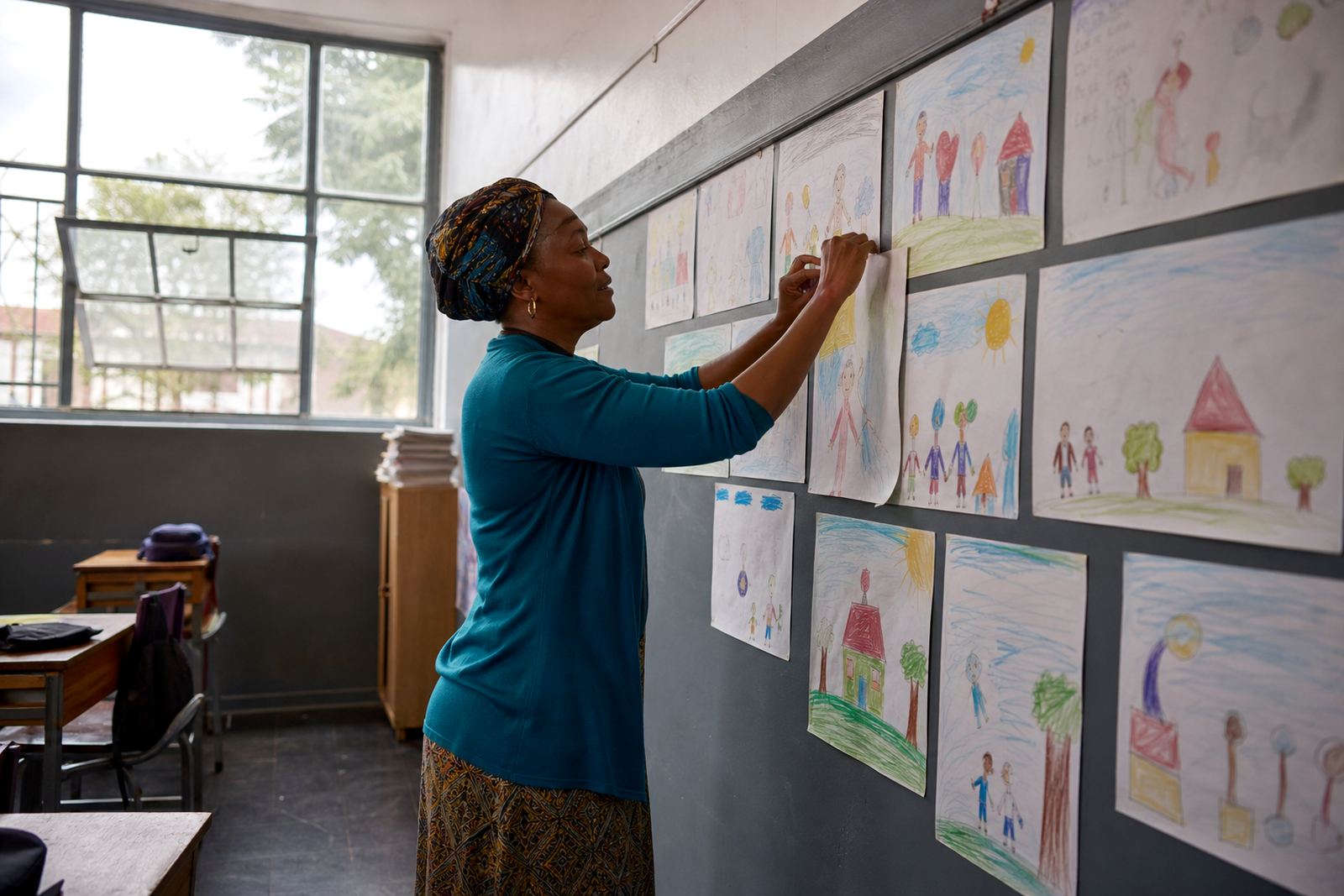
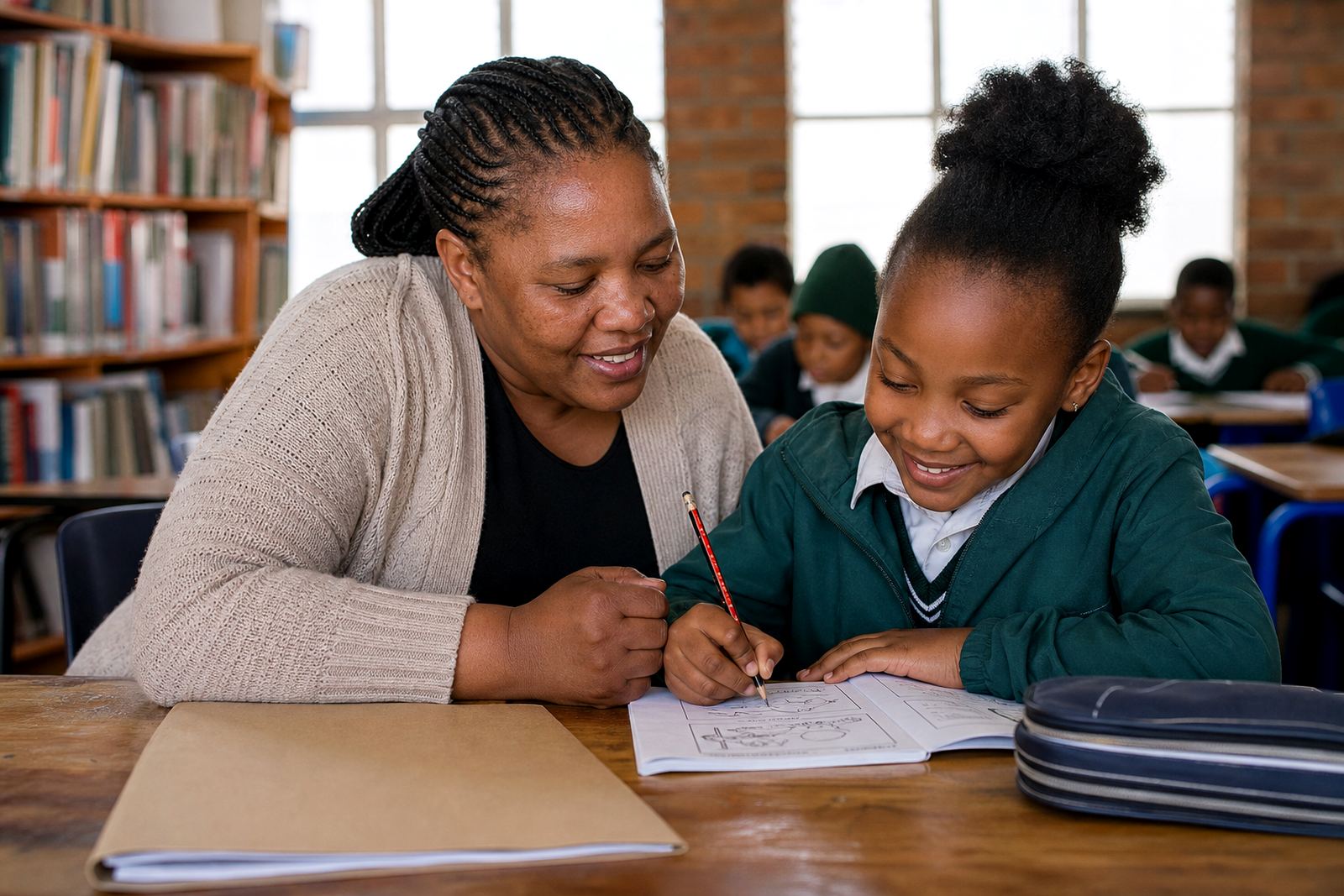
Focus on how the teacher’s effort changes learners’ opportunities or wellbeing.

Nominating A Neighbour

Nominating A Neighbour

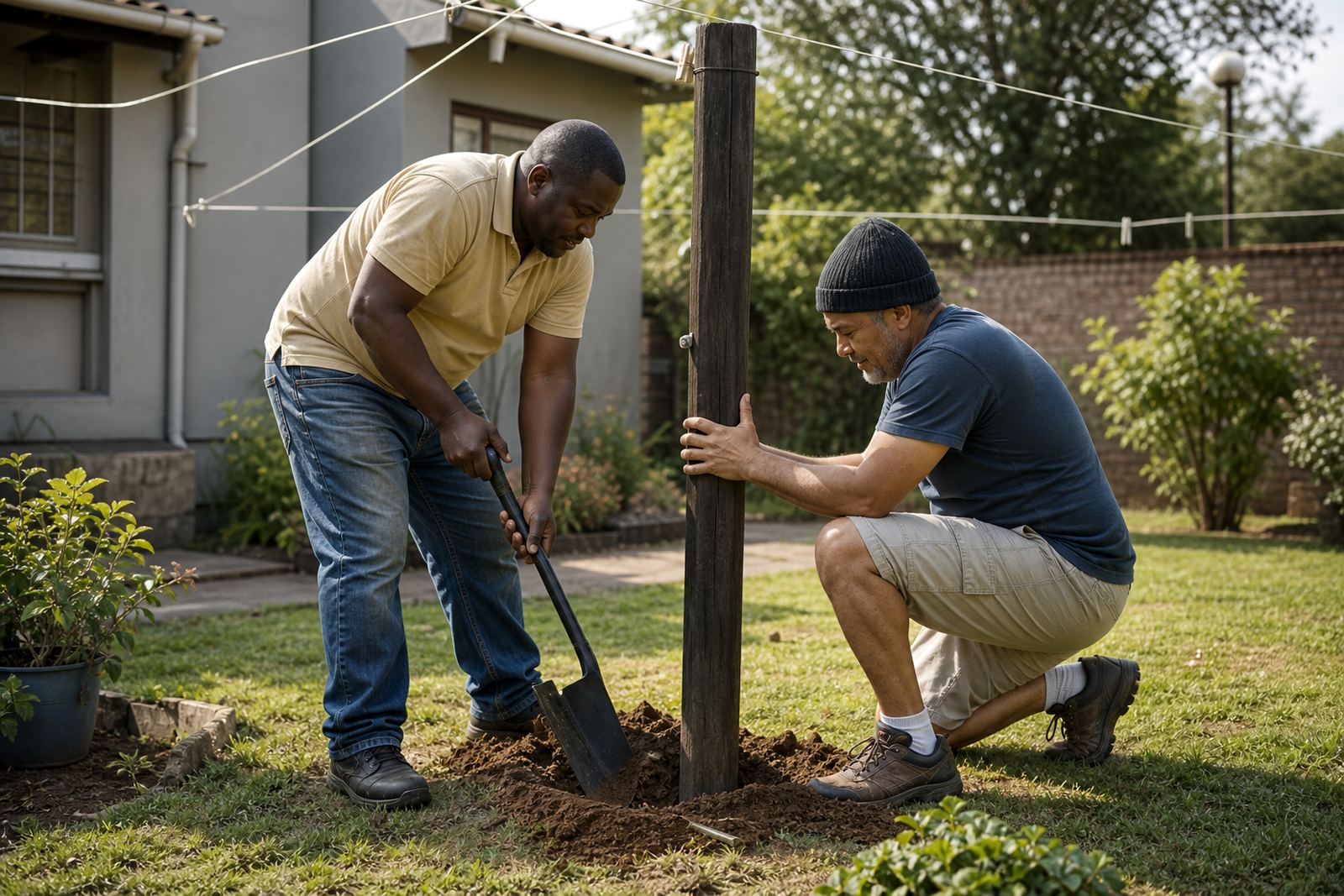
Neighbour nominations work best when they show consistency and practical local benefit.

Nominating A Volunteer

Nominating A Volunteer

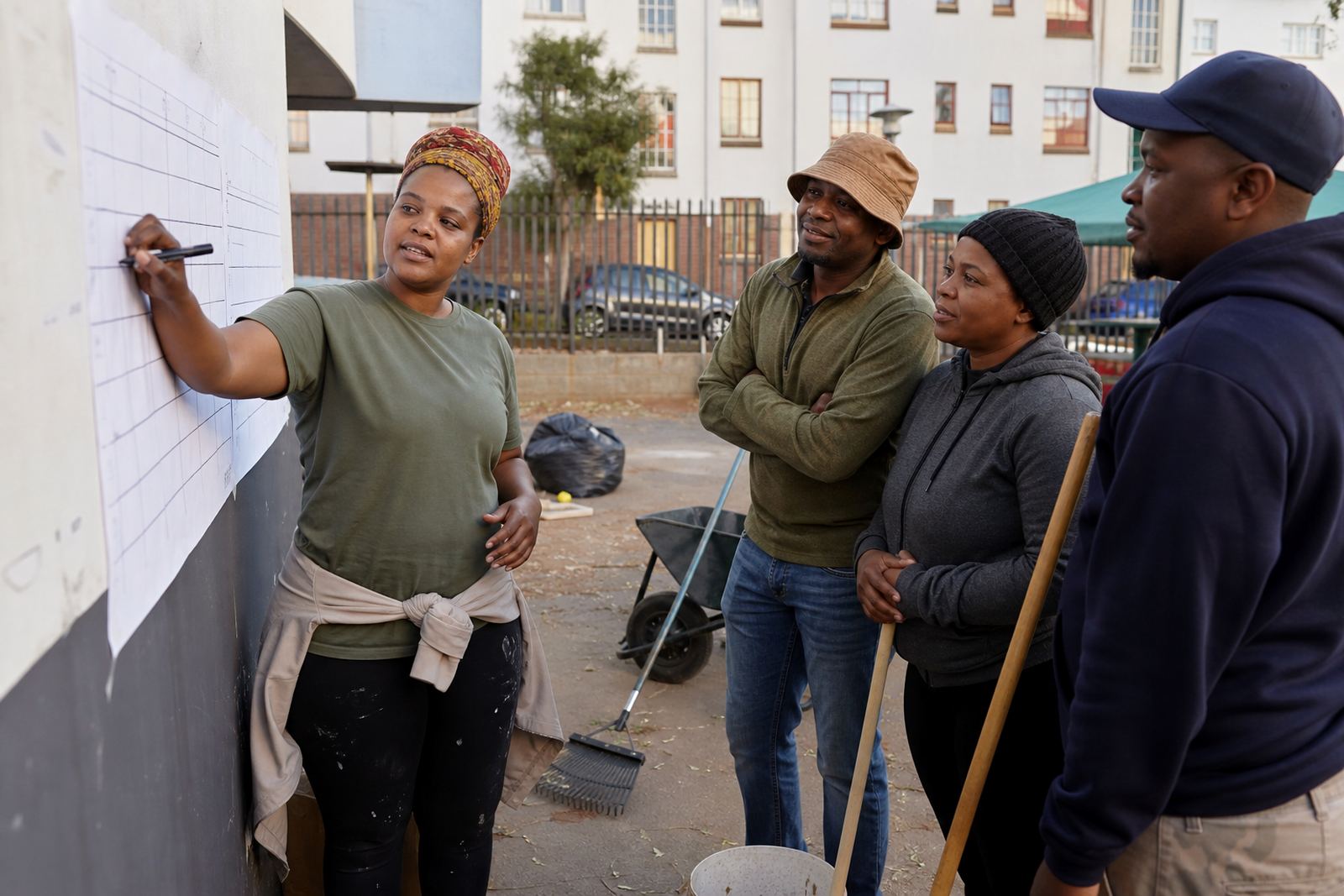
Show what the volunteer actually does and who relies on their contribution.

Nominating A Responder

Nominating A Responder

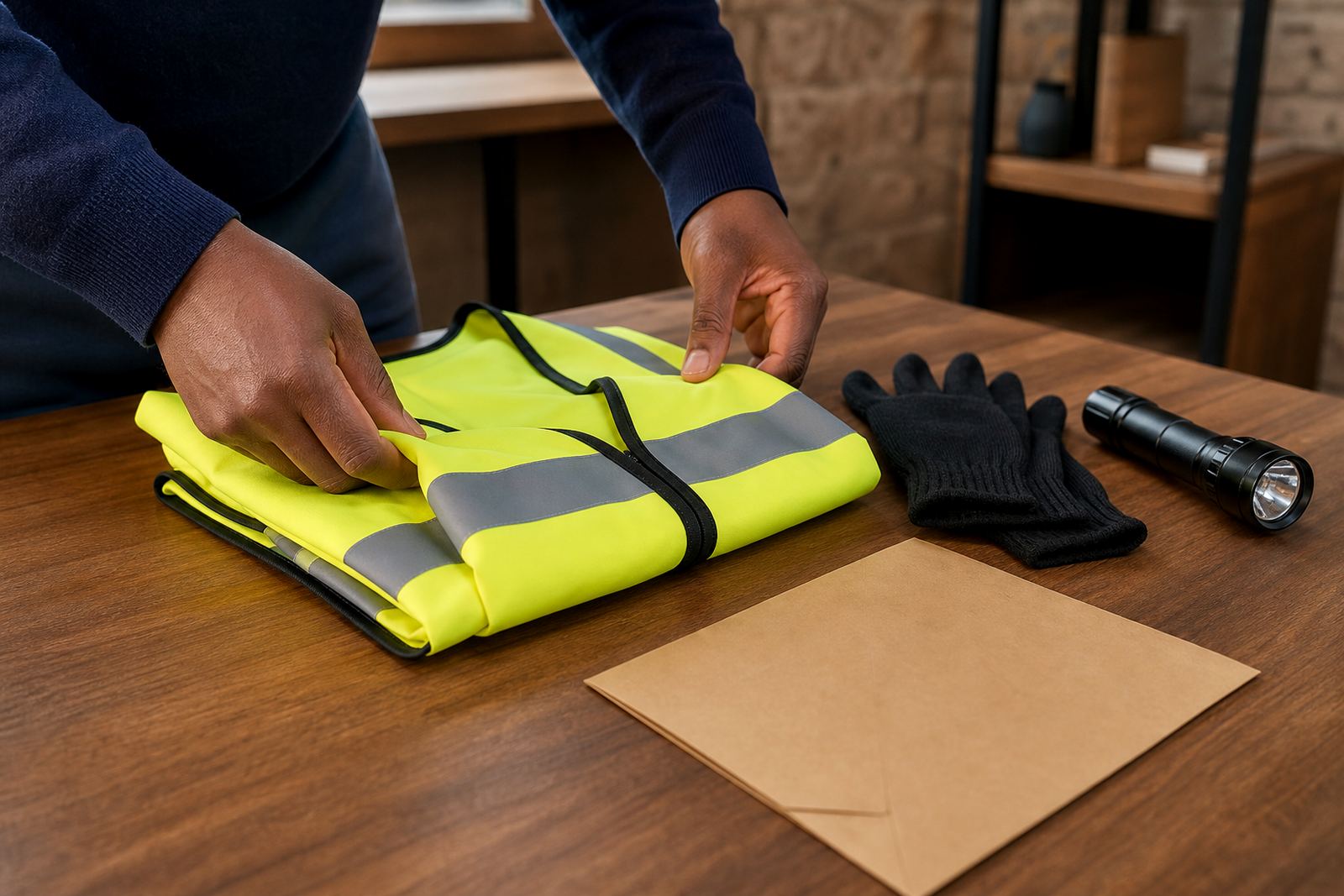
Include what happened, how the person responded and the effect on others.

Family Privacy

Family Privacy

Family circumstances should be described with care and only where relevant.

Get Consent First

Get Consent First

Where possible, inform the nominee before sharing personal stories or images.

Children In Nominations

Children In Nominations

Take extra care when a nomination includes children’s names, images or personal details.

Health Details Care

Health Details Care

Only include health information that clearly helps explain the nominee’s contribution.

Writing About Loss

Writing About Loss

Sensitive subjects like grief should be described gently and factually.

Focus On Actions

Focus On Actions

Judging is helped most by actions, evidence and outcomes rather than admiration alone.

Consistency Counts

Consistency Counts

Steady service over months or years can show deep commitment to others.

Initiative Counts

Initiative Counts

Judges may look for people who acted without waiting to be told.

Care And Dignity

Care And Dignity

The manner of the help matters as much as the task itself.

Local Relevance

Local Relevance

Strong nominations show how the contribution fits the needs of that community.

Limited Resources Help

Limited Resources Help

Helping others despite limited means can show unusual determination and generosity.

Working With Others

Working With Others

Some nominees stand out because they bring people together around practical solutions.

Quiet Service

Quiet Service

Not all heroes are visible, and understated service can still be deeply meaningful.

Leave Some Out

Leave Some Out

Exclude rumours, unrelated achievements and private details that do not help the case.

Edit Before Submit

Edit Before Submit

A quick review can improve clarity, accuracy and respectful wording.

Common Gaps

Common Gaps

Many weak nominations miss dates, examples or clear explanation of impact.

What Judges Look For

What Judges Look For

Judges generally look for credible detail, meaningful impact and authentic community care.

Fair Comparison

Fair Comparison

Categories and criteria help compare different types of service as fairly as possible.

Anonymous Review Basics

Anonymous Review Basics

Some review stages may limit unnecessary personal detail to support fairness.

Start With The Person, Then The Proof

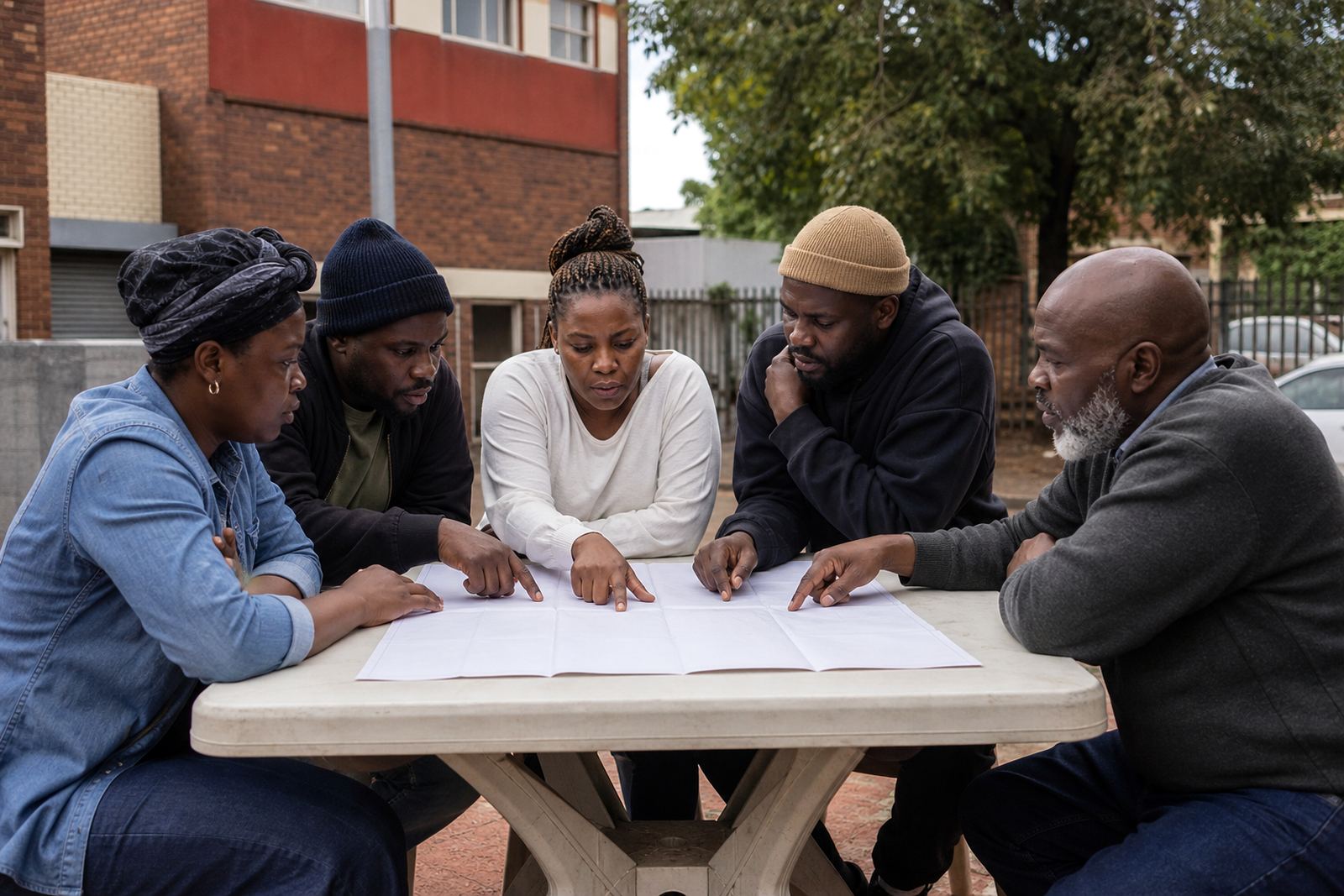
A good nomination begins with a clear picture of the person and the help they give. Tell us what they did, who benefited, and how the support showed up in daily life. A strong entry sounds specific, not dramatic. It names the place, the people involved, and the kind of effort that makes a difference in a suburb, township, school, clinic, church group or neighbourhood.

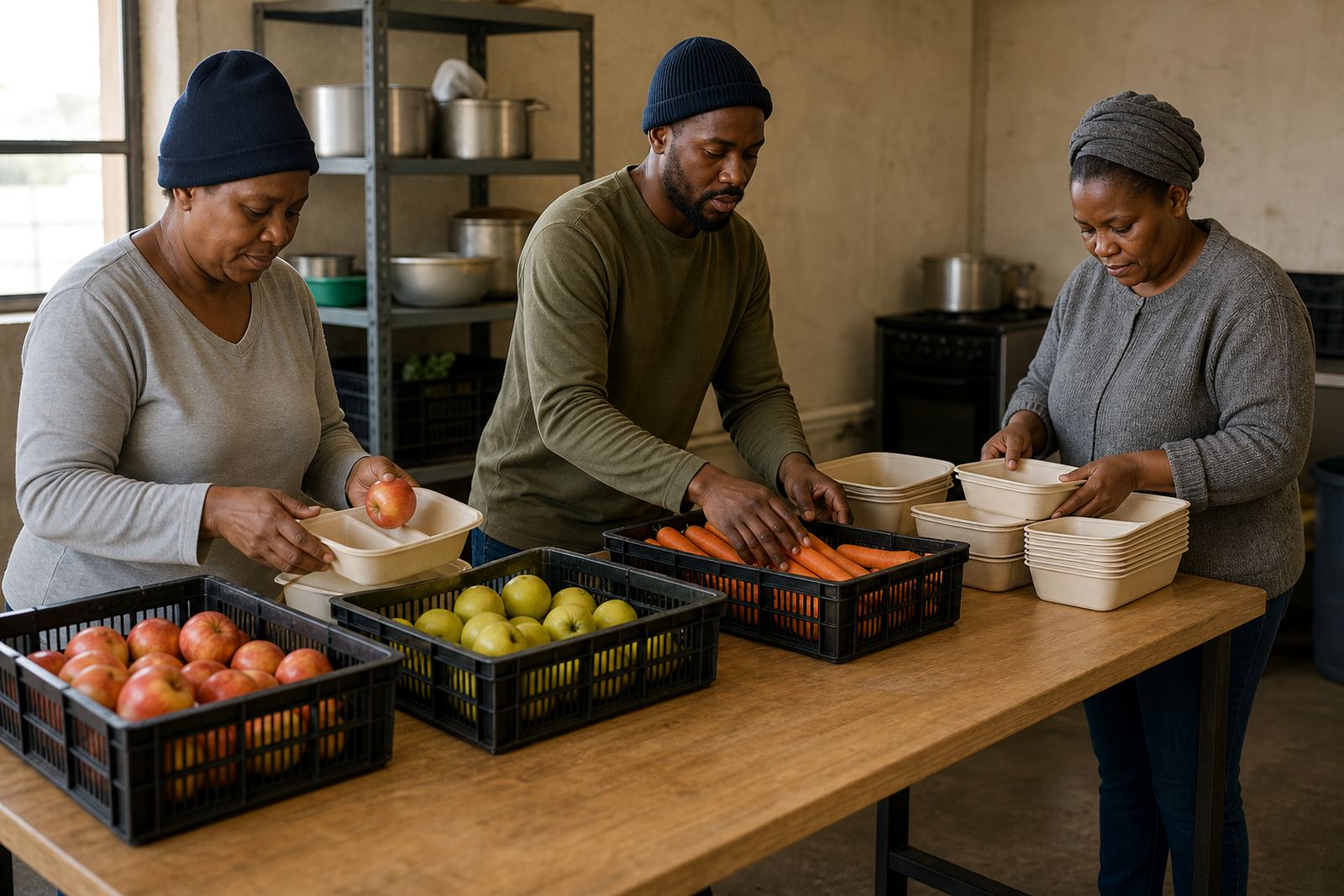
Across Johannesburg, Cape Town, Durban, Gqeberha and Polokwane, the strongest nominations usually stay close to real moments. A volunteer who organised food parcels. A carer who checks in after hours. A teacher who stayed after class to help a learner catch up. A neighbour who stepped in when the pressure rose. Those details carry more weight than broad praise.

  • Use plain facts first, then add a short personal story.
  • Name the community, street, school or organisation where the help happened.
  • Show what changed for other people, not only how admirable the nominee seems.

Useful Evidence That Holds Up In Review

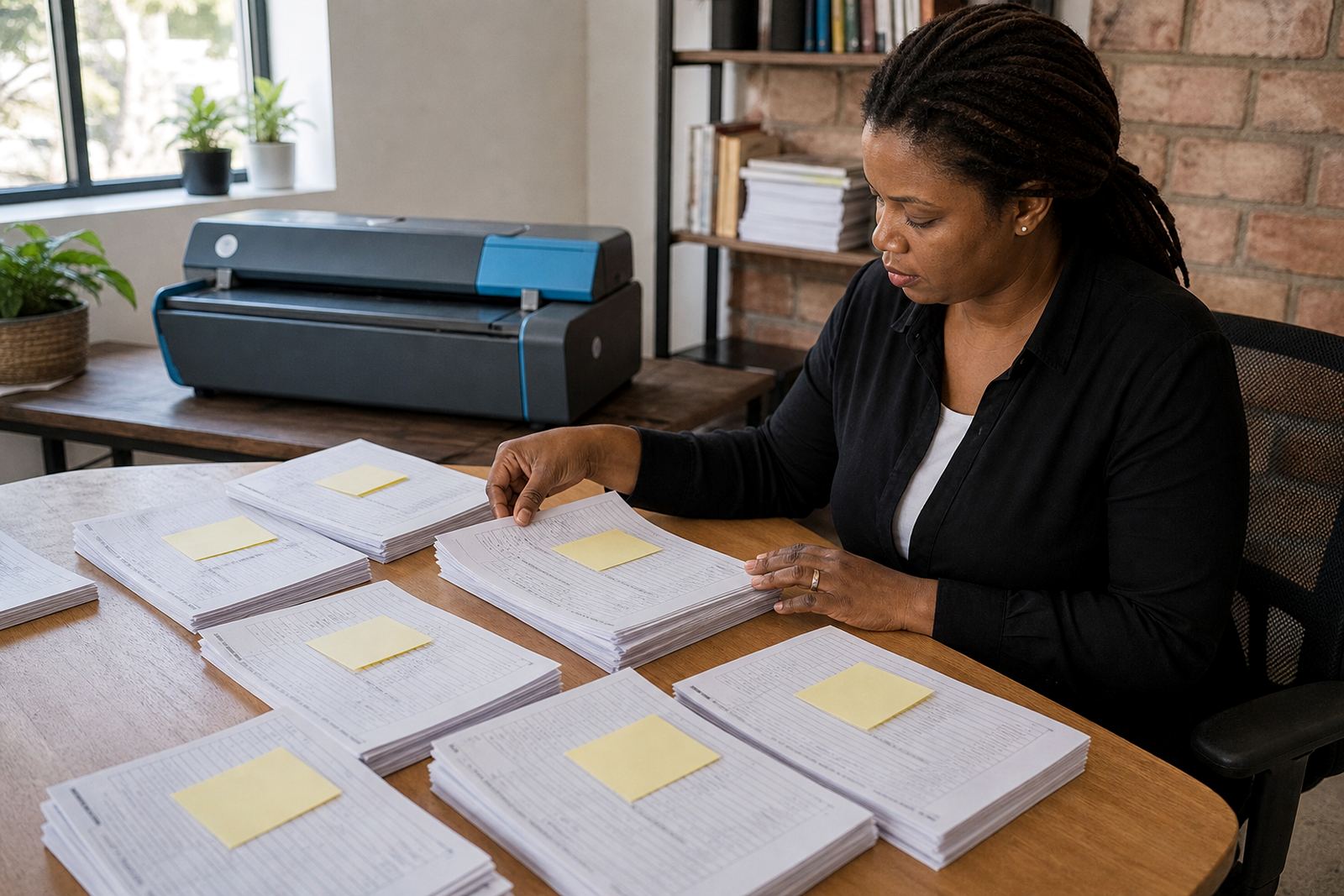
Evidence does not need to be complicated. Photos, letters, voice notes, screenshots, community messages and short written accounts can all help, if they clearly match the story you are telling. The review process looks for consistency between the nomination text and the supporting material.

When possible, include dates or time periods in ordinary language. A note about a winter food drive, a school transport run, or weekly visits to an elderly neighbour gives useful context. If you have several examples, choose the ones that show steady service rather than a single moment that is easy to describe but hard to verify.

  • Choose material that shows the nominee in action.
  • Keep copies clear and readable where names or places appear.
  • Avoid sending unrelated files that do not help the review.
  • Leave out anything that could expose another person without good reason.

Consent, Privacy And Sensitive Details

The nominee should know their name is being submitted and should agree to it where possible. That matters because a public nomination can draw attention, and not every person wants their story shared in the same way. If the nominee is unable to give direct consent, explain the situation carefully and only submit what is appropriate.

Privacy is treated seriously. Keep personal contact details out of public wording, and think twice before adding medical notes, family disputes, address details or anything that could place someone at risk. The Privacy and Consent Officer works with the team on questions that involve personal information, and the programme keeps sensitive material limited to what is needed for the nomination itself.

  • Use the nominee’s full name only when consent has been given.
  • Share private details only when they are truly relevant.
  • Keep children, patients and vulnerable people protected in your wording.

How The Judging Criteria Read On Paper

Judging is based on plain criteria that can be read in the nomination itself. Reviewers look for clear community benefit, steady effort, local relevance and honest support from the evidence. A nomination does not need to sound polished. It does need to make sense, with enough detail for the judging process to understand what happened and why it matters.

Some entries are strong because they show long-term care. Others stand out because they describe a difficult moment where someone stepped in without being asked. Either way, the story should remain grounded. The programme is not looking for the loudest account. It is looking for proof that the person helped others in a real and useful way.

If you are unsure where a nomination fits, the team in Braamfontein can still help you work through the structure through our contact form. The same applies to nominations from the branch areas linked to Gauteng, the Western Cape, KwaZulu-Natal, the Eastern Cape, Limpopo, the Free State, North West and Mpumalanga.

What To Update After Submission

Sometimes a nomination needs a small correction. A name may have been misspelled, a date may need tightening, or a supporting note may need to be clarified. Keep updates short and focused on the facts. Do not rewrite the whole story if only one section has changed.

Public questions usually focus on the shape of the nomination, the use of evidence, or whether the nominee has seen the entry. After you submit, keep an eye on the details you entered so any follow-up is easy to explain. That makes the review process cleaner and helps the nomination stay consistent from start to finish.

  • Update spelling, dates or context if something was entered incorrectly.
  • Send the corrected information with the same nominee details.
  • Keep the wording steady if the story has not changed.

When A Short Story Needs More Substance

A warm tribute is a good start, but a strong nomination needs more than praise. It should show what the nominee did, who felt the benefit, and how often the help showed up. That is the difference between a nice message and a nomination that can be properly read and considered.

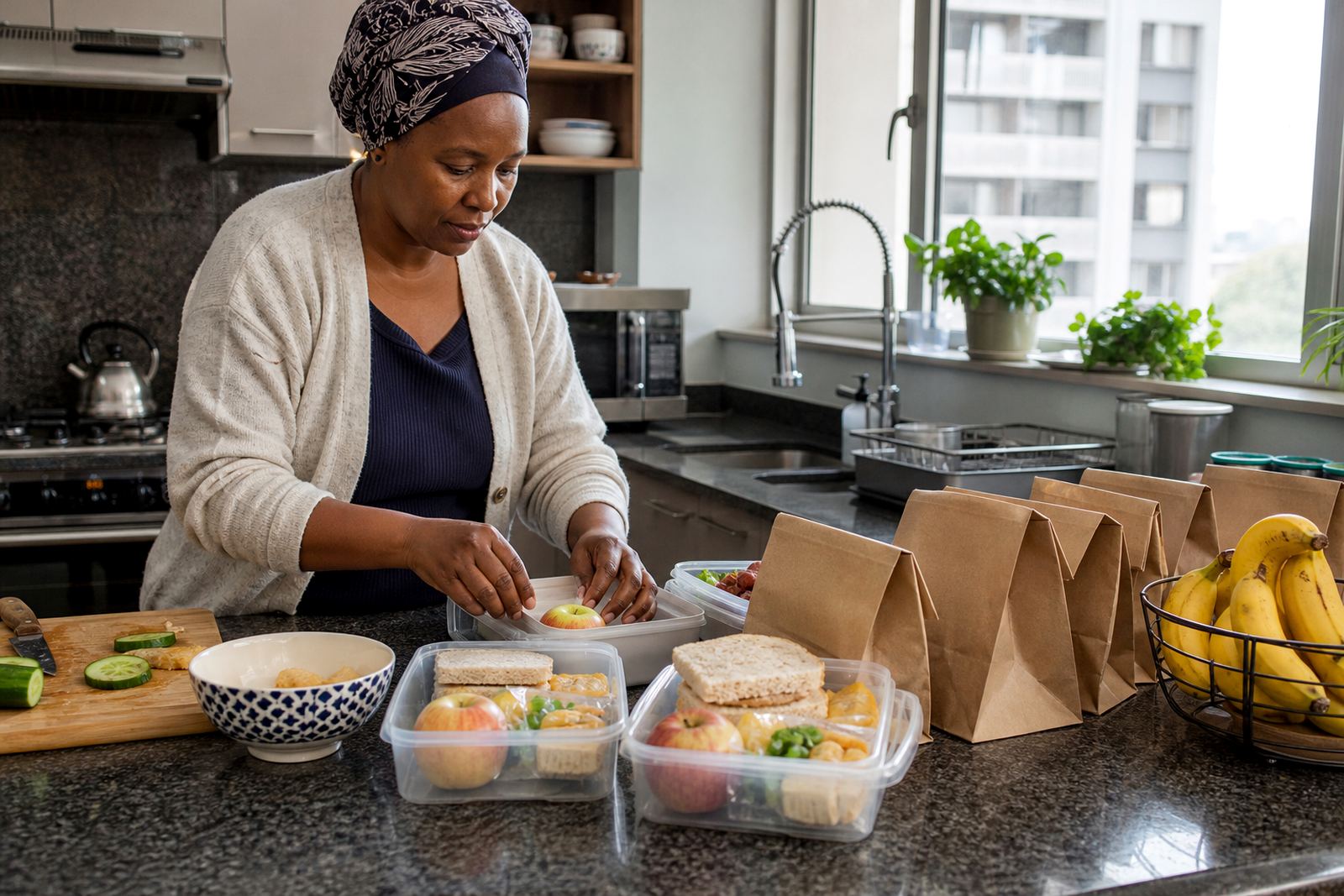
If your first draft sounds too general, add one or two concrete moments. Mention the meal delivered to a family in crisis, the lift to a clinic, the extra reading help after school, or the neighbour who checked in through a hard month. Specific examples make the story stronger without making it feel formal or stiff.

Thandeka Nomvula Mokoena leads the programme from Braamfontein, Johannesburg with Kagiso Daniel Molefe, Ayesha Fatima Khan, Siphesihle Zanele Dlamini, Pieter Jacobus van Wyk and Lerato Michelle Maseko supporting the nomination flow, outreach, judging notes and privacy checks.

Nomination questions

How do I know if a nomination is strong enough?

A strong nomination names the person, explains the help they gave and includes one or two clear examples that match the story. It should read like a real account, not a vague tribute.

Do I need the nominee’s consent before submitting?

Yes, where possible. The programme treats consent as important because a nomination can place a person in the public eye, so private details should only be shared when needed and appropriate.

What kind of evidence helps most?

Short written notes, photos, messages and other material that matches the story can help. The most useful evidence is clear, relevant and tied to the person, the action and the community benefit.

Know someone who keeps your street going? Put their name forward.

Contact form