What the First Responder category is built for
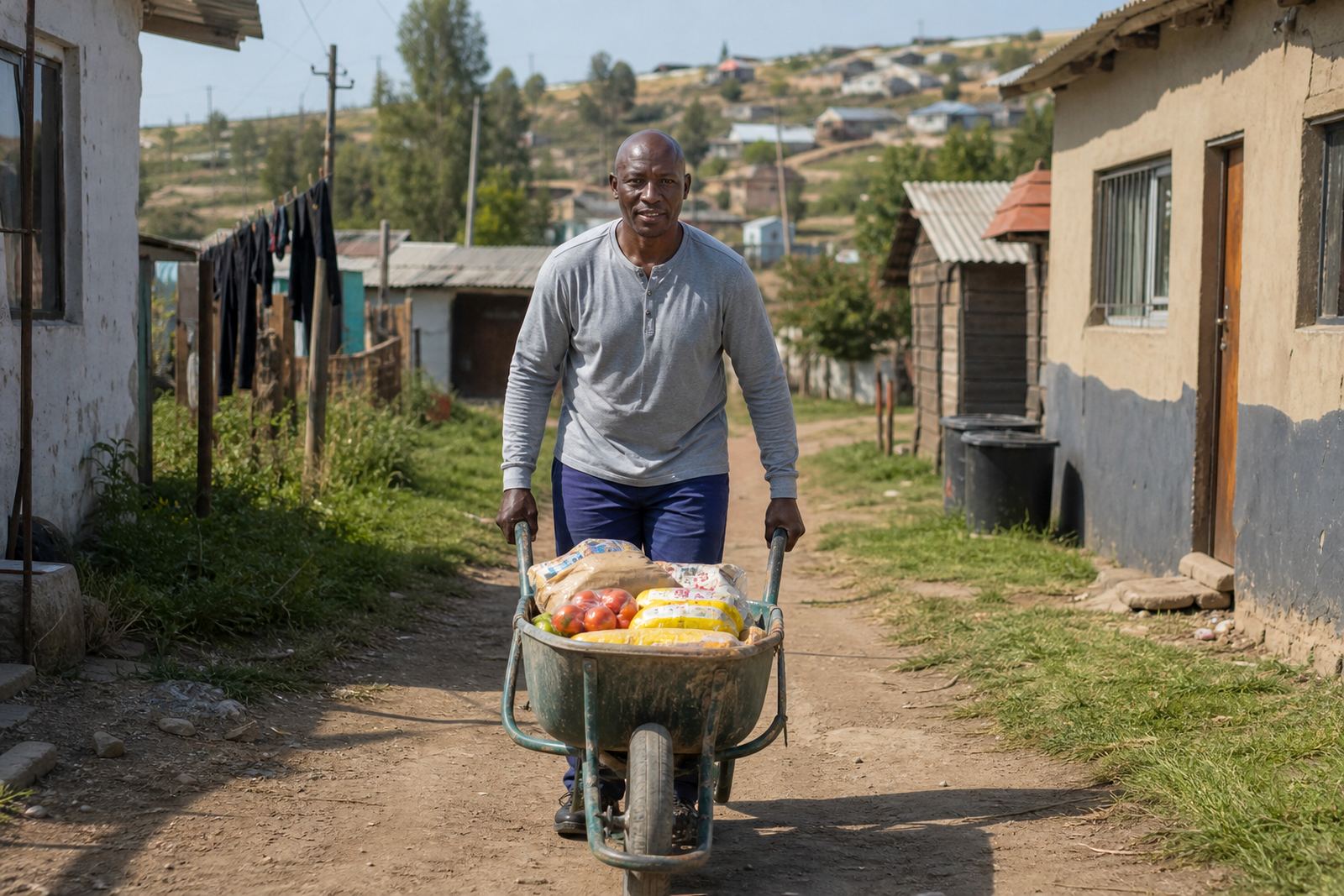
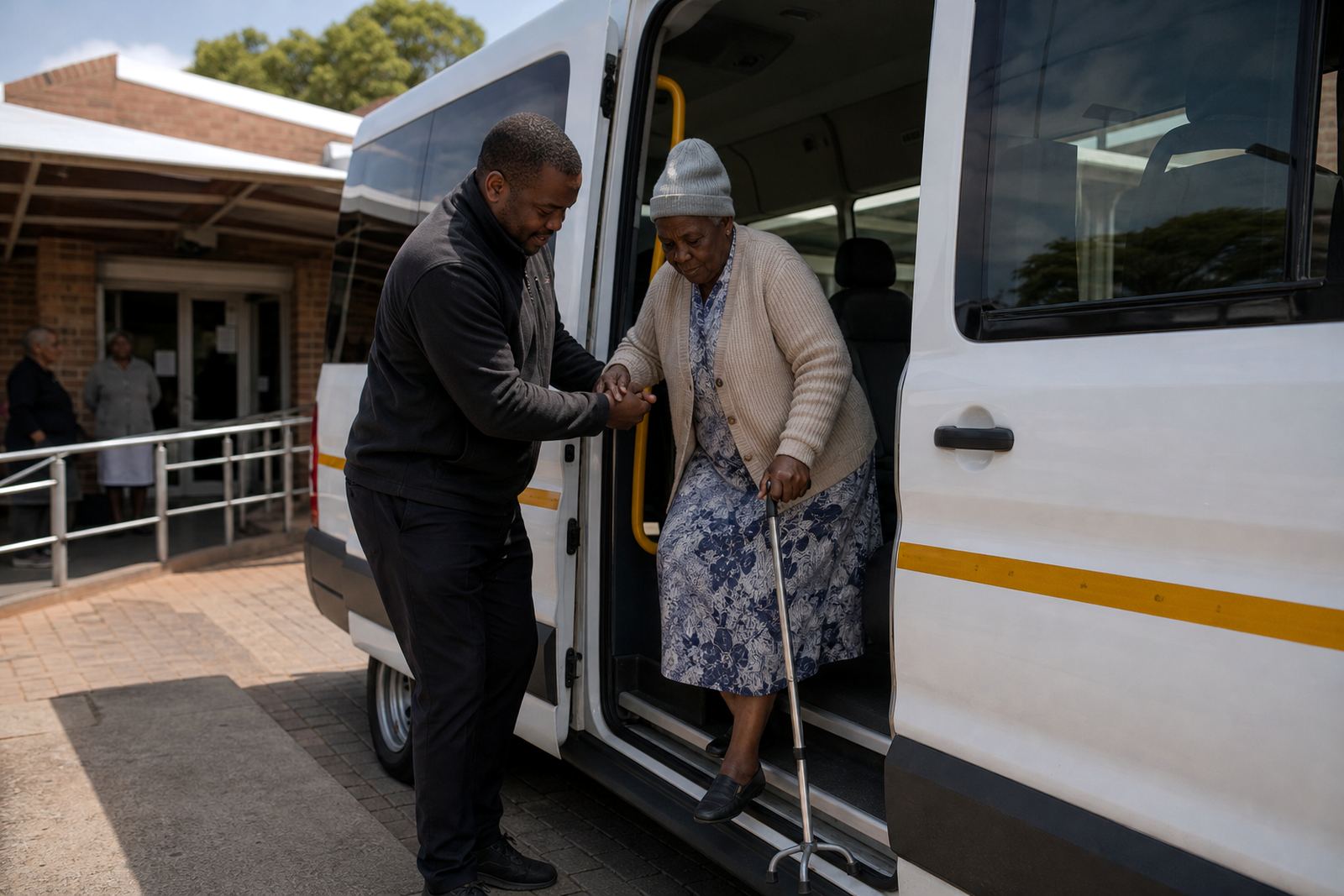
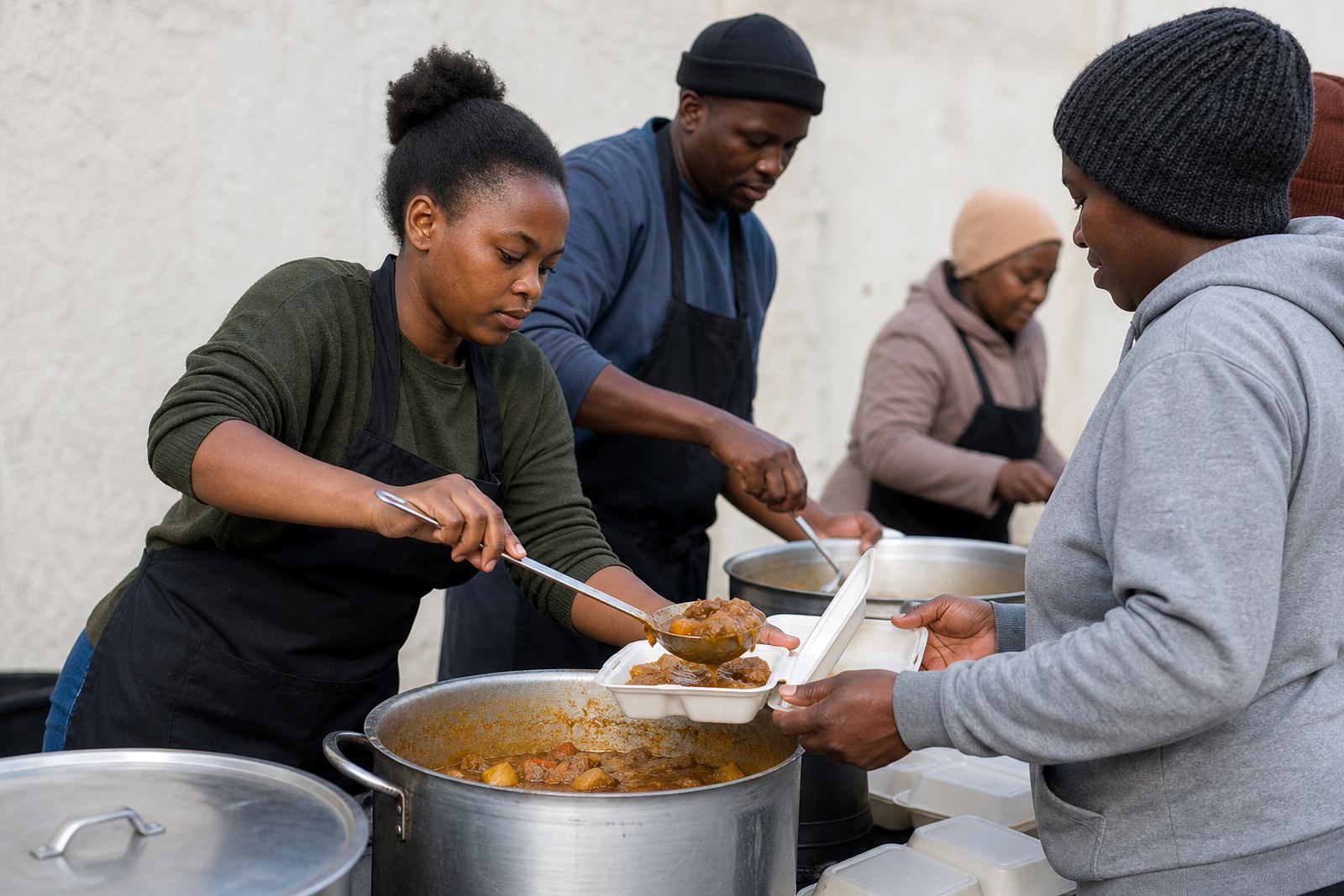
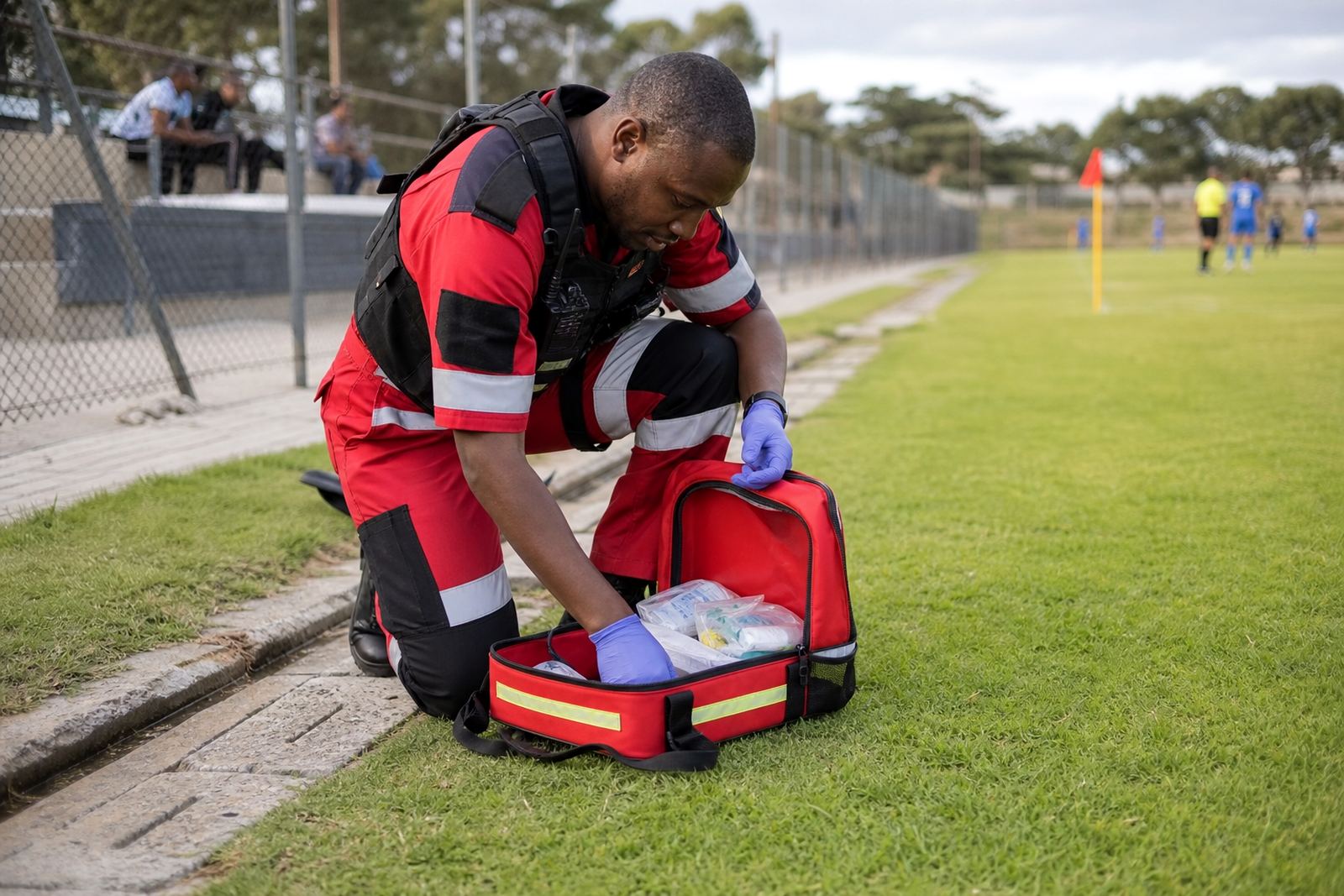
This category is for everyday South Africans who step in during urgent moments and help keep others safe. That may be a neighbour who starts CPR support until help arrives, a teacher who manages a school emergency, a volunteer who directs traffic after an accident, or a community member who keeps people calm and organised while services are on the way.
The programme looks for actions that are clear, practical, and grounded in real conditions. A strong nomination does not need fancy wording. It needs a straight account of what happened, where it happened, and what the nominee did that made a difference. If there were witnesses, a chain of events, or a follow-up role after the emergency, include that too. The more direct the account, the easier it is to assess fairly.
- Use the nominee’s full name and location if possible.
- State the incident type in plain language.
- Explain the part they played from start to finish.
- Add dates, places, and witness details where relevant.
How to put a nomination together properly
The nomination form asks for the basics first, then the story behind the action. Start with the nominee’s details, your contact details, and the community or area where the incident took place. After that, write a short but complete account of what happened. Keep it factual. Avoid guessing about motives or stretching the story to make it sound bigger than it was.
Useful evidence can include witness statements, photos where appropriate, incident references, or any written account that helps place the event. For a First Responder nomination, evidence matters because emergencies move fast and memory can blur details. If you do not have formal paperwork, a careful written account from someone who saw the event may still help. The aim is to show that the nominee’s actions were real, specific, and helpful under pressure.
- Give the full sequence of events if you can.
- List everyone involved by role, not just by name.
- Attach only relevant supporting material.
- Check spelling on names, places, and organisations.
Judging checks for this kind of nomination
Judging looks at more than a dramatic moment. The panel checks whether the person took useful action, whether the story is supported, and whether the help was relevant to the emergency described. A good nomination shows immediate action, calm judgement, and practical support for other people in the scene. It also shows that the nominee was not simply present, but genuinely helped in a measurable way.
Consistency matters. If the account changes between the written story and the supporting material, it becomes harder to assess. The panel also considers whether the nomination is about a one-off action or a pattern of help that fits the category. Not every emergency is the same, so the account needs enough context for the judging team to understand the setting, the risks, and the outcome as it was reported.
- Look for clear action, not vague praise.
- Keep the account consistent across all fields.
- Show the nominee’s role in the situation.
- Include context that helps the panel understand urgency.
Consent and privacy in a public nomination
Before a nomination is submitted, the nominee’s consent should be confirmed wherever possible. That matters because the person may be named in a public-facing process, and their story may include sensitive details about an emergency. If the nominee cannot be reached immediately, the person making the nomination should be careful about what is shared and should avoid unnecessary personal information.
Privacy is handled with the same caution. Only include details that support the nomination. Medical details, contact information, and private family matters should be left out unless they are essential to understanding the event. If the story involves a child, a vulnerable adult, or a traumatic incident, write only what is needed for the review. Our privacy and consent process is there to protect both the nominee and the people around them.
- Confirm permission before naming someone publicly.
- Leave out details that do not support the case.
- Be careful with medical or family information.
- Use our contact form for privacy-related questions.
Where this category fits across South Africa
First Responder nominations can come from anywhere in South Africa, including Johannesburg, Cape Town, Durban, Gqeberha, Polokwane and smaller towns where people know one another by name. Emergencies in a township, a school yard, a taxi rank, a clinic queue, or a residential street all bring different pressures, so the story should show the setting clearly. A nomination from Braamfontein may look different from one in Limpopo, but the same principle applies: what did the person do, and did it help?
We receive public nominations across the provinces and route them through the correct regional nomination track where needed. The category is not about location alone, it is about action under pressure. A strong entry shows that the nominee did something useful, timely, and human in a difficult moment. That is the part the judging process needs to see.
- Use the correct province or area on the form.
- Describe the setting clearly and briefly.
- Keep the focus on action during the incident.
- Note any community role the person already holds.
What to confirm before you send the nomination
Before submitting, read through the whole form and make sure the story matches the evidence. Check that names are spelt correctly, the dates line up, and the incident is described in a way that a reviewer can follow without guessing. If you are updating a nomination, add only the new information that changes the record or clarifies the first submission.
If the person helped in more than one incident, say so and separate the events clearly. If the role was informal, explain what happened without overcomplicating it. The strongest First Responder nominations are usually the ones that are direct, careful and easy to verify. When you are ready, send it through our contact form and include only the details that matter to the nomination itself.
- Check that the narrative and evidence match.
- Separate multiple incidents into clear sections.
- Use plain language rather than dramatic wording.
- Confirm that the nominee is comfortable being named.
Key facts
| Category | First Responder |
|---|---|
| Programme type | Nomination-based awards category |
| Coverage | Public nominations across South Africa |
| Best for | People who act quickly in emergencies to protect or assist others |
| Evidence | Written story, witness notes, supporting records where relevant |
| Privacy | Nominee consent and sensitive detail controls |
| Region | Braamfontein, Johannesburg |
| Enquiries | our contact form |