When a child appears in the story, slow the pace
Some of our strongest nominations involve children indirectly. A teacher may have started a reading club for struggling learners, a neighbour may have fed a child who was suddenly without support, or a first responder may have stepped in during a family crisis. In those cases, the child is part of the story but not the subject of public attention.
If a nomination names a child, or uses a child’s image or school details, treat that as sensitive information. Write only what helps the judging process understand the action, the context and the impact. Do not add extra detail just because it feels personal. Personal is not always necessary.
- Use a child’s name only if it is needed for the nomination.
- Leave out school class details unless they matter to the story.
- Do not share addresses, daily routines or other identifying details.
- Keep the focus on the nominee’s action and the result.
Consent from a parent or guardian is not a box to rush past
If a nomination includes a child under 18, consent matters. The parent or legal guardian should understand what will be shared, where it may appear and why it is being submitted. If the child is old enough to understand, it also helps to explain the nomination in plain language and ask whether they are comfortable with their name or image being used.
That consent should not be assumed because the story is positive. A good deed still needs careful handling. In Braamfontein and in our areas across Gauteng, we often see nominations about school outreach, child safety or after-school support. These are exactly the kind of stories where a quick permission check can prevent problems later.
- Get clear permission before uploading a child’s photo.
- Make sure the adult giving consent has the right to do so.
- Check whether the child should be identified by first name only.
- Keep a note of who gave permission and for what was shared.
What belongs in the nomination and what should stay out
A strong nomination gives enough detail to show the work without exposing a child more than needed. The best entries are specific about the help given, the setting and the outcome. They do not wander into private family matters or include material that could embarrass a child later.
Think about what a judge needs to understand. A clear description of a volunteer running homework support in Soweto is useful. A full story about a child’s medical history, home life or guardianship arrangements is usually not. The line is simple: include what supports the nomination and leave out what only satisfies curiosity.
- Include dates only when they help explain the service.
- Use photos that show the work, not unnecessary close-ups.
- Avoid medical records, court papers or school reports unless specifically requested.
- Remove names from documents if they are not needed for review.
How the judging team reads sensitive nominations
Judging should never depend on children’s private details. The review looks at the nominee’s service, the strength of the story, the supporting evidence and whether the nomination is complete. If a child is mentioned, the question is whether that detail helps explain the community impact. If it does not, it should be left out.
We also look for consistency. A nomination that says a person volunteers at a crèche should line up with the supporting notes and evidence. If there are mixed names, unclear dates or a photo that shows more than the story needs, the entry may need updating before it is ready for review.
- Is the nominee’s role clear without extra personal detail?
- Does the evidence support the story without exposing a child?
- Are the names, dates and places consistent?
- Has consent been handled in a clean and traceable way?
A Johannesburg example that stays careful
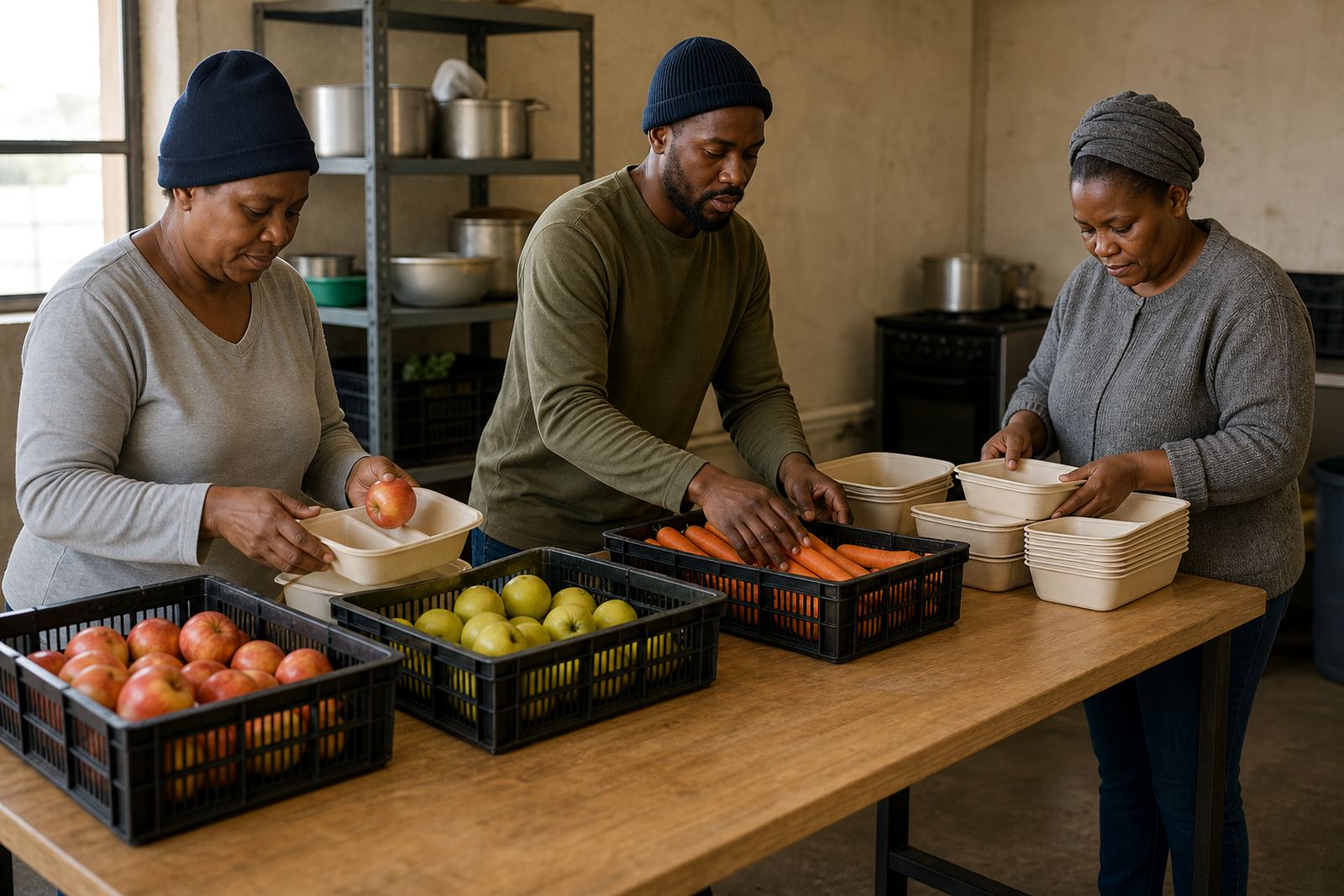
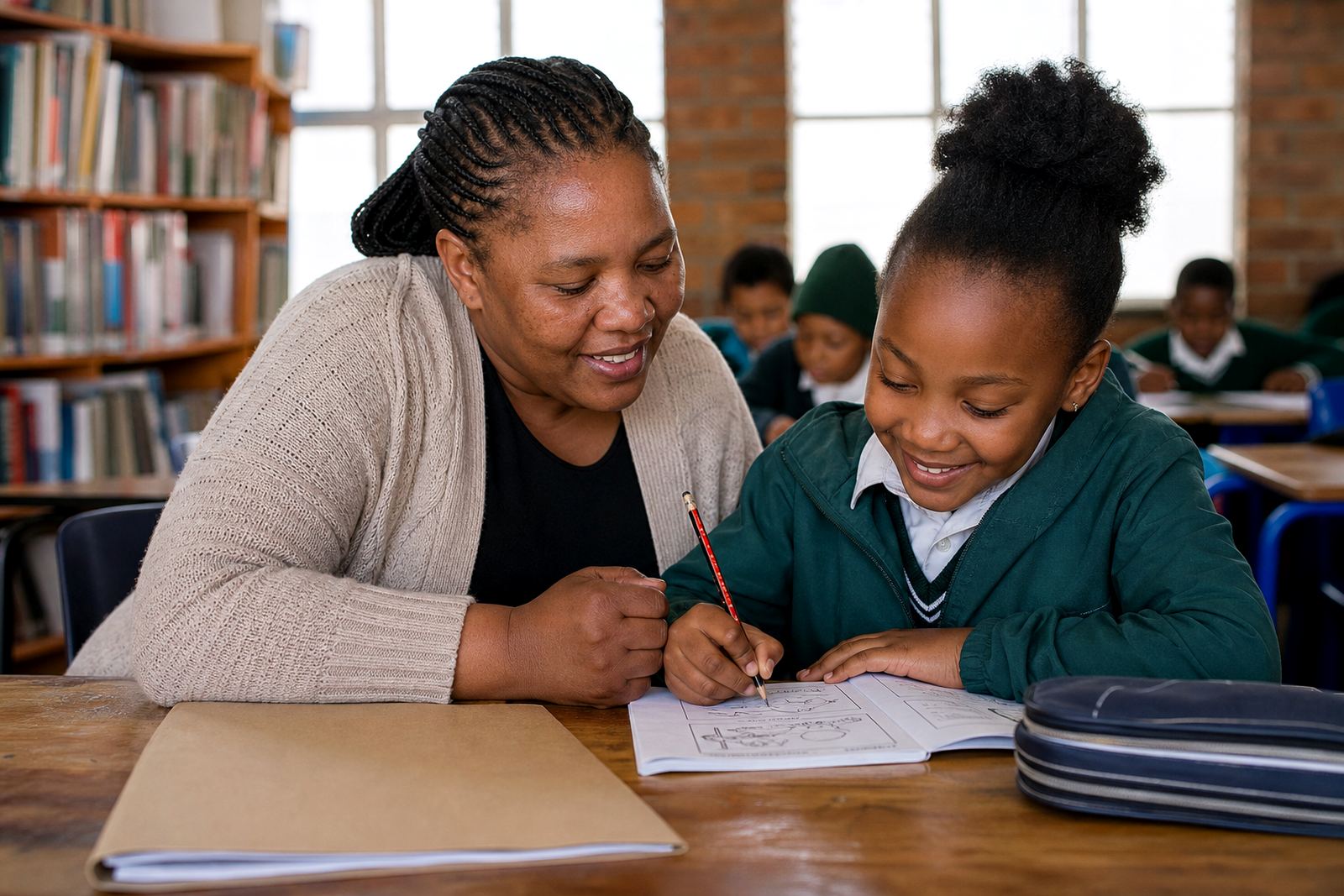
Take a case from a community reading project near Braamfontein. A parent wants to nominate a retired neighbour who spends Saturdays helping children read. The story is strong, but the nomination should not list the children’s surnames, home addresses or school classes. If a group photo is used, the parent should make sure permission is in place for every child visible in the image.
That same care applies in Cape Town, Durban, Gqeberha and Polokwane. A nomination can still be warm and human without exposing a child. In fact, the best entries often read better because they stay focused on service rather than private detail. A clean story is easier to assess and easier to protect.
If the nomination needs an update later, remove anything that no longer belongs there. A child’s information should not sit in a file longer than needed just because it was added once. Privacy is part of good record keeping, not an extra step at the end.
Before you submit, make one final privacy check
Before you send the nomination through our enquiry form on our contact page, read it once as though you do not know the child involved. If a stranger could identify the child too easily, the nomination likely holds more detail than it needs. Trim it back and keep the core story intact.
Public nominations can still be respectful. The aim is to honour community care without turning a child into public material. A careful nomination protects the nominee, the child and the family, while still giving the judging process enough to work with.
- Check every name against the consent given.
- Remove unnecessary image captions and location clues.
- Keep sensitive notes out of public-facing text.
- Only share what supports the nomination itself.