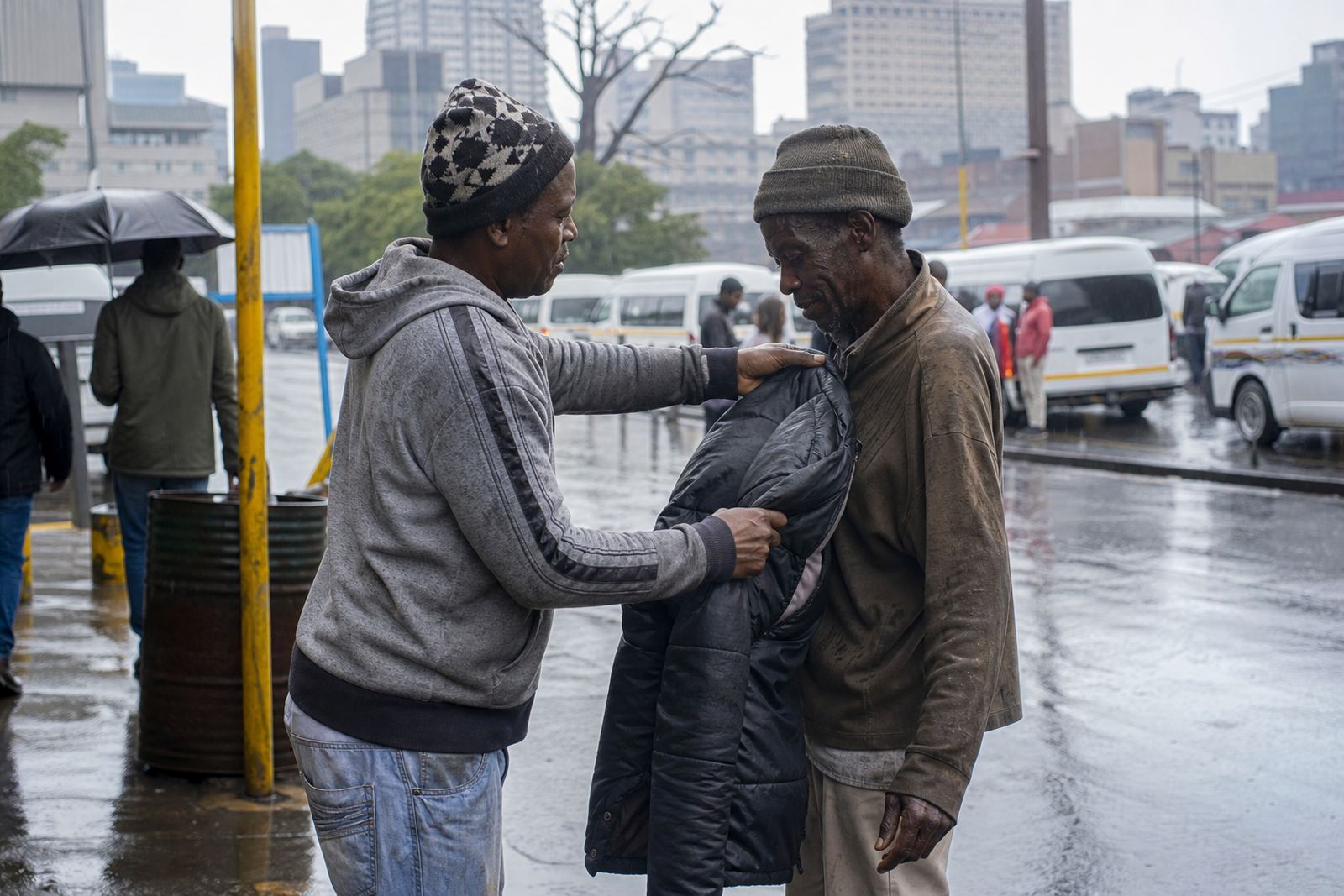
When one act carries enough weight
A nomination does not need a long history to be worth reading. A single act can stand on its own when it shows clear courage, practical care, or strong initiative under pressure. The point is not drama for its own sake, but whether the act made a real difference to another person or a group.
That might be a neighbour who stepped in during a medical emergency, a learner who protected younger children on the way home, or a commuter who acted when nobody else knew what to do. The strongest single-act nominations stay close to facts and avoid stretching the story into something bigger than it was.
What makes a one-off story hold up
Judging starts with the shape of the act itself. A brief, well described event is easier to assess than a long, loose account full of praise but short on detail. The nomination should explain what happened, who was helped, where it took place, and what the nominee actually did.
- Describe the moment clearly, not in general terms.
- Explain the risk, effort, or care shown.
- State the outcome in plain language.
- Add dates, places, or witnesses where they help the record.
- Keep the tone honest if the outcome was small but meaningful.
One strong paragraph can carry more weight than three pages of vague praise. If the act was brave but short lived, say so. If it was modest yet deeply human, that can matter too.
The story, not the spin
People often think a nomination must sound polished. It does not. It needs a clean account that lets the judging process understand what happened and why it stands out. A strong nomination usually answers four questions: what happened, who was involved, what changed, and why this act should be noticed.
Do not overload the form with every detail from the whole week. Focus on the moment that matters. If a teacher kept a child safe during a sudden crisis in a township school corridor, that act can stand as the centre of the story. The rest only needs to support it.
It also helps to write in everyday language. Short sentences are easier to follow. That is especially true when the event happened fast and people only remember parts of it clearly.
Consent comes first, even for praise
A nominee should know they are being put forward. Consent is not a small box to tick and move on. It is part of treating the person with respect, especially when the act involved a private moment, a family matter, or a sensitive health issue.
If the nominee is a child, or if the story involves someone who cannot give consent in the usual way, the nomination must be handled carefully. The same applies when the person helped is also part of the story. Do not share more than is needed, and keep names out if privacy could be harmed by disclosure.
- Ask before submitting personal details.
- Do not include medical or family information unless it is necessary.
- Remove identifying details if the event is sensitive.
- Keep documents and photos limited to what supports the nomination.
That extra care is often what keeps a good nomination usable. Without it, even a powerful story can become awkward or inappropriate to process.
Evidence that helps without crowding the form
Useful evidence does not need to be a stack of papers. A short statement from someone who saw the act, a dated photo, or a message that confirms the event can be enough if it matches the story. The aim is to support the account, not bury it.
One useful example from Braamfontein would be a local resident who stepped in after a learner fell outside a busy taxi rank and helped them get to safety. A witness note from the person who was there, plus a short explanation of what happened next, can do more work than a long emotional paragraph. Keep copies clear and readable.
If there is nothing formal, write what can be verified. The process can still assess a nomination that is simple, direct and consistent. A messy story with too much extra detail often raises more questions than it answers.
How the review looks at single-act cases
Single-act nominations are not judged by volume. They are weighed on the seriousness of the moment, the quality of the description, and whether the act was genuine. A clean account with practical detail usually reads better than grand claims that cannot be supported.
The review process also looks at fairness. A one-off act may be enough if it shows unusual judgement, care, or courage that would not be expected from an ordinary day. The team checks whether the story is clear, whether consent has been handled properly, and whether privacy has been respected.
- Was the act unusual for the situation?
- Did it help someone in a real way?
- Is the account specific enough to assess?
- Are consent and privacy handled properly?
- Does the evidence match the story?
That is the test in plain terms. If the answer to those questions is solid, a single act can stand on its own.
A local nomination example without the noise
Picture a woman in Johannesburg who notices an elderly man struggling near a station entrance after a fall. She stays with him, calls for help, keeps others back, and gives his family the details they need. The event lasts only minutes, yet it shows calm judgement and care under pressure.
That sort of nomination works when it stays specific. Name the place if it is safe to do so, explain what the nominee did step by step, and note who confirmed the account. If the person helped prefers not to be named, respect that. A good nomination can still be strong without exposing private details. Not every act needs a long backstory to matter.
For questions about one act or any other nomination type, our contact form is the best place to begin. The same applies if you need to update a submission, check eligibility, or ask how privacy is handled before you send anything through.