Free State entries from town and farm alike
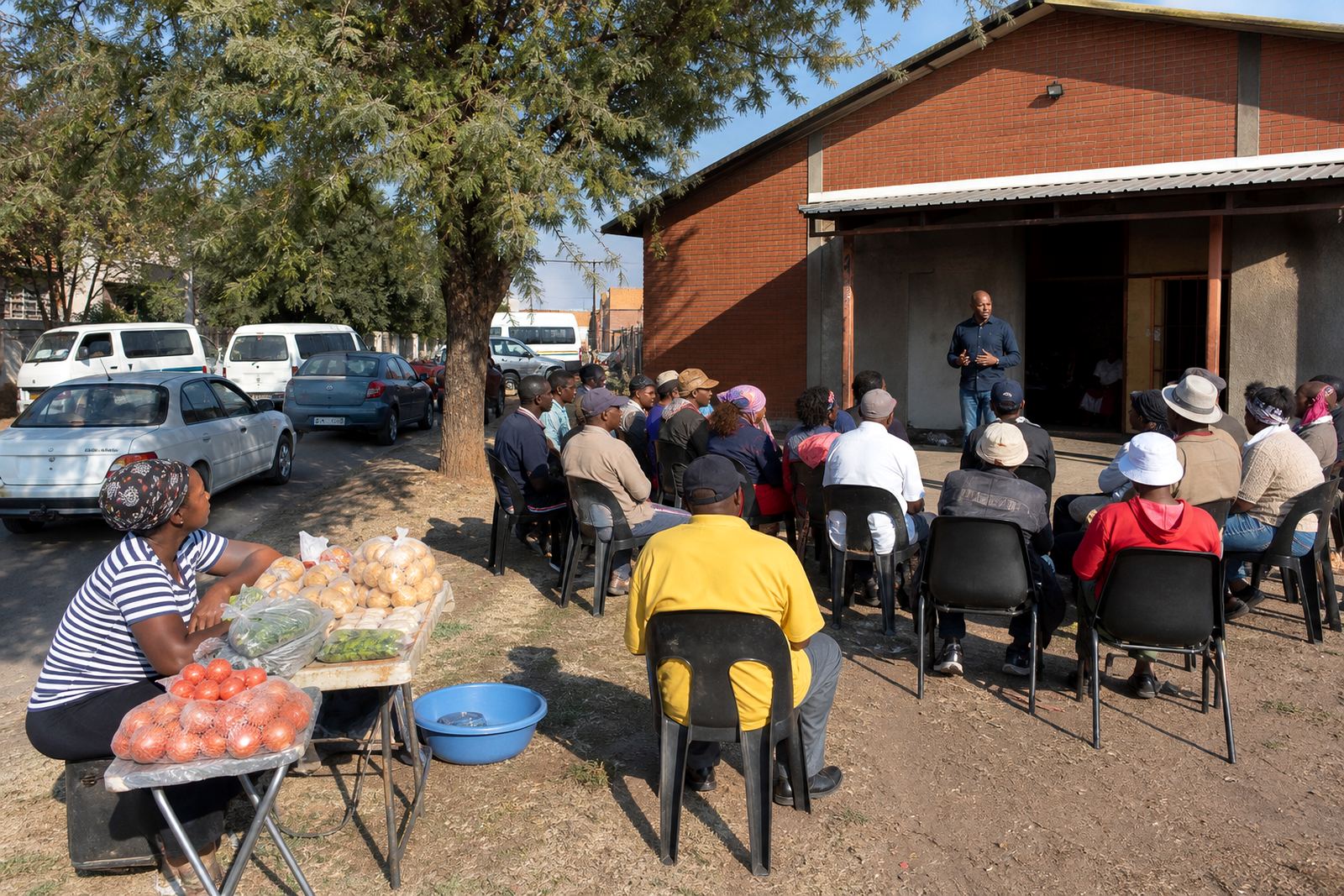
The Free State area brings in nominations from Bloemfontein, Welkom, Bethlehem, Parys, Sasolburg, Kroonstad and smaller places where people know one another by name. Many entries come from community work that is practical and close to home, like looking after children after school, helping an elderly neighbour with groceries, assisting at a clinic queue, or keeping a local initiative going when resources are thin.
Our Braamfontein team handles nominations from across the province through our contact page form, with the same process used for urban and rural entries. That means a story from a township street, a farming community, or a village on the edge of a district can be submitted in the same way. The main difference is often the detail, because a good nomination from the Free State usually explains the setting clearly and shows what changed because one person stepped in.
- Use the person’s full name and the town or district they serve.
- State what they do in ordinary terms, not only praise.
- Explain who benefits and how the help reaches people.
- Include one or two specific examples rather than broad claims.
Writing a nomination that carries weight
A strong nomination is specific, grounded and easy to follow. It should say what the nominee did, who was helped, where it happened, and why the action mattered in that community. If the person is a volunteer, teacher, carer, first responder or neighbour who fills gaps where others cannot, write that plainly and give enough detail for the review team to understand the pattern of service.
Short notes are fine when they are clear, but thin descriptions do not help. A line like helped people in town is too vague. A better entry might explain that the nominee organised lifts to clinic appointments for older residents, or prepared meals for families during a difficult time, or supported learners after school with reading and homework. Those details show effort, reach and consistency.
- Describe what happened in plain language.
- Say how long the help has been going on.
- Show the nominee’s role, not only the group around them.
- Leave out exaggeration and keep the facts close to what you know.
Judging looks at service, not noise
Judging is based on the content of the nomination, not on how dramatic it sounds. The review team looks for service that is real, useful and linked to community need. We pay attention to whether the action was ordinary but important, whether it reached people who needed support, and whether the nominee acted with care, steadiness and good judgement.
For Free State nominations, examples often include work in areas where distances are long and public transport is not always easy, or where small groups carry a lot of responsibility. A nomination does not need grand words. It needs honest detail. If the nominee supports people across a district, helps keep a local group organised, or steps in during an emergency, explain the part they played and the result that followed.
The judging process also considers whether the story is supported by useful evidence, even if the evidence is simple. A written note from someone who knows the work, a photo with permission, or a record of an activity can help, but the main focus remains the story and the service itself.
Consent before a name goes forward
Before any public nomination is submitted, we look for consent from the nominee. That matters because the process may place their name and story into a public-facing awards programme. Some people are happy to be nominated, while others would rather keep quiet about the work they do. The consent step protects the nominee and keeps the nomination honest.
If the person cannot give direct consent in a straightforward way, explain the situation clearly in the nomination and avoid pushing personal details that are not needed. The Privacy and Consent Officer works with the team on entries where the circumstances need careful handling, especially where the nominee supports children, vulnerable people, or a community group that prefers low visibility.
- Ask before sending the nomination.
- Use only the details needed for review.
- Do not share sensitive stories without a good reason.
- Keep children’s details out unless they are essential and permitted.
Sensitive information from rural and urban Free State work
Some nominations from the Free State touch on illness, family strain, domestic difficulty, poverty or safety concerns. Those details can be important, but they must be handled with care. The aim is to explain the nominee’s service without exposing anyone to unnecessary attention. Where a story includes medical, school, protection or personal matters, keep the wording measured and only include what helps the judges understand the nomination.
In farming districts, a nomination may involve a small network of people helping one another across distance. In towns, it may involve a school corridor, a clinic queue, a church group, a sports field or a street committee. The setting matters because it shows the nominee’s working environment and the kind of need they respond to. It also helps the review team understand the pressures that shape the service.
If you are unsure whether something is too personal, leave it out and keep the focus on the action, the need and the result. A careful nomination can still be strong without telling every private detail.
What the Free State branch area handles
The Free State Nominations area covers the full submission path for the province, from initial guidance to updates after a nomination has been sent. Our Braamfontein office works with entries from Free State towns, farms and villages, and the same process applies whether the nominee is a school volunteer in town or a neighbour helping families in a remote area.
We cover the practical side of the nomination process in plain terms, including how to shape the story, what counts as useful evidence, how consent works and how privacy is protected. If a nomination needs a correction, an added detail or a clearer explanation of the nominee’s role, the update step is there for that purpose. The enquiry path runs through our contact page form, which keeps the information in one place and helps the team follow the thread of each entry.
- How To Nominate for first-time entries.
- Eligibility Check for basic screening.
- Writing The Story for clearer wording.
- Useful Evidence for supporting detail.
- Public Questions and Updating A Nomination where needed.