What Fire Response covers in a nomination
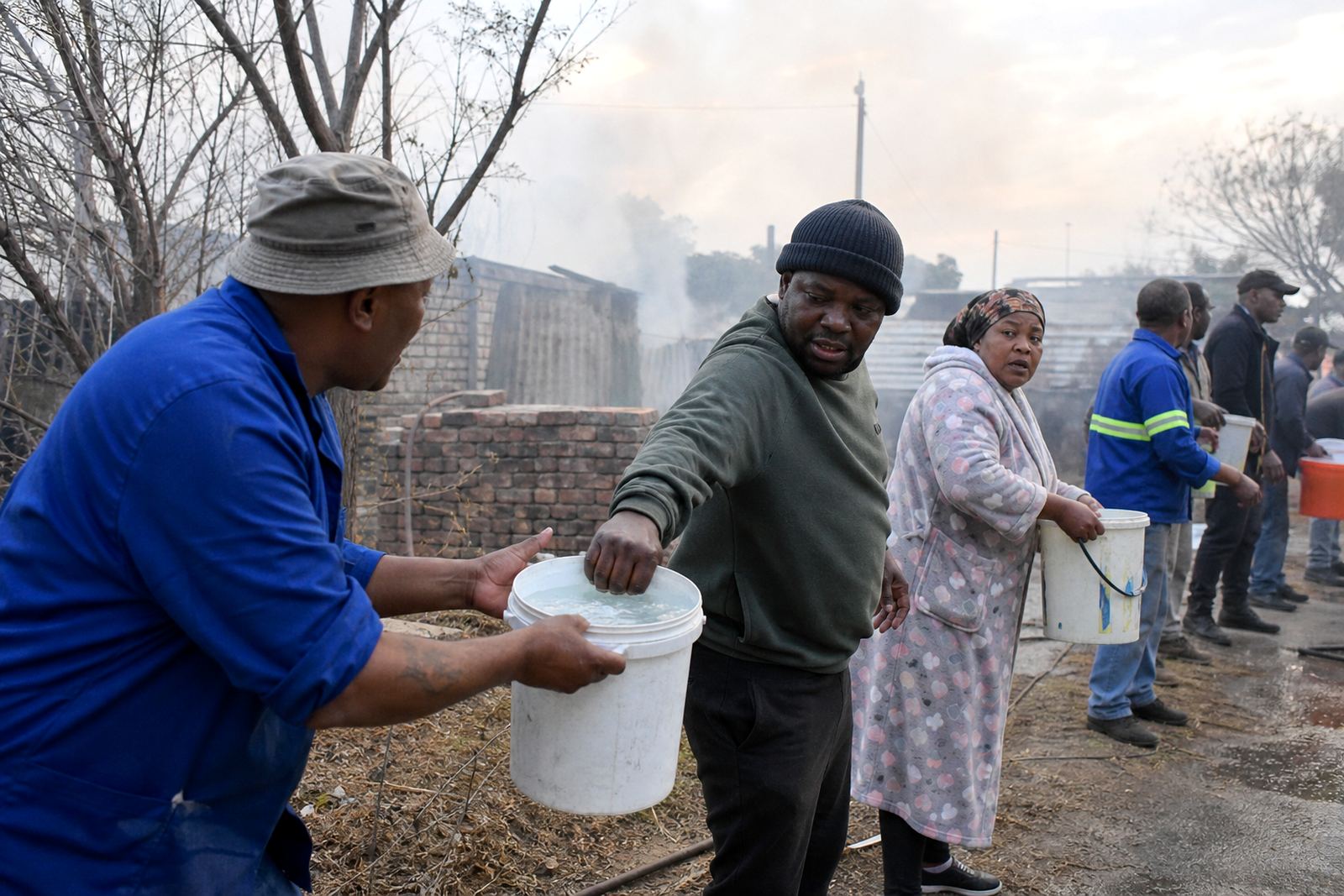
Fire Response is for everyday people who stepped in when a home, block, shack cluster or shared building was affected by fire. It can cover the neighbour who carried water buckets, the teacher who kept children calm, the volunteer who helped with blankets, or the community member who stayed long enough to help families account for one another.
The programme looks at the action itself, the pressure of the moment and the benefit to other people. It is not about polished wording. A strong nomination says what happened, who was helped, where it took place and what the nominee actually did. If the story includes a kitchen fire, a backyard blaze or a community fire with smoke damage and loss, the facts must stay clear and plain.
Nomination formats and size choices
Nominations can be short or fuller, depending on how much detail the person entering has. A short submission may fit a quick account from a neighbour, while a longer one suits cases with several helpers, multiple homes affected or a chain of support after the fire. The wording should stay factual and easy to follow.
People nominating from Johannesburg, Cape Town, Durban, Gqeberha, Polokwane and other towns can use the same process. The branch or region only helps with administration, not with the standard of the nomination. A useful entry can include one paragraph, a timeline and a small set of supporting notes. That keeps the story readable without turning it into a long statement.
- Short form for a single act of help
- Standard form for a clear account with names and context
- Detailed form where several people were involved
Where Fire Response fits best
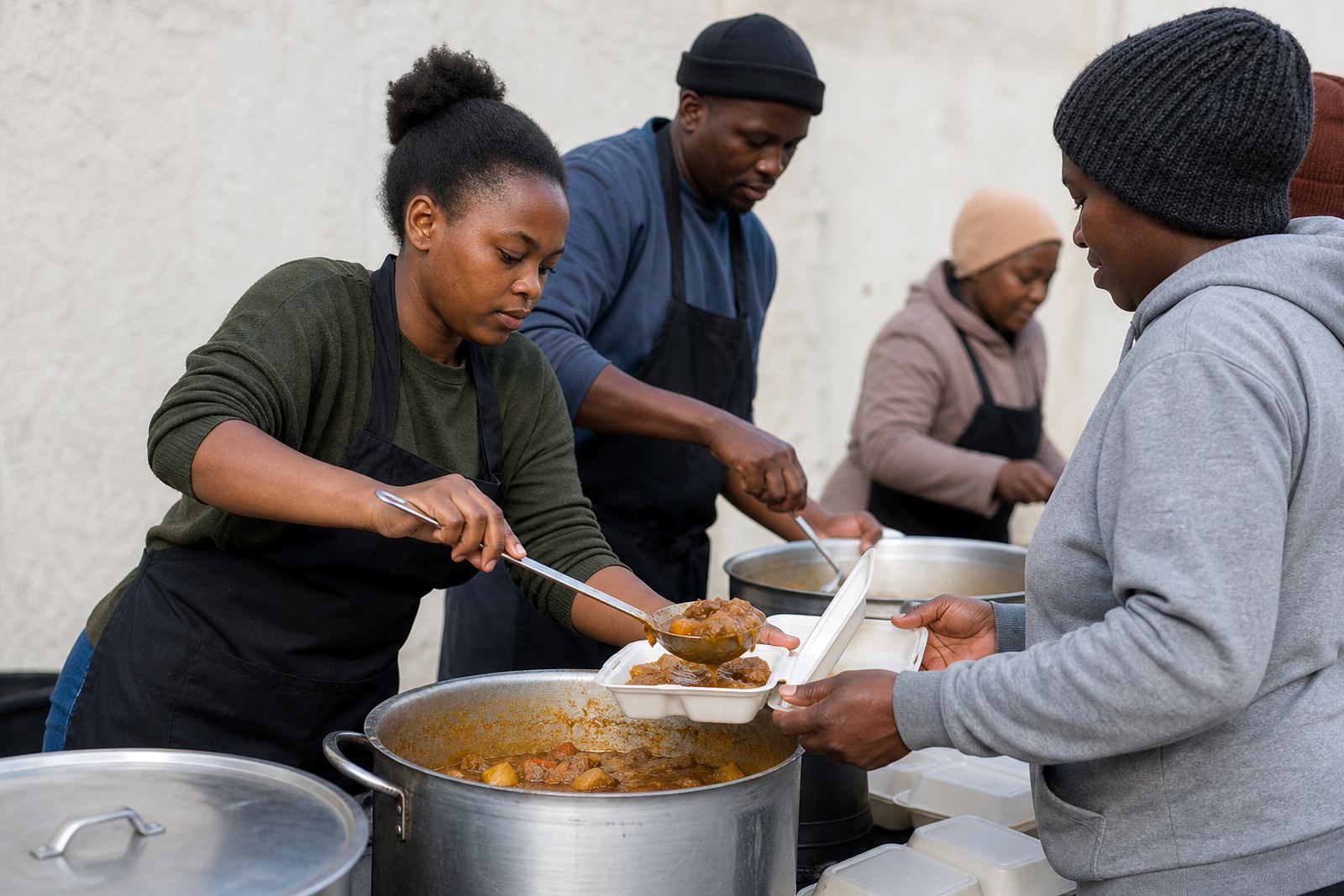
This category suits residential streets, informal settlements, apartment blocks, school housing, hostels and mixed-use areas where fire affected ordinary life. It also fits community helpers who stepped in after a blaze to organise blankets, transport, food, temporary shelter or check-ins on vulnerable neighbours. In Braamfontein and similar urban areas, the nominee may be someone who acted in a dense setting where access, smoke and panic made the situation harder.
Where the nominee works in an official role, the nomination should still describe the personal action, not just the job title. A first responder, volunteer, teacher or community organiser can all be nominated if the story shows direct human help. The strongest entries show what was done and why it mattered, instead of using vague praise.
Evidence, consent and privacy on fire-related entries
Fire-related stories can carry sensitive details, so the nomination should only include what is needed to explain the action. If photos, witness notes, voice notes or incident references are available, they can help, but they must stay relevant. The programme also asks for consent from the nominee where possible, especially when names, locations or personal loss are included.
Privacy matters when children, injured people, damaged homes or shared family matters appear in the story. The privacy and consent step is there to make sure the nomination does not overshare. If someone is helping on behalf of a group, the submission should say who gave permission and what can be publicly used. That keeps the record clean and respectful.
- Use only supporting details that add real value
- Keep children and affected families protected
- State what may be published and what must stay private
Judging points for Fire Response entries
Judging looks at the strength of the action, the clarity of the story and the real benefit to people affected by the fire. A clear account of risk, calm thinking, practical help and follow-through carries more weight than dramatic language. If a nominee helped evacuate people, kept others informed, linked families to shelter or stayed for recovery support, those actions should be described in plain terms.
The review process also checks whether the nomination is specific enough to verify. Names, dates, places and the role of each helper matter, but the entry should avoid unnecessary personal detail. A strong file shows honesty, relevance and a direct connection between the nominee and the help provided.
- Clear account of the action taken
- Evidence that supports the story
- Relevant detail without overexposure
After you submit a Fire Response nomination
Once a nomination is submitted, it moves into review, where the details are checked against the category rules. If anything is missing, the record may need updating before it can be assessed properly. That is why it helps to name the fire setting, the nominee’s role and the reason the action stood out.
For public questions, nomination changes or help with a draft, people can use our contact form on the contact page. The same channel works for the listed nomination regions, including Gauteng, Western Cape, KwaZulu-Natal, Eastern Cape, Limpopo, Free State, North West and Mpumalanga. Keep the description direct and keep the sensitive parts to the minimum needed for fair review.
Key facts
| Category | Fire Response |
|---|---|
| Nomination type | Public, nomination-based awards entry |
| Coverage | Household and community fire response |
| Entry formats | Short, standard and detailed nominations |
| Core criteria | Action, clarity, evidence, consent and relevance |
| Base | Braamfontein, Johannesburg |