What the road safety range covers
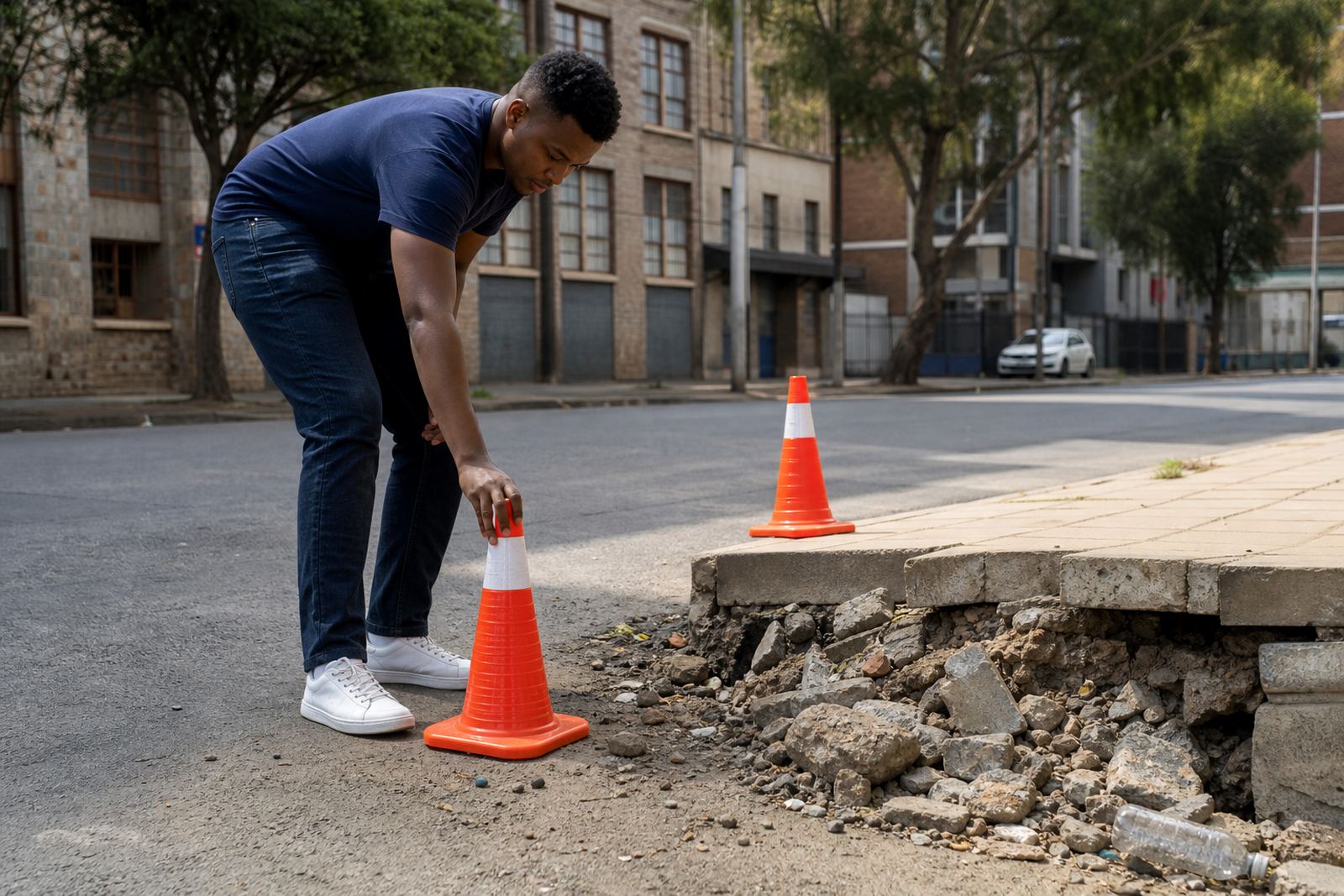
Road safety products cover the everyday fittings that make movement clearer on streets, driveways and shared access points. That can include reflective signs, traffic cones, wheel stops, speed calming items, warning posts, barriers, delineators and floor or road marking accessories for pedestrian control.
For places in Braamfontein, Johannesburg and other busy centres, the right mix depends on sightlines, vehicle movement, foot traffic and whether the area sees rain, dust or coastal humidity. Steel parts need a proper finish, while outdoor plastics should hold their colour and shape under sun and regular use.
- Reflective options improve visibility in low light and at night.
- Flexible items suit areas where vehicles and pedestrians share space.
- Heavy duty parts work better where traffic is frequent.
Sizes and formats that are commonly ordered
These products are usually supplied in practical sizes so they can fit a gate, driveway, yard entrance or pedestrian route without crowding the space. Cones may be ordered in 450 mm, 750 mm or 900 mm heights, while signs can be made in standard panels for wall fixing or pole mounting. Barriers and bollards are normally selected by height, tube thickness and base type.
Where a site needs stronger control, a wider base, thicker wall section or larger reflective face gives better day and night visibility. If the route is narrow, smaller signs and shorter posts keep the area tidy and easier to move through.
- Cones: lightweight for temporary control or heavier for windier conditions.
- Signs: flat aluminium, coated steel or rigid board styles.
- Posts and bollards: surface fixed or concreted in, depending on the site.
Where these products fit best
Road safety fittings suit schools, office parks, taxi ranks, retail parking areas, depot entrances, residential estates, loading bays and pedestrian crossings. In Johannesburg and other large cities, clear guidance matters where drivers turn quickly and pedestrians cross from multiple directions.
They also help on municipal-type access points, community halls, clinics and transport laybys, where a small change in layout can reduce confusion. For coastal towns like Cape Town, Durban and Gqeberha, materials should stand up to moisture and regular cleaning without fast surface wear.
- Parking areas need wheel stops, arrows and bay markers.
- Walkways benefit from handrails, reflectors and clear directional signs.
- Busy entrances often use cones, barriers and warning posts together.
Fitting, fixing and on-site use
Some road safety products can be placed by hand, while others need drilling, anchors, concrete footings or marked positions for safe installation. Reflective signs often need proper facing angle and a firm post so they stay readable from a moving vehicle. Bolts and anchors should suit the surface, whether that is concrete, brick or paving.
Where items are used outdoors, the fitting should allow for vibration, wind and regular cleaning. If the site has uneven paving or soft ground, the fixing method must be chosen carefully so the product does not lean or loosen.
- Surface mounting works well on solid concrete slabs.
- In-ground fixing gives better hold for posts and bollards.
- Temporary items suit events, short term works and controlled access points.
Care, cleaning and wear over time
Most road safety products need basic care only, but they do better when checked for damage, fading and loose fixings. Dust, tyre marks and rainwater can build up on reflective surfaces, so a regular wipe with mild soap and water helps keep them visible. Avoid harsh solvents on printed faces or coated parts.
In places with strong sun or coastal air, hardware can show wear sooner, so stainless fixings or coated steel can be worth confirming when ordering. If a cone, sign or barrier is damaged by impact, it should be replaced before it starts to wobble or give unclear guidance.
- Clean reflective faces with soft cloths and mild detergent.
- Check bolts, post caps and anchor points after heavy use.
- Store temporary items upright to keep them from warping.
Details to confirm before ordering
Good ordering starts with the exact site conditions and the job the item must do. Confirm the size, material, colour, reflectivity level, fixing method and whether the item is for temporary or permanent use. It also helps to note the surface type, the available width, and whether the item will face traffic in daylight only or after dark too.
When you send through the details on our contact form, include the location, quantity, measurements and any wording or symbols that need to appear on signs. If the area has special access rules, curved kerbs or high pedestrian flow, those points should be included so the layout suits the ground, not just the drawing.
- Confirm sizes in millimetres or metres, not rough estimates.
- State whether the finish must be reflective, painted or plain.
- List the surface type so the right fixing kit can be matched.
Key facts
| Product type | Road safety fittings and control items |
|---|---|
| Common sizes | Cones at 450 mm, 750 mm and 900 mm; signs and posts to site requirement |
| Materials | Rigid plastic, aluminium, coated steel and reflective film options |
| Fixing methods | Portable, surface mounted or concreted in |
| Use areas | Streets, pedestrian routes, car parks, depots, estates and crossings |
| Care level | Low maintenance with routine cleaning and fixings checks |