
What the Good Neighbour nomination covers
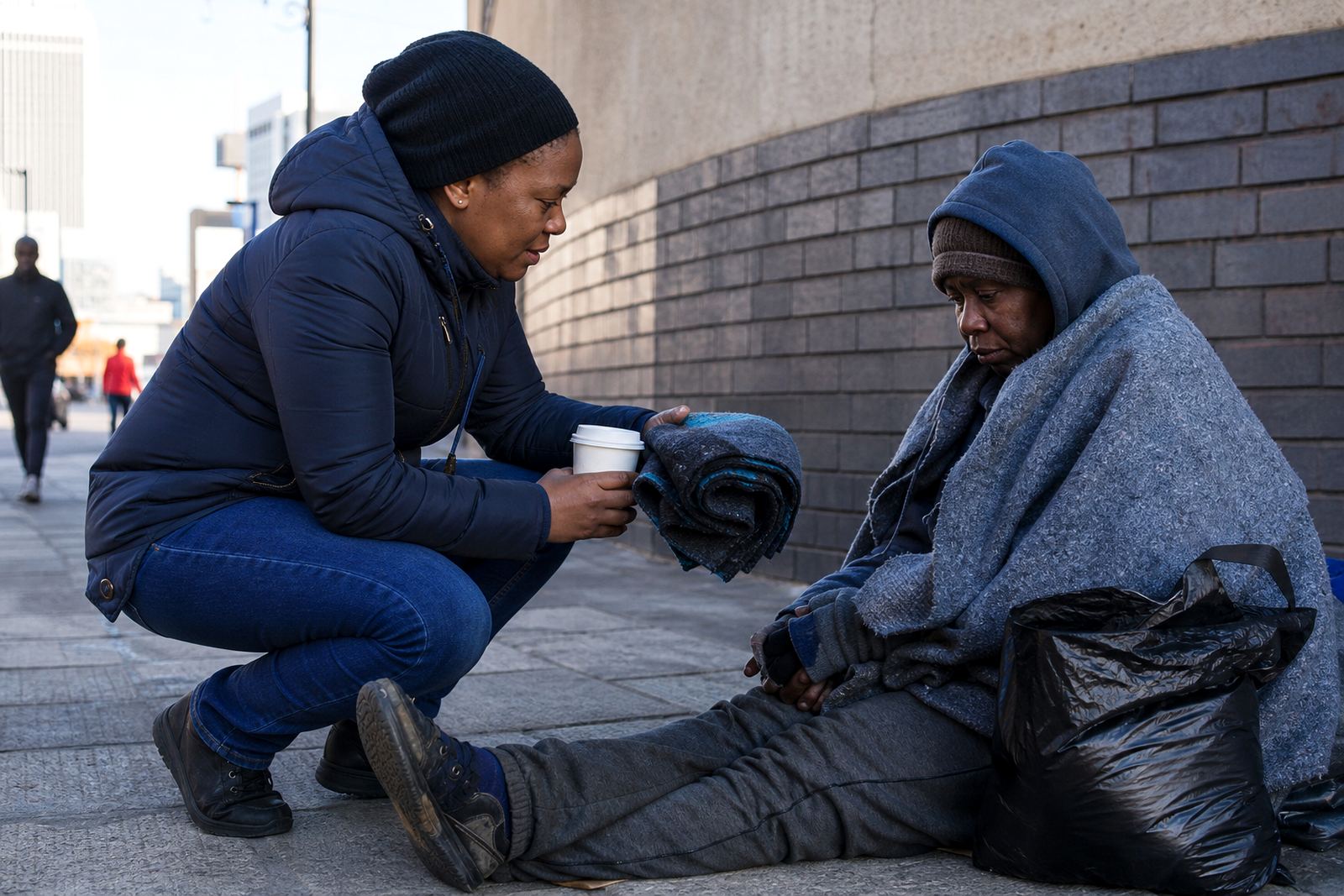
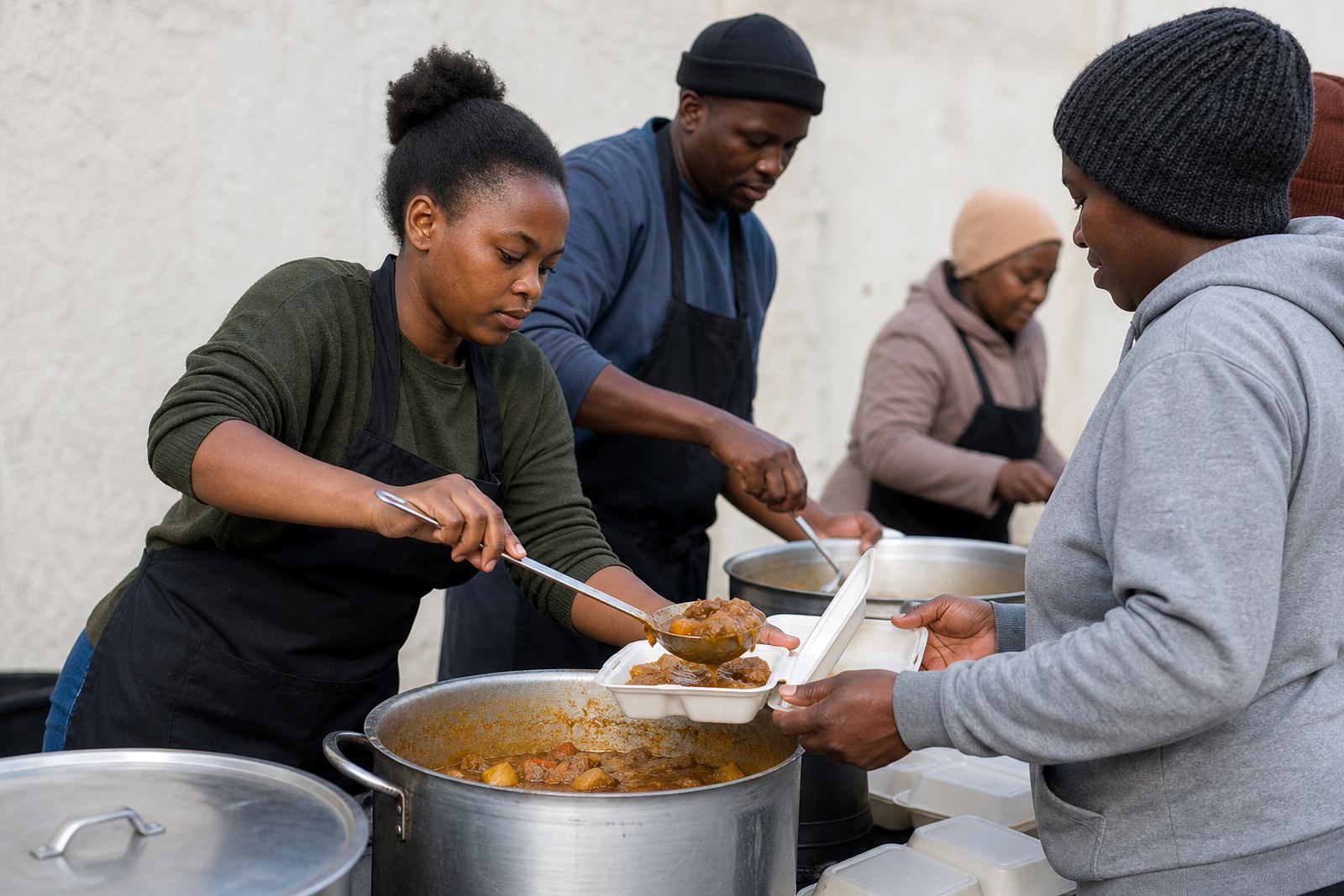
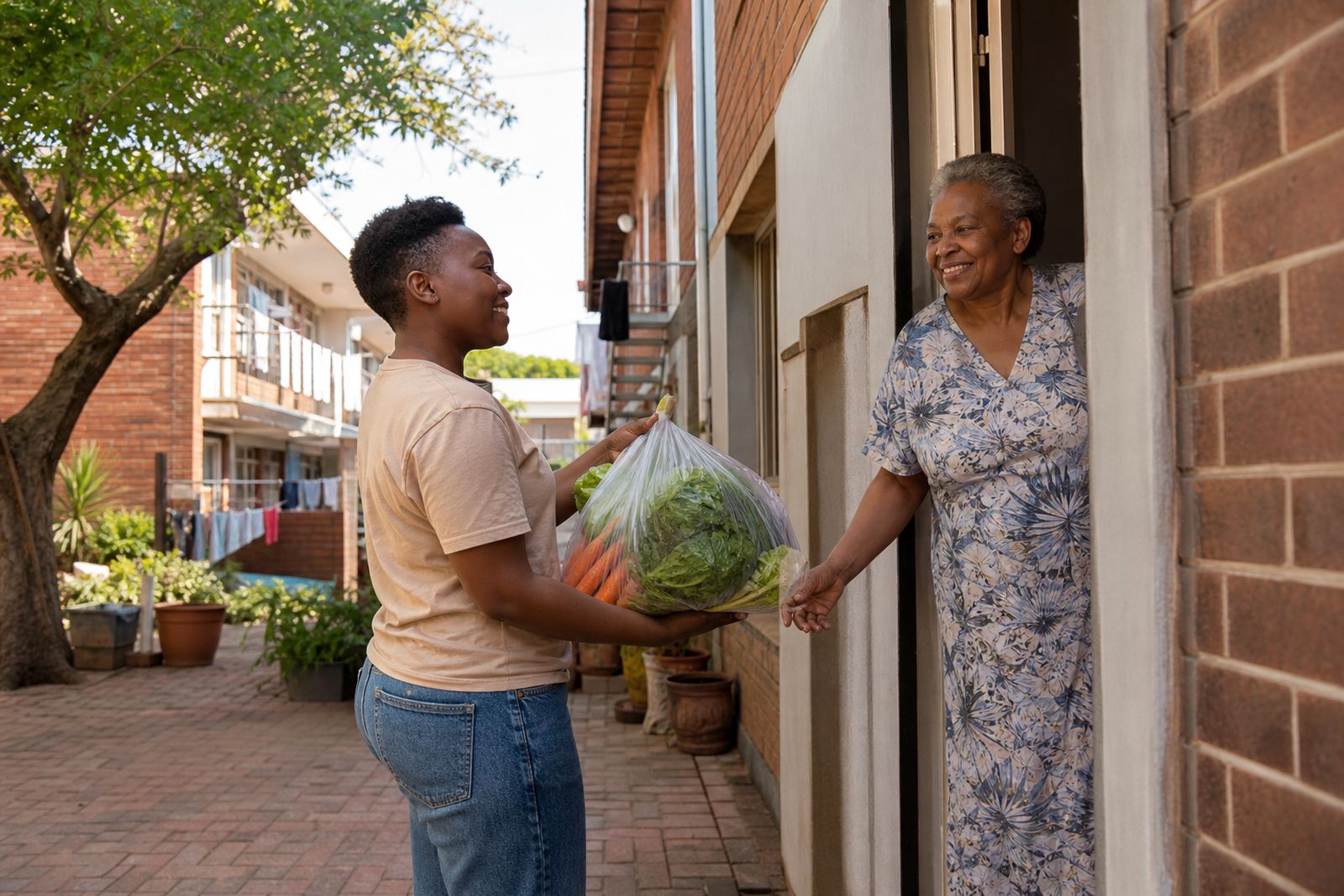
Good Neighbour is for the person whose help is ordinary in the best way. They watch a gate, carry parcels for an older resident, check on a family after illness, share water, make space for children, or step in when a small problem needs a steady hand. The category suits voluntary help that is repeated, visible and useful, not one-off praise without detail.
A strong nomination describes what the nominee actually does, where it happens and who benefits. A short story with a clear example works better than a broad compliment, because the review team needs to see the pattern of care, not just a title. Mention the neighbourhood, the type of support and the effect on daily life.
- Best for neighbours who help without asking for payment.
- Useful where support is practical, personal and regular.
- Works for informal care, community checks and shared responsibility.
- Can be entered from anywhere in South Africa.
Nomination sizes, wording and useful options
There is no fixed length for the story, but concise entries are easier to read and assess. A short nomination can cover the basics in a few clear paragraphs, while a fuller entry gives room for context, examples and the nominee’s role in the area. If your account includes several incidents, group them around one theme such as neighbourly care, safety support or help for vulnerable residents.
When choosing how to submit, think about the level of detail you have on hand. Some entries are written from personal experience, while others are supported by a group, a street committee or people who know the nominee in different ways. The best version is plain and specific, with names, places and actions that can be checked.
- Short entry: one clear example and a brief summary of impact.
- Detailed entry: several examples with dates or seasons where relevant.
- Group nomination: shared observations from more than one resident.
- Supporting notes: short statements that explain the nominee’s role.
Where this category suits everyday South African life
Good Neighbour fits places where people depend on each other at close range. In Braamfontein and across Johannesburg, that may mean a flat block, a backyard setup, a shared gate or a busy street where residents look out for one another. It also suits Cape Town, Durban, Gqeberha, Polokwane and smaller towns where neighbours often carry practical responsibility without calling it volunteering.
The category can reflect many forms of care. It may be the neighbour who helps with school runs, the person who notices when an elderly resident is missing from the stoep, or the one who keeps a watchful eye on shared spaces during the week. The setting matters because it shows the nominee’s help in real life, not in theory.
- Residential streets with active day to day contact.
- Shared housing, apartment blocks and extended-family yards.
- Areas where informal help fills small gaps in daily care.
- Communities where trust grows through repeated action.
Consent, privacy and sensitive details
Before a nomination is submitted, the nominee’s consent should be considered carefully. If the person is named publicly, they should know their story is being entered and understand what details will be shared. That matters even more where the nomination mentions health matters, family circumstances, safety concerns or a private act of support.
Privacy is handled with care. Avoid adding unnecessary personal information, and keep the description focused on the help that was given. If an example involves a vulnerable person, use the fewest details needed to explain the situation. The review process works better when the nomination stays factual and respects everyone involved.
- Get clear consent where the nominee can give it.
- Leave out full addresses and private contact details.
- Use general wording for medical or family matters.
- Keep the story factual and respectful.
Judging notes in plain terms
Judging focuses on everyday value, not polished language. A nomination carries weight when it shows steady help, community trust, practical action and real benefit to others. The panel looks for a clear link between the nominee’s conduct and the better outcome in the neighbourhood, whether that means safety, care, dignity or everyday order.
Stories that work well usually answer three questions: what did the person do, who did it help and why did it matter. If you can point to repeated action, a visible need and a clear result, the nomination reads strongly. The process is intended to be fair, with the same basic checks used across all nominations.
- Consistency of help matters more than dramatic language.
- Real examples carry more weight than general praise.
- Community effect should be easy to follow.
- Supporting detail should match the story told.
After you submit a Good Neighbour nomination
Once the nomination is sent, it moves into review with the rest of the programme entries. If further detail is needed, the team may look for clarification on the story, the nominee’s role or the evidence attached. Updates are useful where a nomination needs a cleaner timeline or a better explanation of the help provided.
Keep copies of any notes, statements or supporting material you used. If you are writing from a community group, it helps to keep the wording consistent so the account does not shift between versions. The public question process is there for nomination-related queries, while the review side looks at the detail, consent and fairness of the entry.
- Save the final version before sending it.
- Keep evidence linked to the main story.
- Use the same name and details throughout.
- Update the entry if the facts need clearer wording.
Key facts
| Category | Good Neighbour |
|---|---|
| Programme type | Nomination-based public recognition |
| Coverage | South Africa, with nominations from all provinces |
| Nominee focus | Everyday neighbours who provide practical help and care |
| Submission method | our contact form |
| Review focus | Consent, privacy, evidence and plain judging criteria |