When a nomination needs extra care
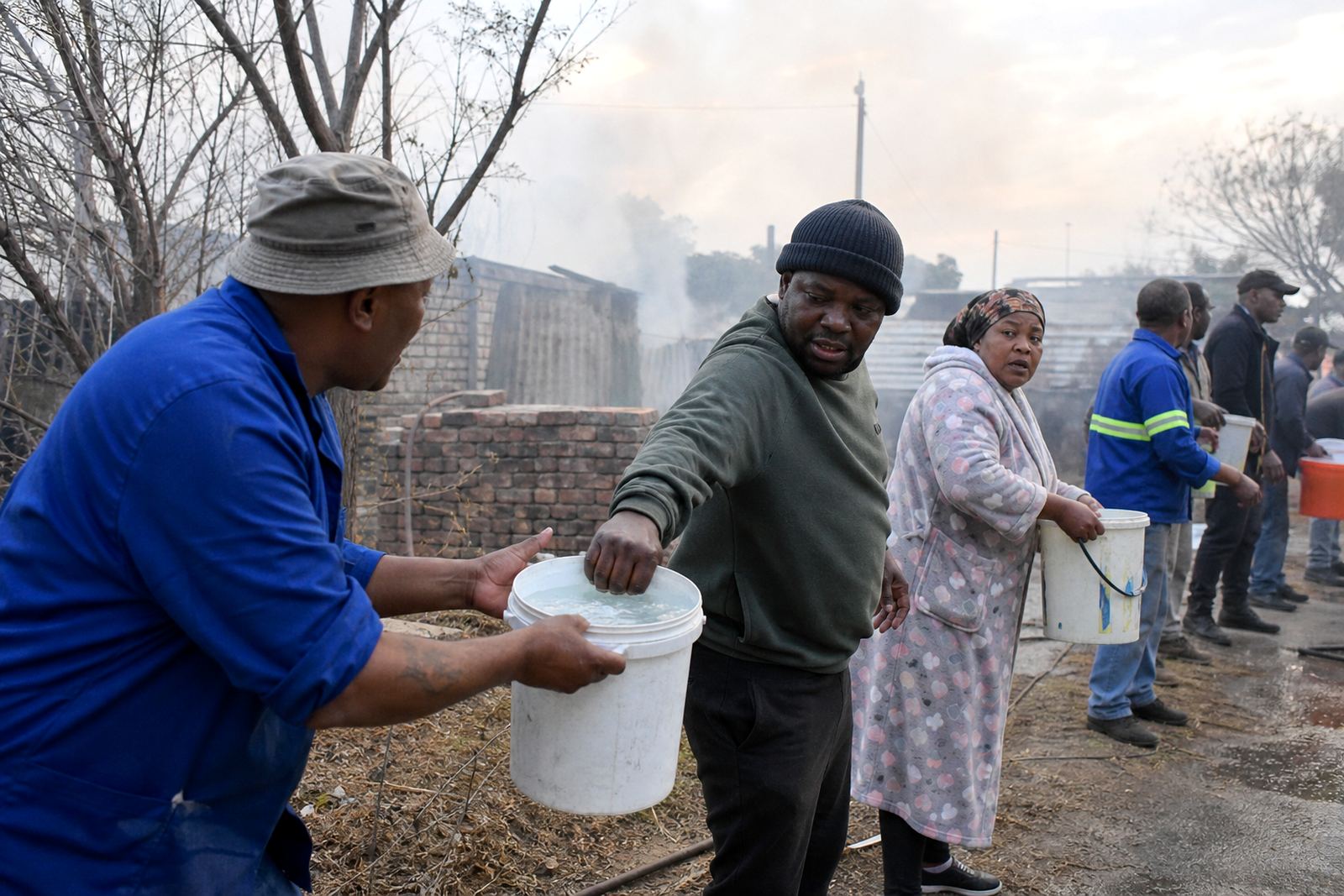
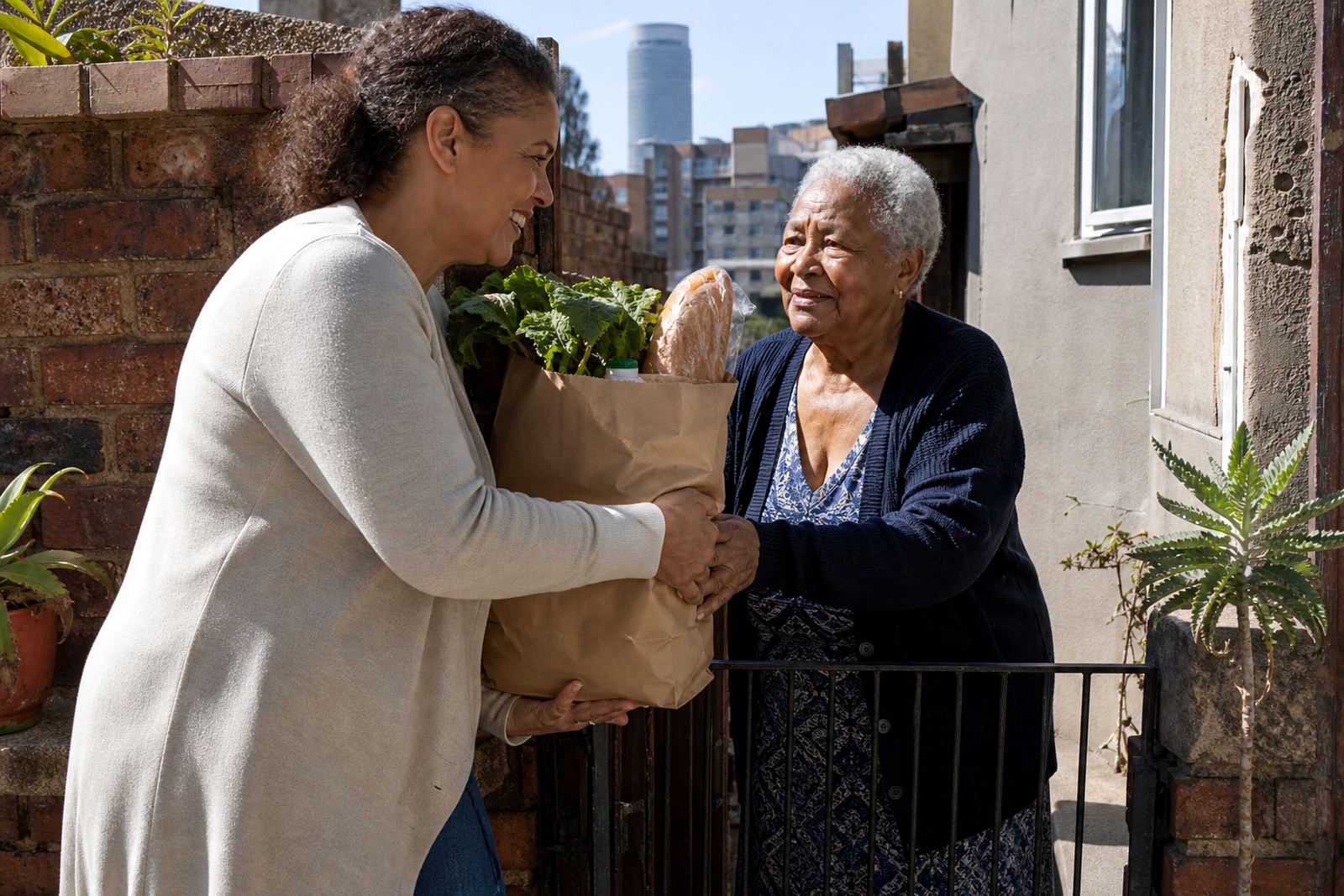
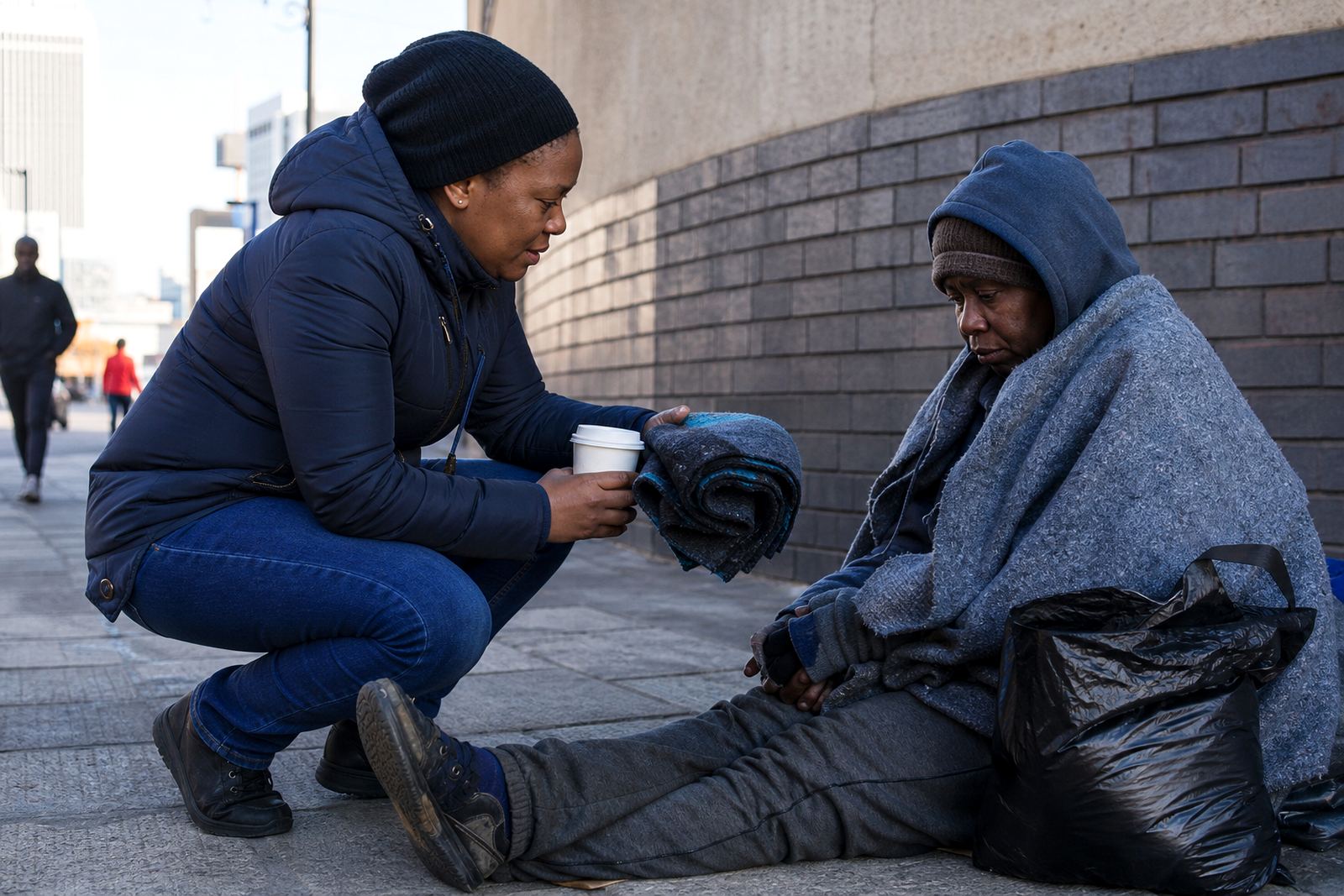
This service is for moments where the story is tender, urgent, or too raw for a standard form. It suits volunteers, carers, teachers, first responders and neighbours whose help happened during a storm, a bereavement, an accident, a community fire, or a difficult family period.
We keep the submission focused on facts that matter for judging, not on gossip or pressure. That means the nominee’s consent, the dignity of the people named, and the privacy of any child, patient, learner or survivor stay in view from the first note to the final review.
Ways the support can be shaped
Crisis Support is arranged in practical options, depending on how much help a nomination needs. A short support pack suits a clear story with a few notes and one or two pieces of evidence, while a fuller support pack suits a detailed case with several contributors, supporting documents and sensitive wording checks.
- Short support pack for a single incident or a concise community story
- Full support pack for layered cases with several witnesses or records
- Privacy review for names, locations and identifying details
- Consent check for nominees who must approve the submission
The wording stays plain, so the nomination reads clearly to a judging panel without losing the human detail that shows real help.
What makes a strong crisis nomination
A strong nomination explains what happened, who stepped in, and what changed because of that help. It does not need dramatic language. It needs dates or a time frame, a location broad enough to protect privacy, and a clear account of the action taken by the nominee.
- State the incident or hardship in plain terms
- Show the nominee’s role, not only the outcome
- Include useful evidence such as photos, messages or letters where appropriate
- Explain why the help mattered to the family, school, street or ward
If the story includes several helpers, name only the people who are necessary to understand the nomination. Overcrowded detail can hide the part that matters most.
Judging checks for sensitive stories
The judging process looks for community value, genuine action and clear support from the nominator or witness. It also checks whether the nominee truly fits the category, whether the story is supported by evidence, and whether the nomination respects consent and confidentiality.
When a story is complex, the review focuses on what can be verified. That may include witness notes, community letters, school records, medical or emergency references where suitable, and a careful read of the narrative so it stays accurate and fair.
Privacy, consent and careful handling
Some stories should not be shared in full. We treat names, contact details and sensitive circumstances with care, and we only include what is needed for the nomination to be understood. If a nominee cannot give consent directly, the submission should explain why and set out who is authorised to speak for them.
- Do not include full identity details unless they are needed
- Leave out anything that could expose a child or vulnerable person
- Keep medical and legal material limited to the facts that matter
- Use our contact form for privacy questions or updates to a submission
This approach helps protect the nominee while still giving the judges enough detail to assess the nomination properly.
Submitting from Johannesburg or any province
Based in Braamfontein, Johannesburg, the programme receives nominations from across South Africa, including Johannesburg, Cape Town, Durban, Gqeberha and Polokwane. The same careful process applies whether the story comes from a city street, a rural village, a school corridor or a clinic queue.
There is no fitting or site visit involved. Crisis Support works through the nomination flow, so the main task is to submit the story neatly, include the right evidence, and confirm the nominee’s consent where possible. If a submission changes after it is sent, the details can be updated through the nomination record.
Details worth confirming before you submit
Before sending a crisis nomination, make sure the basics are accurate and the story is complete enough to stand up to review. Small gaps can slow a careful read, especially where several people were involved or where privacy needs to be tightened.
- Nominee name and the community they serve
- What happened, where it happened, and roughly when
- Any evidence that supports the account
- Whether the nominee has given consent
- Whether any names or faces should be withheld
- The contact form details for the person submitting the nomination
Careful records help the review stay fair. They also make it easier to protect people who should not be exposed while the nomination is being considered.
Key facts
| Service type | Crisis Support for sensitive nominations |
|---|---|
| Format | Guided nomination support with privacy and consent checks |
| Options | Short support pack, full support pack, privacy review |
| Use case | Sudden hardship, trauma, community emergency or vulnerable circumstances |
| Evidence | Witness notes, letters, photos, records and clear written context |
| Coverage | Public nominations from all provinces in South Africa |