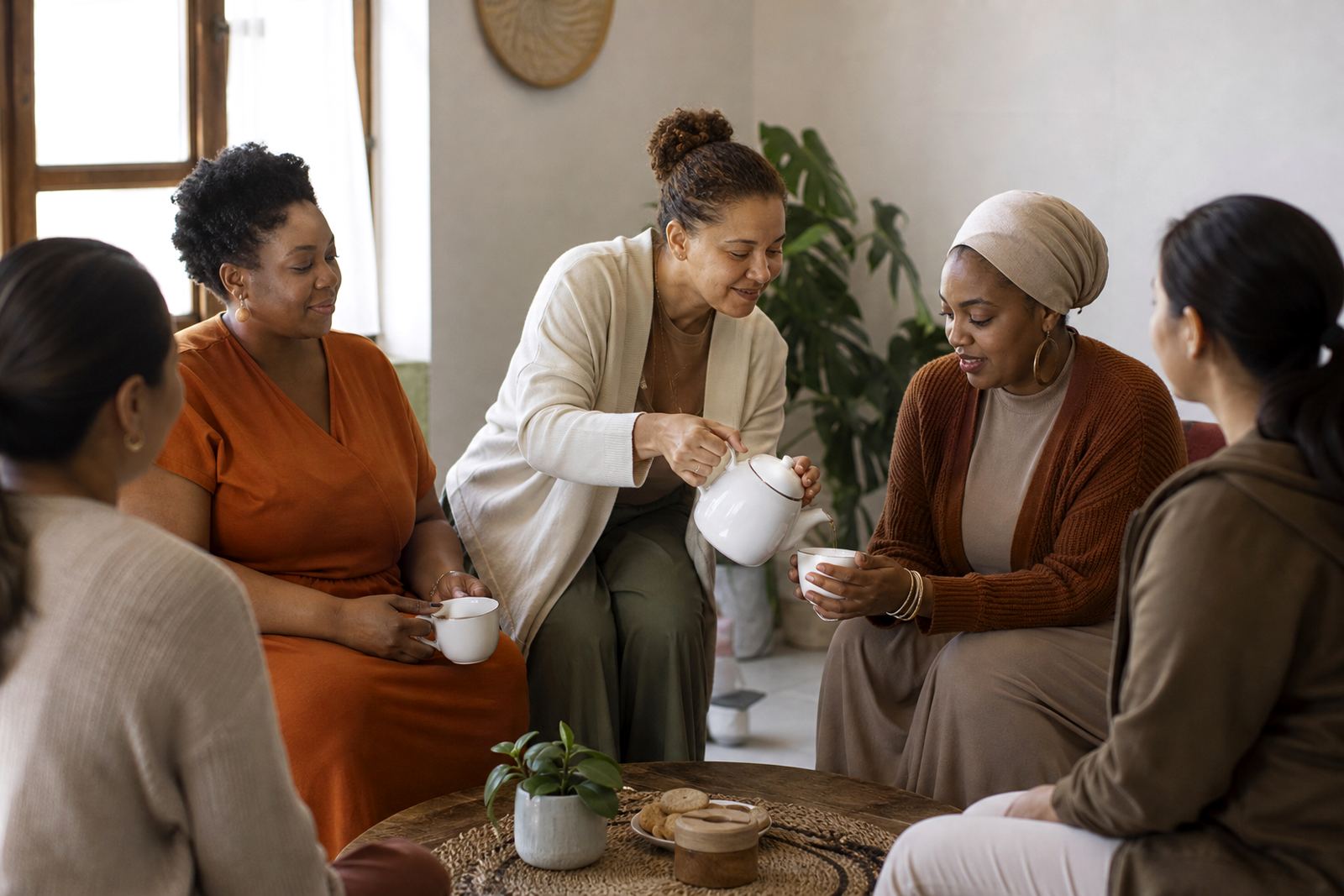
A nomination route built for real support work
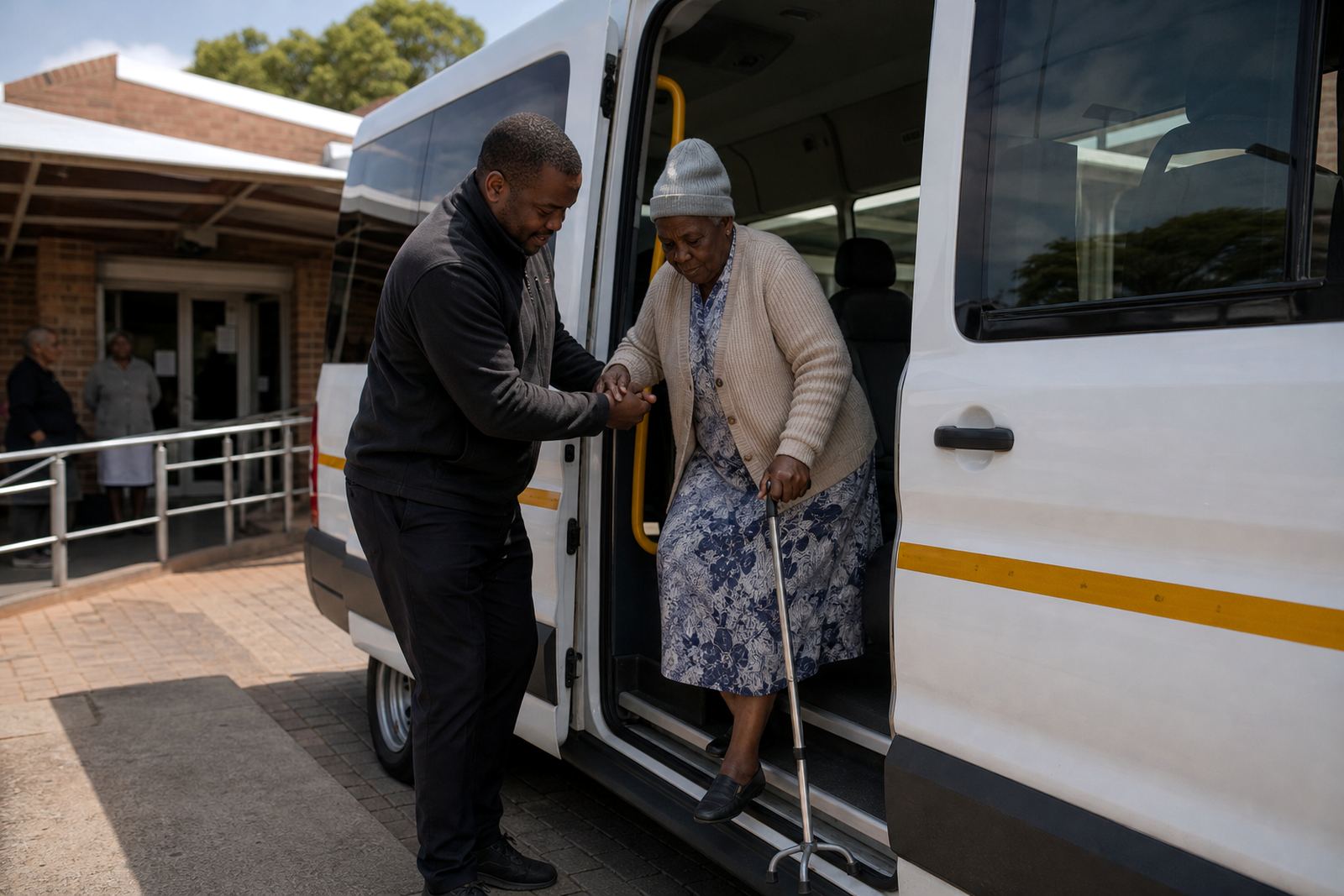
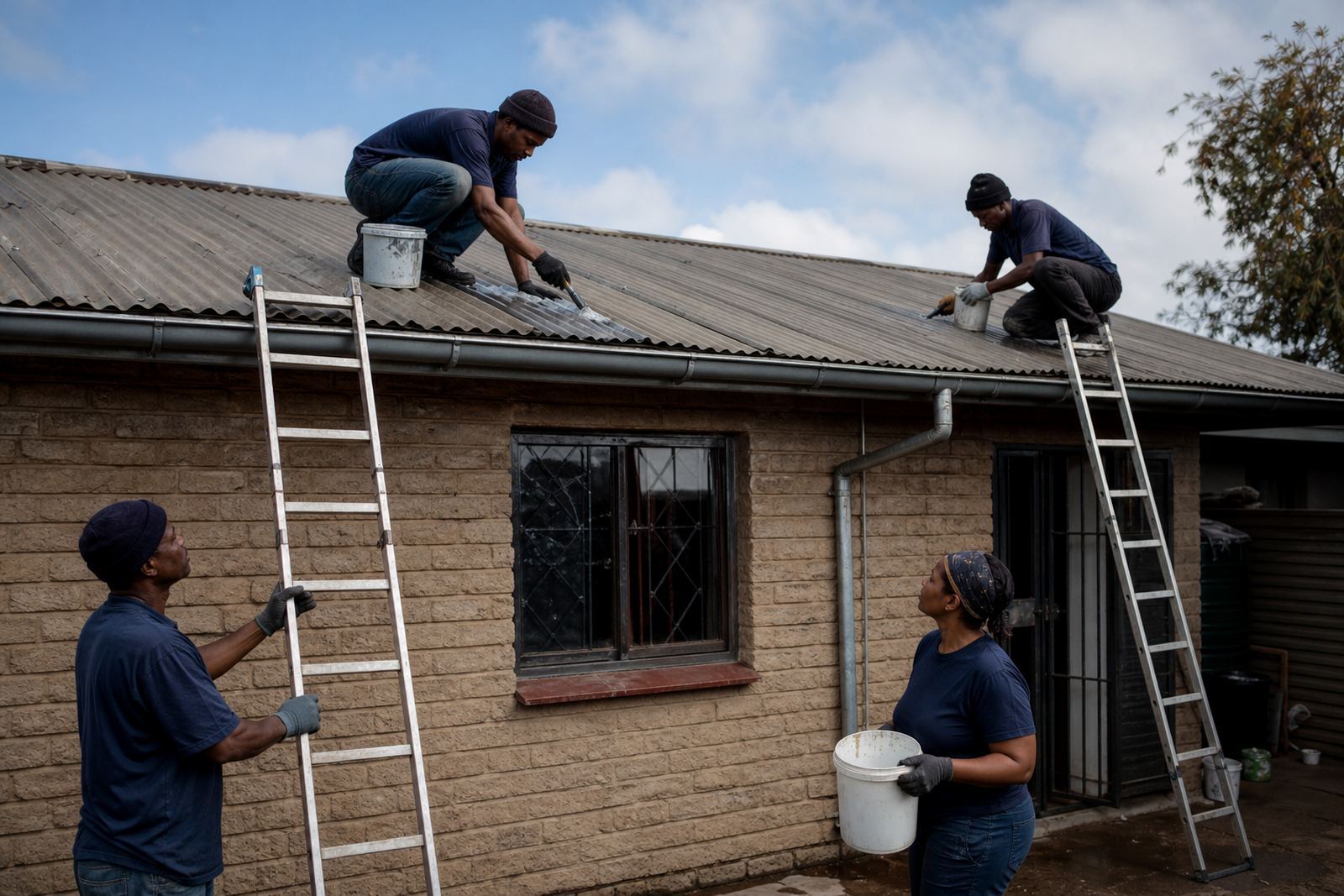
Women Support is a nomination programme for practical help around women who are carrying heavy loads at home, at school, in care roles or in community work. It gives people a way to put forward a nominee with a clear story, useful details and enough context for a fair review. The format works for volunteers, carers, teachers, first responders and neighbours who keep a group steady when things are difficult.
In use, the programme is not about a flashy entry. It is about naming the person, setting out what they do, and showing the effect of that effort in plain language. A strong nomination says who the nominee supports, what they have been doing, where the need sits, and why the support matters now. It also keeps the facts tight, because long-winded stories often hide the parts a judging team needs to see.
- Best for public nominations across South Africa
- Suitable for individual and group-led support drives
- Works with community, school and care-based nominations
- Handles sensitive stories with consent and privacy checks
Sizes and set-up options that suit the brief
Women Support is usually set up as a nomination category with flexible intake points rather than a fixed product size. The main option is a single nomination pathway, but it can be separated into provincial streams for Gauteng, Western Cape, KwaZulu-Natal, Eastern Cape, Limpopo, Free State, North West and Mpumalanga. That helps when entries arrive from different towns and the review team needs an orderly way to sort them.
For larger campaigns, the structure can also carry short-form nominations for quick entry and fuller forms for detailed cases. A shorter form suits people who have basic facts and a simple story. A fuller form suits cases where the nominee’s work stretches over several settings, such as household care, school support and neighbourhood response. Either way, the layout should leave room for names, locations, the nature of help, and any evidence that can be checked.
- Single nomination stream or provincial split
- Short form for quick public submissions
- Full form for detailed community cases
- Good fit for city and township nominations alike
What to include before a nomination is sent in
A good Women Support nomination needs more than a kind story. It should show the nominee’s role, the people they help, and what has actually been done. If the person is helping in a school, clinic, shelter, street committee or home, the nomination should say so. If the support is informal, that is fine too, as long as the description is honest and clear.
Useful evidence can include dates, photographs, short statements from people who know the work, meeting notes, letters, or a brief record of the activities. The point is not to overwhelm the review team. The point is to make the claim easy to follow. Small details matter here, such as the suburb, ward, town or province, and whether the nominee is acting alone or with others. A story that jumps around is much harder to assess.
- Nominee full name and usual area
- What support they give and to whom
- Dates, places and any written proof
- Photographs or statements where appropriate
- Any risks, sensitivities or privacy concerns
Consent and privacy handled with care
Because this is a nomination-based programme, nominee consent matters. If the person being nominated can be contacted, that consent should be captured before the submission moves ahead. When a nomination includes a vulnerable situation, the process needs to be extra careful about names, images and personal detail. Not every story should be made public in full.
Privacy Explained covers what may be kept private, what may be shared for review, and what needs to stay limited to the judging team. Sensitive Information should be handled only where it is needed, and only in the form needed for the process. That can include health detail, family circumstances or personal safety concerns. A careful nomination does not overstate the case, and it does not expose more than necessary.
- Consent from the nominee before public use
- Restricted handling for sensitive cases
- Careful use of photographs and personal details
- Clear separation between review notes and public text
Judging criteria in plain, practical terms
The judging process should look at the real shape of the support, not just the polish of the write-up. A strong nomination is specific, consistent and believable. It shows need, action and effect. It also makes sense when read on its own, without a long back-and-forth to explain gaps. If the work is ongoing, the submission should say so and show what has been happening over time.
Review Process usually checks whether the nominee fits the category, whether the evidence supports the claim, and whether the consent and privacy steps have been followed. Public Questions can be managed separately so that the judging team stays focused on the material in front of them. Updating a Nomination matters when a submitter needs to correct a name, add a document or clarify a point. The best files are tidy and complete before they land on the table.
- Relevance to the women support category
- Clarity of the story and supporting facts
- Strength of evidence and consistency
- Consent, privacy and safety checks
- Practical impact on the people being helped
Where the format works best on the ground
Women Support suits community programmes that are spread across provinces and need a simple way to collect entries from many places. It works well for Johannesburg, Cape Town, Durban, Gqeberha and Polokwane, but the same structure also serves smaller towns and local districts where the story starts with one person stepping in. The format is useful for civic groups, schools, faith circles and neighbourhood efforts that need a fair way to record nominations.
In a busy setting, the page can separate public submission steps from internal review notes, so the process stays orderly. That helps when nominations arrive from different communities with different levels of detail. A good layout also avoids confusion around names, dates and places, which is where many support stories lose their shape. The cleaner the intake, the easier it is to assess the work on merit.
- Useful for city, township and rural nominations
- Fits school, shelter and neighbourhood support networks
- Works across public-facing and internal review use
- Helps keep submissions tidy across provinces
Details to confirm before placing the order
Before ordering Women Support, confirm the nomination structure, the number of fields needed, the level of evidence to request, and whether the form needs provincial routing. It is also worth confirming how consent is recorded, what stays private, and which parts of the nomination will be visible to the public. If the brief includes multiple languages or different support categories, that should be set out early.
For a clean setup, the wording should match the way people actually speak about care and support in South Africa. It should be direct, respectful and easy to follow. Our contact form can be used for the first brief, and the programme team can then adapt the nomination flow, privacy notes and review steps to the case. A careful setup at the start saves trouble later when entries begin to stack up.
- Nomination fields and required evidence
- Consent wording and privacy settings
- Province-level routing or single intake
- Public wording, language choices and review flow
Key facts
| Category | Women Support nomination programme |
|---|---|
| Use case | Practical support networks for women in need |
| Coverage | Public nominations across South Africa |
| Core fields | Nominee details, story, evidence, consent, privacy |
| Review focus | Fit, clarity, evidence, consent and sensitivity |
| Base | Braamfontein, Johannesburg |