What anonymous review is meant to protect
Anonymous review is not about hiding the whole story. It is about limiting personal detail that does not help the panel weigh the nomination properly. A good review stage keeps the facts that matter, such as what happened, who was helped, what action was taken and why the contribution stood out.
For a programme like SA Hero Awards, that approach matters because many nominations come from neighbours, family members, school staff, clinic workers and local residents who know the person well. The review should never ask for more private detail than the process really needs. If a child care worker stepped in during a crisis, for example, the panel may need a plain account of the support given, not a full family history or a long list of personal circumstances.
How a strong nomination stays fair without oversharing
A strong nomination gives enough detail for a reviewer to understand the impact, but it does not drift into gossip or private life. If you are writing one, keep your focus on the act of service, the setting and the difference made to others. That is usually enough for a fair first reading.
In Braamfontein, a resident might nominate a neighbour who checks on older people during winter and helps carry groceries upstairs in a block of flats. The useful part is the repeated help and the people it reaches. The reviewer does not need unrelated personal history, family disputes or private medical matters to see that the neighbour made a real contribution.
- Name the help clearly, in plain language.
- Explain who benefited and how often it happened.
- Keep out details that do not change the review.
- Use dates or time periods only where they help the story.
The role consent plays before details are shared
Consent matters because a nomination still refers to a real person, not a profile made for public view. Before sharing any identifying detail, it is wise to make sure the nominee understands that their name and story may be reviewed as part of the process. If the person cannot be contacted directly, the nomination should still avoid unnecessary personal detail until consent can be confirmed through the proper process.
Consent is not just a box to tick. It shapes what is safe to include, what should stay private, and what can be used in judging. A nomination can still be strong without sharing a home address, a health file or a family situation. Those details are often best left out unless they are truly needed and properly approved.
- Use the nominee’s name only where it is needed for the process.
- Leave out private contact details unless requested through the form.
- Do not include sensitive family or health detail unless it is essential.
- Keep consent separate from the story itself.
Judging with less detail does not mean judging less carefully
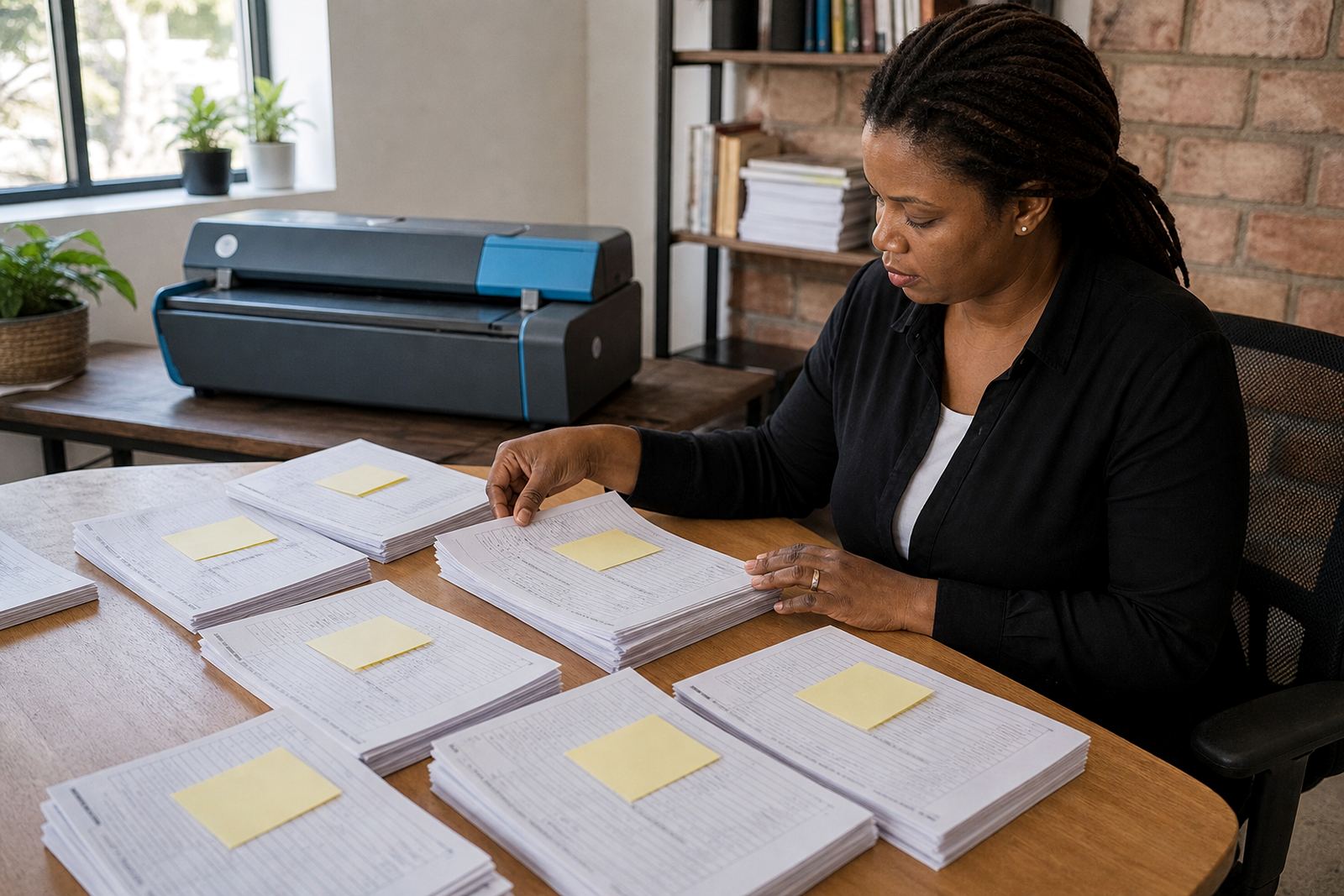
Some people worry that fewer personal details will make a nomination weaker. In practice, the opposite is often true. When a review stage strips away unnecessary detail, the panel can look at the service itself with less noise around it. That makes it easier to compare nominations on common points such as community impact, consistency, initiative and the kind of help given.
Judging criteria should be plain and practical. Did the nominee step in where support was needed? Was the help repeated or sustained? Did it make a clear difference to others? Was the action done with care, courage or skill? Those are the questions that matter more than a long personal backstory.
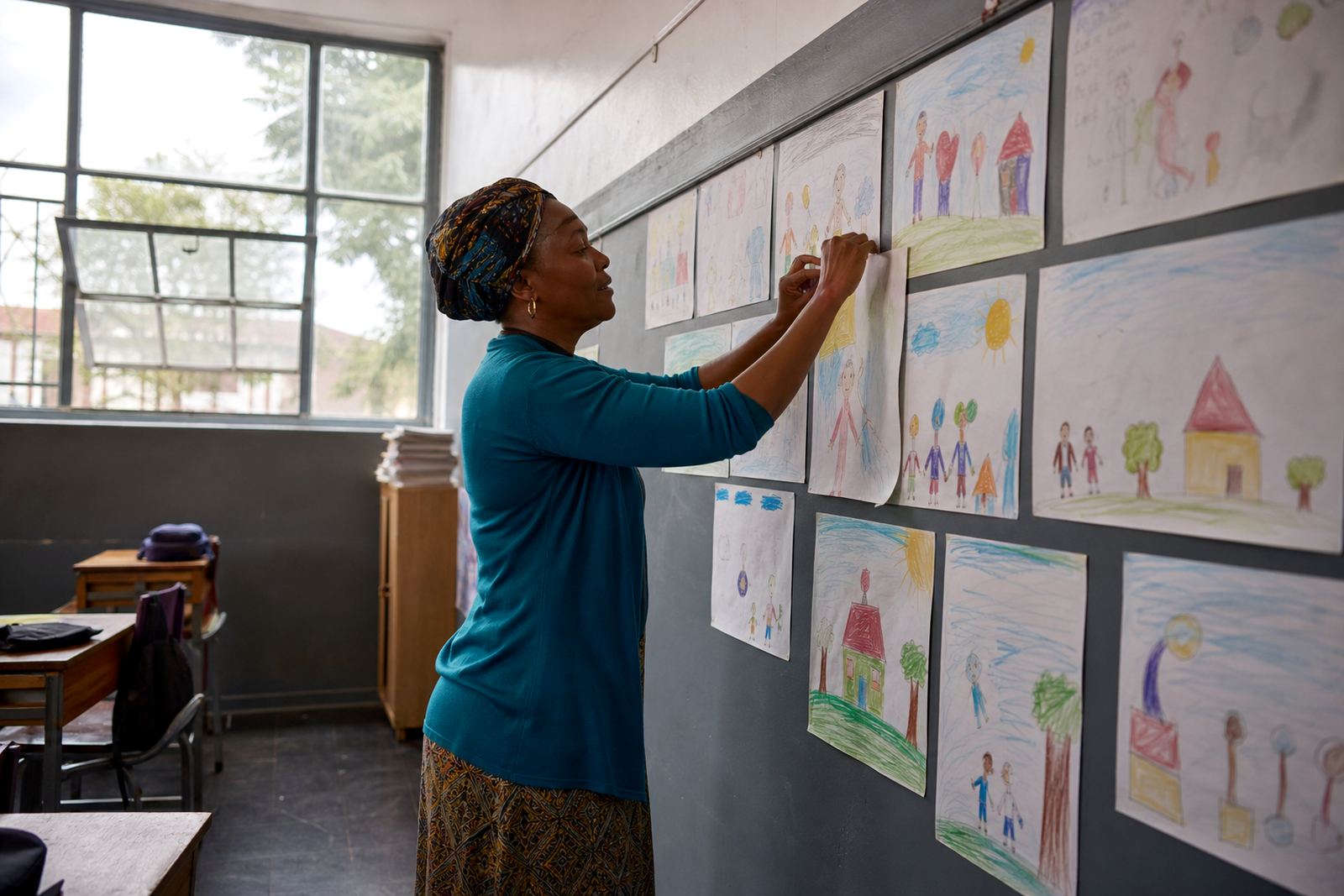
For nominations from places like Cape Town, Durban, Gqeberha or Polokwane, the same standard can apply without favouring one kind of story over another. A teacher who quietly supported learners through family strain can be assessed beside a first responder who handled a difficult community emergency, as long as both nominations are written clearly and kept to the point.
Privacy choices for sensitive cases
Some nominations involve events that are painful, personal or still unfolding. In those cases, anonymous review helps reduce risk. It also gives the nomination a better chance of being read on its merits rather than through the weight of private circumstances. The writer should use only the level of detail needed to explain the contribution and should avoid naming third parties who have not consented.
If sensitive information is mentioned, it should be handled with care and only where the nomination form asks for it. Private notes, medical detail, legal matters and family conflict should not be used as filler. The safer route is to describe the help given and the outcome seen by the community.
- Keep the account factual and brief.
- Remove names that are not required for review.
- Avoid identifying children or vulnerable people unnecessarily.
- Use our contact form if you need guidance on the form fields themselves.
A practical example from Johannesburg
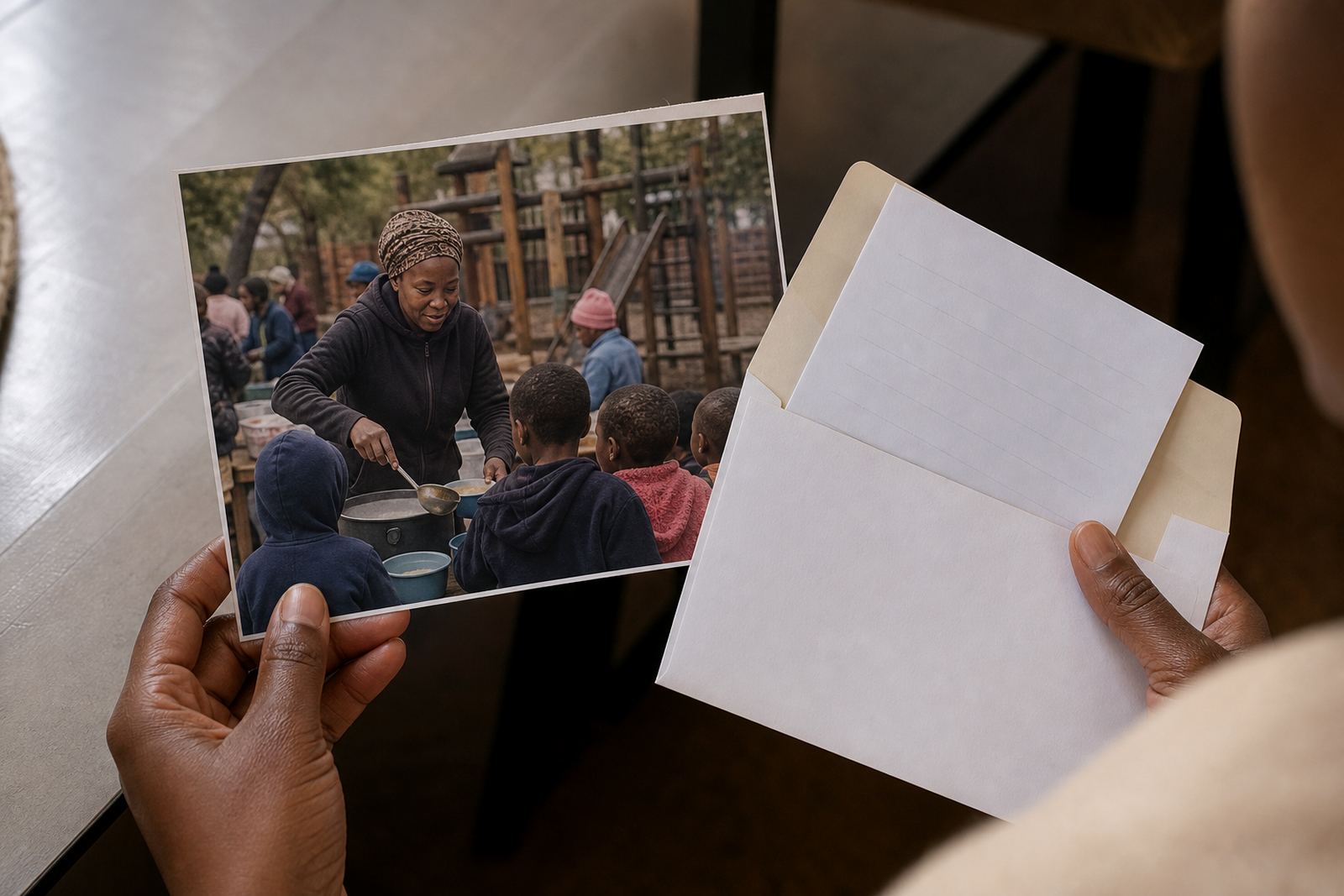
A nomination from Braamfontein might describe a volunteer who helps coordinate meals for neighbours after a fire in a nearby block. The reviewer needs to know what the person did, who benefited and why the work mattered. That is enough to see the contribution without exposing every private detail of the people involved.
Anonymous review is useful in a city where many communities are tightly connected. Word travels quickly, and people can be easy to identify from small clues. By keeping the first review stage focused on the service, the programme protects privacy while still making room for fair assessment. That balance helps the nomination stand on its own and keeps the process respectful for everyone involved.
For many public nominations, the best writing sounds almost plain. It says what happened, names the help and leaves the rest where it belongs. That is usually the safest way to let everyday good work be seen without turning the review into a private matter.