A photo should add context, not pressure
When people send a nomination, the first instinct is often to attach the clearest picture they have. That is not always the safest choice. A photo should show the person’s role in the community, or support the account of what they do, without drawing unnecessary attention to children, patients, vulnerable neighbours or a private home.
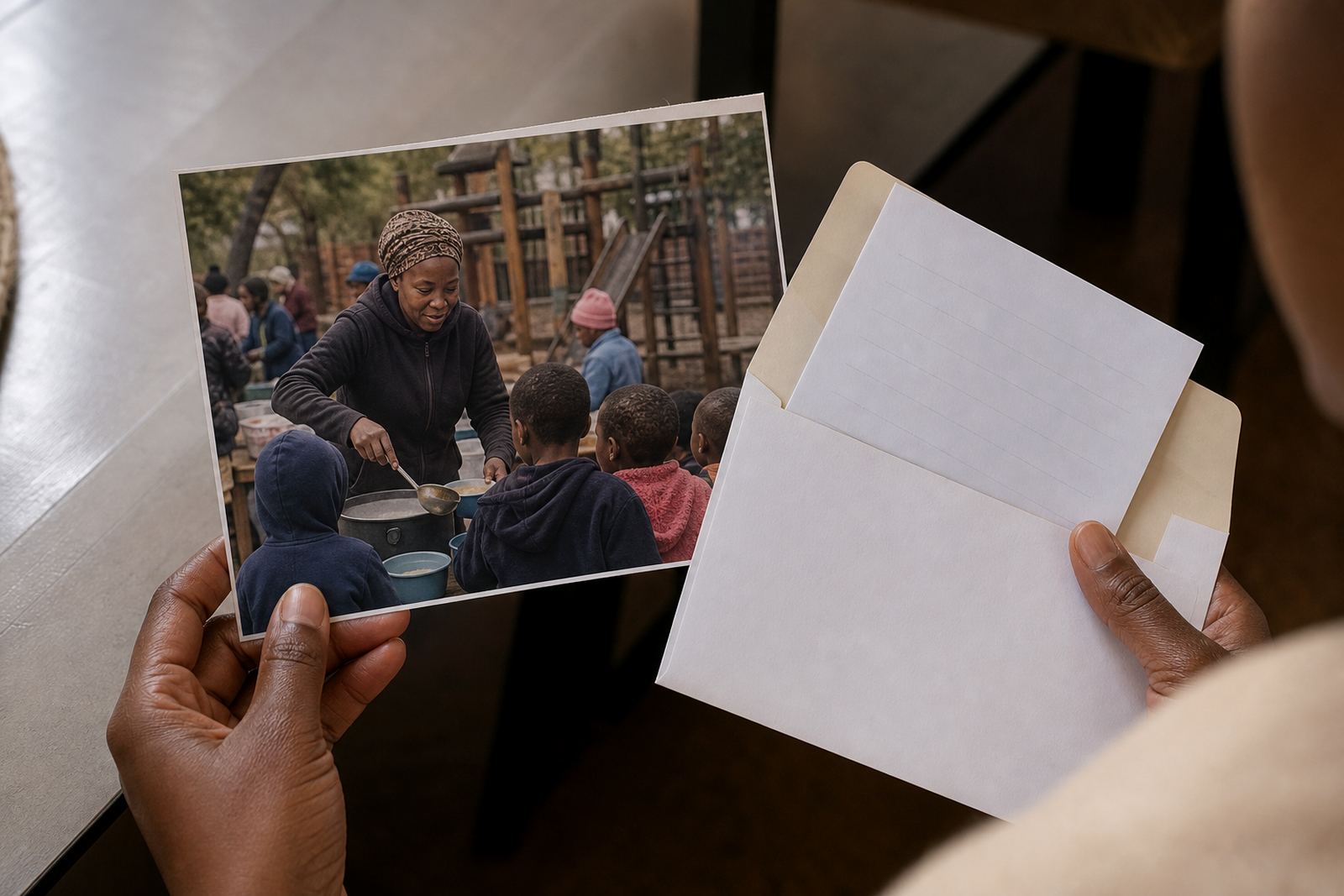
For an awards programme that recognises volunteers, carers, teachers, first responders and neighbours who step in, the image matters only when it helps tell the story. A picture of someone handing out food parcels at a public site may be useful. A close shot inside a clinic room, or a child’s face in a schoolyard, may be too revealing even if the moment itself is positive.
- Use clear, relevant images rather than crowded albums.
- Leave out photos that show addresses, number plates or private documents.
- Check whether anyone in the frame could be harmed by being identified.
The safest nomination pictures are usually plain and direct
A strong nomination photo does not need staged lighting or a polished backdrop. It needs to show the work honestly. A person arranging blankets at a shelter, speaking to a group at a community hall, or helping after a local flood can be enough if the image is respectful and easy to understand.
In Braamfontein and across Johannesburg, many community efforts happen in narrow spaces, borrowed rooms and busy streets. That reality does not weaken a nomination. It often strengthens it, as long as the photo does not expose people who did not agree to be part of the submission.
- Choose one or two images that support the written story.
- Keep the framing simple so the main action is easy to read.
- Avoid filters that distort faces or the setting.
Consent matters whenever a person can be recognised
If the nominee is visible in the image, they should know the photo is being used in a nomination. If other people can be recognised, their permission matters too. That is especially important where the nomination involves a school, clinic, church group, neighbourhood watch, or family care setting.
Consent is not just a polite extra. It protects the person in the photo and it protects the person submitting the nomination. A clear yes from the nominee is useful, and in some situations the safer step is to use a different image altogether. Where a child appears, extra care is needed and a wider shot or a different photograph may be better.
- Ask before using a portrait or a close group shot.
- Do not assume a public place means public consent.
- Use another image if someone objects, even after the photo was taken.
When a photo becomes a privacy problem
Some pictures reveal more than the sender intends. A badge on a gate, a hospital file on a table, a street sign near a home, or a uniform with a name tag can point to details that should stay private. A nomination can still be strong without these extras.
For SA Hero Awards, privacy also means thinking about sensitive situations. If the story involves illness, trauma, domestic strain or a child in care, a photo may do more harm than good. In those cases, a written account, a general setting image or no photo at all may be the better option.
- Blur or crop out identifying details only if the image still makes sense.
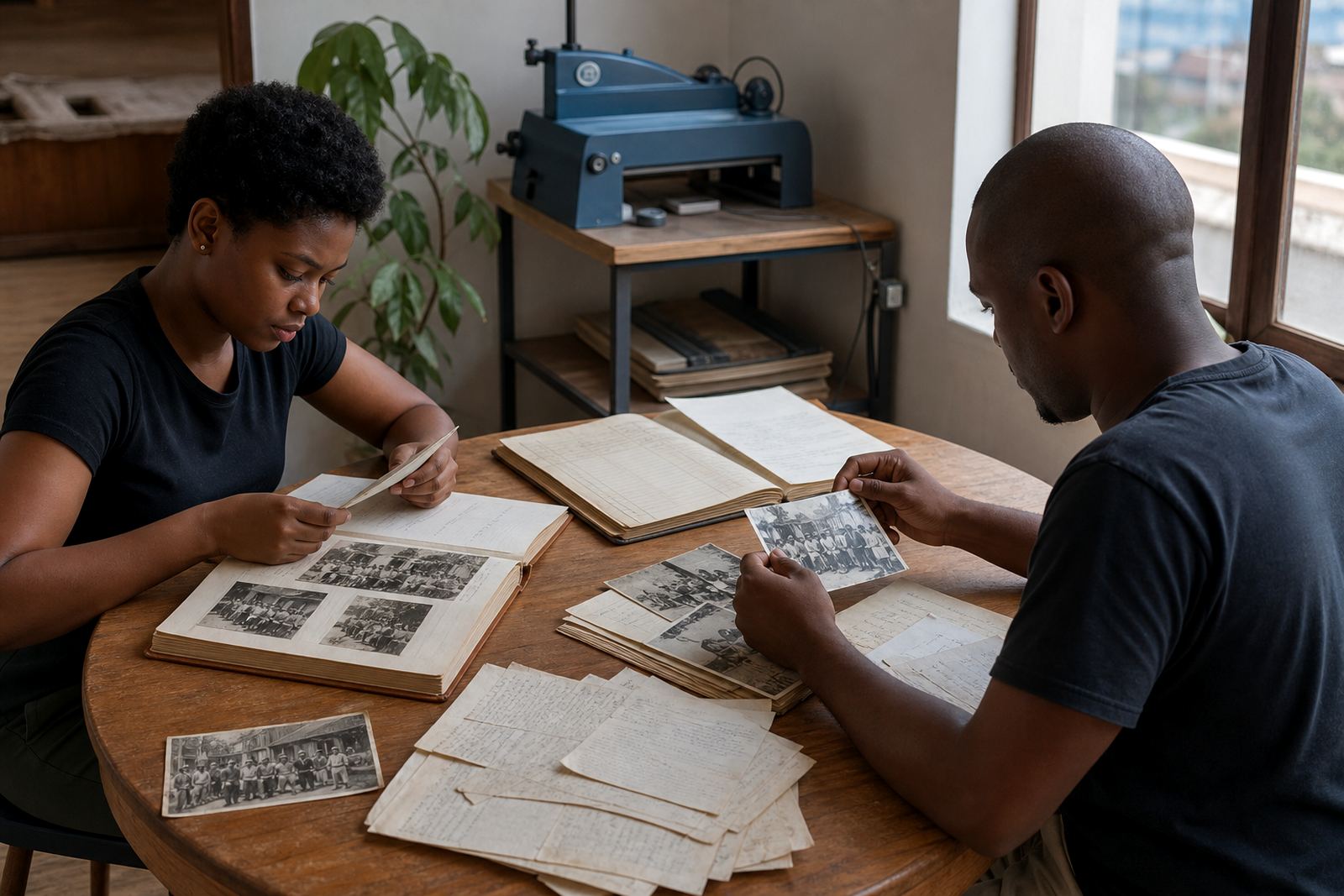
- Do not include paperwork, medical information or home interiors with personal items visible.
- Leave out anything that could lead strangers to a private person or address.
What makes a photo useful to the judging process
Photos are not there to replace the written nomination. They sit alongside the story, the evidence and the consent details. A useful image helps the judging process understand the setting, the action and the scale of the person’s contribution without pushing the submission into spectacle.
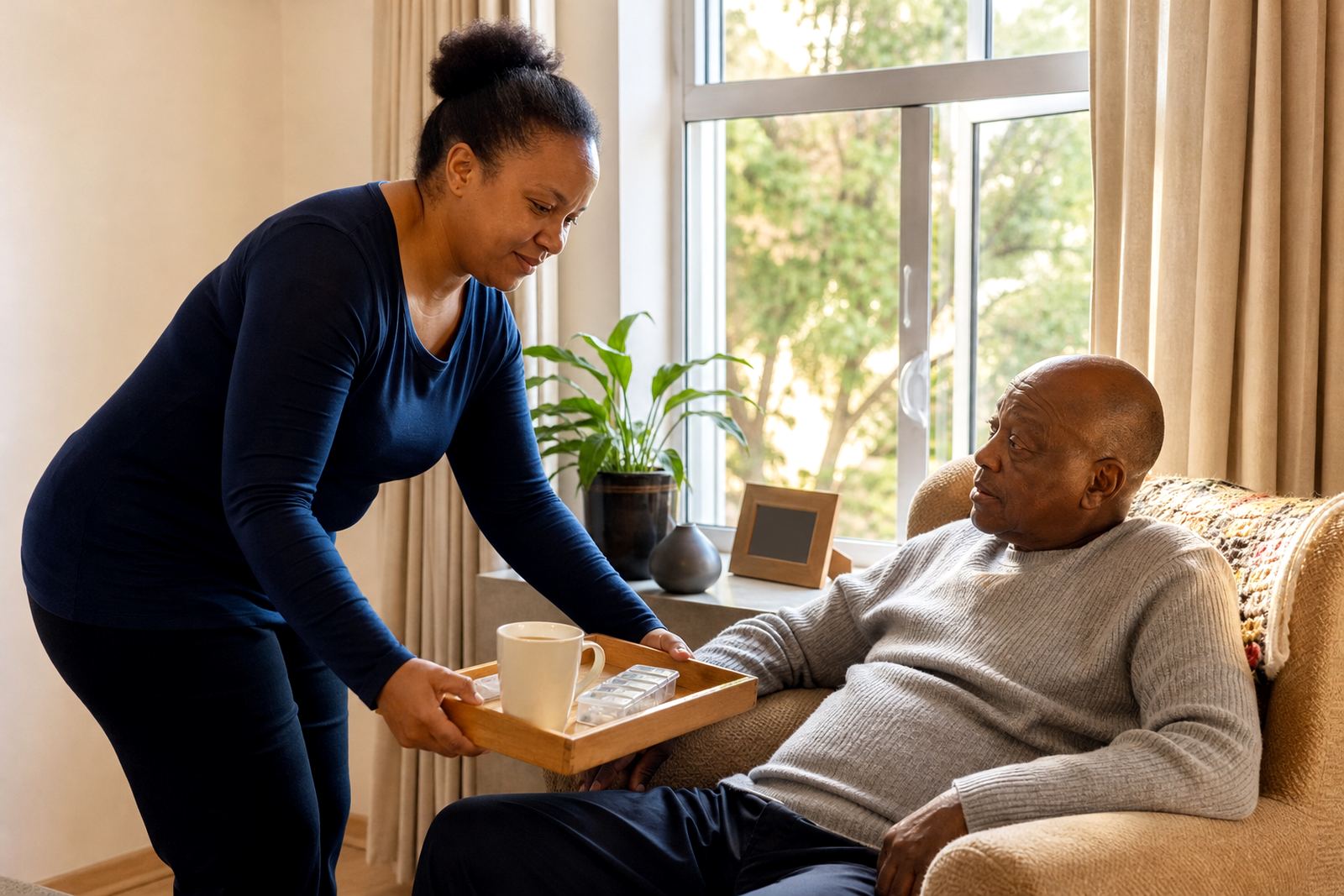
A picture of a teacher running a reading session, a carer helping with daily tasks, or a neighbour organising relief supplies can support the nomination well if the context is clear. The image should match what the story says. If the written account describes regular community work, the photo should not look like a one-off moment that gives a false impression.
- Make sure the image and the story agree.
- Use photos that show the nominee’s real role, not a posed version of it.
- Pick quality that is clear enough to understand, even if it is not perfect.
A Johannesburg example that keeps the person safe
Imagine a nomination from a resident in Melville who wants to recognise a neighbour helping elderly people carry groceries and collect medication. A photo of the neighbour standing outside a busy local shop, with no faces of the elderly clients visible, could support the story well. A photo taken inside someone’s home, with medicine boxes and private papers on show, would be a poor choice even if it feels more personal.
The safer version still tells the truth. It shows care, routine and neighbourhood effort without exposing the people being helped. That balance is what a careful nomination should aim for. The point is not to hide the work, but to show it with restraint.
- Use the public setting where possible.
- Keep vulnerable people out of frame when you can.
- Let the written story carry the detail the image should not reveal.
Before you upload, check the image as a stranger would
Take a final look at the photo and ask a simple question: what could a stranger learn from this picture that should stay private? If the answer is too much, choose another image. A nomination can still be complete with no photo, or with a safer one that says less but protects more.
That same care helps across every province where nominations are received, from Gauteng and the Western Cape to KwaZulu-Natal, the Eastern Cape and Limpopo. The standard is the same everywhere. Show the work, protect the person, and leave out details that do not belong in a public submission.
- Check faces, documents, addresses and vehicle details.
- Make sure children or patients are not exposed unnecessarily.
- Use our contact form if you need to ask about privacy in a nomination.