Name the act, not just the person
A nomination carries more weight when it describes a real action instead of a general compliment. A line like “she helps people” tells very little. A line like “she organised weekly food parcels for 18 families in Soweto for six months” gives the judging process something to work with. The more concrete the example, the easier it is to understand effort, scale and outcome.
Think in terms of one clear moment, one repeated effort, or one result that can be explained without guesswork. If the person teaches after school, say how often, who attends and what changed. If they step in during emergencies, explain what they do, where they do it and who relies on them. Small details often carry the strongest weight.
Write like someone who watched it happen
The strongest nomination sounds like a witness statement, not a slogan. Use plain facts and stay close to what you actually saw, heard, or experienced. If you are nominating a neighbour, teacher, volunteer or carer, describe the moment that made you notice them in the first place.
- Say what happened, not just how you felt.
- Include dates or a rough time period where possible.
- Name the place or community if it helps the story make sense.
- Describe the number of people helped, if you know it.
- Explain what problem was being solved.
For example, “helped many children” is vague. “Collected reading books, ran Saturday sessions and helped 24 learners improve their reading confidence” is far more useful. Judges can only assess what they can understand, so the nomination should read like a clear account of real work, not a tribute line.
Evidence does not need to be formal to matter
Useful evidence can be simple. It may be a photo, a letter, a message, a community notice, a programme outline, or a short account from someone who saw the work first-hand. The point is not to build a thick file. The point is to back up the story with something specific.
Good evidence shows pattern and consistency. A single image of a person handing over supplies tells part of the story. A few dated notes showing the same effort over several weeks tell more. If you have a document, make sure it matches the nomination. If you mention a school feeding effort in Alexandra, the supporting material should point to that same effort, not a different activity altogether.
- Use clear names for places, groups and activities.
- Choose evidence that matches the claim in the nomination.
- Keep personal information out of public-facing details unless needed.
- Do not overload the form with unrelated material.
Consent and privacy are part of the story
A nominee should know they are being put forward. That matters for respect, and it matters for privacy too. If the nomination includes a phone number, medical detail, family matter or workplace issue, pause and think about whether it is needed. The cleanest nomination gives judges enough to assess the work without exposing private facts that do not belong in public view.
Consent does not mean the nominee has to write the form themselves. It means they should understand the nomination and be comfortable with their name, story and supporting details being shared for the awards process. If the story involves children, patients, grieving families or other sensitive situations, say only what is necessary. Keep the focus on the service, not on private trouble.
our contact form can be used if you need help updating a nomination or clarifying what should stay private. That keeps the record tidy and reduces the chance of sending in more personal detail than the programme actually needs.
What a fair judging read looks like
A judge reading a nomination needs enough detail to answer three basic questions: what did the person do, how much effort was involved, and what changed because of it. A strong entry gives a clear picture of action, not just intention. It should show whether the person acted once in a crisis, or kept showing up in a steady way over time.
Judging criteria are easier to apply when the nomination separates story from praise. Clear writing helps the panel compare entries fairly across communities in Johannesburg, Cape Town, Durban, Gqeberha and Polokwane, as well as smaller towns and rural areas. A precise nomination does not need fancy language. It needs enough shape to show work, reach and result.
- What exactly did the nominee do?
- Who benefited, and how many people were involved?
- Was the effort one-off or ongoing?
- What changed after the action?
A Braamfontein example that shows the difference
Picture a nomination from Braamfontein. The first version says a community member “helps with learners”. The revised version says he opens a room after school three afternoons a week, helps Grade 4 and Grade 5 learners with reading practice, and provides worksheets collected from teachers in the area. That second version tells the judging process far more. It gives a rhythm, a setting and a visible result.
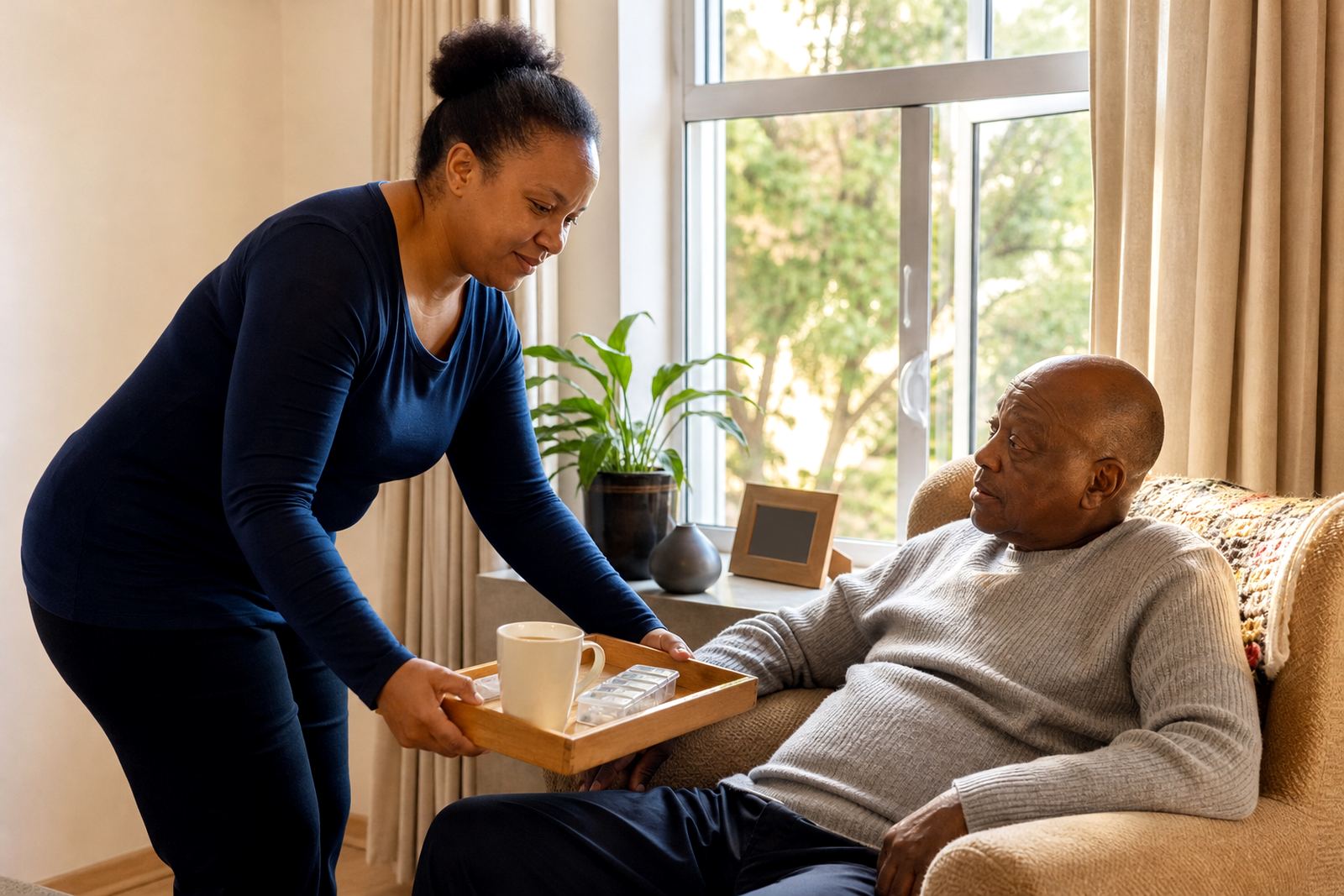
Another example: instead of saying a carer “looks after elderly people”, say they check on six older neighbours every weekend, carry medication lists to the clinic, and help arrange transport when someone is too frail to travel alone. Those details show effort and reach. They also help separate everyday kindness from sustained community service. That is the difference specific writing makes.
Across our nomination-based programme, the strongest entries usually read like a careful account from someone who paid attention. They do not need polished language. They need the facts that let the work stand on its own.
Before you submit, trim the story to its strongest facts
It helps to read the nomination once and ask whether each sentence earns its place. If a line does not add meaning, remove it. If a detail is vague, replace it with something sharper. A clean nomination is easier to review and less likely to blur the effort behind the act.
- Use names, places and actions where they help the story.
- Leave out guesswork and broad praise.
- Keep sensitive material limited to what is needed.
- Make sure consent is covered before submission.
- Use the contact page if you need to update details later.
Good writing is not about sounding formal. It is about showing the judges what took place in a way that respects the nominee and makes the contribution clear. When the details are right, the story stands on its own.