
Care is often hidden in plain sight
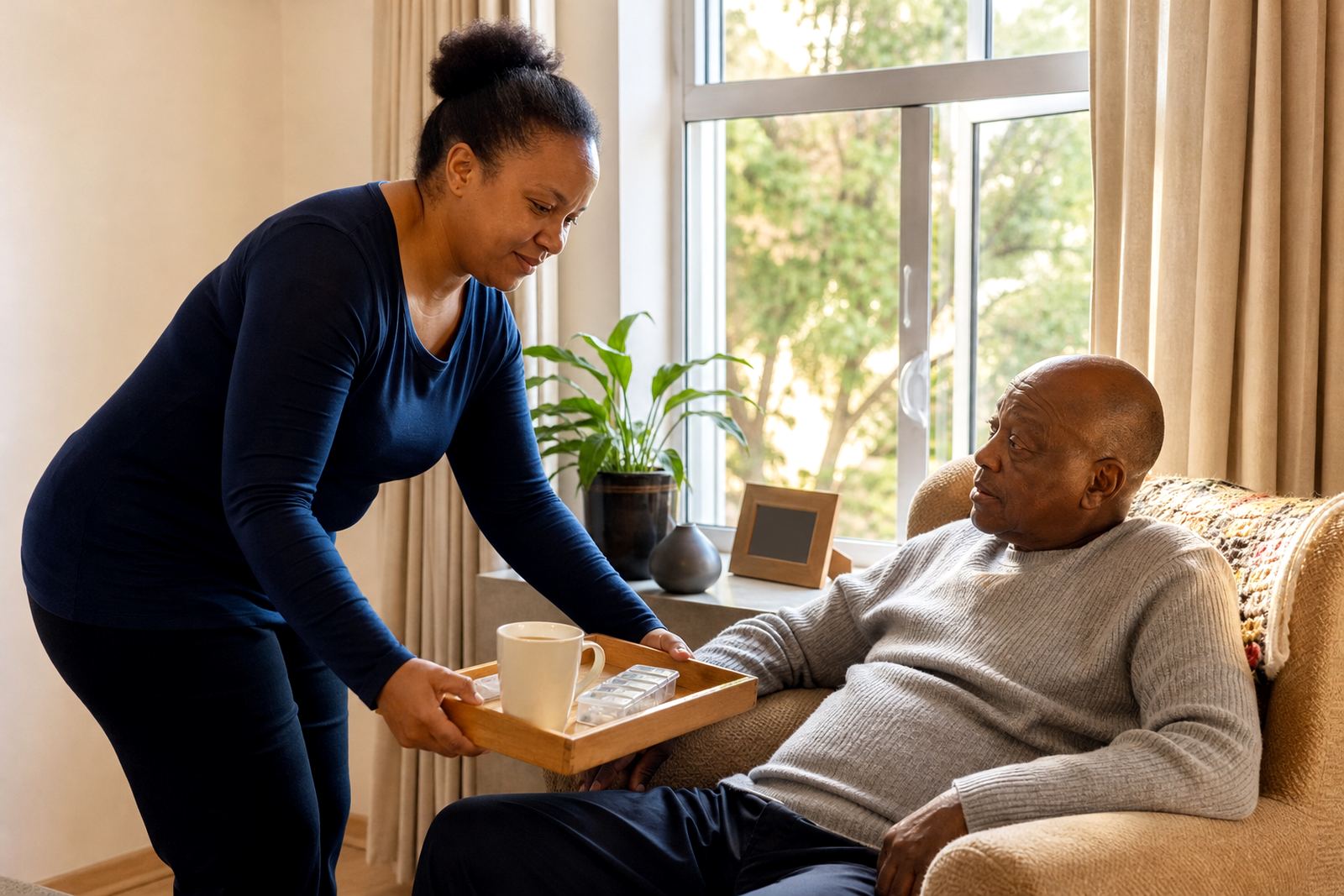
Carers are not always in formal roles. Some help an elderly neighbour with groceries, medication and clinic trips. Others keep a child, family member or community member safe through school runs, meals, bathing, reminders and steady company when life feels heavy. The work is practical, patient and easy to miss if you only look for big gestures.
That is why a nomination for a carer should focus on what happens on ordinary days. Describe the tasks, the hours, the emotional weight and the way the nominee keeps going when no crowd is watching. The strongest entries show care in action, not just in praise.
Think of a woman in Braamfontein who helps an older tenant with transport money, lifts heavy shopping bags and checks on her every evening after work. Or a young man in Durban who rotates clinic visits with his siblings so his mother can rest. Those are the kinds of details that help a judging team understand the real value of the role.
What makes a nomination feel complete
A carer nomination works best when it gives context. Who is the nominee caring for, what do they do, how long have they been doing it, and what changes because of their support? Judges need enough detail to separate a passing kind act from steady, repeated care.
Use plain language and avoid broad claims that cannot be backed up. A strong submission usually includes:
- the nominee’s name and the community they serve
- the relationship between the nominee and the person or people they help
- specific examples of care, such as feeding, transport, supervision, medication support or daily check-ins
- the impact on safety, dignity, attendance, health or family stability
- the name and contact details of the person making the nomination, where required
If the nominee acts quietly, that is not a problem. Quiet work can still be powerful. The key is to show repeated effort, not one emotional moment with no follow-through.
Consent matters before the story is sent
Before you submit any carer nomination, ask the nominee if they are comfortable being entered. Some carers are private people and may not want their personal life or family situation discussed publicly. Others may help vulnerable people, so permission matters even more.
Consent should be direct and informed. The nominee should know what kind of information will be shared, who may read it, and whether their name or image could be used in public materials. If the person is unable to consent for themselves, the nomination needs to be handled with care and in line with the rules of the awards programme.
Do not include medical details, home addresses or sensitive family information unless it is truly necessary and allowed. If a detail can be left out without weakening the nomination, leave it out. Privacy is part of respect, especially when the story involves illness, disability, age or safeguarding concerns.
Useful evidence without turning the file into clutter
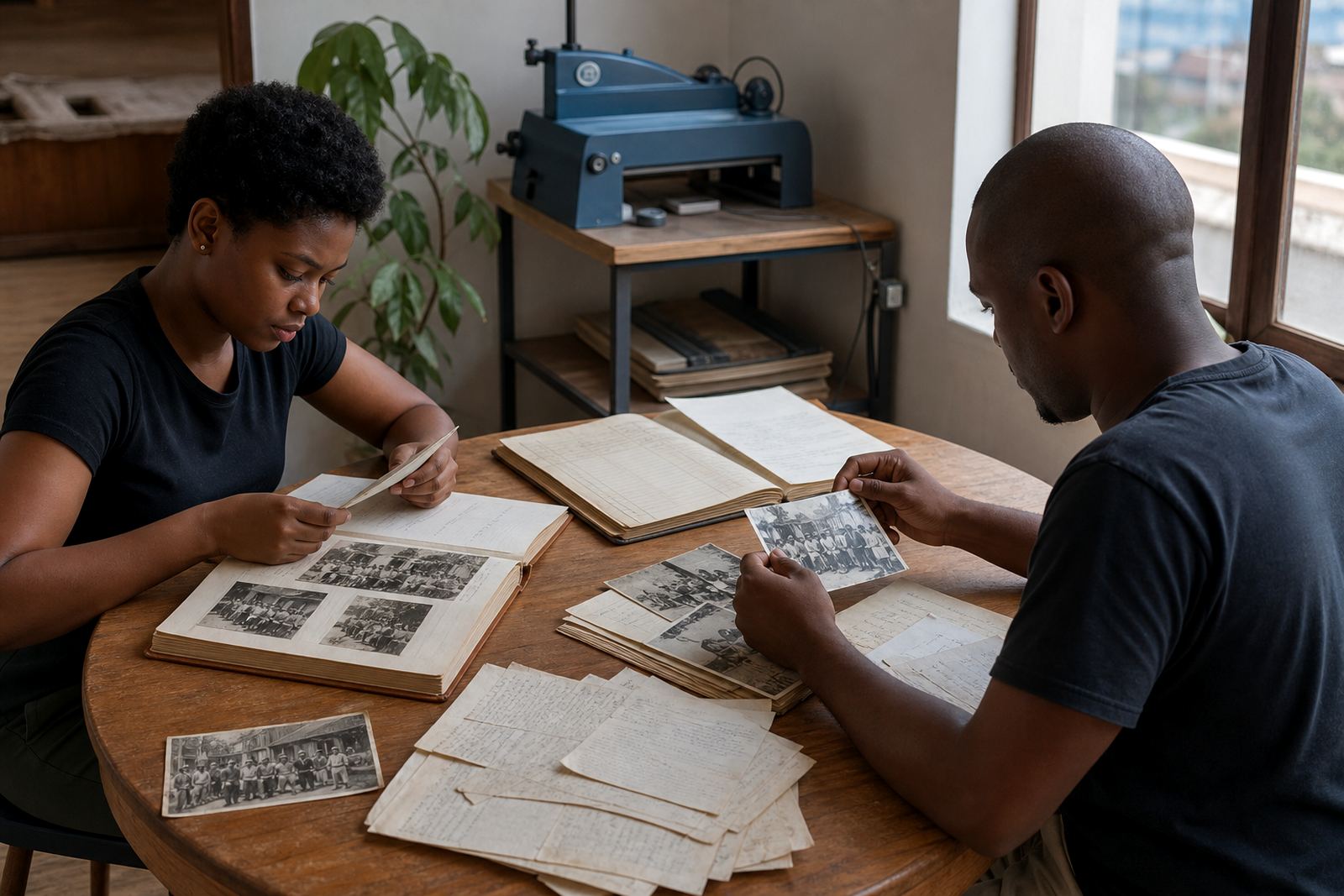
Evidence should support the nomination, not drown it. A short statement from someone who has seen the carer’s work can help. So can a photo of the nominee in a community setting, where appropriate, or a short note that shows the kind of support they give. The aim is to prove the pattern of care, not to create a heavy file.
- keep screenshots readable and dated where possible
- use written examples that show repeated help, not vague praise
- leave out unrelated documents
- make sure any shared image or note was allowed by the people involved
- if the care is ongoing, describe what is happening now rather than only the past
In a Limpopo village, for example, a nomination might mention how a neighbour checks an older man’s home each morning, helps him keep track of clinic paperwork and alerts family if he seems unwell. That is specific, useful evidence. It tells the judging team how the care works in real life.
How the judging view the story
Judging for a carer nomination is usually grounded in a few plain questions. Is the care genuine? Is it consistent? Does it help someone live with more safety, dignity or stability? Does the nomination explain the nominee’s role clearly enough for someone outside the family or street to understand it?
The best submissions do not overstate the case. They give enough detail for a fair reading and let the facts carry the weight. That includes being honest about limits. A nominee may not have formal training or a public title, yet still make a serious difference every week. A judging team can recognise that when the nomination is specific and balanced.
Use the judging criteria in plain terms: visible effort, regular support, community value, and the difference the care makes. If the nomination reads like a story someone could only tell because they know the person well, that usually helps.
A local submission example from Johannesburg
Picture a nomination from a family in Johannesburg, sent in by a neighbour who has watched the work unfold over many months. The nominee wakes early to prepare meals for an aunt recovering after surgery, then helps a schoolgoing child dress and leaves instructions for the afternoon. On weekends, the same person shops, checks on prescriptions and makes time for a frail neighbour next door.
What matters in that example is not drama. It is rhythm. The nomination shows a steady pattern of care, the kind that keeps households going when money is tight and time is short. That kind of story is strong because it shows responsibility without exaggeration.
If you are writing for a carer in Cape Town, Durban, Gqeberha, Polokwane or anywhere else in South Africa, keep that same discipline. Name the task, explain the effect, protect the private parts and let the day-to-day work speak for itself.
A cleaner way to put the nomination together
Before you submit, read the whole entry from top to bottom and ask whether a stranger would understand the care role without guessing. If the answer is no, add one or two precise lines and remove anything that feels vague, emotional only, or unrelated.
- state who the carer is and who benefits from their help
- describe the daily duties with plain examples
- check that the nominee agrees to be entered
- keep private details limited to what is needed
- make sure the story matches the evidence you include
If you need to update an existing entry, keep the new details focused on the carer’s work and any missing facts. A careful nomination respects both the person being recognised and the people around them.