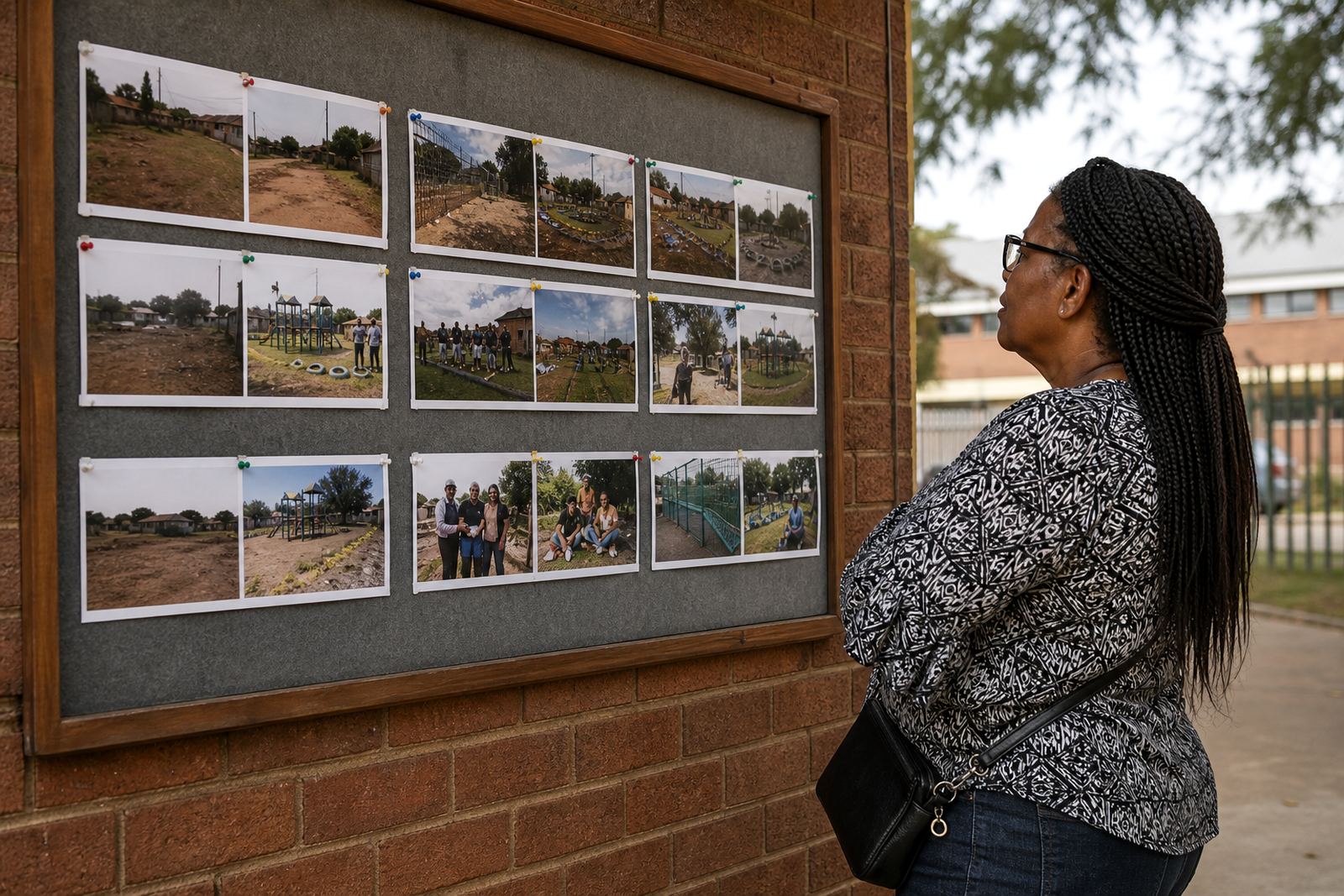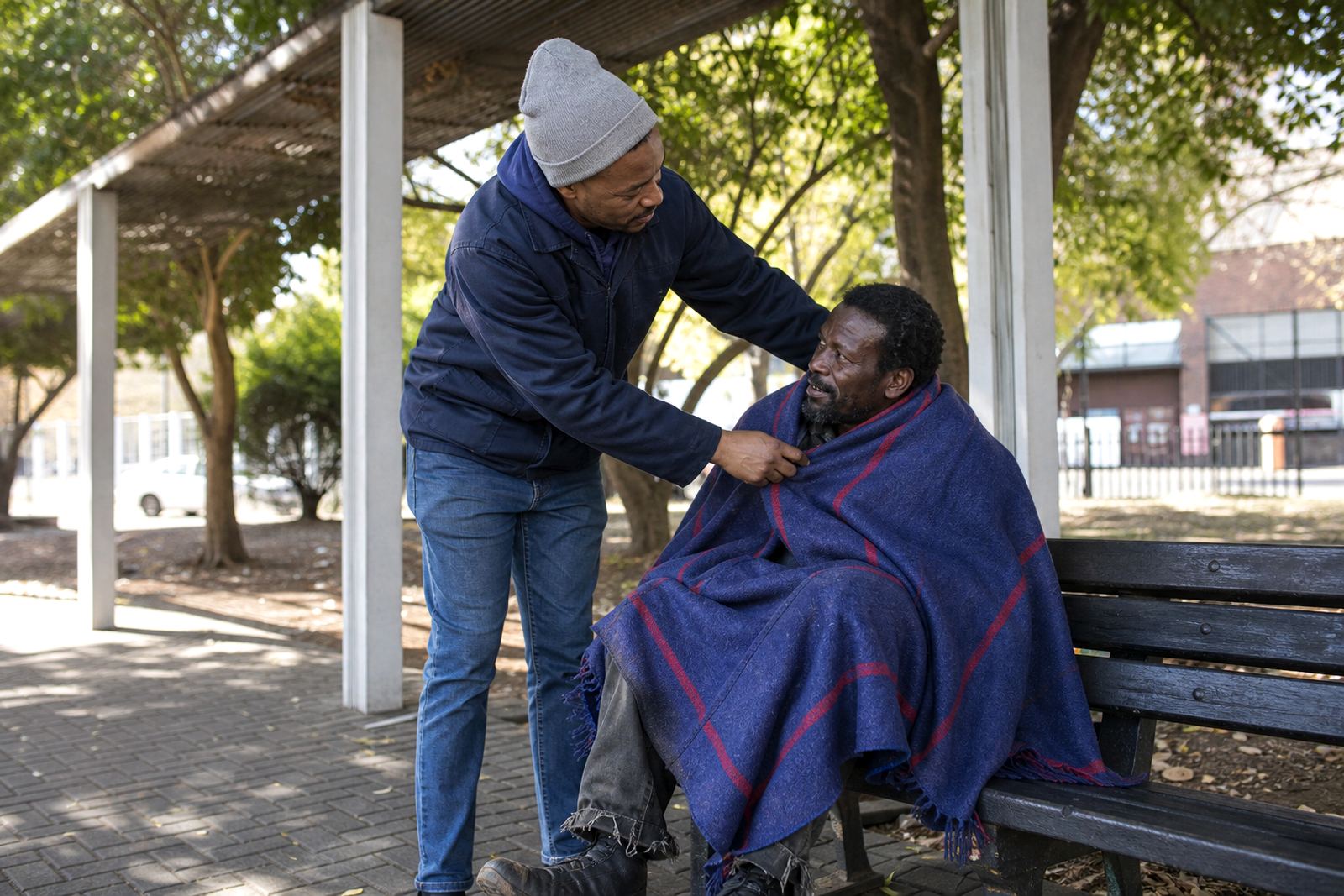
A good nomination starts with plain facts
A useful nomination names the person, the help they gave, and the setting where it happened. That sounds basic, yet many submissions lose their strength because they drift into praise without giving the judging panel anything solid to work with. A clear account is better than a dramatic one.
When someone has spent Saturdays helping at a school feeding point in Johannesburg, or checked on elderly neighbours in a Cape Town block during a difficult winter, say what they actually did. Use dates if you know them, place names if they matter, and tell the story in ordinary language. You do not need polished wording. You do need truth, context and enough detail to show the effort involved.
- State who the nominee is and where they helped.
- Describe the task, not only the title.
- Say who benefited, without naming private details that are not needed.
- Include one or two examples that prove the help was real.
Consent is part of dignity
A nominee should know they are being put forward. That is not only a courtesy, it protects their privacy and keeps the process fair. A person may be helping quietly and not want their name spread widely, especially where children, patients, or vulnerable neighbours are involved.
If the nominee agrees, keep the consent clear and specific. Tell them what the programme is for, what information is being shared, and whether their name or picture may be used in public material. If they do not want certain details shared, leave them out. A careful nomination can still be strong without exposing a person to unwanted attention.
- Ask before you submit personal details.
- Check whether photos or written statements are allowed.
- Keep family contact details out unless they are necessary.
- Do not include medical, school or case notes that are private.
What makes a nomination strong enough to judge
Judging works best when the submission answers a few plain questions. What did the person do. How often did they do it. Who was helped. What changed because they stepped in. The panel is not looking for the loudest story, but for a believable one that shows steady contribution and care.
A nomination can also explain the setting. A teacher in Polokwane who stays after hours to help a learner with reading is not the same as a neighbour who checks on elderly residents after heavy rain. Both matter, but the reasons matter differently. The more specific the account, the easier it is to understand the nominee’s role.
- Show repeated effort, not a single good deed only.
- Explain the scale of the help in simple terms.
- Note whether the person worked alone or with others.
- Keep claims realistic and backed by details.
Useful evidence can stay light and respectful
You do not need a file full of paperwork to make a nomination credible. A short written account, a few supporting notes, or a witness statement can be enough if they are relevant and accurate. Evidence should support the story, not crowd it.
In a local example from Braamfontein, a resident might nominate a block caretaker who helped coordinate food parcel distribution when a few tenants were stranded by transport problems. A useful submission would not list every household. It would explain the caretaker’s role, the kind of support given, and why the community saw it as meaningful. That keeps the dignity of the people involved intact.
- Use short statements from people who saw the help happen.
- Keep photos focused on the action, not private faces where avoidable.
- Do not upload irrelevant records or sensitive documents.
- Only include evidence you are comfortable sharing.
Privacy is not a side note
Privacy matters because many nominations involve ordinary people doing sensitive work. A first responder may not want certain locations named. A carer may not want family matters described in public. A volunteer may prefer that only part of their story be shared. The submission should respect those boundaries.
The safest approach is to share the minimum needed for assessment. That means avoiding full identity details for other people mentioned in the story, and being careful with information about health, home life, school issues or personal hardship. If you are unsure whether something belongs in the nomination, leave it out unless it is essential.
- Use initials or general descriptions where possible.
- Leave out private addresses and contact details.
- Keep sensitive family information out of the main story.
- Separate public facts from private support details.
Updating a nomination without losing the thread
Sometimes a nomination needs a correction. Maybe the spellings are wrong, a date was missed, or a better example comes to mind after you submit. Updating should keep the original story intact while improving accuracy. Avoid turning the nomination into a different story altogether.
If the person has done more since the first submission, add only what helps the judges understand their contribution more clearly. A nomination from Durban may begin with one example of neighbourhood feeding support and later need a note about the same person helping to organise school uniforms. Both details can fit, as long as they remain truthful and relevant. Care and dignity still guide the wording.
- Correct errors rather than rewriting the whole account.
- Add only facts that strengthen the original submission.
- Keep the tone respectful, even when editing.
- Make sure any new detail still has consent attached to it.