Start with the change, not the compliment
When a nomination only says someone is caring, hard working, or respected, the panel still has to guess what happened on the ground. Strong entries explain the change in plain terms. Did a volunteer organise food parcels for a cluster of households in Gauteng. Did a teacher keep learners reading through a difficult term. Did a neighbour step in when an elderly resident had no transport to a clinic in Durban. Those details matter more than broad praise.
Think of the nomination as a short record of impact. Say what problem was there, what the nominee did, and what changed afterwards. A clear nomination does not need polished language. It needs facts that show human effort and a real result.
- Describe the situation before the nominee stepped in.
- Explain the action they took in ordinary language.
- Show the effect on people, not only on the nominee.
- Keep the story specific to one community or event.
A useful nomination sounds like evidence, not applause
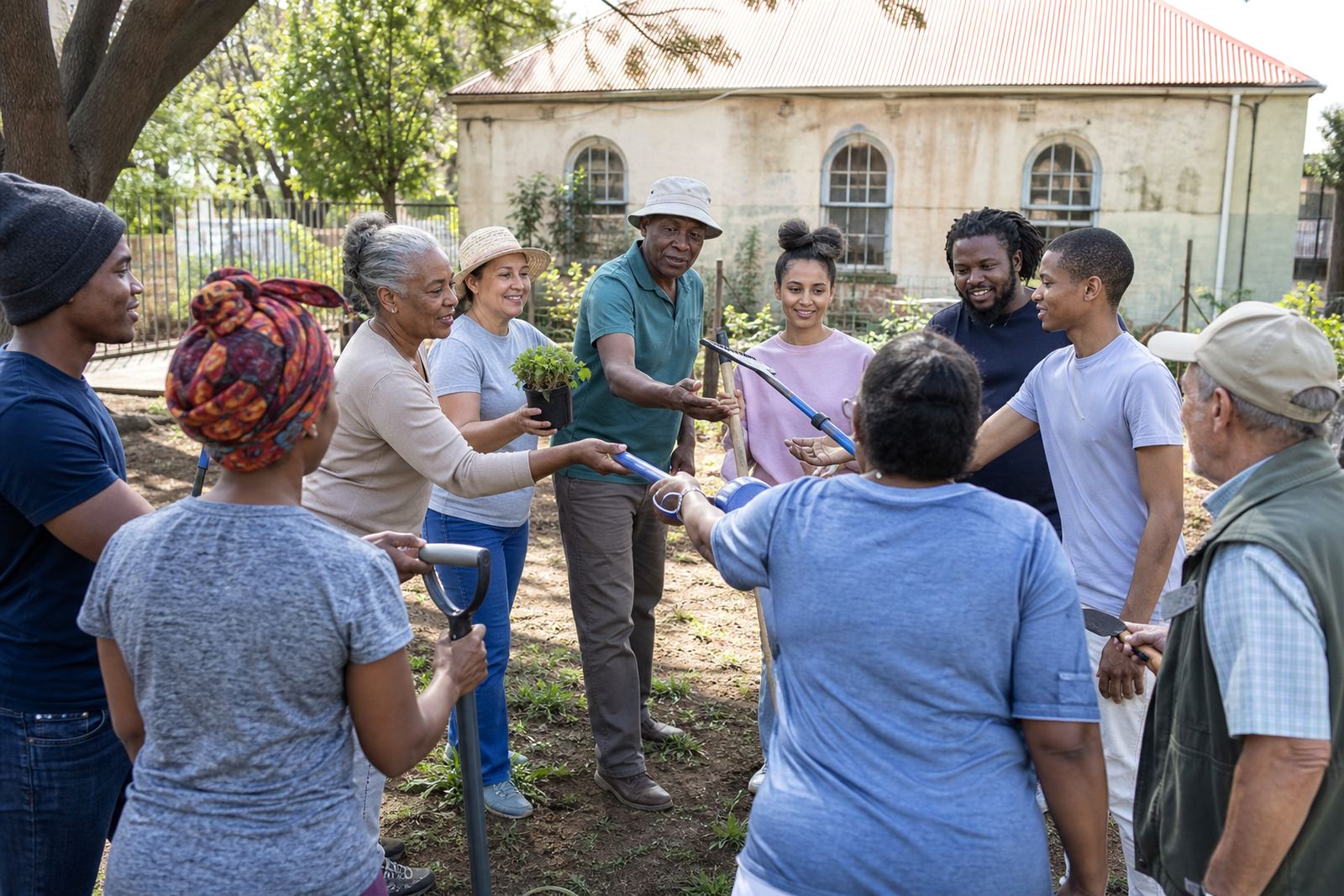
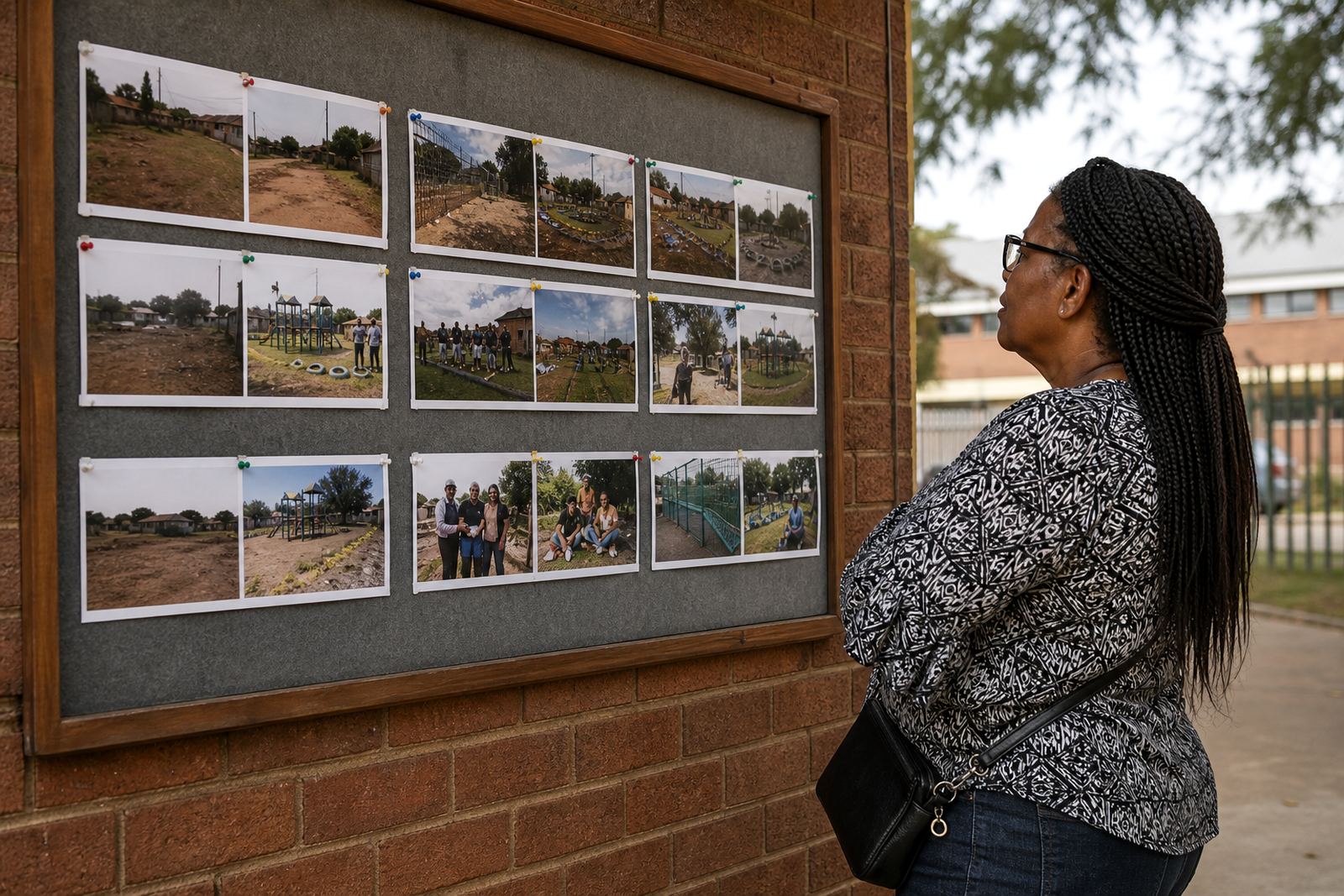
The review process works better when a nomination includes proof that can be checked. That does not mean stacks of paperwork. It means enough detail to support the story. A letter from a school principal, a photo of a community clean-up, a record of a support group meeting, or messages from residents can all help if they are relevant. For a carer, the focus might be on the support given to a family over time. For a first responder, it might be the calm steps taken in an emergency and the people assisted.
Evidence should match the claim. If the nomination says the person helped organise a food drive, the submission should explain where it happened, who benefited, and what role the nominee played. If it says they improved safety in a block of flats, the story should describe the steps and the result. The aim is not to overload the form, but to make the difference visible.
- Include dates or periods where they are known.
- Use names only where permission has been given.
- Attach only material that supports the story.
- Leave out rumours, assumptions, and exaggeration.
Consent is part of respect, not a box to tick
A nominee should know they are being put forward and should agree to it. That protects their privacy and avoids awkward surprises. It also helps the story stay honest. If the person is not comfortable being named publicly, the nomination must say so. Some community workers prefer limited exposure because they work with vulnerable people or handle sensitive matters. That needs to be respected.
Consent matters even more where the story touches on children, health, safety, or private hardship. In those cases, the nomination should use careful wording and avoid details that are not needed. The panel only needs enough information to understand the contribution. It does not need private medical notes, home addresses, or anything that could put someone at risk.
- Ask the nominee before submitting their name and story.
- Remove personal details that are not essential.
- Do not upload sensitive records unless they are needed.
- Keep the account respectful when families are involved.
The judging lens looks for service, reach, and proof
Judging is usually clearer when nominations show three things: the service itself, the reach of that service, and the proof behind it. Service means the actual help given. Reach means who benefited and how far the effect went. Proof means the supporting detail that makes the account believable. A neighbour who helps one household through a crisis can be just as worthy as someone who coordinates support across several suburbs. The scale may differ, but the value can still be high.
A strong nomination also explains why the contribution matters in its local setting. In Braamfontein that may mean helping students, workers, or street traders. In Polokwane it may mean support in a farming area, a church group, or a clinic queue. Context helps the panel see the real weight of the action. Without that, the story can sound ordinary when it was actually significant.
Good nominations usually answer these points:
- What need did the nominee notice?
- What did they do, step by step?
- Who benefitted from the action?
- What changed as a result?
How to write a story that stays grounded
Many nominations lose force because they drift into praise and forget the outcome. A grounded story keeps the focus on the difference made. Use short sentences. Use everyday words. Avoid big claims that cannot be backed up. If someone helped a school sports club get equipment, say what changed for the learners. If a community member drove patients to appointments, say how that eased access. If a volunteer organised relief after heavy rain, say which homes or groups were supported.
A local example helps. Picture a resident in Soweto who starts delivering cooked meals to older neighbours during a difficult winter. The strongest nomination would not stop at saying she is kind. It would explain how many households were helped, how she organised the meals, and what the neighbours said changed for them. That is the level of detail that shows impact without padding the story.
Privacy and public questions need careful handling
Some nominations will draw public questions, especially when a person works in a visible role. That is where privacy explanations matter. The programme should make clear what information is public, what stays private, and how updates are handled if a nominator needs to amend a submission. Sensitive material must be treated with care, especially when the story includes family matters, community conflict, or a vulnerable nominee.
If a nomination is under review, the details should stay limited to what is needed for the process. Public questions should be answered without exposing private information. That balance protects the nominee and the people around them. In practice, it means being careful with names, locations, photos, and supporting notes. It also means using our contact form rather than sharing private details in open spaces.
- Keep the public version short and respectful.
- Share only the facts needed for assessment.
- Use the correct nomination category for the story.
- Update details only where they improve accuracy.
What a solid submission looks like in practice
A clean nomination usually has a clear subject, a specific contribution, and supporting detail that matches the claim. It tells the panel who did what, for whom, and with what effect. That is the difference between a warm compliment and a convincing case. Whether the nominee is a teacher, nurse, volunteer, cleaner, driver, youth mentor, or a neighbour who stepped in at the right time, the focus stays on the outcome.
For nominations throughout South Africa, from Cape Town and Gqeberha to Durban, Polokwane and Johannesburg, the same principle applies. Show the change. Show the evidence. Show consent. If those parts are in place, the story becomes easier to assess and harder to ignore.
Our office in Braamfontein, Johannesburg handles the nomination process across the listed regions, and people can use our contact form for public questions, updates, and guidance on the categories.