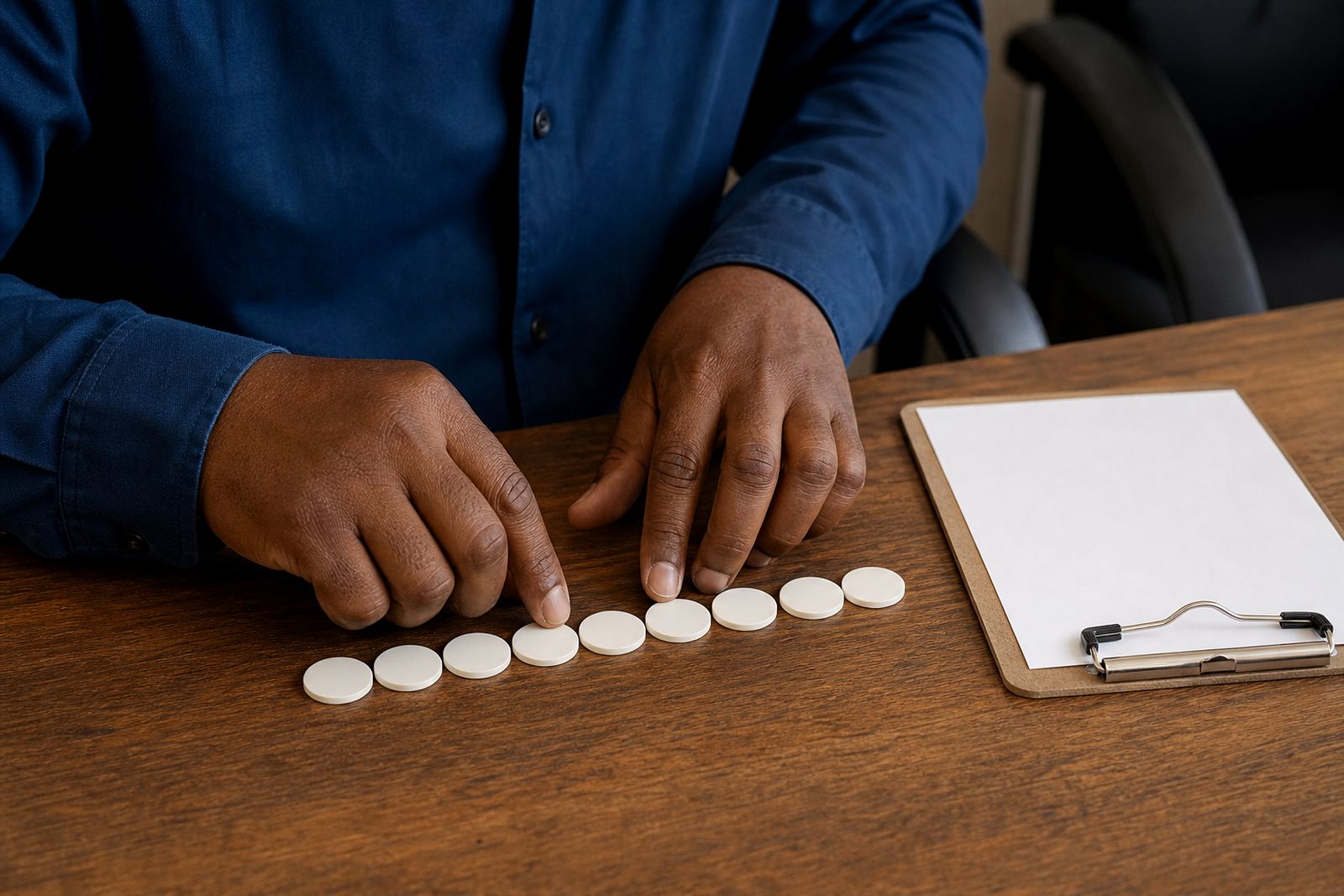
When small acts keep repeating, people notice
In Braamfontein and across Johannesburg, the most convincing community stories are often not flashy. They are made up of repeated actions: a teacher who stays late to help struggling learners, a neighbour who checks on an older person after every heavy rain, or a volunteer who keeps turning up at the clinic gate to guide visitors through a crowded morning.
Consistency gives a nomination weight because it shows pattern, not luck. It tells the judging process that the nominee has not helped once for a photograph. They have shown up over time, across different days and different pressures, and the community has felt that presence.
What a steady nomination needs on the page
A strong nomination states clearly who the nominee is, where they serve, and what they do on a regular basis. It should set out the work in plain wording, then explain how that work reaches people in the area. One focused paragraph is better than a long trail of praise.
- Explain the role in ordinary words, not slogans.
- Give dates, places, or recurring moments where the help happened.
- Show the reach of the work, such as one street, one school, one ward, or one care group.
- Include useful evidence like a photo, letter, message, or record where appropriate.
- Keep the story tied to real actions, not broad claims.
It helps when the writer can separate habit from a single incident. A first aid incident matters, but so does the person who restocks supplies every week or keeps a support line alive through cold mornings and busy months.
Consent matters before the story moves forward
Before a nomination is submitted, the nominee should know their name and story are being shared for an awards process. Consent is not a small box to tick and forget. It protects dignity, and it keeps the entry honest.
If the nominee is a caregiver, a volunteer in a close-knit area, or someone working with vulnerable people, the nomination should be careful about private details. Share only what is needed to explain the service. If a child, patient, or neighbour appears in the story, think twice about identifying them unless there is a clear reason and proper permission.
- Ask the nominee if they are comfortable being entered.
- Do not include sensitive medical, safety, or family details unless needed.
- Use broad descriptions when a full name is not necessary.
- Keep contact details and supporting material limited to what the process needs.
Judging consistency without turning it into a numbers game
A fair judging process looks at more than volume. Ten acts of help are not automatically better than two acts that changed a community routine. The question is whether the service is regular, meaningful, and grounded in real need.
Judging criteria usually sit around clarity, consistency, community impact, and evidence. A nomination should help the panel see what the nominee did, who benefited, and how often the effort showed up. It should also make space for context. A first responder in a busy area may have a different pattern of service from a reading tutor in a small township hall, yet both can show the same steady commitment.
For a programme based in Braamfontein, that means nominations can arrive from Johannesburg, Cape Town, Durban, Gqeberha, Polokwane, and smaller towns too. The point is not where a person lives. The point is whether the story shows dependable service that people around them can recognise.
Useful evidence that supports the story without crowding it
Evidence works best when it supports the narrative instead of taking over it. A nomination should read like a human account first, with proof helping to anchor the details. That might be a short testimony from a school principal, a community note, a dated photo from a clean-up day, or a log of regular outreach visits.
Keep the file set tidy. If the material is scattered, the story can lose shape. If the evidence is overpacked, the important parts can disappear in the noise. The aim is to make the service easy to understand, not to overwhelm anyone with everything ever collected.
- Choose a few pieces that show pattern and impact.
- Match each item to a claim in the nomination.
- Label files clearly so the review process is easier to follow.
- Leave out anything that could expose a person to unnecessary risk.
Updating a nomination when the work keeps growing
Community service does not stand still. A volunteer may take on new duties, a teacher may start a reading circle, or a carer may begin supporting a wider group of neighbours. If that happens, the nomination can be updated with fresh detail, as long as the new information stays true to the original story.
That matters because consistency is not only about length of service. It is also about how the work adapts. In Gauteng, for example, a neighbourhood organiser may begin with food parcels, then shift to transport help for clinic visits when the need changes. The service remains steady even as the form changes.
When updating a nomination, keep the original core intact and add what is new. Avoid rewriting the story so often that it loses its shape. Small, accurate updates are usually stronger than a polished version that no longer sounds like the person who was actually there.
Public questions and private details can sit in different places
People often want to ask whether a nomination is eligible, whether consent is needed, or whether a story can be changed after it is submitted. Those questions can go through our contact form, and the answers should stay focused on process, privacy, and what the nomination needs to show.
Not every part of the story belongs in public view. A fair awards programme leaves room for open community recognition while still protecting personal details. That balance is especially important when nominees work with children, older people, or communities that carry more risk if private information spreads too far.
Consistency counts because it reveals character over time. A single big gesture can matter, but repeated service tells a deeper story about how a person lives among others and what they keep doing when no one is watching.