Say what happened, then step back
When a nomination includes hardship, the goal is not to make the story larger than it is. The cleanest wording names the help that was given, the setting where it happened and the result for the people involved. It leaves out drama, guesswork and any detail that would embarrass the nominee later.
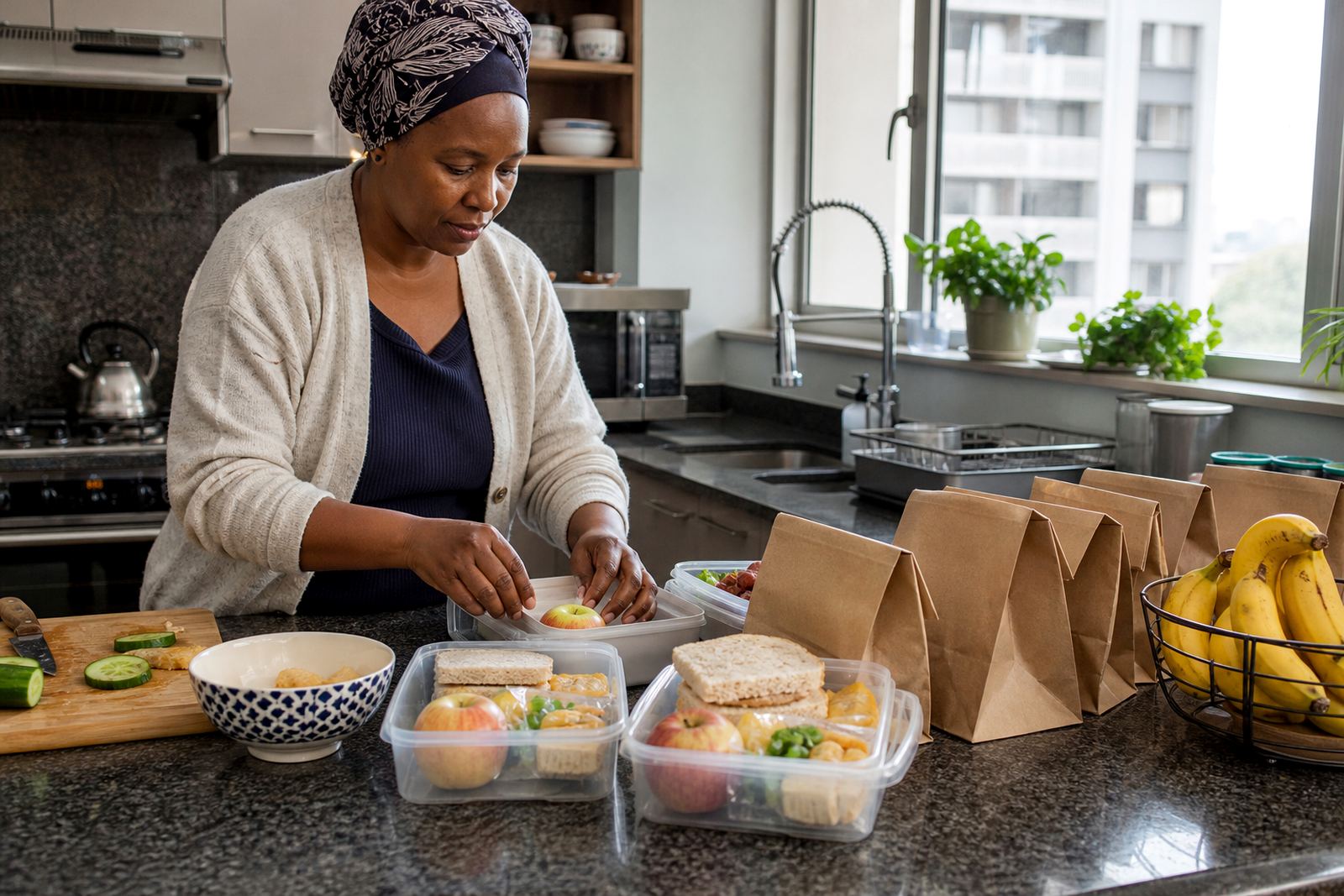
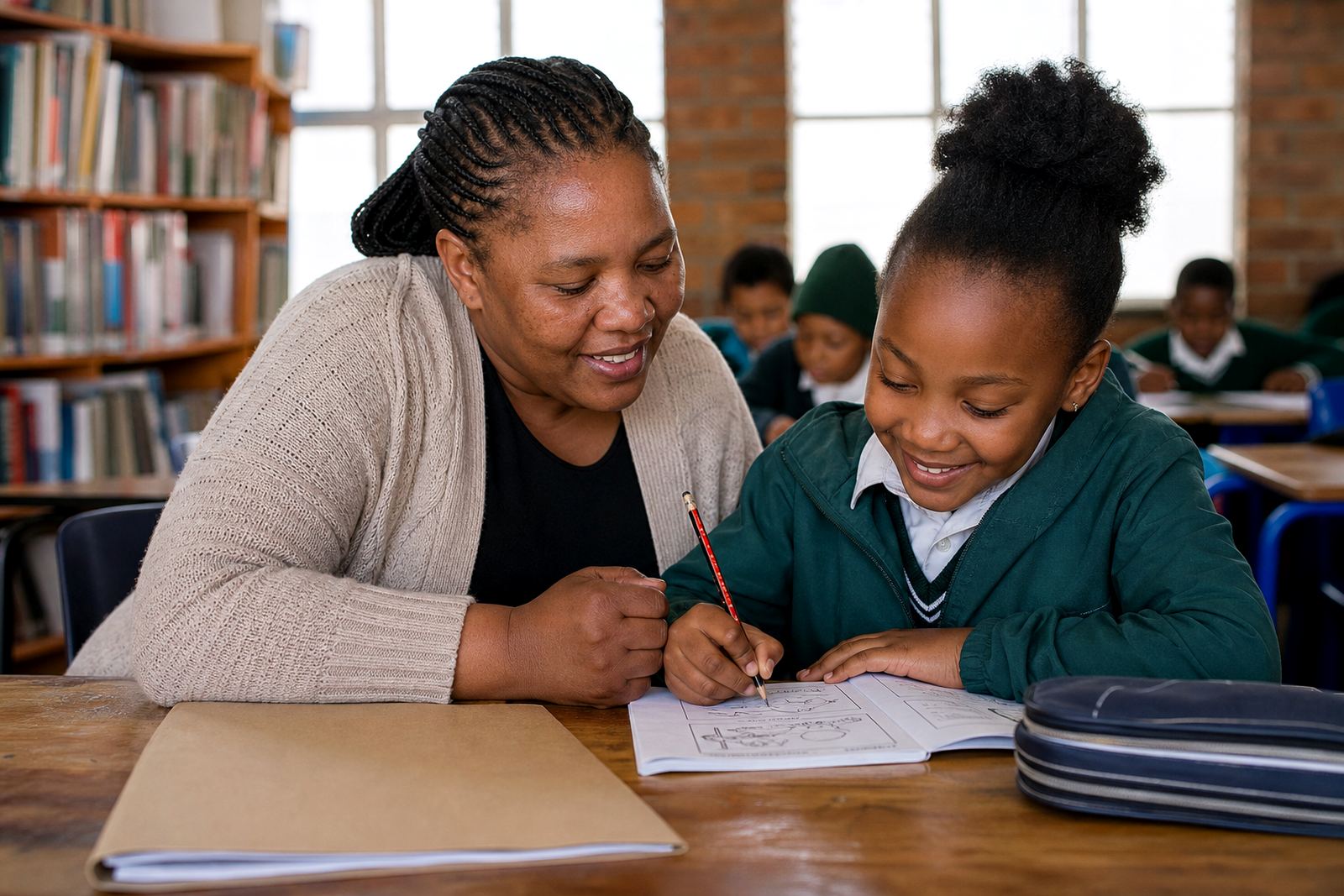
A teacher who stayed late to help a child struggling at school can be described in plain terms. A neighbour who organised food parcels after a family crisis can be named for the action, not the gossip around it. That approach keeps the focus on service, not on the private pain behind it.
Build the story around care, not pity
Respectful wording avoids making someone sound helpless when they were actually practical, steady and brave. The best nominations show what the person did, who benefited, and what changed in the community. That is enough for a fair reading.
- Use concrete actions: drove, cooked, listened, translated, cleaned, checked in, supported.
- Use plain timing: after school, during a storm, over several weeks, on weekends.
- Use direct outcomes: children stayed in class, an elderly neighbour had meals, a patient got transport.
- Avoid labels that reduce a person to their hardship or status.
There is no need to oversell suffering to make care look important. A good nomination shows that the nominee stepped in, and it does so with respect.
Consent matters before names go in
Before submitting a nomination, check that the person is happy to be named, or that the information shared about them is allowed in the form. Some people are comfortable with public recognition. Others want their details kept tightly controlled, especially where family issues, illness or financial strain are involved.
If the nominee cannot give consent themselves, the submission should still be careful. Use only the information needed to explain the nomination. Leave out addresses, school names, medical notes and anything that is not essential to the judging process. Our Privacy and Consent approach is there to protect both the nominee and the person writing the submission.
- Ask before naming children, patients or vulnerable adults.
- Do not include private documents unless the form asks for them.
- Keep contact details limited to what the process requires.
- Remove details that could expose someone to unwanted attention.
Evidence should support the story, not overwhelm it
Useful evidence is often simple. A clear photo, a short note from a community member, or a record of the work done can support the nomination without crowding it. The aim is to show that the account is genuine and that the nominee’s role was real and meaningful.
Hardship stories need extra care here. If a situation is sensitive, the evidence should be trimmed to the minimum that still helps the judging panel understand the work. A strong nomination does not need every detail of a painful period. It needs enough truth to show what happened and why the nominee mattered.
Our judging process looks for clear contribution, community benefit, consistency and care in the way the story is written. The panel should be able to see the nominee’s role without reading anything intrusive or unnecessary.
A Braamfontein example from an ordinary week
Picture a nomination for a man in Soweto who drove an elderly neighbour to clinic visits after her son lost work. The writer does not need to explain every family detail. It is enough to say that he gave transport, checked on her medicines and stayed in touch until other support was in place.
That same principle works in Braamfontein too. A student volunteer helping children with reading support does not need to be described with grand language. The nomination can say what sessions were held, how many learners were involved and what changed for them at school. The story stays honest, the nominee keeps their dignity and the panel gets a clear picture.
A careful edit before you submit
Read the nomination once for meaning, then once for respect. Remove anything that sounds like gossip, pity or private conflict. If a sentence would feel uncomfortable if read out loud to the nominee, it probably needs to go.
- Check names, spelling and permission for each person mentioned.
- Keep the wording factual and calm.
- Cut out exaggeration and personal attacks.
- Use the fewest details needed to explain the help given.
Respectful wording is not about hiding the truth. It is about telling the truth in a way that protects people while still giving the panel enough to judge the nomination fairly.