What a long-term service nomination should show
A useful nomination does not only say a person has helped for years. It shows how that help appeared in practice, then points to moments that prove the support did not fade after one busy season or one public event.
For SA Hero Awards, that can be a volunteer who has helped at a school feeding drive in winter, checked on elderly neighbours after heavy rain, and still turned up when the work was less visible. It can also be a nurse, teacher, community responder or neighbour whose help is spread across ordinary months, not only headline moments.
- Use dates or rough time markers where possible.
- Show more than one period of service.
- Link each example to a real community need.
- Keep the story factual, not inflated.
Build the story from different points in time
A nomination gets stronger when it reads like a timeline, even if it is only a short one. Start with an early example, move to something more recent, then add one moment in between so the pattern is visible.
That helps the judging process see consistency. It also keeps the nomination fair to people whose service is quiet and practical, because the value lies in repeated action not a single polished story.
- Early example: how the person first became involved.
- Middle example: a moment that shows they stayed active.
- Recent example: what they are doing now.
- Local detail: the ward, school, clinic, street or community space involved.
Evidence that fits real community work
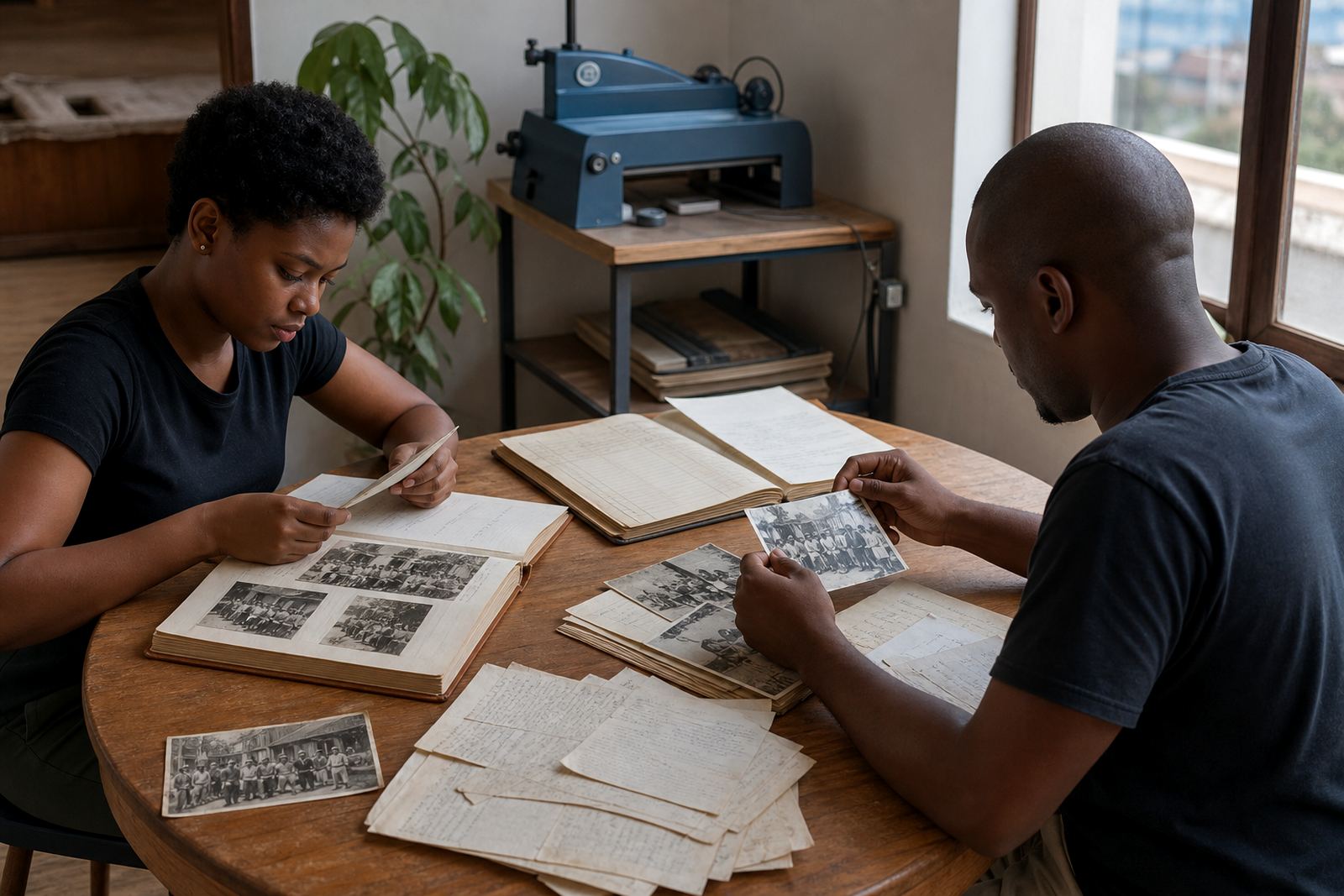
Evidence does not need to be formal or full of paperwork. A photo, a short message from someone helped, a programme note, a school letter or a record from a local group can all support the nomination if they are relevant and honest.
Useful evidence should match the story. If the nominee has helped in Braamfontein, Soweto or a township outside Johannesburg, the supporting detail should point to that place and that kind of service. A nomination feels stronger when the proof follows the story instead of sitting beside it.
- Names of projects or local groups, where appropriate.
- Dates that show the service happened over time.
- Short statements from people who benefited.
- Photos that match the work described.
Consent and privacy matter before submission
The nominee should know they are being entered. That is important for both respect and privacy, especially when the nomination includes personal history, health-related care, family circumstances or a sensitive community issue.
Our process treats consent as part of the nomination, not an extra step after the fact. If the person is comfortable being nominated, say so clearly. If the story includes private details, keep only what is needed for the judging process and leave out anything that does not support the case.
- Ask before naming someone publicly.
- Share only the details needed for assessment.
- Avoid gossip, medical detail and family conflict.
- Keep contact information to the minimum required.
How the judging process reads long service
Judging is easier when the nomination shows steady contribution, public value and clear examples from more than one point in time. A long service claim should feel grounded, not generic. It should answer a practical question: what did this person do, where did they do it, and how does the record show that they kept doing it?
In plain terms, the strongest nominations usually have four things in common. They are specific, they are consistent, they respect privacy, and they show real benefit to others. That is enough to separate long service from a one-off good deed.
- Specific action instead of broad praise.
- Repeated support instead of one isolated moment.
- Clear benefit to a community, school, clinic or neighbourhood.
- Consent and privacy handled with care.
A Johannesburg example that shows the difference
Think of a community member in Braamfontein who helps with food parcels, helps arrange lifts to clinics and also checks in on older neighbours during difficult weeks. A nomination that only says they are kind is thin. A nomination that mentions different months, different tasks and different people helped gives the judging team something real to work with.
That is the point of long-term service. The value is not in making the story dramatic. It is in showing that the same person kept stepping in when the need changed, and did so without needing attention each time.
- Use one example from early involvement.
- Add one example from a later period.
- Include a recent action that confirms the pattern.
- Keep the language plain and accurate.