Start With The Moment, Not The Medal
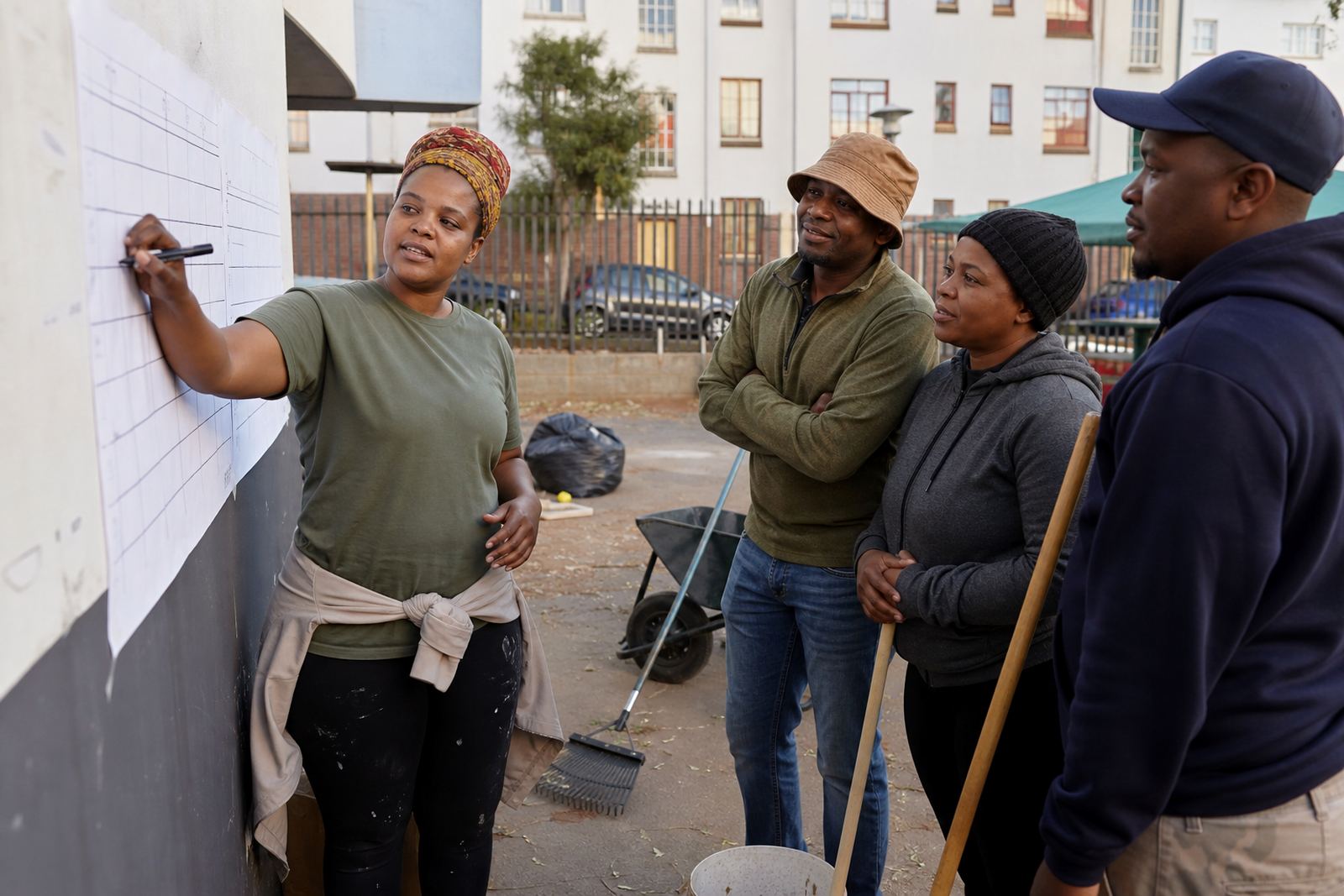
A good nomination begins with one real incident that people can picture. Describe the call, the problem, or the scene in plain language, then set out what the nominee did without turning it into a speech. A responder might have organised help during a flood, helped an injured neighbour, calmed a frightened child, or stepped in when a community meeting went off track. The point is to show action and effect, not to paint someone as flawless.
When you write the story, keep it factual and specific. State where it happened, what the person noticed first, and what they did next. Then explain who benefited, whether that was one family, a street, a school or a wider local group. That sequence gives the judging panel something solid to work with.
What Makes The Nominations Strong Enough To Stand Up
The clearest nominations usually include a short chain of evidence. You do not need pages of praise, but you do need enough detail to show that the story can be checked and understood. A nomination that says someone helped is weaker than one that shows how, when, and in what setting they helped.
- Name the person clearly, with the correct spelling.
- Explain the role they played in the situation.
- Add dates or a rough time frame if you know them.
- Include the place, ward, school, clinic, street, or town.
- Describe the effect on other people in practical terms.
- Attach useful evidence where it is safe to do so.
Evidence can be a photograph, a note from someone involved, a newspaper clipping, a message thread, or a short statement from a witness. Keep the evidence relevant. A folder full of loose files is less useful than a few items that match the story line.
Consent Matters Before The Story Travels Far
The nominee should know that their name and story are being put forward. In a programme like this, consent is not an extra step tacked on at the end, it is part of the nomination itself. If the person is alive and reachable, tell them what you plan to submit and ask whether they are comfortable with it.
There are cases where a family member or colleague wants to nominate someone who is private by nature. That can be handled carefully, but the nomination still needs to respect the person’s dignity. If any part of the story touches on injury, trauma, health, or family matters, think twice before adding more than is necessary. The safest file is the one that tells the truth without exposing private details that do not help the judging process.
- Use only the personal details needed for the nomination.
- Leave out ID numbers unless the programme asks for them.
- Do not upload sensitive records unless they are essential.
- Keep children’s details and medical issues tightly limited.
How The Judging Panel Reads A Responder Nomination
The judging process usually looks for three things: what happened, how the nominee responded, and what changed afterwards. A strong file gives enough context for each part. It should show initiative, care, and practical help rather than a one-line claim that someone is a hero.
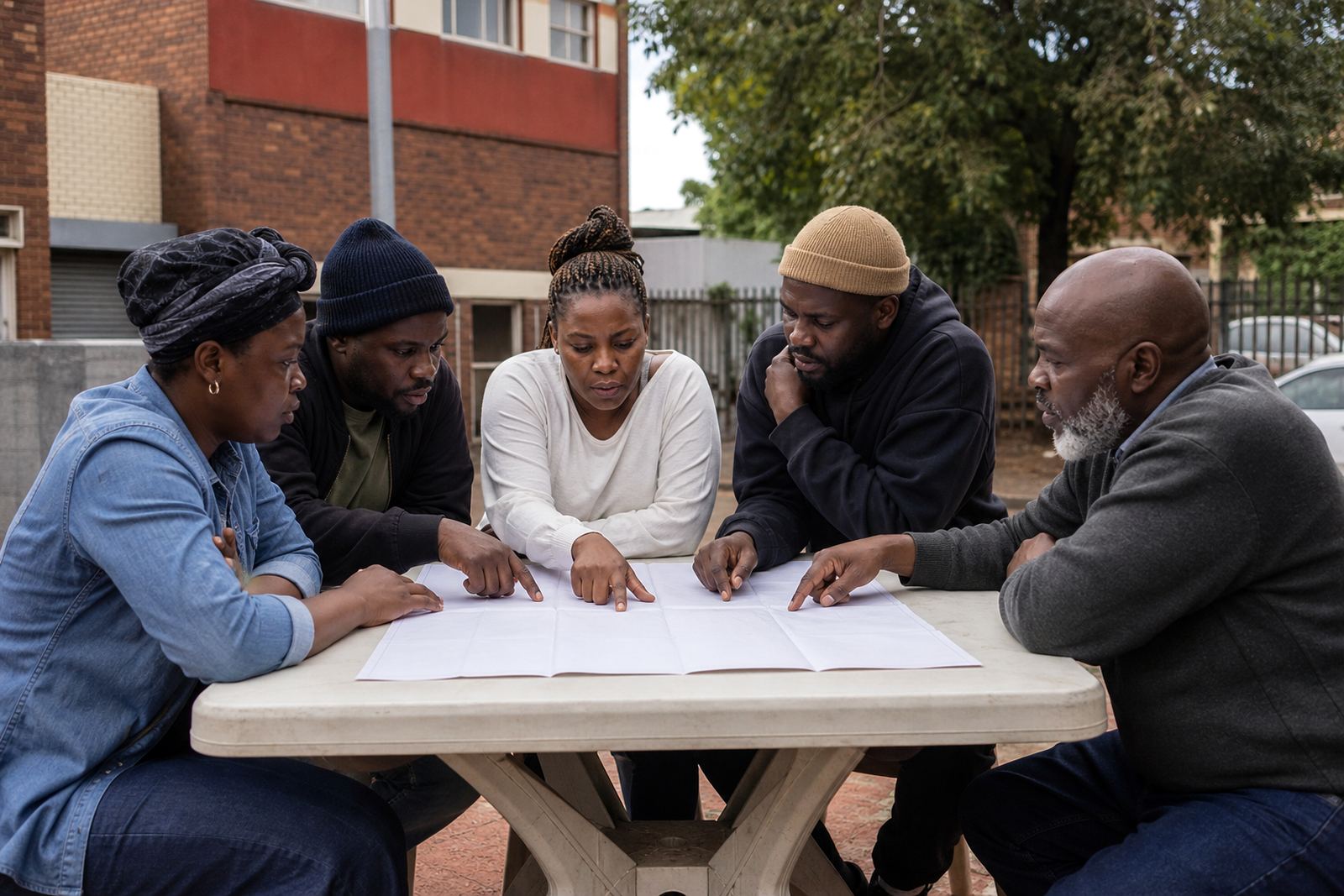
Judging also depends on fairness. The panel needs nominations that can be compared with one another on the same terms, so plain language matters. If the person responded under pressure, describe the pressure. If they coordinated others, explain who was involved. If they solved a local problem, show the effect on the people around them. A volunteer who turned a difficult day into a calmer one may be judged just as carefully as someone who acted in an emergency.
In Braamfontein, Johannesburg, the team handling nominations sees stories from across South Africa, from township streets to suburban schools and rural clinics. The local setting changes the details, but the basics stay the same: clear facts, consent, and evidence that supports the account.
A Local Example From A South African Neighbourhood
Think of a neighbourhood teacher in Gauteng who notices a child arriving at school hungry and withdrawn. Instead of ignoring it, the teacher contacts the family, checks what support is already in place, and quietly links the child to help through the school community. Over the following weeks the child becomes more settled, attends more regularly, and starts joining class work again. That is a responder story because the action was immediate, human, and practical.
The effect on others matters too. The child’s mother feels less alone, the school sees better attendance, and other parents start asking how they can support families in similar situations. In another suburb, a resident might organise neighbours after a burst pipe floods a street, or a paramedic might stay with a family long after the urgent part is over. The shape changes, but the structure of the nomination stays the same.
When you write a local example, anchor it in everyday South African life. Mention the area, the conditions, and the people affected. That helps the judging panel see the real reach of the action instead of just the headline.
Submitting The Nomination Without Leaving Gaps
Before you send anything, read the nomination once as if you were a stranger. Ask whether the story still makes sense if you remove the praise words. If it does, you probably have enough substance. If it does not, add detail about the response, the sequence of events, and the result.
- Check that names and spellings are correct.
- Make sure the nominee has given consent.
- Keep the story focused on one clear incident or pattern.
- Only include evidence that supports the nomination.
- Use our contact form if you need to update an existing submission.
If you need help with process, privacy, eligibility, or public nominations, send a message through our contact form. The programme accepts entries from Johannesburg, Cape Town, Durban, Gqeberha, Polokwane and other parts of South Africa, so each submission must be neat and easy to read. A well-prepared nomination gives the person proper recognition for what they have done and helps keep the process fair for everyone involved.