When help starts before anyone asks
The clearest nominations often describe a person who noticed a gap and filled it without waiting for instructions. That might be a neighbour organising lifts for an elderly resident, a teacher buying extra workbooks, or a volunteer calming a family after a clinic referral went wrong.
In a nomination, initiative is easier to see when the story moves from problem to action. State what changed, what the nominee did, and who benefited. Keep the writing plain. A short account of the moment often carries more weight than a long speech about character.
Judges may look for effort that was practical, timely and community minded. They are less interested in polished wording than in proof that the person stepped in, used good judgement, and carried the load with care.
- Describe the need in one or two sentences.
- Show the first action the nominee took.
- Explain the result for the people involved.
- Keep the focus on conduct, not praise words.
What makes a nomination read as real
Good nominations usually sound like they came from someone who saw the work up close. They mention streets, schools, clinics, taxi ranks, church halls, sports fields or kitchens where the help happened. Those details help the judging process see whether the effort was steady or a once-off gesture.
You do not need to write a polished profile. The strongest entries often use short, direct sentences and a clear sequence. Who was helped, what was done, how often it happened, and why it mattered. If the nominee stepped in during a crisis, say so plainly and keep the facts grounded.
Judges may also look for signs of consistency. A person who has helped for months, or who has taken on the same burden in a practical way, gives a nomination more weight than a single kind act on its own.
- Name the place and the community involved.
- Give dates or periods where you can do so accurately.
- Add specific examples instead of broad praise.
- Show whether the action was a one-off or ongoing.
Consent is part of the story too
Before you submit a nomination, check that the nominee knows their name and story are being shared. Consent matters because some people are happy to be recognised, while others prefer a quieter approach. A clean nomination respects that choice from the start.
If the story includes a carer, a minor, or a person in a sensitive role, be careful with details. Leave out anything private that is not needed for the nomination. The aim is to honour service without exposing someone to unwanted attention.
Our privacy and consent process is there to keep personal information controlled. Use only what the nomination needs, and avoid adding medical, family or financial details unless they are directly relevant and the nominee has agreed to share them.
- Ask whether the nominee is comfortable being entered.
- Share only the details needed for assessment.
- Avoid sensitive information that does not help the case.
- Keep contact and identity details accurate.
Evidence that helps without overloading the form
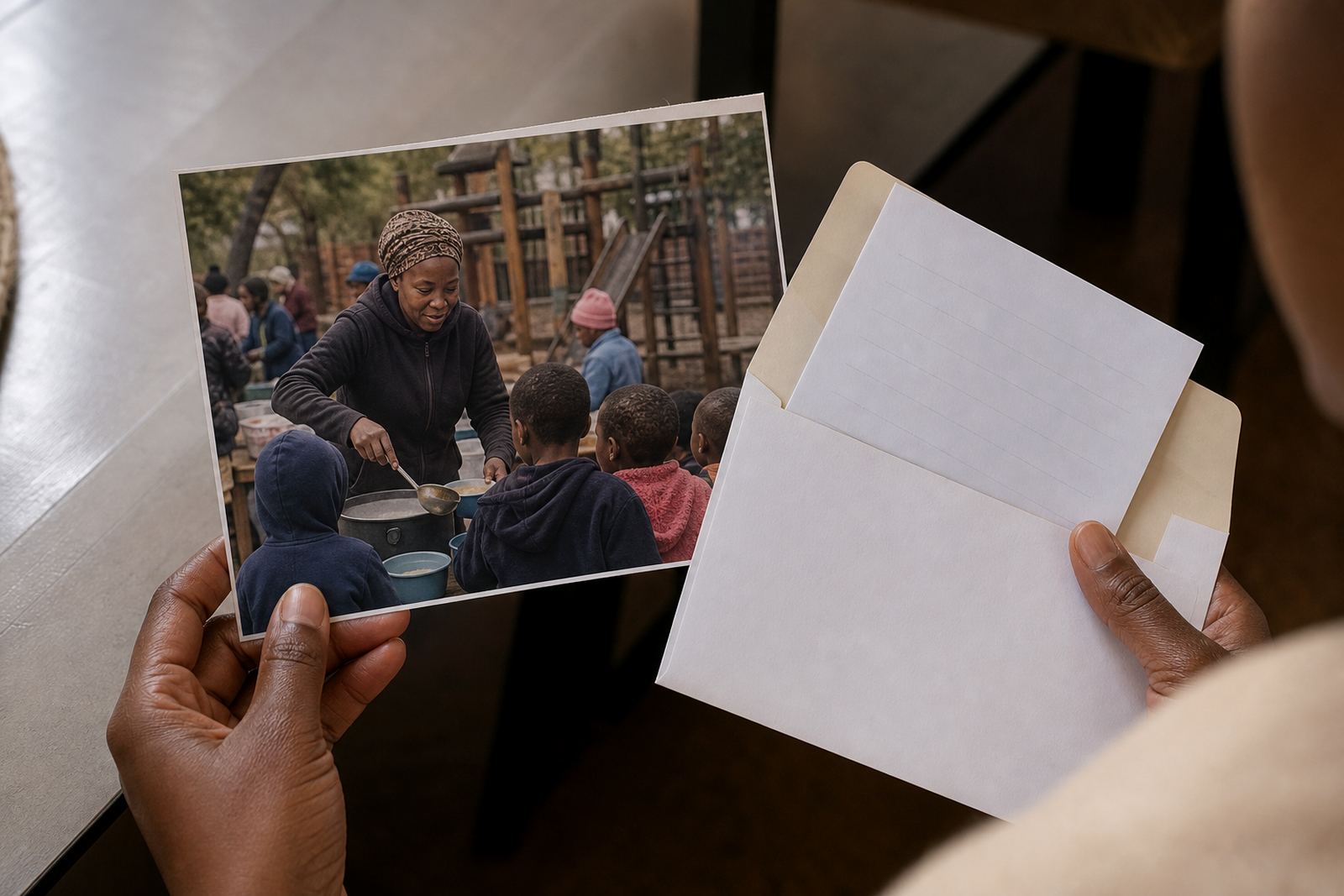
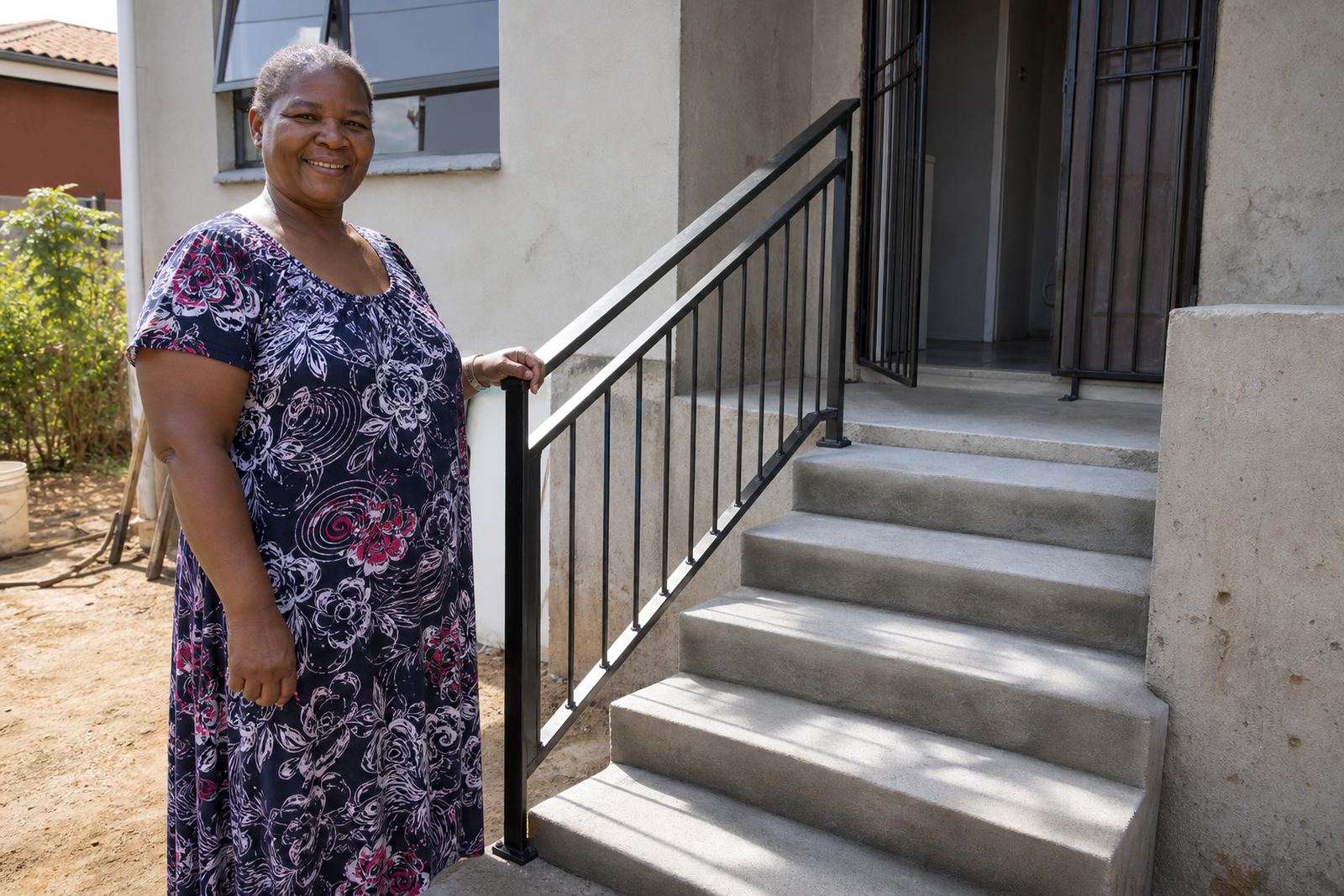
Useful evidence does not have to be a pile of papers. A few clear items can support the story well, especially where they show the nominee in action. Photographs, short witness notes, records from a school, clinic, ward committee or community group can all help when they are relevant and honest.
The best evidence matches the claim. If someone has organised food parcels, provide something that links them to that work.
There is no need to pad the submission with every document available. Keep only what makes the case clearer. A focused file is easier to review and often reads better than a large bundle with mixed value.
- Use documents that support the main claim.
- Make sure names and dates line up.
- Choose evidence that fits the story, not extra clutter.
- Write captions where a photo needs context.
Judging questions that stay close to the work
Our judging process looks at the nomination in plain terms. Did the person act on their own initiative? Was the help meaningful to others? Did the effort show care, judgement and community value? Those questions keep the process grounded and fair.
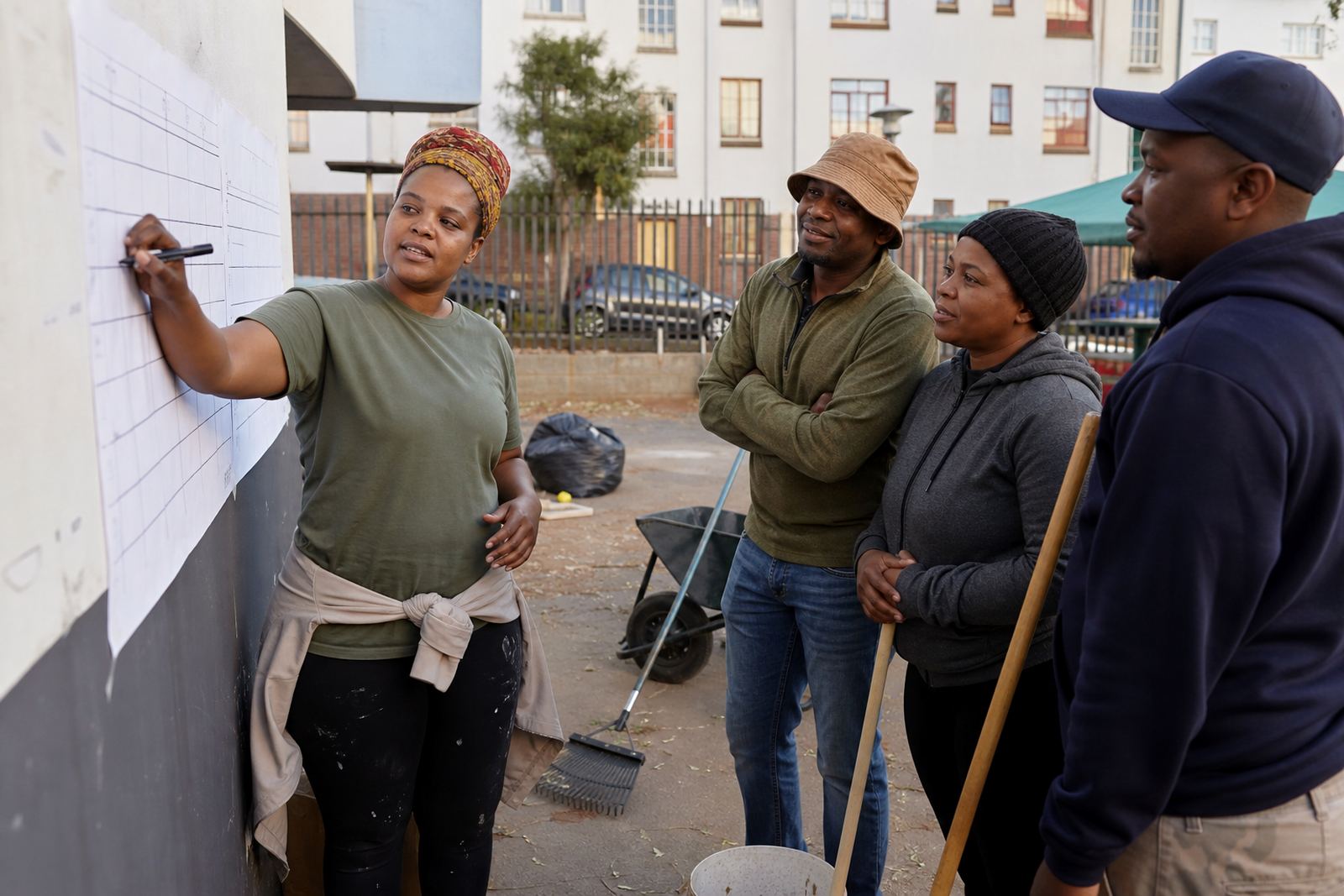
A strong nomination often shows action without waiting to be told. That does not mean the person worked alone or made a grand gesture. It means they noticed a need and stepped in with purpose. In a Braamfontein example, that might be a resident who arranged safe lifts for neighbours after a local transport breakdown, or a volunteer who coordinated meals for families during a difficult week in a township nearby.
These are the kinds of details that help judges see the difference between general goodwill and real initiative. The story should show what the nominee did, not just what people felt about it.
Updating a nomination after you submit
Sometimes a nomination needs a correction. A name may be misspelt, a date may need fixing, or a detail may have been left out. If that happens, send the update through our contact form and keep the change focused on the facts that matter.
Do not rewrite the entire submission unless the story itself has changed. Small amendments are easier to handle when they are clear and specific. If the nominee later agrees to share a fuller account, you can add it, but only where it strengthens the original point.
Public questions also come through the same route. That keeps the process in one place and helps the team manage nominations across Gauteng, the Western Cape, KwaZulu-Natal, the Eastern Cape, Limpopo, the Free State, North West and Mpumalanga.
- State what needs correcting.
- Keep the original meaning intact.
- Use our contact form for updates and questions.
- Leave out anything the nominee has not approved.
A nomination worth reading is usually a steady one
The stories that stand out are not always dramatic. Often they are about a person who kept showing up, kept helping and kept noticing what others missed. That sort of initiative is easy to understand when the wording stays direct and the facts are in order.
If you are writing a nomination for someone in Johannesburg, Cape Town, Durban, Gqeberha or Polokwane, the same rule applies: show the act, show the effect, and keep the person’s consent and privacy in view. The rest is the detail that helps the judges see the value of the work.