Start with the people whose week became lighter
The clearest nominations focus on the people who felt a real change. That might be a pensioner who stopped missing clinic transport because a neighbour arranged lifts, a teacher who kept learners settled after school, or a family that got food parcels and a steadier routine from a volunteer nearby. The person helping matters, but the group helped should be plain from the first few lines.
Keep the description practical. Say whether the help reached one household, a small street, a school, a ward, or a wider community. If the work was quiet and repeated, explain that too. A nomination does not need dramatic language. It needs a fair picture of who received support and what that support looked like in daily life.
A Braamfontein example that stays respectful
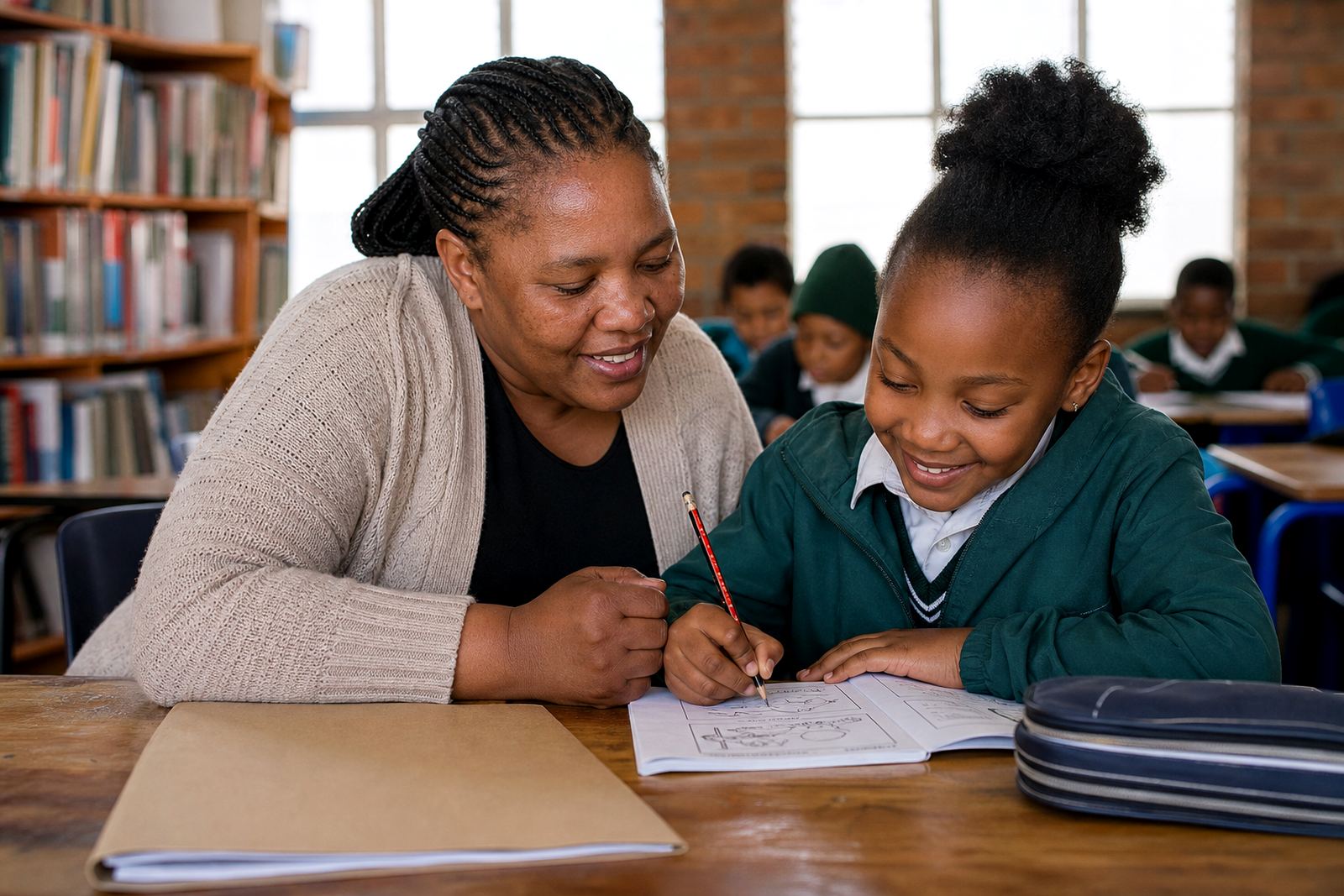
Picture a community helper in Braamfontein who organised weekend reading groups for children whose parents work long hours in the city. The story is not only about the helper. It is also about the children who had a safe place to read, the parents who had a bit less pressure, and the teachers who noticed better confidence in class. That is the shape of a useful nomination.
When you write about people helped, keep names out unless they have given consent and the detail is needed. Use broad details instead of full family histories. A nomination can say a group of learners from a nearby school or a few households in one block without turning personal hardship into a public record.
- Describe the people helped in broad, honest terms.
- Explain the change in ordinary language.
- Leave out details that are not needed for judging.
- Use the minimum personal information required.
What makes the story worth reading, not just noting
A nomination is stronger when it shows outcome, not only effort. If someone delivered meals, did that reduce missed meals, stretch the pantry, or help a carer keep working? If someone organised transport, did it help children reach school or patients reach appointments more reliably? The judging process looks for the difference made, not a polished speech.
Useful detail often comes from small things. A note about changed routines, fewer missed days, calmer homes, or a more settled group of learners shows something real. If several people benefited, name the group and the pattern of help. If one person benefited deeply, show that clearly too. There is no need to overstate the case.
- Tell us what changed after the help started.
- Show whether the support was one-off or ongoing.
- Say how many people were helped if you know.
- Stick to facts you can stand behind.
Consent matters before the story is shared
If the nominee is a private person, consent is part of the nomination, not an afterthought. They should know they are being put forward and understand that some details may be reviewed as part of the process. That protects dignity and avoids awkward disputes later. It also helps if the nominee knows what kind of information may be used and what should stay private.
Where children, carers, patients, or vulnerable people are involved, be careful with names and identifying details. A strong nomination can still be clear without giving away home addresses, medical notes, or other sensitive information. If a story feels too personal to share in full, trim it back and keep the core achievement visible.
Privacy is not an extra concern, it forms part of the nomination.
Privacy should guide how the nomination is written and how supporting material is chosen. Photos, letters, and messages can help, but only if they are relevant and shared with care. A screenshot of a community group message may prove that people organised quickly, while a full contact list usually adds risk without much value.
Use the least amount of personal detail needed to explain the impact. That applies whether the nominee helped in Gauteng, Cape Town, Durban, Gqeberha, or Polokwane. Good nominations do not expose private hardship just to make the story feel bigger. They respect the people who benefited while still giving enough detail for a fair review.
- Remove home addresses and private contact details.
- Avoid medical or school records unless they are essential.
- Check that everyone named is comfortable being included.
- Keep attachments relevant to the nomination only.
How the review reads the people helped
The review process usually looks for a clear link between the nominee’s actions and the people who benefited. It helps when the nomination explains who was helped, what problem was eased, and what changed as a result. If the nominee worked with a team or a whole neighbourhood, say so. If the impact was small in number but deep in effect, that still matters.
Public questions often come from people who want to know if a nomination should focus on one person or a wider group. The answer is that either can work, as long as the story is specific. A carer who supported one elderly neighbour for months can be just as meaningful as someone who rallied a whole street after a setback. The point is to show the human result clearly and without over-sharing.
What to include when the beneficiary is vulnerable
When the people helped are children, elderly neighbours, people with illness, or families in crisis, write with extra care. Mention the support in practical terms, but avoid details that could embarrass or identify them too easily. It may be enough to say a learner at a local school, an older resident in one block, or a family known to the community committee.
If you are updating a nomination, keep the focus on the same group and explain what has changed. Maybe the support widened, maybe new people joined, or maybe the benefit became more regular. That kind of update is useful because it helps the review process see the real pattern over time, not just a single event.
- Use respectful labels instead of private identifiers.
- Keep the focus on help received, not hardship displayed.
- Share updates only when they add useful context.
- Let the beneficiary’s dignity shape the wording.