The help that changes the shape of a week
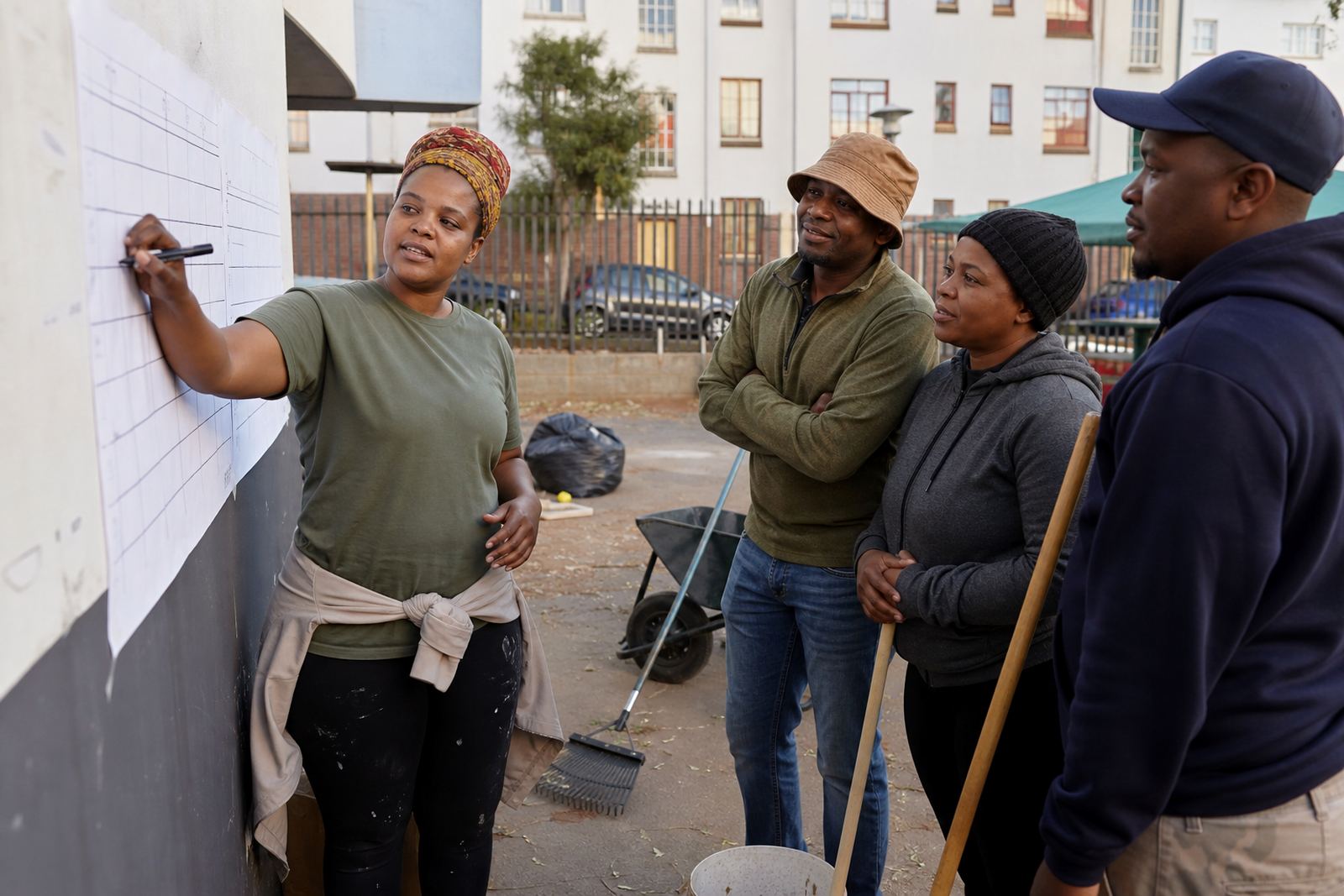
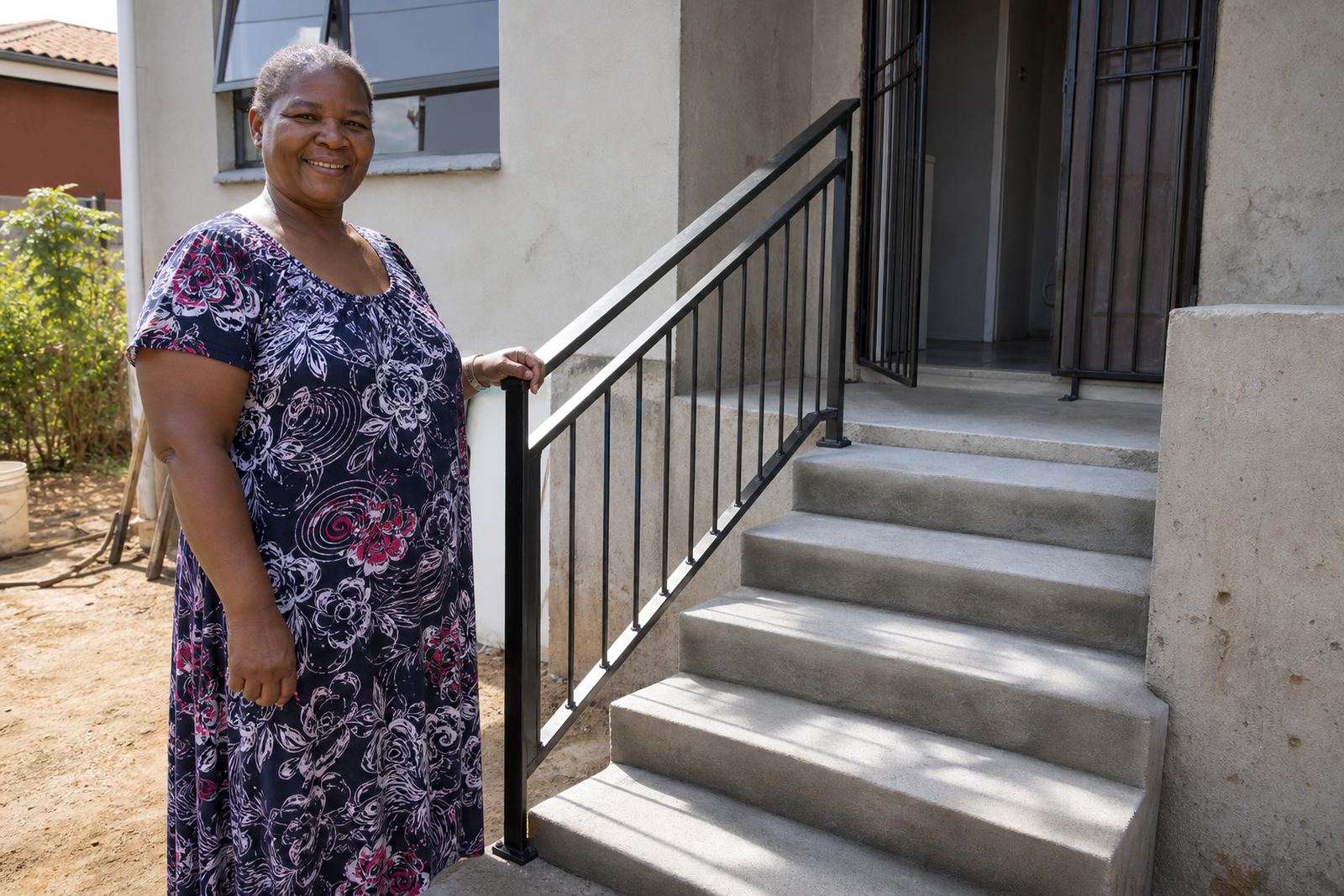
In communities across Johannesburg, Cape Town, Durban, Gqeberha and Polokwane, the people who matter most are often the ones nobody planned for. A neighbour who lifts an older person into a car, a teacher who stays behind to help a child catch up, or a volunteer who knows which home needs food before anyone asks, can change the rhythm of a whole week. That is the kind of help this awards programme looks for.
It is not about a single grand gesture. The stronger stories often show repeated care, patient attention and practical action. A nomination works best when it explains what happened, who benefited, and what changed after the help arrived. If the person reduced risk, opened access to something needed, or protected dignity in a hard moment, that matters.
- Describe the help in plain language.
- Show the effect on daily life or safety.
- Explain what would have been harder without that person.
A nomination that carries weight
A strong nomination reads like someone who was there speaking honestly. It should not sound polished or overdone. The judging team can only assess what is written down, so details matter: where the help happened, who was affected, and what made the action stand out. A short story with clear facts often works better than a long account full of praise.
It helps to include useful evidence where available, such as dates, messages, photographs, letters, or brief statements from people who saw the help firsthand. Evidence does not need to be dramatic. A clean record of what happened is often enough. If the nominee works quietly and never looks for attention, that is fine. The nomination can still show steady service.
- Use names only where consent allows it.
- Keep the timeline easy to follow.
- Separate facts from personal opinion.
What the judging process looks for
The judging process looks at impact, fairness and credibility. Impact means the help changed something real, not just something nice to say about a person. Fairness means the nomination is considered on the story provided, without favouritism. Credibility means the details make sense, line up with the evidence and show genuine community value.
A nomination does not need a formal title, a public profile, or a long list of achievements. A school assistant who notices a child has no proper lunch, a first responder who keeps calm in a crowded street, or a carer who manages a home with steady patience can all show impact in different ways. The point is the change they made for others.
- Was the help practical and timely?
- Did it protect safety, dignity, or access?
- Can the story be supported with facts?
Consent and privacy are part of the story
People often want to nominate someone who is modest, private, or not used to public attention. That is exactly where consent matters. Before submitting, check that the nominee is comfortable being put forward and that they understand what information will be shared. If the nomination includes children, family details, or a sensitive situation, handle that carefully.
Privacy is not a side note. It shapes what should be written, what should be left out, and who may view the nomination during review. Avoid unnecessary personal history. Share only what is needed to explain the help and its effect. If a nomination includes medical details, safety concerns or family matters, keep the wording precise and respectful.
- Ask for consent before you submit.
- Leave out private facts that do not add value.
- Use sensitive information only where it is truly relevant.
A Braamfontein example that feels familiar
Picture a caregiver in Braamfontein who checks on an older neighbour after work, helps with medicine reminders, and makes sure the person has transport for clinic visits. Nothing in that story is loud, but the effect is deep. The neighbour is less isolated, the family carries less worry, and the daily routine becomes safer and more manageable.
That is the kind of help these nominations are built to recognise. It may be the teacher who notices hunger before a child stops paying attention, or the volunteer who coordinates food parcels across a township edge and a city block. The common thread is care that is practical, specific and repeated. It gives people a better chance to live their ordinary lives with more dignity.
In a nomination, this example would be stronger if it named the type of help, the setting, and the change that followed. Vague praise is easy to ignore. Clear proof of better access, less strain, or safer movement through the day is harder to miss.
Writing the public value without overselling it
Public nominations work best when they stay grounded. The person being recognised does not have to solve everything. They only need to have made a real difference in a visible way. A well-written submission can show that a small action had a large effect because it happened at the right time and in the right place.
Think about what the help unlocked. Did it reduce fear? Did it save travel across town? Did it keep a child in school, a patient in care, or a family from falling apart under pressure? Those are the kinds of outcomes that matter. Keep the language direct, and avoid turning the story into a speech.
- Focus on one clear example rather than many scattered ones.
- Show the practical result, not just the intention.
- Write as if a stranger must understand the impact quickly.
Updating a nomination when the facts grow clearer
Sometimes people submit a nomination and then remember a detail they left out. Maybe they find another witness, a clearer photo, or a better way to explain the help. Updating the nomination can strengthen it, as long as the changes stay honest and consistent with the original account. The point is to improve clarity, not to reshape the story into something larger than it was.
If the story involves public questions, use the enquiry form on our contact page and keep the message focused. Say what needs changing, what extra detail has been found, and whether any privacy point needs attention. A tidy nomination helps the review process, and it also respects the person being recognised. The more exact the account, the easier it is to see why it mattered.