When one person helps a whole circle
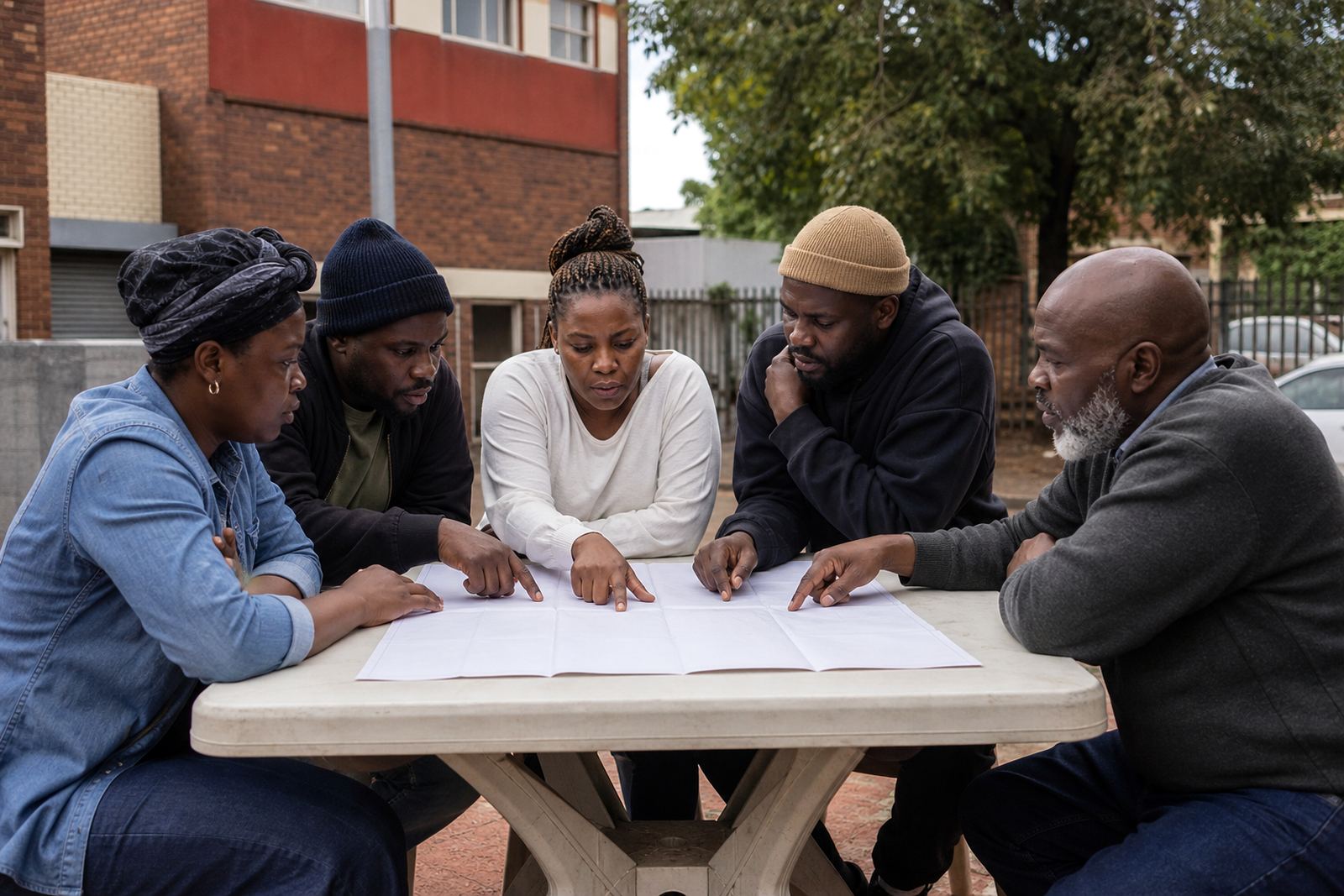
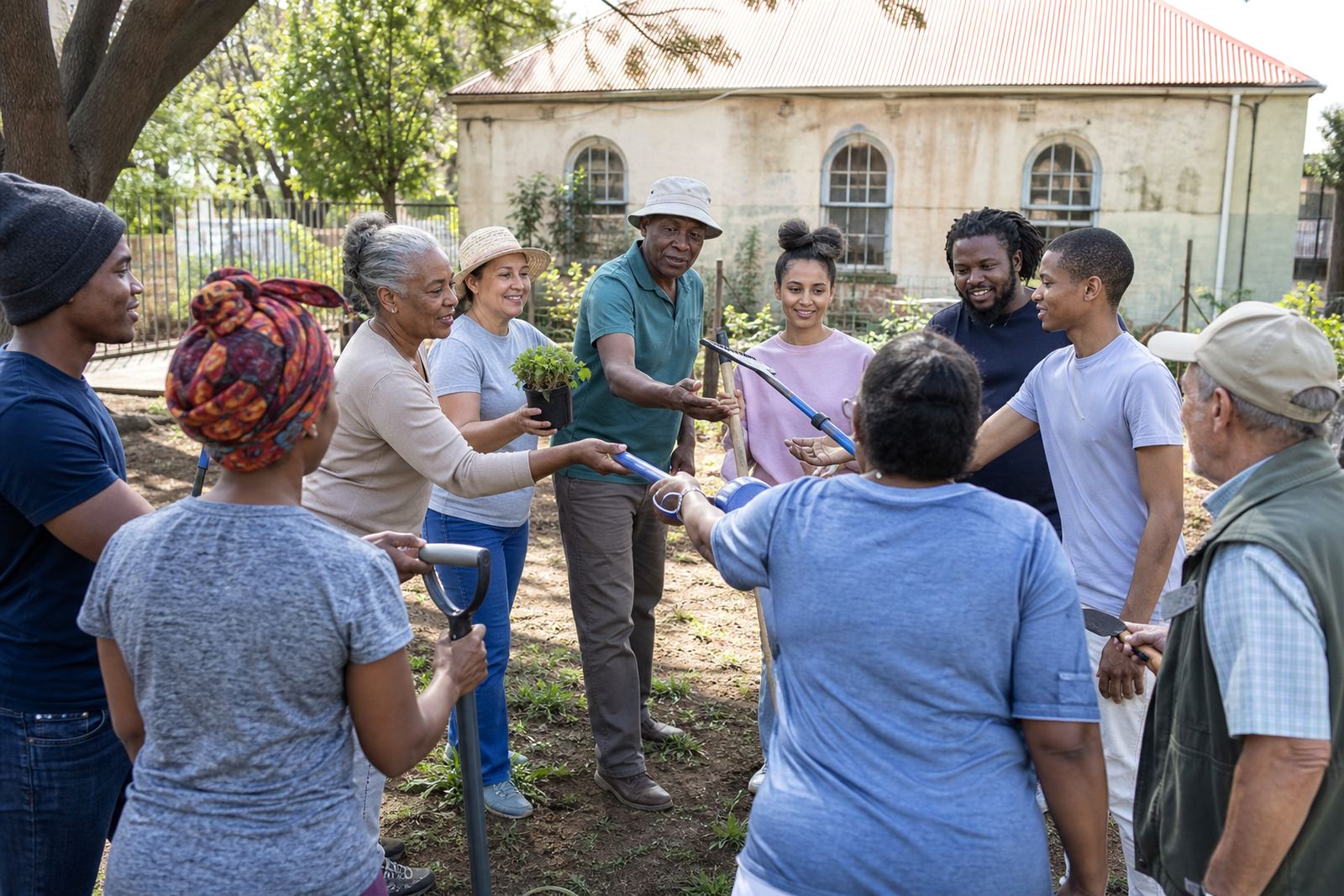
A strong nomination does more than praise a kind act. It shows how one person helps others work together, especially where neighbours, learners, patients or local volunteers need a steady hand. In Braamfontein and across Johannesburg, that can look like a teacher linking families to support, a carer organising meals, or a neighbour who keeps a shared project moving without fuss.
Working with others is often the part that gets missed in a rushed story. The best nominations show the practical side of the work, who was involved, what problem was faced and what changed once people started pulling in the same direction. Keep the picture grounded in facts, not praise alone.
- Name the community setting clearly, such as a school, clinic, block of flats or informal settlement.
- Describe the shared problem before the nominee stepped in.
- Show the role they played in getting people organised.
- Note any lasting benefit, even if it is small and local.
Build the nomination around one real example
One clear example usually works better than five vague ones. If a nominee helped set up a weekend reading group, kept a neighbourhood clean-up running, or helped families link with food support, tell that story from start to finish. A judge can follow a short, honest account much more easily than a crowded list of claims.
Use plain language and avoid big statements that cannot be checked. Say who did what, where it happened and how the nominee worked with others. If several people were involved, explain how the nominee kept the effort moving. That is often where the real strength sits.
- Start with the need, then move to the action.
- Include dates only where they help the story make sense.
- Use one or two short quotes from people who saw the work first-hand.
- Explain any teamwork, even if the nominee was not the only person involved.
Evidence that helps, without clutter
Useful evidence does not need to be heavy or formal. A nomination can be supported by photographs, short witness notes, messages from organisers, meeting notes or records that show the nominee was involved. The point is to make the story easier to verify, not to overwhelm it.
If the work took place in a township, inner-city block or rural ward, add enough context for the setting to make sense. A few clear details are better than a bundle of unclear files. Try to keep evidence connected to the story line, so each item proves something specific.
- Use labelled photos if they help explain the setting or activity.
- Attach short written notes from people who saw the work directly.
- Include only evidence that matches the story being told.
- Keep files legible and easy to open on a phone or laptop.
Consent before the nomination goes in
If the nominee can be contacted, their consent matters. That is especially true when the nomination includes personal details, a workplace, family circumstances or sensitive community work. A nomination should not expose someone to attention they did not agree to receive.
Where consent is difficult to get, explain the situation carefully and keep private details limited. The safest approach is to share only what the review process needs. This protects the nominee and also keeps the submission focused on the community value of the work.
- Ask whether the nominee is comfortable being nominated.
- Check if they are happy for their name and story to be shared in review materials.
- Leave out sensitive details unless they are necessary for the nomination.
- If another person is helping submit the form, make sure everyone understands the privacy limits.
What judges look for in plain terms
Judging is usually strongest when the nomination answers a few basic questions clearly. Does the story show service to others? Is the nominee working with people, not just around them? Is there enough evidence to support the account? These are practical questions, and the answers should sit close to the surface.
A nominee who brings different people together, such as residents, teachers and local volunteers, often shows exactly the kind of co-operation this programme is built to notice. The key is not to inflate the story. It is to show steady community value in a way that feels honest and complete.
- Clarity matters more than polished wording.
- Evidence should match the claim being made.
- The story must show community benefit, not only personal effort.
- Respectful detail is better than dramatic language.
A Johannesburg example from everyday life
Think of a community teacher in Braamfontein who notices that several learners are falling behind, not because they do not care but because they need help from home, school and neighbours all at once. Instead of working in isolation, the teacher speaks to parents, links with a reading volunteer and helps organise a small weekly support group. The value lies in coordination, not heroics.
That kind of nomination should show the network around the nominee. Who helped, what changed, and how did the nominee keep people focused on the same practical goal? If the work stretched into other areas such as Gauteng Nominations or beyond Johannesburg into Cape Town, Durban, Gqeberha or Polokwane, say so only if it is part of the real story.
Working with others is often the clearest sign that a nominee is making a lasting difference. The best nominations show that the person did not just step in once, they helped people move together in a useful direction.