A community brief built around daily water strain
The brief came from a community-focused client in Inanda, Durban, where households often rely on careful planning for water collection and delivery. The project needed a nomination path that ordinary residents could use without special wording, while still giving enough structure for the judging team to compare stories fairly.
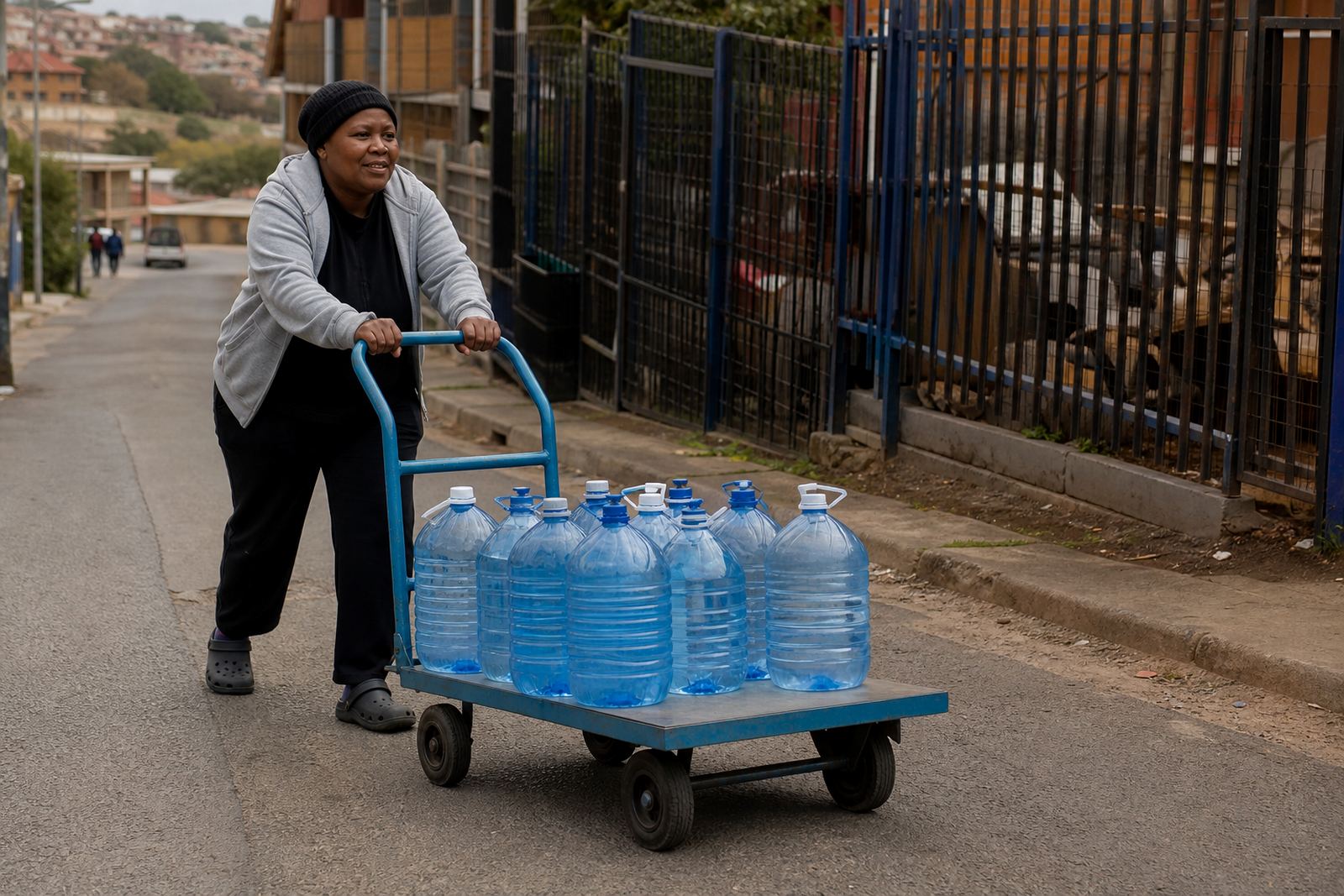
The centre of the work was a project story about people who step in with practical help, whether that means ferrying containers, sharing transport, or helping older residents manage long walks and queues. The programme had to stay respectful to the nominee and the family, and it had to make room for local facts without turning personal hardship into a spectacle.
- Town focus: Inanda, Durban
- Project type: nomination-based community recognition
- Story angle: orderly, fair support around water access
- Public reach: nominations open across South Africa
What the nomination route had to solve
The biggest constraint was keeping the process simple enough for public use while still collecting proper detail. Many nominators know the person they want to recognise, but they do not always know how to write a clear account. We shaped the route so the person making the nomination could tell the story in plain language, then add the facts that matter for review.
We also had to make consent a real step, not a hidden note. If the nominee could be contacted, their permission had to be recorded before anything was treated as a public entry. Where the story involved neighbours, carers, or family members, privacy needed tighter handling and the language had to stay careful.
- Plain nomination prompts for public use
- Consent captured before public use of names or images
- Private handling for sensitive family detail
- Review notes kept separate from public copy
How the story was written for public nominations
We supplied the wording for the nomination path, the question flow, and the supporting notes that explain what counts as a strong nomination. The copy asked for a real example of help given, who saw it happen, what changed for the people involved, and why the nominee’s action mattered in the local context. That kept the process focused on evidence rather than praise alone.
The writing also covered the hard parts. Some stories needed a careful way to mention illness, age, or household pressure without oversharing. We set out short guidance on useful evidence, such as witness detail, dates in rough form, and supporting context from someone who was there. The aim was not paperwork for its own sake, it was a nomination trail that a judging panel could read without guesswork.
- How to nominate in simple steps
- Writing the story in everyday language
- Useful evidence explained plainly
- Judging criteria set out without jargon
Judging fairness without noise
The judging process needed a steady frame. We worked with criteria that looked at community benefit, consistency of action, sincerity of support, and the practical effect on people nearby. That gave the panel a fair base to compare entries from different towns and provinces, even when the details of each story were very different.
To keep the process orderly, we set up review steps for incomplete nominations, duplicate entries, and public questions. The copy made room for nomination updates too, because people often remember a useful detail after submitting. A tight process matters here, not only for fairness, but because water support stories can move through households, streets, and informal networks very quickly.
- Community benefit
- Practical impact on daily life
- Consistency and reliability of help
- Clear support from witnesses or records
Privacy, consent, and sensitive material
Privacy carried real weight on this project. Some entries touched on vulnerable people, children, or household routines that should not be placed in public view without care. We wrote the privacy explanation in direct terms, and the consent wording made it clear that the nominee should understand how their information would be used before the nomination moved into review.
We also added guidance for nominations that included contact details, medical references, or family circumstances. Those parts had to be treated as sensitive information, not as filler. In practical terms, that meant limiting what was visible to the public, keeping review notes controlled, and using a process that respected the person first and the story second.
- Consent checked before public use
- Sensitive details handled with care
- Public copy kept separate from private notes
- Nominee updates managed through the nomination path
Five weeks from first brief to live nomination flow
The project ran over five weeks. The first stage mapped the nomination journey and the second shaped the content for how to nominate, eligibility checks, privacy, and judging criteria. After that, we tightened the wording for public questions, then refined the update path so nominations could be corrected without confusion. The final stage brought all the pieces into one orderly flow.
The result was a programme structure that could handle public interest without losing sight of fairness. Nominators had a clear route, reviewers had criteria they could use, and the privacy side was spelled out in a way that did not bury the detail. For a story about water collection and delivery, that kind of order matters because the work itself is already demanding enough.
- Week 1: brief, structure, and story angle
- Week 2: nomination wording and evidence prompts
- Week 3: consent and privacy copy
- Week 4: judging review flow and public questions
- Week 5: final edits and submission path
Key facts
| Project | Inanda Water Helper |
|---|---|
| Client type | Community-focused nomination programme in Durban |
| Town | Inanda, Johannesburg? no, Inanda, Durban |
| Core service | Public nominations for everyday community helpers |
| Key focus | Water collection and delivery support |
| Timeline | 5 weeks |
| Coverage | South Africa, with provincial nomination routes |
| Main concerns | Consent, privacy, evidence, fair review |