
A drive built around what a household can use
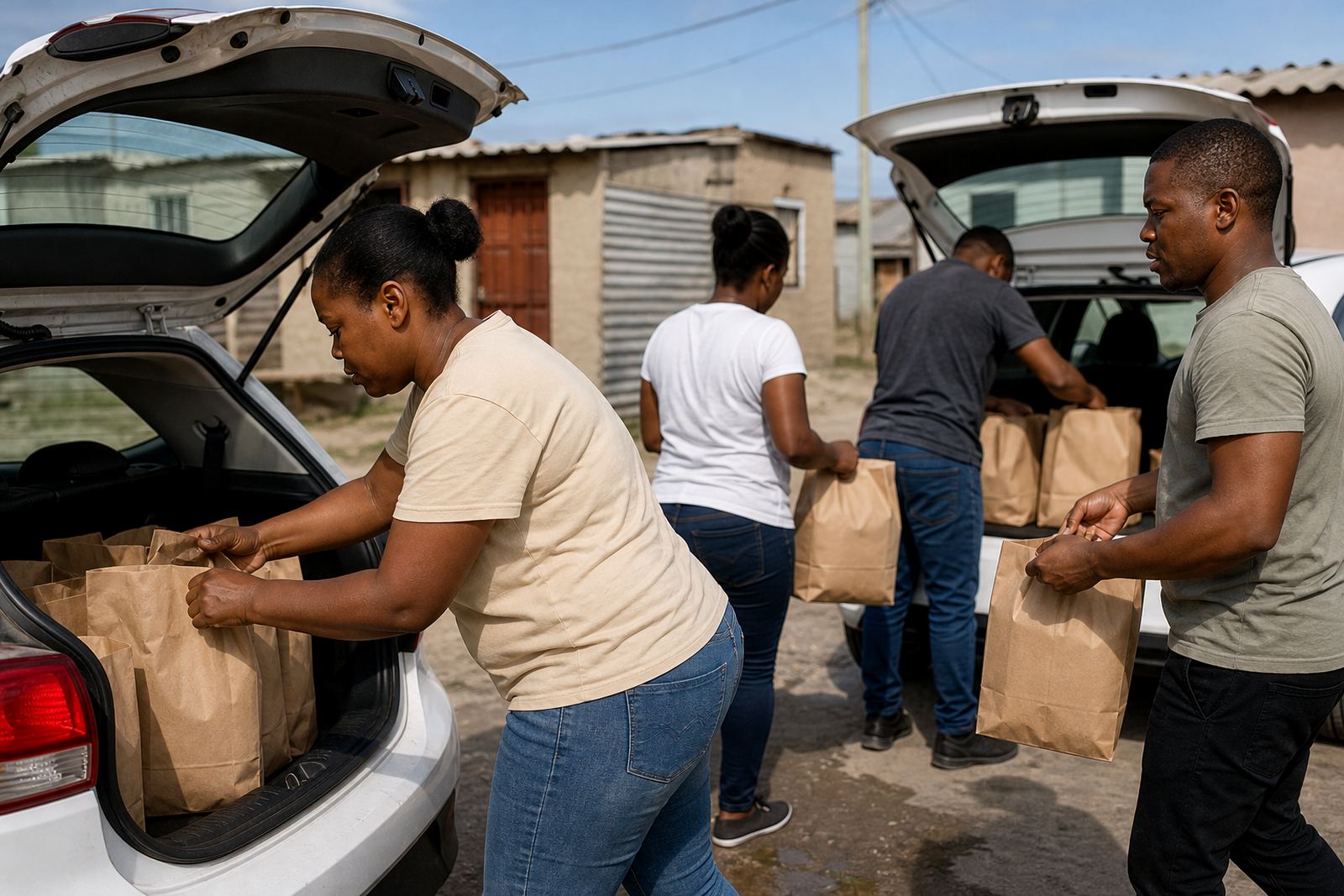
This project came through as a community-focused brief from a local organiser in Khayelitsha, Cape Town, with a need that was plain from the start: get groceries and cooked meals to households under pressure, without turning the process into a noisy campaign. The work had to stay respectful, workable and easy to explain to residents who were already carrying enough. We kept the structure lean, with a strong focus on household size, food type, storage, and the timing of collection and delivery.
Because the drive served different kinds of homes, the plan had to account for perishables, dry goods and prepared meals in one flow. That meant practical notes on pack sizes, meal portions, labelling and handover records. The brief also called for public-facing copy that could explain the purpose clearly, while keeping the tone grounded and local.
- Client type: community organiser in Khayelitsha
- Town: Khayelitsha, Cape Town
- Project focus: groceries and cooked meals
- Public reach: households across the surrounding area
The boundaries that shaped the work
The main constraint was time, but not in a vague sense. Fresh meals have a short practical window, and dry goods still need sorted packs that hold together from collection to handover. We also had to keep the process clear for people making nominations or referrals for support, because a drive like this can easily become confusing if the steps are not written in plain language.
Another boundary was privacy. A food drive can expose a lot about family circumstances, and not every household wants its situation discussed in public. We therefore kept personal details to the minimum needed for coordination, and separated the public wording from the internal notes used for delivery planning. That kept the programme useful without making anyone feel exposed.
- Limited storage time for cooked meals
- Mixed pack types for different household needs
- Privacy around personal circumstances
- Clear handover notes for volunteers and coordinators
How the nomination and support process was set up
We set up the process so that supporters could describe a household, give the reason for the referral and note any dietary issues or access concerns. The same structure helped the team sort what was needed without turning each note into a long story. Where there were older people, children or caregivers in the household, the wording made room for that, because those details often shape the kind of food that will actually help.
The team also put in place a consent step for any nominee or household contact whose details would be used in the process. That mattered for dignity as much as for compliance. We explained how information would be handled, who would see it, and what would stay private. In a community setting, that kind of clarity is not decoration, it is part of the work.
- Short nomination notes with the essentials only
- Consent recorded before details were used
- Dietary or access notes captured where needed
- Public wording kept separate from internal handling
Three weeks of sorting, packing and handover notes
The project took place over three weeks. The first week focused on setting up the intake form, drafting the public explanation and agreeing on the criteria for households that would get support. The second week covered sorting categories, food pack contents and the wording used for public updates. The third week dealt with final handover notes, privacy checks and the text that would appear beside any public mention of the drive.
What made the timeline work was the order of the tasks. We did not start with copy and leave the planning behind. We linked the message to the actual flow of support, so the details on paper matched the movement of groceries and meals in practice. That reduced confusion for volunteers and made the process easier to carry through a busy week.
- Week 1: intake setup and nomination wording
- Week 2: sorting categories and pack structure
- Week 3: handover notes, privacy checks and public wording
What the final delivery needed to do well
The finished project needed to do more than sound caring. It had to help people understand who the drive was for, how support would be handled and what counted as useful information in a nomination. The review process focused on fairness, practical need and whether the information supplied was enough to act on without dragging households through unnecessary questions.
We also kept the language suitable for public questions. Some people wanted to know how to refer a household, others asked about consent, and a few needed help with privacy concerns. The answers had to stay plain and direct. In a project like this, if the wording gets overdone, the whole thing starts to feel harder than it should.
- Plain criteria for support decisions
- Clear explanation of consent and privacy
- Easy-to-follow public question wording
- Useful handover notes for the team
What would carry into the next food drive
The strongest part of this project was how closely the message stayed linked to the actual logistics. That is what we would carry into the next food drive: keep the nomination steps short, keep the privacy note visible and keep the handover records clean. When support is aimed at households under strain, the record behind it matters as much as the food itself.
We would also keep the split between public language and internal handling. It protects dignity, reduces confusion and makes it easier for coordinators to work across different neighbourhoods. In Khayelitsha, where many needs sit close together, that kind of discipline helps the whole process hold its shape.
- Short nomination steps that people can follow
- Privacy notes placed where they are easy to see
- Separate internal records for food handling
- Clear wording for households, volunteers and coordinators
Key facts
| Project | Khayelitsha Food Drive |
|---|---|
| Town | Khayelitsha, Cape Town |
| Client type | Community organiser |
| Timeline | 3 weeks |
| Core support | Groceries and cooked meals |
| Key focus | Nomination flow, privacy, handover notes |