A cleanup story rooted in shared responsibility
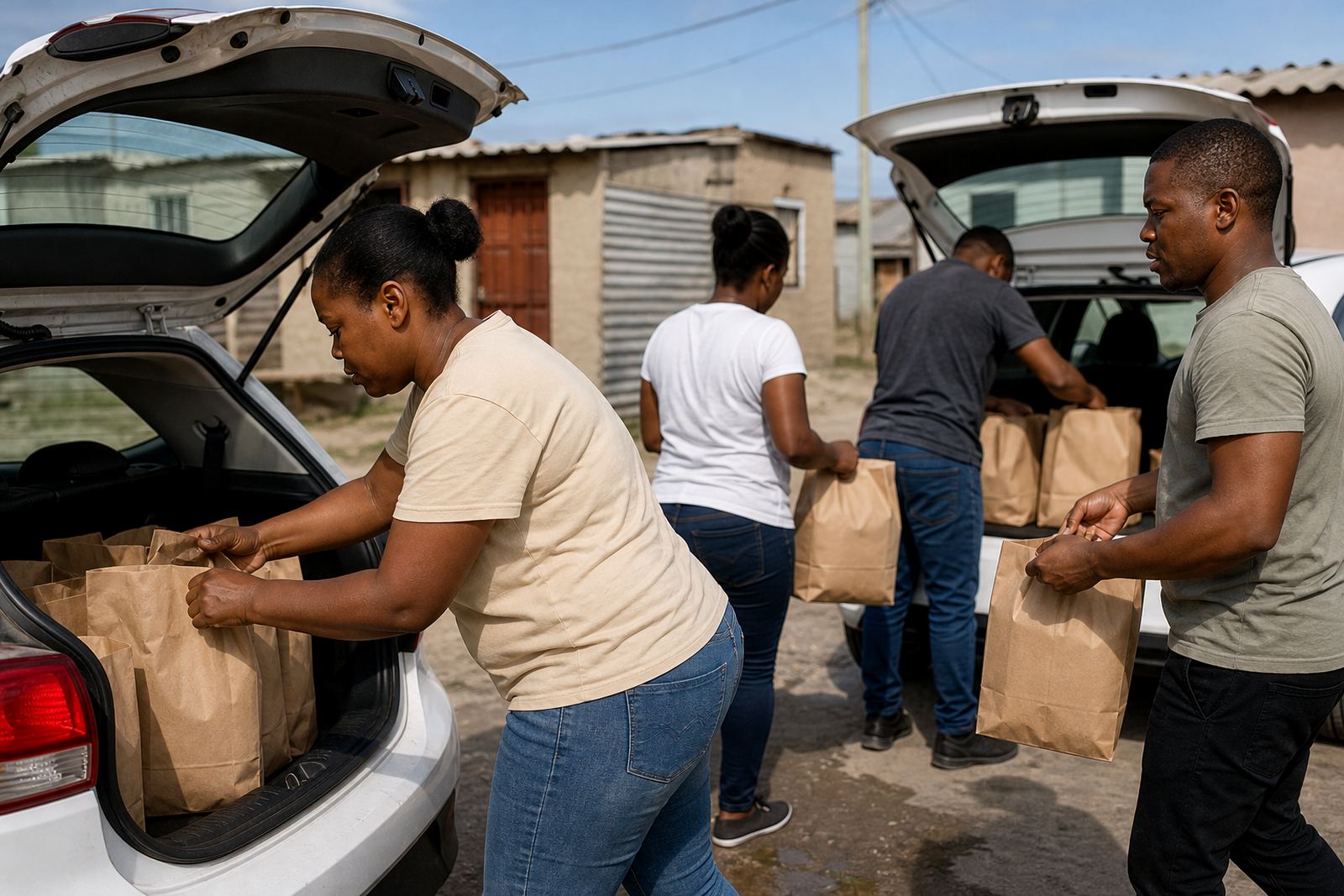
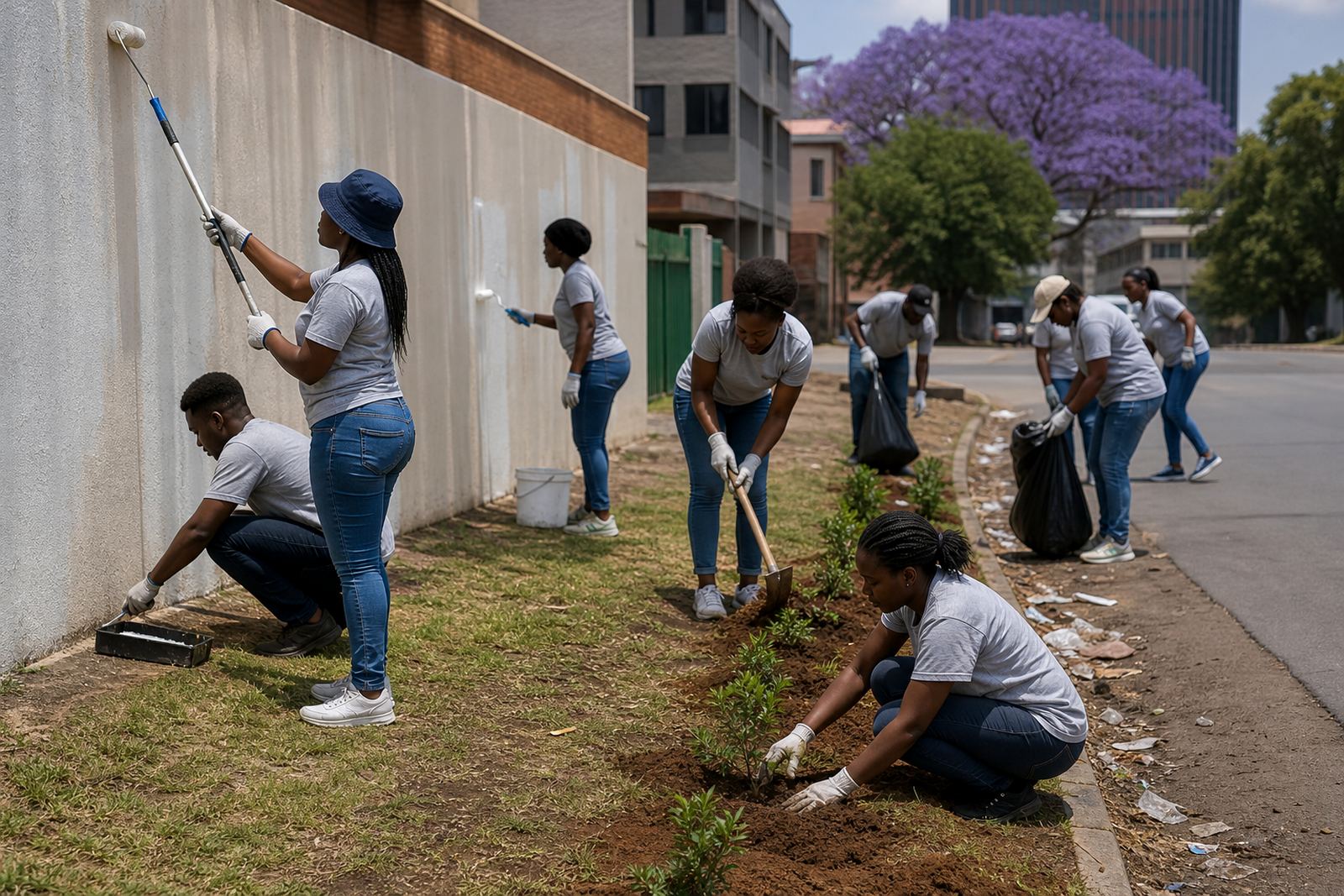
The Newlands East brief came from a Durban local group that wanted the account to rest with people who had actually done the work: clearing litter, reopening access paths, checking on elderly neighbours and calling others to lend a hand. The purpose was not to pretty up the effort, but to record it properly so the nomination reflected real service in a real place. That meant keeping the wording plain, checking names carefully and making sure the story stayed tied to the action, not to praise for its own sake.
The project sat neatly within a nomination-based awards programme because the strongest community work often begins with small, repeated acts. In Newlands East, those acts affected passageways, shared corners and the feeling of safety around them. We treated the nomination as a record of contribution, not a slogan, and that shaped every section that followed.
- Town focus: Newlands East, Durban
- Client type: community group organising a local nomination
- Project angle: cleaner, safer shared spaces
- Submission route: public nomination through our contact form
What the nomination needed to prove
The brief asked for a submission that could stand on facts rather than decoration. We needed to show what changed, who was involved, and how the effort affected the shared space without overstating it. That meant separating observation from assumption. If a passage was clearer, we said so. If residents felt safer using it, we recorded that as community feedback rather than a guaranteed outcome.
We also had to work within privacy boundaries. Some helpers were happy to be named, others were not, and that mattered. Where the nominee or supporting neighbours preferred not to share full details, we kept identifying information minimal and used only what was necessary to assess the submission. The same careful approach applied to photographs, witness notes and location references.
- Clear description of the problem space
- Evidence of direct action by local residents
- Consent from the nominee before submission
- Only the details needed for judging and record keeping
How the nomination was shaped for review
We supplied the story line, the evidence outline and the consent wording needed for a clean submission. The nomination had to answer ordinary questions in ordinary language: what happened, who stepped in, what changed and how the nominee fits the work. That kind of structure matters because a judging panel can only compare entries fairly when they are written against the same basic standards.
The review criteria were kept practical. Was the contribution direct and specific? Could the effort be traced to a real community need? Was the nominee clearly involved, rather than mentioned in passing? These checks may sound plain, but they stop weak entries from sliding through on sentiment alone. They also protect the people named in a nomination, because no one should be recorded in public without a proper basis.
- Story draft written in plain South African English
- Evidence notes matched to the claim in the nomination
- Consent section completed before any public use
- Judging summary kept separate from public wording
The working timeline in weeks
The project ran over several weeks, with each stage linked to a different part of the nomination process. The first week was used to gather the local account and list the people who could legitimately speak to the cleanup. The second week went into evidence sorting, consent confirmation and review of the wording. The third week was used for final checks, making sure the submission did not expose personal details that should have stayed private.
That pace suited the nature of the work. Community efforts like this are often done in spare hours and at short notice, so the record has to be disciplined even when the event itself felt informal. We kept the structure firm but the tone human, which helped the nomination read like a genuine account of service rather than a polished campaign line.
- Week 1: local interviews and story capture
- Week 2: evidence collation and consent checks
- Week 3: final review and submission preparation
- Follow-up: updates kept tied to the original record
Privacy, consent and fair judging in practice
Because the programme recognises ordinary people, privacy had to sit at the centre of the process. We kept the nominee informed about what would be recorded, what might be shared publicly and what would remain private. Where a neighbour only gave a short statement, we used that carefully and did not push for more than was needed. That restraint helped the nomination stay respectful and legally tidy.
The judging process itself was kept to plain terms. The main questions were whether the nominee had taken part directly, whether the action addressed a genuine local problem and whether the evidence supported the story. We also checked that the submission was consistent across the written account and the supporting notes. A nomination can be warm without being vague, and it can be detailed without becoming messy.
- Consent collected before submission use
- Personal details reduced where they were not needed
- Supporting notes aligned with the main story
- Judging focused on direct contribution and evidence
What the cleanup showed and what we would do differently
The result was a nomination that gave proper shape to a local effort people had already seen on the ground. It turned a neighbourhood improvement story into a structured record that could be reviewed fairly, without losing the lived detail that made it worth telling. For the community, that mattered because the cleanup was no longer just memory or hearsay. It had been set out clearly, with enough context to show why the work counted.
If we were to handle a similar project again, we would keep the same sequence: gather the story first, then confirm consent, then match the evidence to the claim, then remove anything unnecessary. That order works because it respects the nominee and it makes the judging easier. It also keeps the public version clean, which is important when a project touches shared spaces, neighbours and personal accounts.
- Neighbourhood improvement recorded as a proper nomination
- Shared space story kept factual and respectful
- Public version protected private details
- Process stayed grounded in ordinary community evidence
Key facts
| Project | Newlands East Cleanup |
|---|---|
| Town | Newlands East, Durban |
| Base | Braamfontein, Johannesburg |
| Project type | Community recognition nomination |
| Timeline | 3 weeks |
| Core focus | Cleaner and safer shared spaces |