Start with a narrow ask, not a long request
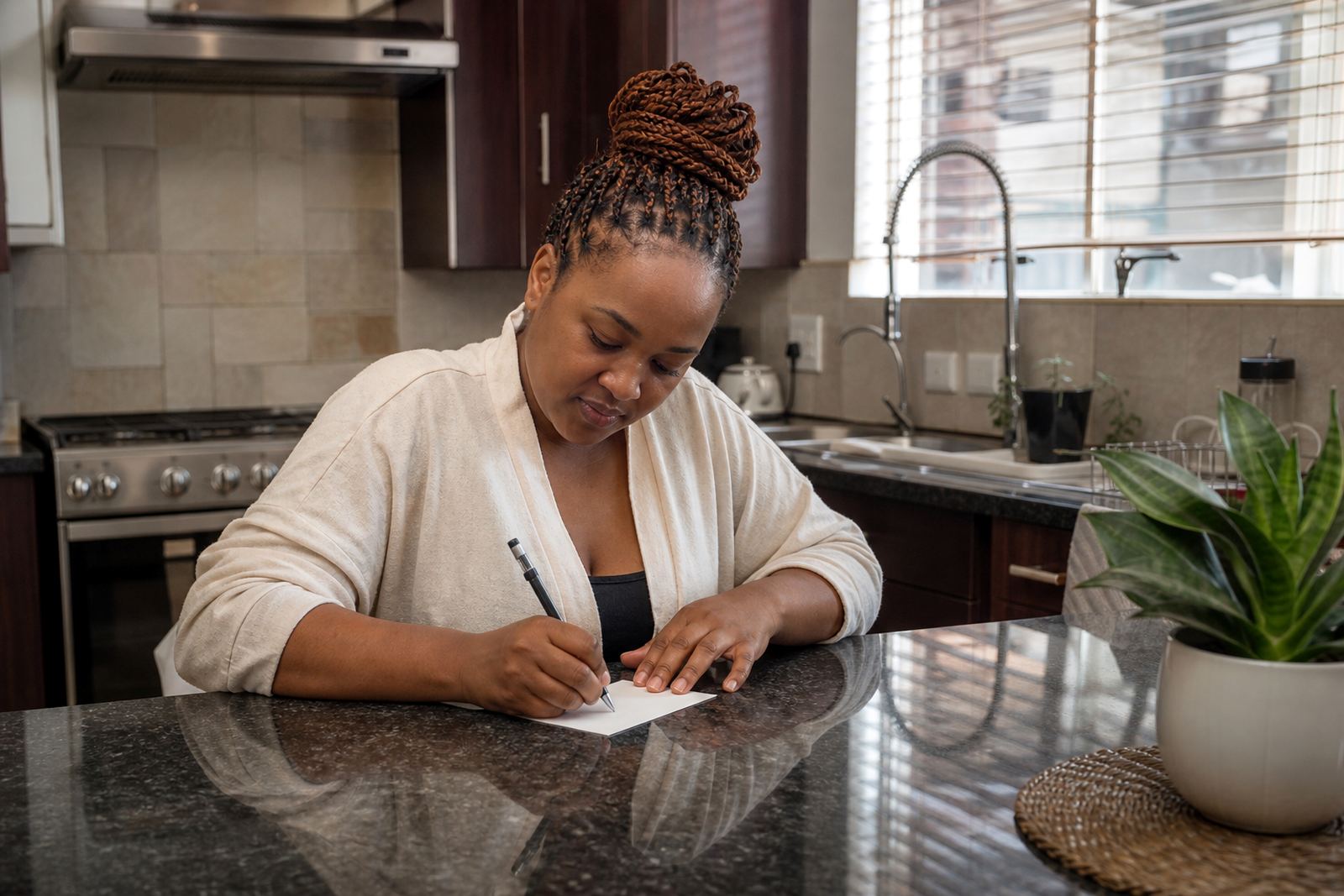
A good supporting comment is usually one or two clear paragraphs, not a full life story. Ask for a short note about what the nominee did, where the help happened, and what changed for the people around them. That keeps the request light and makes it easier for a neighbour, colleague, parent or community member to say yes without feeling cornered.
It helps to name the purpose plainly. Tell the person that the comment may be used to support a nomination for a community awards programme, and that they can keep it brief if they prefer. If they do not want to write much, a few direct lines are enough. A short account from someone who saw the work first hand often carries more weight than a polished paragraph.
Ask for detail that can be checked
Supportive comments work best when they contain facts that can be understood and, where needed, checked against the nomination. Ask for the setting, the role the nominee played, and the practical result. A teacher who stayed after class to help learners, a volunteer who coordinated food parcels, or a neighbour who organised transport for clinic visits all create a clear picture.
- Who wrote the comment and how they know the nominee
- What action they saw, heard about or worked on together
- Which community need was addressed
- Whether there were dates, a season, or a repeated pattern of help
- Any direct result, such as fewer missed appointments or safer local support
Names of streets, schools or clinics are helpful when the writer is comfortable sharing them, but the comment should never feel like a form to complete under pressure. Facts matter, yet plain language matters too.
Keep the tone respectful and unforced
Do not ask people to write praise they do not believe. A genuine note that says, for example, that the nominee turned up every week, listened well and solved practical problems, is stronger than a big statement with no detail. People in Braamfontein, Johannesburg and elsewhere often respond better to a modest request than to a request that sounds like a speech.
It can help to give a few prompts, then leave space for the person to use their own words. You may say what kind of support you need, but do not script the final comment. If the writer wants to focus on one moment, let them do that. If they want to mention many small acts of help, that also works. The point is to capture what they saw, not to polish it into something overworked.
- Keep the request short
- Avoid telling people what to feel
- Do not promise visibility or reward
- Allow the writer to decline without awkward follow-up
- Accept a simple note if that is all they want to give
Consent comes before sharing any name or story
Before you include a testimonial, make sure the person writing it agrees to share their name and comment in the nomination process. The same applies to the nominee. If the comment mentions personal circumstances, family matters, health details or other sensitive points, consent needs to be clear and specific. Silence is not consent, and a casual message is not enough when private details are involved.
If a writer wants to stay unnamed, note that preference before submission. If the nominee would rather not have certain details included, leave them out. A strong nomination can still stand on practical evidence and a clear account of community benefit. Privacy is not a separate extra, it is part of writing responsibly from the start.
Use questions that help people write plainly
Some community members freeze when asked to write a testimonial from scratch. A few simple prompts can help. Ask what they noticed, what changed, and why the nominee mattered in that moment. You can also ask how often the help happened, whether others were involved, and what the nominee did that felt unusual or especially steady.
These questions work well when you are collecting supporting comments across Gauteng, the Western Cape, KwaZulu-Natal, the Eastern Cape, Limpopo, the Free State, North West or Mpumalanga. The wording can stay the same, but the example should fit the person and the place. A clinic queue in Polokwane, a school corridor in Cape Town, or a youth group in Durban will not need the same details, yet the basic structure stays useful.
- What did you see the nominee do
- How often did this happen
- Who benefited from the help
- What changed because of the effort
- What makes this support worth noting now
Place the comment inside the nomination, not apart from it
A testimonial is strongest when it sits beside the rest of the nomination, not as a loose attachment with no context. Link the comment to the nominee’s story, the eligibility check, useful evidence and any privacy notes. If the comment supports a specific part of the nomination, say so. That makes the judging process easier to follow and reduces confusion later.
Before you submit, read the comment as if you were a stranger. Does it say who the writer is, what they saw, and why it matters? Does it avoid gossip or personal attacks? Does it support the nomination without overreaching? If the answer is yes, the comment is probably doing its job well.
A small checklist before you send it in
This final check can save a lot of awkwardness later. It keeps the nomination tidy and protects the people who took part in it. For the SA Hero Awards, the aim is not to collect the longest text, but to gather honest support that reflects real community work.
- Has the writer agreed to their comment being used
- Does the comment stay brief and factual
- Are private details included only with consent
- Does the story match the nomination facts
- Have names, places and roles been spelled correctly
- Is the language respectful, plain and free from pressure
If something feels too personal or too heavy, leave it out and keep the note simpler. A clear, voluntary comment is usually enough. When the request is handled with care, people are more likely to share something honest, useful and fair.