Read it once for the person, not the prize
Start by reading the nomination as if you know the person but not the story. The point is to see whether a stranger can understand who they are, what they did and why it mattered. Keep the language plain. A nomination that tries too hard can blur the real action underneath.
Check that the person is described in a respectful way. Avoid labels that feel casual, joking or too familiar. If the entry mentions a teacher, volunteer, carer, first responder or neighbour, the wording should still sound dignified. The goal is to recognise a real contribution, not turn a community act into a slogan.
It helps to slow down around names, places and dates. Small slips can change the meaning of a nomination and make it harder to assess. A final read through often catches the detail that was missed the first time.
Details that should never be left thin
A useful nomination gives enough detail to show what happened. A short message that only says someone is kind will not carry much weight. A stronger entry explains the situation, the action taken and the difference it made. If the person helped after a fire, supported learners, drove someone to treatment or organised a food parcel drive, say so clearly.
- Full name of the nominee, spelt carefully
- Town, suburb or community where the help took place
- What the person did, in plain language
- Who benefited from the action, without oversharing private details
- Any dates or time period that make the story easier to follow
- Contact details only where the form asks for them
If you leave out too much, the judging process has less to work with. If you include too much, the story can become hard to follow. Aim for enough detail to explain the contribution without crowding the page.
Proofread for spelling, names and small breaks in meaning
Names deserve a careful check. A missing letter in a surname, a swapped initial or a wrong suburb can create confusion later. Read the entry line by line and look for places where your fingers moved faster than your eyes. This is also the moment to check punctuation, capital letters and any repeated words that slipped in.
A good method is to read the nomination out loud. That helps you hear awkward sentences, missing words and places where the meaning jumps. If a sentence sounds rushed, split it. If a detail feels vague, make it more direct. The aim is not to write a long story, only one that reads cleanly and honestly.
Where the story includes medical, family or work related details, keep the wording careful. You do not need to over-explain private matters to make the nomination stronger. Clear, measured language often carries more weight than dramatic wording.
Consent matters before any personal story is shared
If the nominee knows about the entry, confirm that they are comfortable being nominated. A nomination is not just about praise, it also carries personal information. Someone may be happy for their actions to be recognised but not want every detail shared publicly. That should be respected.
When the nominee cannot be asked directly, pause before including sensitive information. Think about whether the story can still be told with care. The safest nominations share only what is needed for the review. If a detail is private, it may be better to leave it out rather than force it into the form.
- Check that the nominee understands they are being entered
- Keep personal health, family and workplace details limited
- Do not include third party information unless it is necessary
- Use the minimum detail needed to show the contribution
- Remove anything that feels personal, unsafe or embarrassing
Respectful consent is part of a sound nomination. It shows care for the person as well as care for the process.
Judging is easier when the story is honest and specific
Entries are easier to assess when they show a real action and a real outcome. Judges are looking for the clearest account of what the nominee did, not the most dramatic wording. A strong nomination explains the situation, the response and the effect on others. It should read like a true account from someone who paid attention.
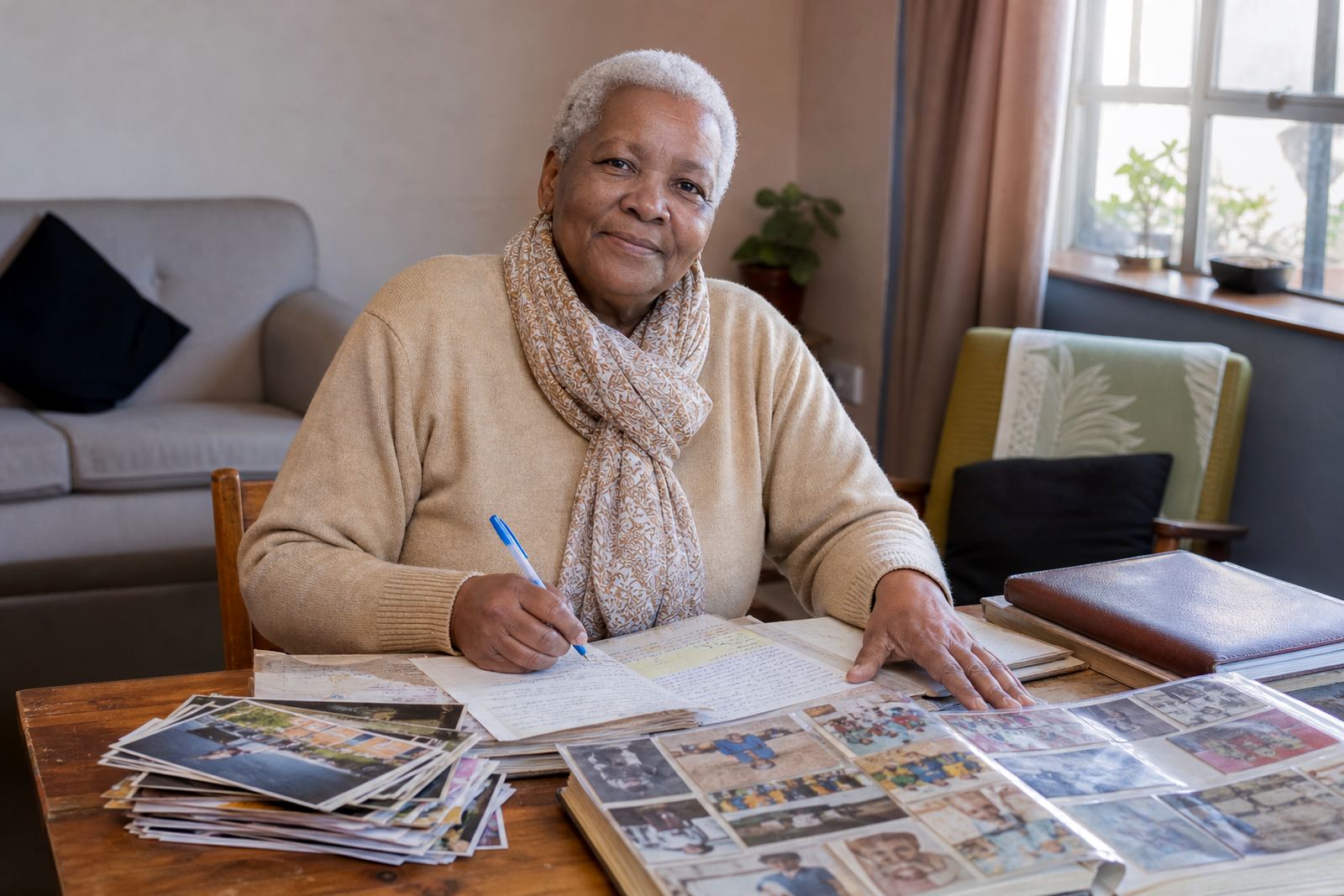
Useful evidence can help support the story. This may include photographs, letters, messages, newspaper clippings or records that show the action took place. Keep the evidence relevant. Too much material can distract from the main point, while a few useful pieces can support it well. If you are unsure whether a detail belongs, ask whether it helps explain the nomination or only adds noise.
Plain writing works best here. Short sentences can carry more meaning than polished language that feels distant. The story should sound like something that happened in a real community, because that is exactly what the programme is there to recognise.
Final sweep before you submit the form
Use one last checklist before sending the entry through our contact form. This final read is where many small issues are caught. It is also the point to check whether the nomination still sounds respectful after everything has been added. If a sentence now feels clumsy, trim it back.
- Is the nominee’s name correct?
- Is the story clear about what they did?
- Are any important facts missing?
- Is the tone respectful and fair?
- Have you removed private details that are not needed?
- Does the entry make sense to someone outside the community?
If you are editing for a relative, neighbour, learner or colleague, step away for a few minutes and then read it again. A fresh look often shows whether the form is ready or still needs another clean pass. When the wording is clear, the details are checked and the tone is steady, the nomination is in good shape for submission.