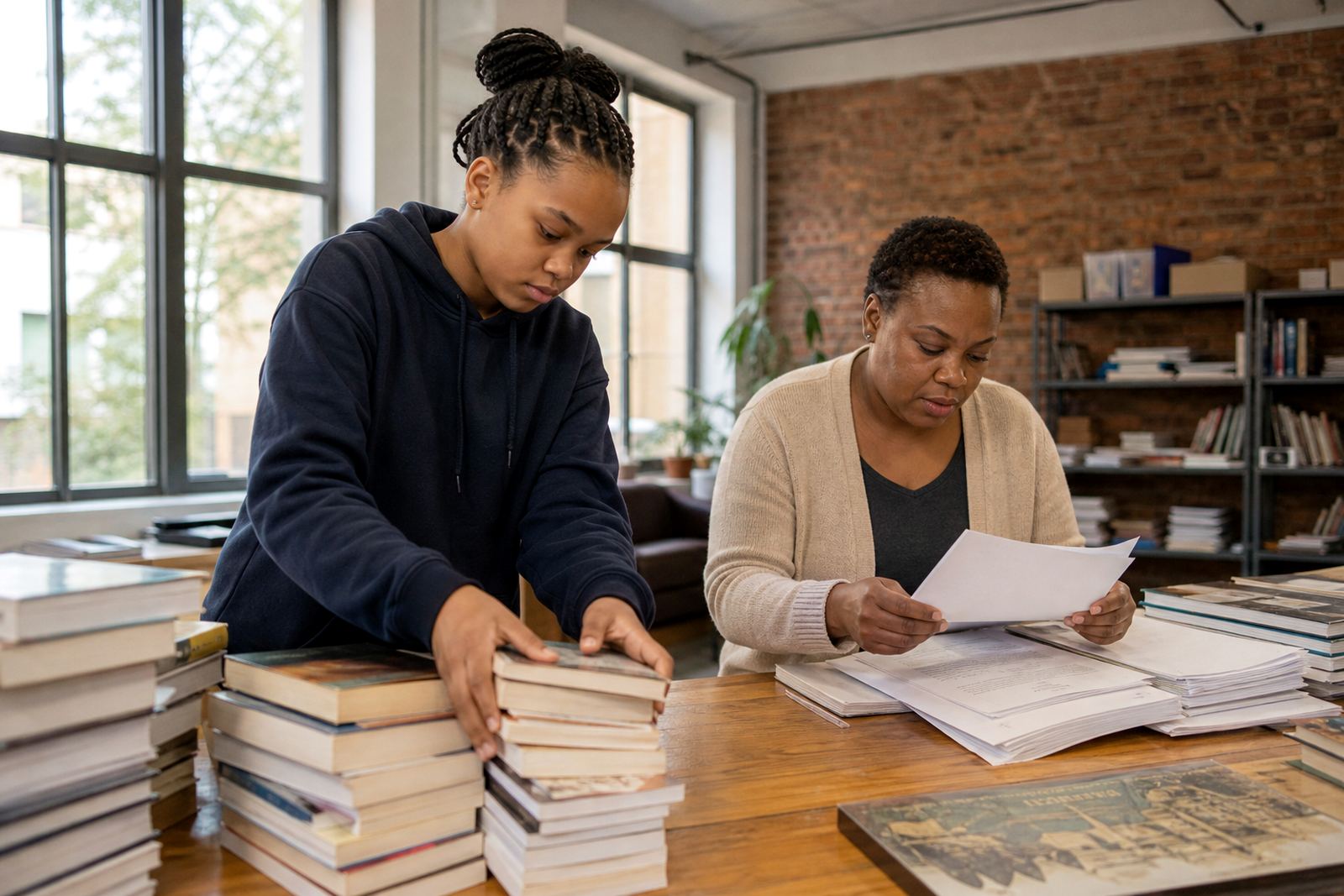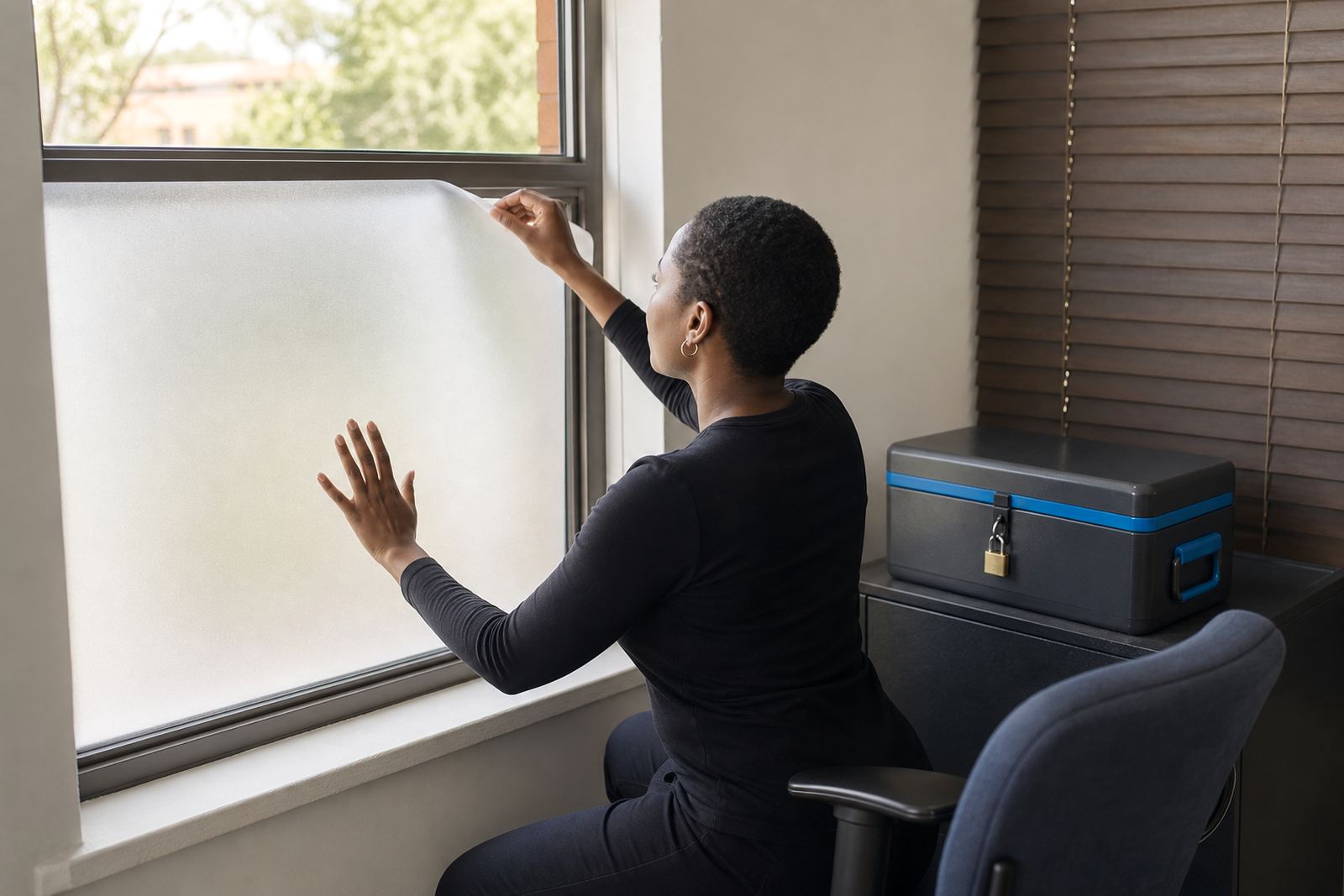
Start with the work, not the private life
Begin with the action you saw. Describe the help given, the community served and the difference made in plain terms. A strong nomination does not need a full life story, family background or home address to make its point.
If the person is a teacher, carer, volunteer, neighbour or first responder, keep the focus on the service itself. Mention the setting only where it helps the judges understand the contribution, such as a school in Soweto, a clinic in Tzaneen or a neighbourhood group in Mitchells Plain.
- Use the person’s role, not their private routine.
- Leave out ID numbers, home addresses and banking details.
- Keep the story tied to one clear example of service.
- Include place names only when they add useful context.
Write only the detail needed for judging
The judging process works better when the story is clear and specific, not crowded with extra personal detail. A short account of what happened, who was helped and how the nominee stepped in is usually enough.
If you are unsure whether a detail is needed, ask whether it helps the judging criteria. If it does not support the story of community benefit, leave it out. That includes old disputes, unrelated family matters and anything that could embarrass the nominee without improving the nomination.
- Keep dates broad if exact dates are not needed.
- Use one or two examples instead of a long personal history.
- Do not add rumours, guesses or second-hand claims.
- Leave out children’s names unless they are essential and consented to.
Get the nominee’s consent before you submit
Consent matters. If the nominee knows about the nomination, they can decide whether they are comfortable with their story being shared for review. This is especially important when the nomination includes photos, health details, family matters or another person’s contact information.
In many cases, a simple check is enough: tell the nominee what you plan to share and why. If you are nominating someone who helps quietly, ask whether they are happy for the submission to use their name and town. If they prefer less detail, respect that and keep the entry lean.
- Explain what information you plan to include.
- Ask permission before uploading photos.
- Respect a request to keep some details private.
- Do not assume consent from someone else in the family or team.
Handle sensitive information with care
Some nominations touch on illness, injury, grief, abuse, poverty or other difficult matters. Those details should only be included when they are necessary to explain the service and even then, keep them brief. The goal is to show impact, not expose someone’s private pain.
When writing about sensitive situations, use calm language and avoid names or descriptions that are more detailed than needed. If a matter is already public, that does not mean every part of it must appear in the nomination. Keep the submission respectful and leave room for dignity.
- Do not include medical records or confidential files.
- Avoid naming third parties involved in private situations.
- Use general wording for hardship where possible.
- Strip out anything that could identify a child or patient unnecessarily.
Check your evidence before you attach it
Useful evidence should support the nomination without oversharing. A clear photo, a short message of thanks or a simple record of the service can help, but only if it is relevant and permitted. Too much evidence can expose people who did not agree to be included.
Before uploading anything, look at each file as if it were being read by someone who does not know the nominee. Ask whether it proves the contribution, or whether it simply reveals private detail. If a document contains extra information, crop, redact or leave it out.
- Share only evidence that matches the nomination story.
- Remove phone numbers, account numbers and IDs from files.
- Check that photos do not expose private addresses or children without permission.
- Keep screenshots and letters relevant, brief and readable.
Use our contact form for privacy questions
If you need help with a difficult case, our contact form is the safest way to raise it. Use it when you are unsure whether a detail belongs in the nomination, or when you need help with consent, redaction or a sensitive story. The aim is to keep the submission useful without making it more public than it needs to be.
Our team in Braamfontein, Johannesburg works with nominations from Gauteng, the Western Cape, KwaZulu-Natal, the Eastern Cape, Limpopo, the Free State, North West and Mpumalanga. Whether the story comes from Cape Town, Durban, Gqeberha, Polokwane or Johannesburg, the same privacy habits apply.
- Send only the detail needed to explain the issue.
- Tell us if a section must stay private.
- Ask about redacting sensitive evidence before you submit.
- Keep contact details limited to what is necessary for the process.
A final privacy check before you send
A careful last read can save time and protect the nominee. Read the submission once for meaning and once for privacy. If a sentence exposes more than it should, trim it. If a file carries extra names or numbers, remove them.
Before you submit, check that the nomination explains the help, shows that the nominee knows about it, and includes only details that matter. If the answer to any of those is no, adjust the wording. Clear nominations protect people better and still give the judging process what it needs.
- Check that consent is in place.
- Remove unnecessary personal identifiers.
- Keep the story factual and respectful.
- Make sure every attachment has a reason to be there.