Start With The Person, Not The Story
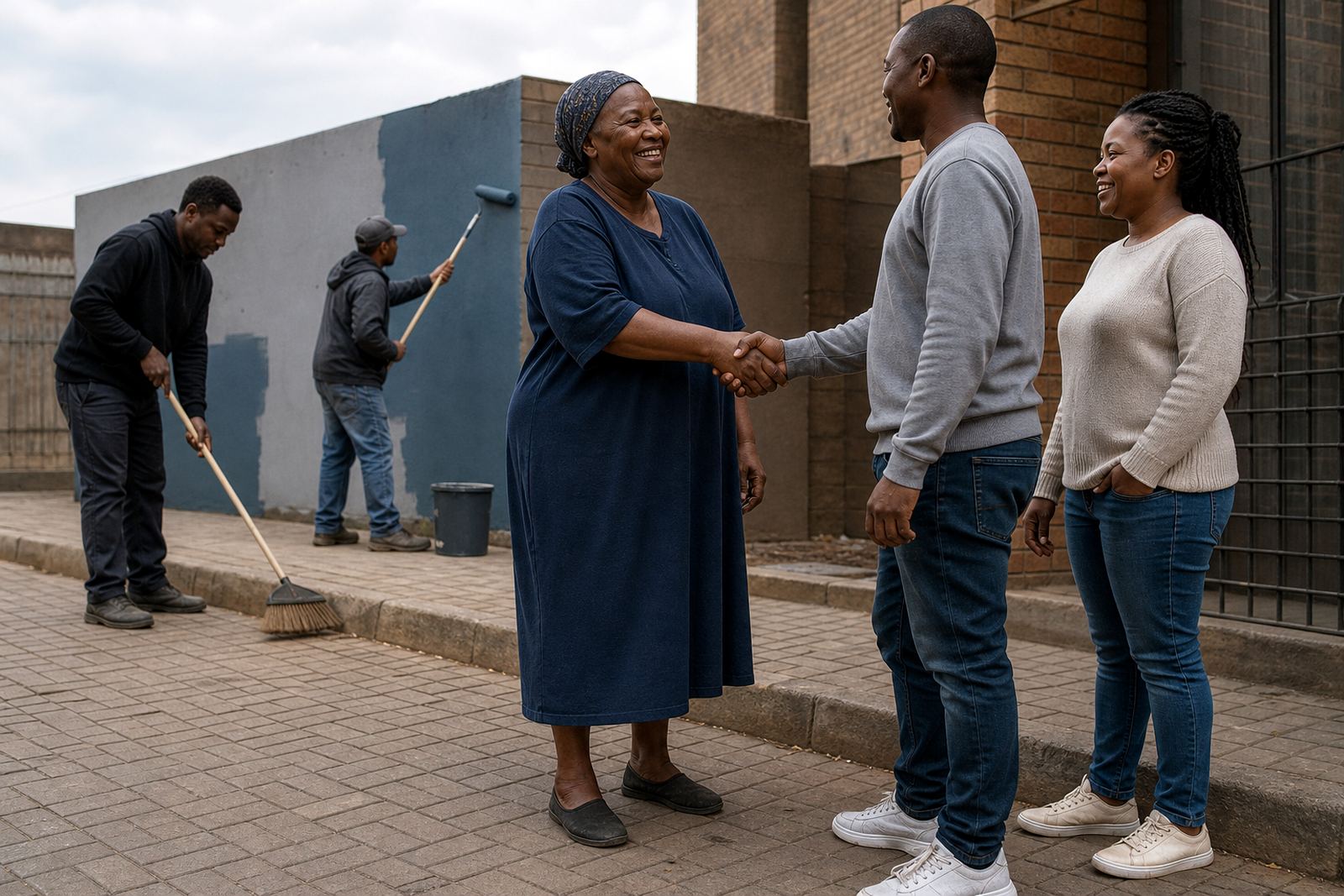
A strong nomination begins with the nominee hearing from you first. Tell them what the awards programme is, why you think their actions matter, and that their story may be shared if they agree. Keep the conversation plain and honest. Do not build it into a big speech or treat it like a surprise reveal.
Some people are proud to be recognised, others feel shy or private, and a few may not want attention at all. That reaction is normal. Your job is to ask, listen, and accept the answer without pressure. If they say yes, you can move ahead with more detail. If they say no, stop there and respect it.
What To Explain Before You Ask
Give the nominee enough detail to make a proper decision. Say what kind of programme this is, who can be nominated, and that the story may be reviewed for clarity and fairness. Explain that the nomination is not a promise of selection, and it does not need exaggerated language to be meaningful.
- Who is nominating them and why
- What parts of their story may be shared
- Whether their name, town, role, or photo may appear
- That sensitive details should stay private unless needed
- That they can ask questions before giving consent
Keep the tone calm. A clear explanation helps the nominee make a real choice, not a rushed one.
A Respectful Way To Ask For Consent
Ask in direct language. You can say that you would like to put their name forward and explain the reasons. Mention that their support matters, because the programme works with public nominations and real community stories. Make space for the nominee to think about it instead of answering on the spot if they do not want to.
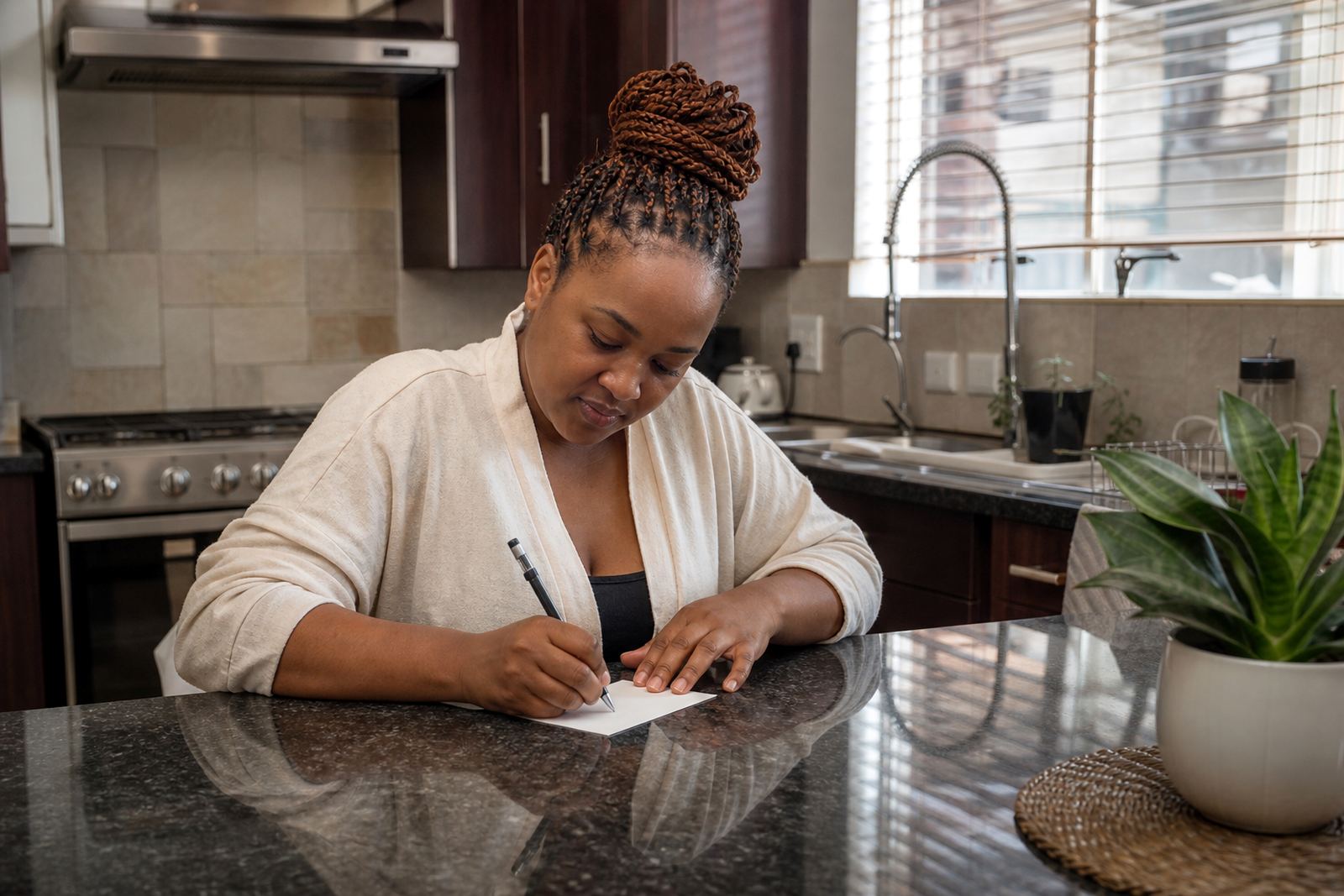
Written consent is helpful when you are sharing a detailed story, attaching photos, or including contact details. A short message, signed note, or clear written reply can keep things tidy. If someone agrees verbally, make a note of the date and what was agreed so there is no confusion later.
- Ask in private, not in a crowded room
- Say exactly what will be submitted
- Offer time to reflect before they respond
- Record any limits they place on the story
- Keep your notes accurate and brief
What Makes A Nomination Strong And Fair
A good nomination is specific. It should show what the nominee did, who benefited, and why the work mattered in everyday terms. For a teacher, that may mean steady support for learners beyond lessons. For a carer, it may mean practical help that eased a family burden. For a first responder, it may mean calm action under pressure. For a neighbour or volunteer, it may mean consistent help over time.
The judging process works better when the nomination is honest and grounded. Avoid praise that sounds inflated. Use plain facts, real examples, and details that can be understood without guesswork. If there is useful evidence, such as dates, places, or a short statement from someone affected, include it only where the nominee has agreed to that share.
Privacy, Sensitive Details, And Boundaries
Not every good deed needs full public detail. If a story involves health matters, family disputes, trauma, children, or unsafe situations, slow down and think carefully about what belongs in the nomination. The aim is to recognise service, not expose private life. When in doubt, leave out the detail that is not needed.
The person named in the nomination should know what will be visible and what will stay on the record only for internal review. If they want their surname, workplace, or town withheld, note that clearly. If a photo feels too personal, do not include it. These limits are not a problem, they are part of respectful participation.
- Do not share medical or family details unless needed and agreed
- Remove names of children or other private individuals where possible
- Keep addresses, identity numbers, and contact details out of the story
- Check whether any image or quote needs extra permission
- Store only what is needed for the nomination process
If The Nominee Hesitates Or Says No
Some people need time. Others want no public attention at all. A pause does not mean you have failed, it may just mean the person values privacy. Listen without pushing. You can explain that you will not submit anything unless they agree, and that their decision will be respected.
If they decline, you can still thank them for what they do and keep the moment private. If they agree to part of the nomination but not all of it, work within those limits. Maybe the story can mention the action without naming the location, or name the role without adding extra background. Small adjustments can keep the process fair and comfortable.
A Simple Consent Checklist Before You Submit
Before you send a nomination, take a final check through the details. This is where many small mistakes can be avoided. Keep the language factual, confirm consent, and make sure the story matches what the nominee agreed to share. A careful check now saves awkward questions later.
- The nominee knows they are being nominated
- You have permission to share their story
- The scope of consent is clear and specific
- Any private details have been removed or limited
- The nomination is accurate and not exaggerated
- You have checked spelling of names and places
- Any supporting evidence is relevant and permitted
If you need to update something after submission, use our contact form and explain what has changed. Privacy matters throughout the process, not only at the start.