What counts as a strong Eastern Cape nomination
A strong nomination tells a real story from the Eastern Cape, whether it comes from a school in Gqeberha, a clinic corridor in Makhanda, a church group in Mdantsane or a neighbour who keeps an informal food line going in East London. We look for everyday service that is specific, recent enough to verify and grounded in community impact. A good form names the person clearly, explains what they did, where it happened and who saw the difference. Vague praise helps less than a plain account of the work itself.
The best nominations do not need polished language. They need a clear chain of events, a few names that can verify what happened and a story that stays honest about the nominee’s role. If the person stepped in during a flood, helped with transport to a clinic, organised school lunches or took on caring duties after hours, say so directly. That kind of detail gives the judging process something solid to work with.
- Name the nominee and the community they serve.
- Set out what they did, in plain words.
- Add dates or periods if you know them.
- Include the people who can confirm the story.
- Keep the focus on service, not praise alone.
How the process works for Gqeberha and surrounds
People from Gqeberha, Kariega, Humansdorp, Graaff-Reinet and smaller coastal and inland towns can submit through our contact page form. Once a nomination is received, it is checked for basic eligibility, consent and enough detail to assess fairly. If the story is too thin, the nomination may need more context before it can be considered properly.
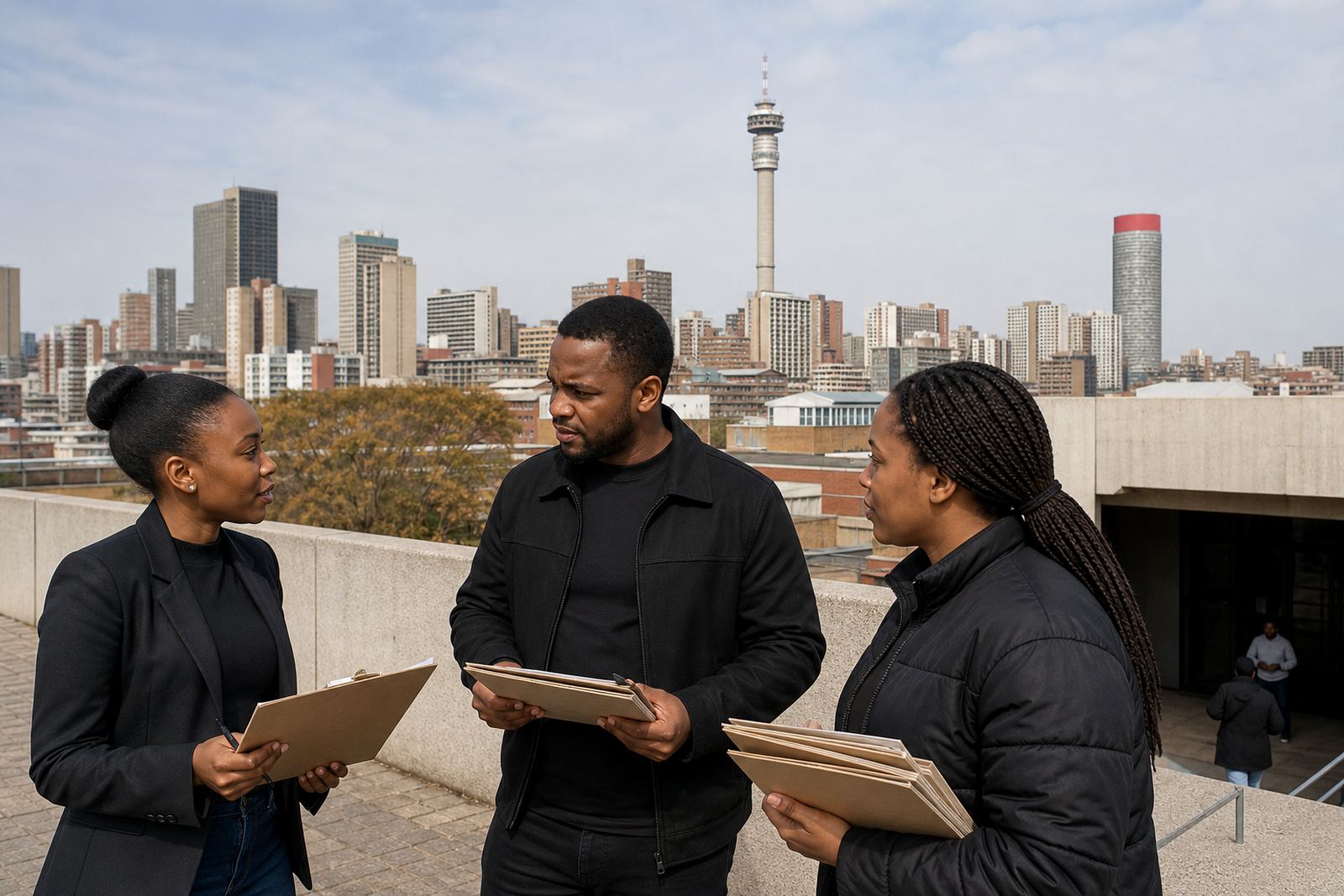
Our team works from Braamfontein, Johannesburg, but the Eastern Cape process is handled for the province as a whole. That means we treat a nomination from a busy metro area and one from a remote village with the same care. What changes is the local detail, because the judging needs to understand the setting as well as the action. Coastal humidity, travel distances and patchy access to records can all shape what evidence is easiest to gather, so the form should use whatever proof is practical and lawful.
- Submit the nomination through our contact page form.
- Give the nominee’s full name and area.
- Explain the act of service in simple terms.
- Attach notes, messages, photographs or witness details where suitable.
- Wait until consent and privacy points are in place.
Consent before the story is shared
Consent matters in every province, and the Eastern Cape is no exception. If the nominee is an adult, they should know they have been nominated and should agree to the details being reviewed and, where relevant, shared within the awards process. If the nominee is a minor or a vulnerable person, extra care is needed and the nomination should not expose them unnecessarily. The form should never be used to put private hardship on display without a proper reason.
We also ask nominators to think before adding sensitive information. Medical details, family matters, addresses and phone numbers should only be shared where they are genuinely needed for the nomination and can be handled safely. In many cases, a short factual description is enough. A good nomination protects dignity while still showing the depth of the person’s help to others. That balance matters in places where communities are close knit and a story can travel far.
- Check that the nominee knows about the nomination.
- Keep health and family details to what is necessary.
- Do not include private information without good reason.
- Use clear wording if there are safeguarding concerns.
- Let us know if the story needs careful handling.
Evidence that helps in Eastern Cape submissions
Useful evidence does not have to be formal. A school note, a community group message, a photo from a clean-up, a letter from a clinic volunteer or a neighbour’s written statement can all help. In the Eastern Cape, many acts of service happen outside office hours and without paperwork, so the programme accepts supporting material that reflects real life. The point is to back up the story, not to bury it under admin.
When you write the nomination, link each piece of evidence to the action it supports. If the person has been helping with transport, say who they helped and how. If they organised meals, mention where the support was delivered and who can confirm it. For rural areas and outlying settlements, location detail matters because it shows the reach of the work without turning the form into a long report.
- Photographs can help if they are relevant and respectful.
- Messages or community notes may support the timeline.
- Witness names are useful when they are willing to be contacted.
- Short statements beat broad claims every time.
- Evidence should support, not replace, the story.
What the judging team looks for
The judging process looks at a few plain points. Does the nomination describe a real act of service. Is there enough detail to understand what happened. Can the story be checked in a sensible way. Does the nomination respect consent and privacy. Is the community impact clear without overstating the case. Those questions keep the process fair for nominations from urban parts of the province and for communities where help is often shared quietly and without fuss.
We do not ask nominators to write like campaigners. Plain truth works better. If a teacher stayed late to help a learner, say how. If a first responder kept showing up beyond the call of duty, explain the pattern. If a neighbour carried meals to a family in crisis, describe the support and who saw it. The strongest nominations tend to be specific, modest and easy to follow.
After you submit from the Eastern Cape
After a nomination is sent, keep a copy of the details you entered. That helps if you need to update the story or add missing context through the same contact page form. Changes are most useful when they are precise, for example a corrected spelling, a clearer description of the service or an extra witness name. If you add more information later, keep the same nominee and situation so the record stays tidy.
We cover nominations across the province, from Gqeberha and surrounding coastal districts to inland communities in the Free State border direction, the Karoo edge and the far north of the Eastern Cape. The service area is broad, but the standard is consistent. Each nomination should show who helped, what they did and why it matters to the people around them.
- Keep your copy of the submitted details.
- Use the same form if you need to update facts.
- Stick to one nominee per submission unless told otherwise.
- Keep names, places and dates consistent.
- Use the contact form for all enquiries.
Eastern Cape service area notes
The Eastern Cape often brings a mix of city, coast and rural distance, so the nomination style needs to suit the setting. A service story from Gqeberha may involve a school, a ward committee or a sports club. In smaller towns, it may come from a church, stokvel, clinic support group or family network. We cover those different settings without changing the core standard: clear facts, consent, useful evidence and a fair reading of the story.
Our Braamfontein office handles the programme administration, while the Eastern Cape stream stays focused on provincial nominations. That includes guidance for people in Gqeberha, East London, Mthatha and the smaller places between them. The contact page form is the route for questions, updates and new nominations, and it keeps each submission in one place so the record is easier to follow.
There is no need to make the nomination grand. A careful account of what someone did, who benefited and how the community felt the result is often enough. In a province as wide and varied as this one, that kind of clarity carries real weight.