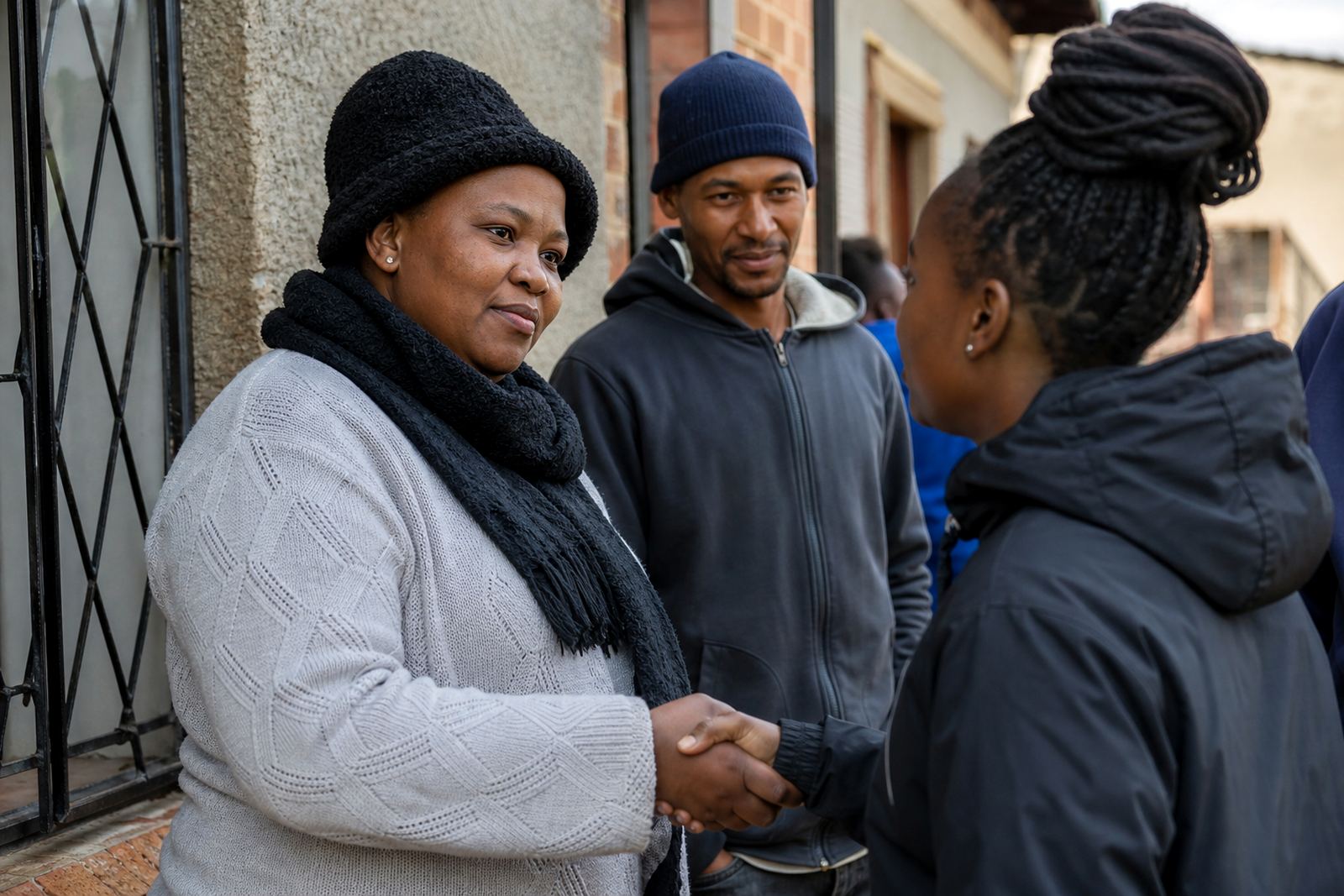
Start with the person, not the form
Before you write a nomination, speak to the nominee and explain what the awards programme is about. Say who you are, what community contribution you want to recognise, and why you think their story matters. If the person is shy or unsure, keep the first conversation plain and brief. They do not need a polished speech, only enough detail to decide whether they are comfortable being named.
A good consent conversation covers the basics. Let the nominee know that their name may be reviewed as part of the nomination, that some details may be checked, and that personal information should only be shared where it is needed. If they have a condition, family matter, or safety concern tied to their work, do not push for extras that do not help the nomination.
What a clear consent conversation should cover
- Who is submitting the nomination and how the nominee knows them
- What parts of the story will be shared in the entry
- Whether photos, contact details, or location details are included
- Any information the nominee would rather keep private
- Whether they are happy for the nomination to be reviewed by the judging team
Consent is stronger when the nominee understands the full picture. A quick nod is not enough if the entry includes sensitive details, a workplace role, or a family situation. If the nominee asks you to leave out a section, respect that. A nomination can still be clear, human and complete without exposing private matters.
Writing the story without overexposing anyone
When you write the nomination, keep the story focused on the service the person gives to others. Use plain language and avoid adding details that sound impressive but are not needed. A strong nomination usually explains what the person does, who benefits, how often the support happens, and what changes because of their effort.
If the nominee is a teacher, volunteer, carer, neighbour, or first responder, describe the work in a respectful way. Do not speculate about their household, income, health, or workplace situation unless it is directly relevant and they have agreed to share it. A careful entry is often better than a noisy one, because it shows judgement and respect.
Useful evidence and the line around privacy
Evidence can help the judging process, but it should be chosen with care. A letter, note, message, photo, or short description of the person’s service may support the nomination. Only include proof that helps explain the contribution. You do not need to add everything you have on hand.
- Use evidence that links to the community work described
- Remove private numbers, addresses, or unrelated names where possible
- Do not upload information that the nominee would reasonably expect to stay private
- If a child, patient, learner, or neighbour appears in the story, think carefully about consent and confidentiality
Privacy matters most when the nomination touches on family care, health, or vulnerable people. In those cases, less can be better. The goal is to show the value of the service without placing anyone in an awkward or unsafe position.
If the nominee says not yet, or says no
Some people need time before they agree to a nomination. Others prefer not to be entered at all. Either answer should be treated with respect. If the person is unsure, give them a short explanation of the process and let them think it over. If they decline, do not keep pressing them or submit the entry anyway.
A refusal does not close the door on appreciation. You can still thank them in person, write a note, or recognise their effort in a private way. For this programme, consent is not a box-tick. It is part of the dignity of the nomination itself.
Updating a nomination after the first draft
Sometimes the nominee agrees, then later wants a detail changed. That can happen when a story feels too personal, or when someone realises an old photo or location should not be shared. Update the nomination before submission so the record matches what the nominee is comfortable with.
- Remove names or details that were shared in error
- Adjust the wording if the story feels too personal
- Check that contact details belong to the right person
- Revisit consent if new information is added later
If you are unsure about a sensitive point, keep it out until it is properly agreed. The safest nomination is the one that reflects what the nominee has actually approved, not what seems convenient at the time.