What the Animal Rescue nomination is for
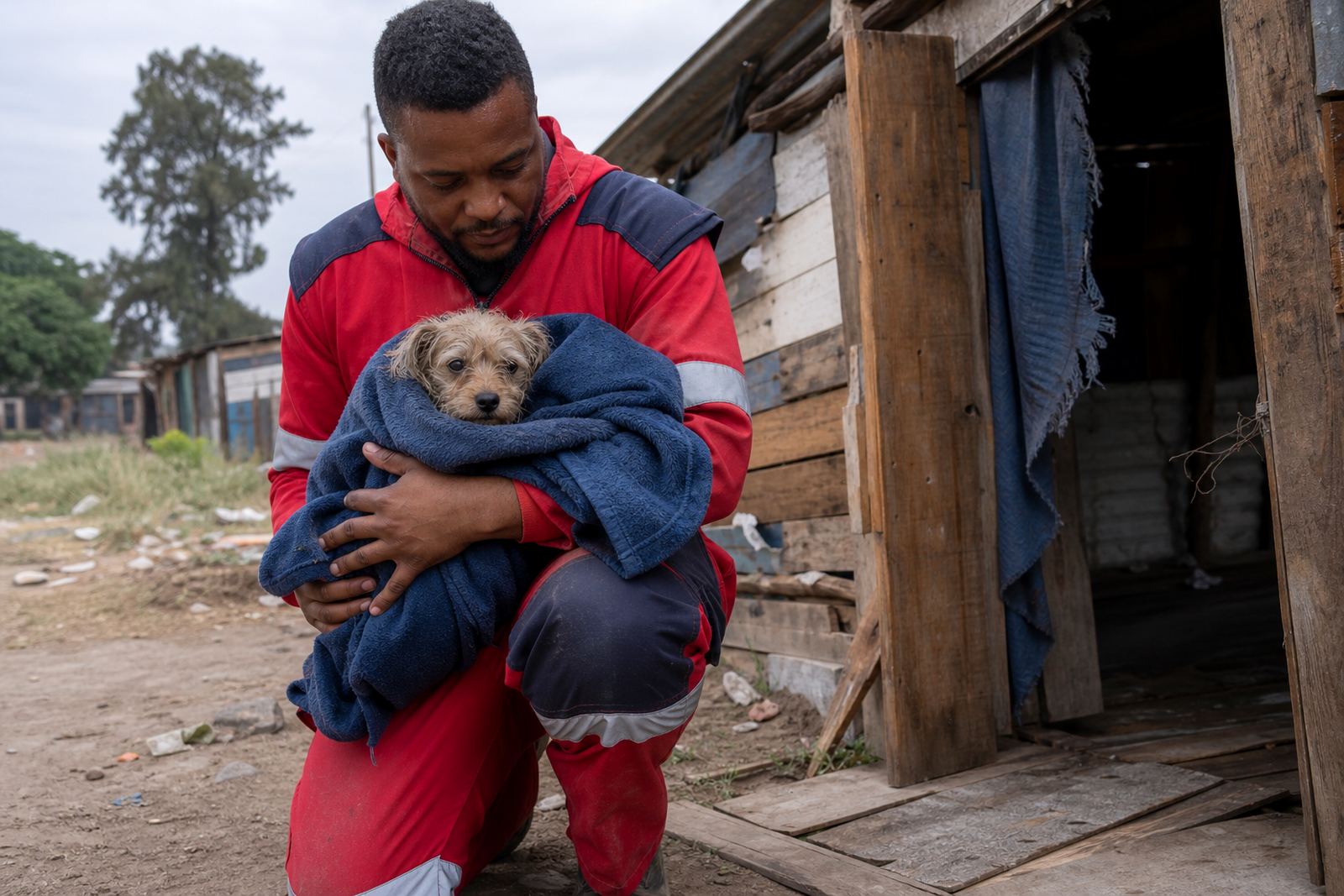
This category is built for the people who step in when an animal is injured, abandoned, trapped or simply in need of steady care. The nomination can cover one person or a small group, provided the story shows a clear role in animal protection, rescue, fostering, feeding, transport or aftercare.
It is a public nomination category, open to people across South Africa, including Johannesburg, Cape Town, Durban, Gqeberha and Polokwane. A strong entry sets out what happened, who was helped, what the nominee did, and why that action matters in the community. Short stories can work well if they are specific and supported by useful detail.
The best nominations do not depend on praise alone. They show real activity, real care and a pattern of service that can be checked against the facts shared by the nominator.
How to put the nomination together
Start with the nominee’s full name and the area where the work happens. Then explain the incident, routine, or community need that brought their help into focus. If the person works with a wider group, name the role they play and how often they are involved.
Useful evidence can include photographs, vet notes, rescue logs, message threads that show coordination, or witness details from people who saw the work first-hand. Keep the wording plain and direct. A nomination that says exactly what was done, where it happened and who benefited usually reads better than a general tribute.
It also helps to note whether the person works with domestic animals, stray animals, wildlife in a local context, or farm animals in a community setting. That context helps the review team understand the type of care involved.
Judging points that matter most
Judging for this category looks at the strength of the story, the clarity of the nominee’s actions and the relevance of the contribution to community animal welfare. A nomination is stronger when it shows direct help, practical judgement and care under pressure.
The review process also looks for consistency. If a person is described as a rescue helper, the nomination should show what that help involves in real life. If the entry refers to aftercare, it should explain how the animal was supported once the immediate problem had passed.
Evidence quality matters, but the aim is not to crowd the page with papers. The review team looks for enough detail to understand what happened and to see that the nomination is fair and grounded in fact.
Consent and privacy around animal rescue stories
When a nomination includes the name of a private person, a volunteer group, a foster home or a rescuer working from their own property, consent matters. If the nominee is being named publicly, the nomination should show that they know about the entry and are comfortable with the details being reviewed.
Animal rescue stories can involve addresses, contact details, injured animals, vulnerable people and sensitive local circumstances. It is better to leave out anything that is not needed for judging. Keep the focus on the rescue work itself and avoid personal information that does not help explain the contribution.
Our privacy and consent process is there to protect the people behind the work and the people they serve. If a detail is sensitive, it should be treated carefully and only included where it is relevant to the nomination.
Where this category fits best on the ground
Animal Rescue suits community settings where help arrives through neighbours, informal teams, volunteer networks or small welfare groups. It can fit township rescue work, suburban foster care, roadside assistance for injured animals or local feeding and transport efforts. In and around Braamfontein, Johannesburg, the category often speaks to the kind of day-to-day help that is organised with patience and local knowledge.
The nomination can also reflect different kinds of involvement across provinces. A person in Gauteng may be rescuing stray dogs from unsafe streets, while someone in the Western Cape could be coordinating foster care or medical transport. In KwaZulu-Natal, the work may involve flood-related animal recovery, while in Limpopo the need may be tied to long distances and community outreach.
What matters is not size or publicity. What matters is the usefulness of the help, the care shown, and the role the nominee plays in getting animals safe, treated or placed in better conditions.
Before you submit the entry
Check that the story is written in a way that the judging team can follow from start to finish. Use dates only where they help the story make sense, and keep them consistent with the supporting evidence. If more than one person was involved, make it clear who did what.
It is worth checking spelling, names and attachments before submitting through our contact form. A tidy nomination saves confusion later and makes the main contribution easier to see. If the work spans several places, note the main area and keep the rest of the story concise.
After submission, the nomination may be reviewed as part of the public awards process. Any update to the entry should stay close to the facts already given, especially where animal welfare cases involve care, privacy or other sensitive details.
Key facts
| Category | Animal Rescue |
|---|---|
| Programme type | Nomination-based awards entry |
| Who it suits | People who rescue, protect or care for animals in community settings |
| Coverage | Public nominations across South Africa |
| Core review points | Action, evidence, community benefit, consent and privacy |
| Submission route | our contact form on our contact page |