What Child Safety Covers In A Nomination
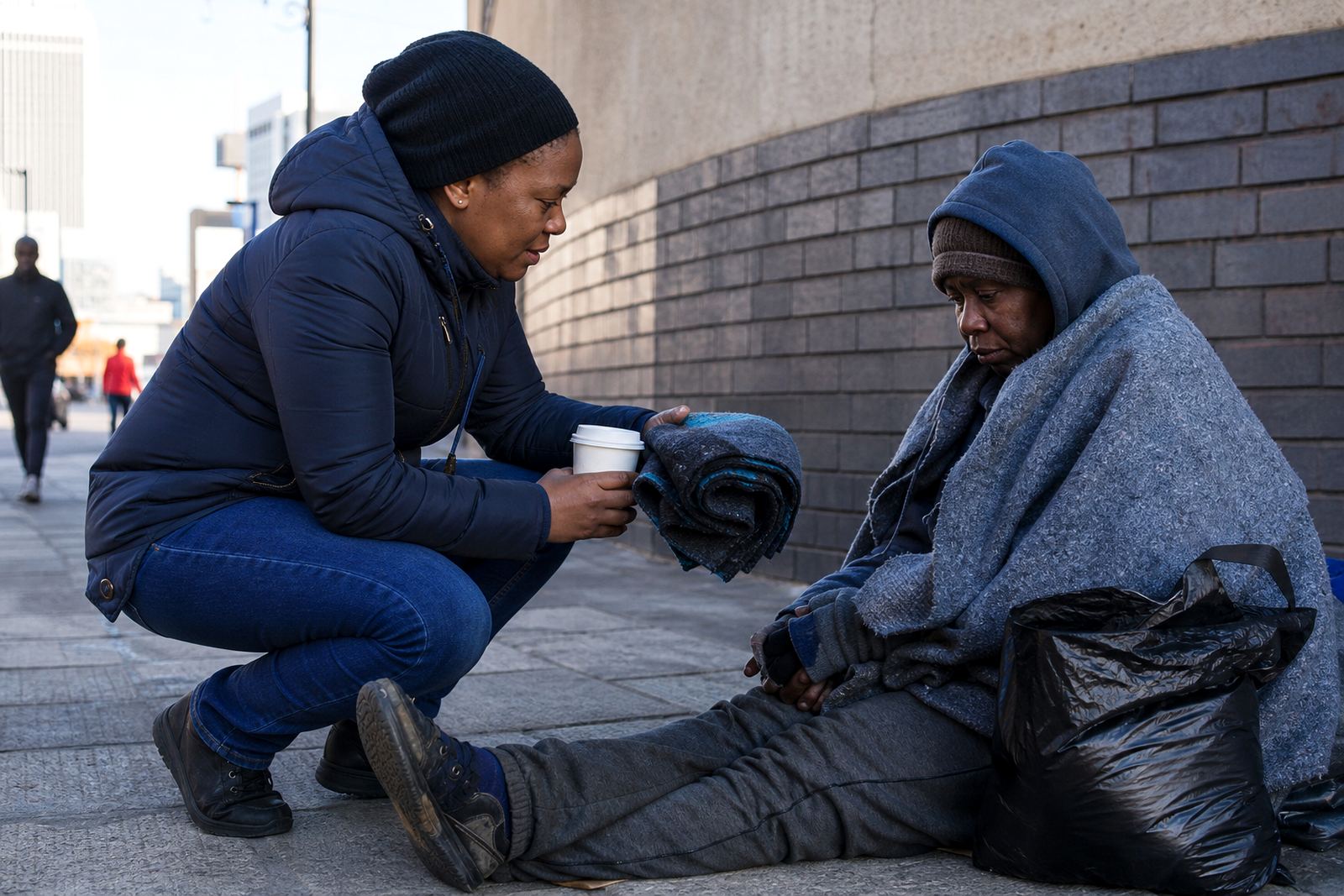
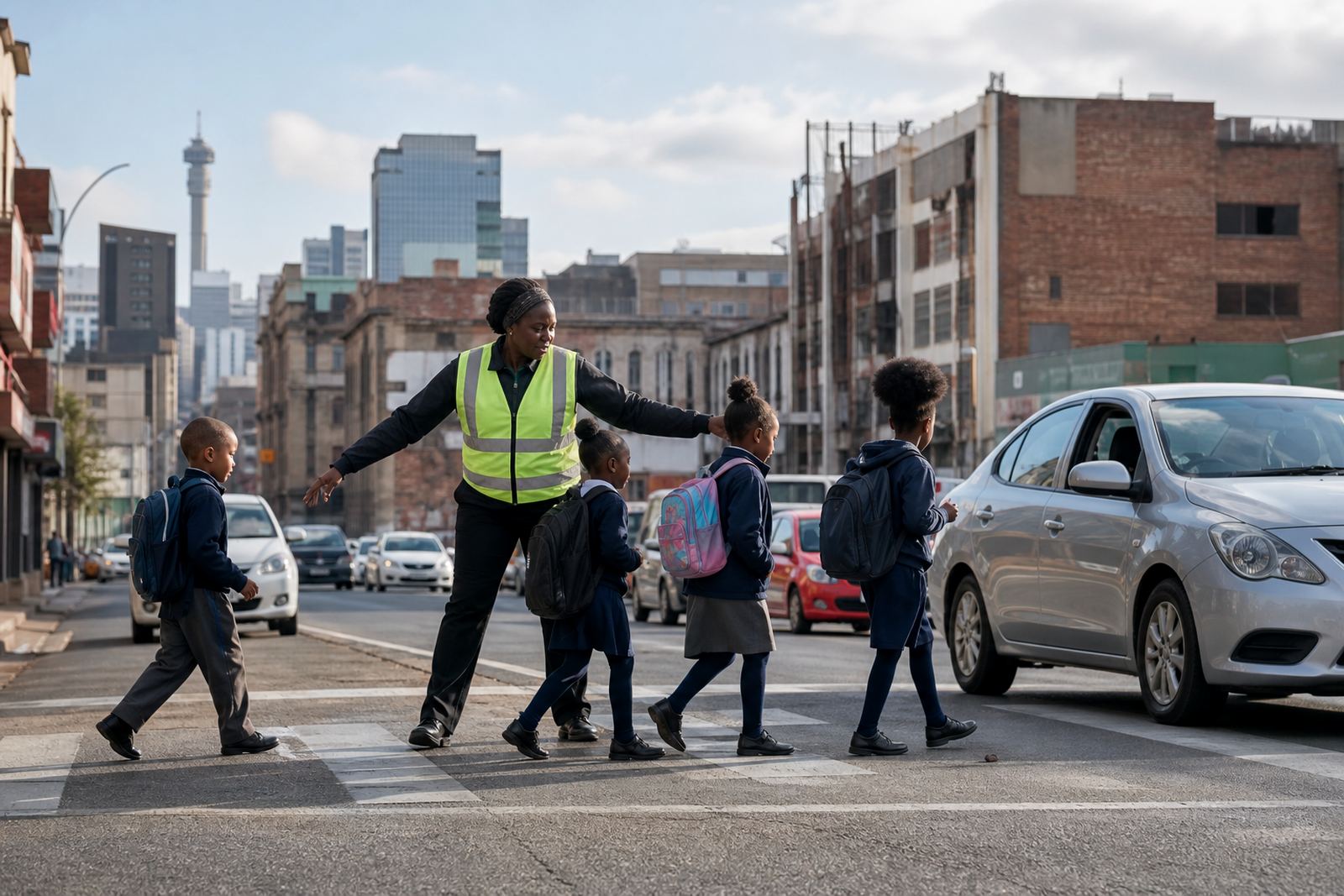
Child Safety is a nomination focus for people who create safer daily environments for children through practical action. That can include a caregiver who notices a pattern of danger, a teacher who keeps children visible on the walk to school, a neighbour who intervenes when a child is at risk, or a clinic worker who supports families with steady advice.
The nomination should explain the safety issue, what was done, and what changed around the child or group of children involved. Keep the account factual. A strong entry names the setting, the actions taken, and the people who could verify the story where that is appropriate.
- Home safety around gates, stairs, sharp edges and access points
- School and crèche safety during arrivals, departures and supervision gaps
- Road, walking and public transport safety near children
- Protection work linked to neglect, abuse, injury risks or unsafe routines
Sizes And Options For The Submission
This category can be entered for one person, a pair, a classroom team, a support group, or a wider community effort. Some nominations are short and direct, while others need a fuller story with careful detail and attached evidence. The structure should match the scale of the work, not the excitement of the moment.
Use the option that fits the nomination best. A single-person entry works where one individual carried the load. A team entry suits a school safety committee, a clinic group, or a local volunteer cluster. If the work spans several towns or wards, say so clearly and keep the timeline in order.
- Individual nomination for one main nominee
- Joint nomination for two named people working together
- Group nomination for a team, class, ward group or committee
- Short-form entry for a focused case with limited supporting material
- Full narrative entry where the child safety work ran over time
Where The Category Fits Best
Child Safety suits homes, schools, early learning centres, clinics, churches, taxi ranks, sports grounds and neighbourhood spaces where children move through daily routines. It also fits public-service situations where someone spots danger and acts before the problem grows.
In Johannesburg, Cape Town, Durban, Gqeberha and Polokwane the settings may differ, but the core standard stays the same: the nomination should show a real safeguard, not just a good intention. A well-written entry describes the child’s environment, the risk that was present, and the practical step that made things safer.
For many submissions, the most useful detail is not dramatic. It is often the ordinary habit that changed the outcome, like an extra handover check, a safer walking route, or a clearer rule for who collects children.
How To Prepare The Nomination Text
Write the story in plain order. Start with who was involved, then explain what worried people, then show what action was taken. Keep names consistent and avoid loose claims that cannot be supported. If the child is named, the nominee must understand how that information will be used and shown.
A strong nomination often includes dates or a period, the location, the age group involved if relevant, and the direct result of the action. Where evidence exists, attach it with care. That might be a short statement, a note from a school, or another record that confirms the child safety work without exposing sensitive details.
- State the exact child safety concern
- Describe the action taken and by whom
- Note whether the work was one-off or ongoing
- Add evidence that supports the account
- Remove details that are not needed for review
Consent, Privacy And Sensitive Detail
Child safety entries need careful consent. If the nomination mentions a child, parent, caregiver, school or health setting, only include what is necessary for review. The nominee should know what information is being shared, and sensitive details must be handled with restraint.
Privacy matters most where the story touches trauma, family tension, safeguarding concerns or medical detail. In those cases, use the minimum information needed to explain the nomination. Our contact form can be used for public questions, nomination changes and privacy matters linked to an entry.
- Use full names only where the person understands the nomination
- Keep addresses and child-identifying details limited
- Do not share extra material that is not needed for review
- Flag anything sensitive before submission
Review Criteria And After Submission Care
Entries are assessed on the clarity of the child safety need, the quality of the action, and the strength of the supporting detail. Reviewers look for practical impact, honesty in the account, and a story that shows real care rather than vague praise.
After submission, the nomination may need updating if a name is corrected, a consent point changes, or a better supporting note becomes available. Keep copies of what you submit and make sure the facts stay aligned across every part of the entry. If a public question comes up, answer it with the same careful tone used in the nomination itself.
It is for people who want the child safety entry to read clearly, carry the right level of detail, and respect the children at the centre of the story.
Key facts
| Product type | Nomination category and guidance page |
|---|---|
| Focus | Children’s safety in homes, schools and community spaces |
| Nomination sizes | Individual, joint, team and group entries |
| Submission format | Short-form or full narrative with supporting evidence |
| Privacy level | Sensitive details handled with minimum necessary disclosure |
| Coverage | Public nominations across South Africa |
| Contact method | our contact form |