What the Informal Carer nomination covers
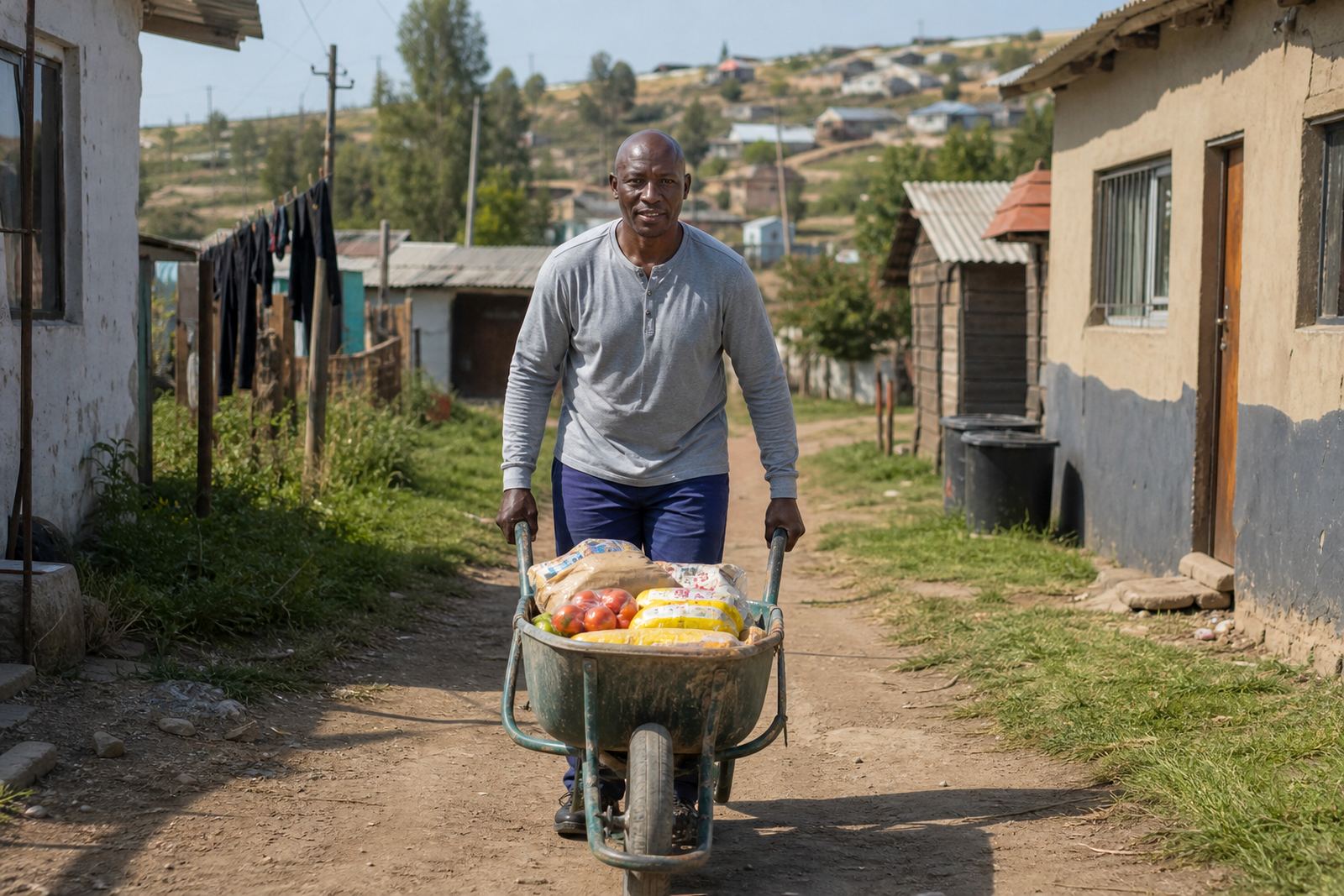
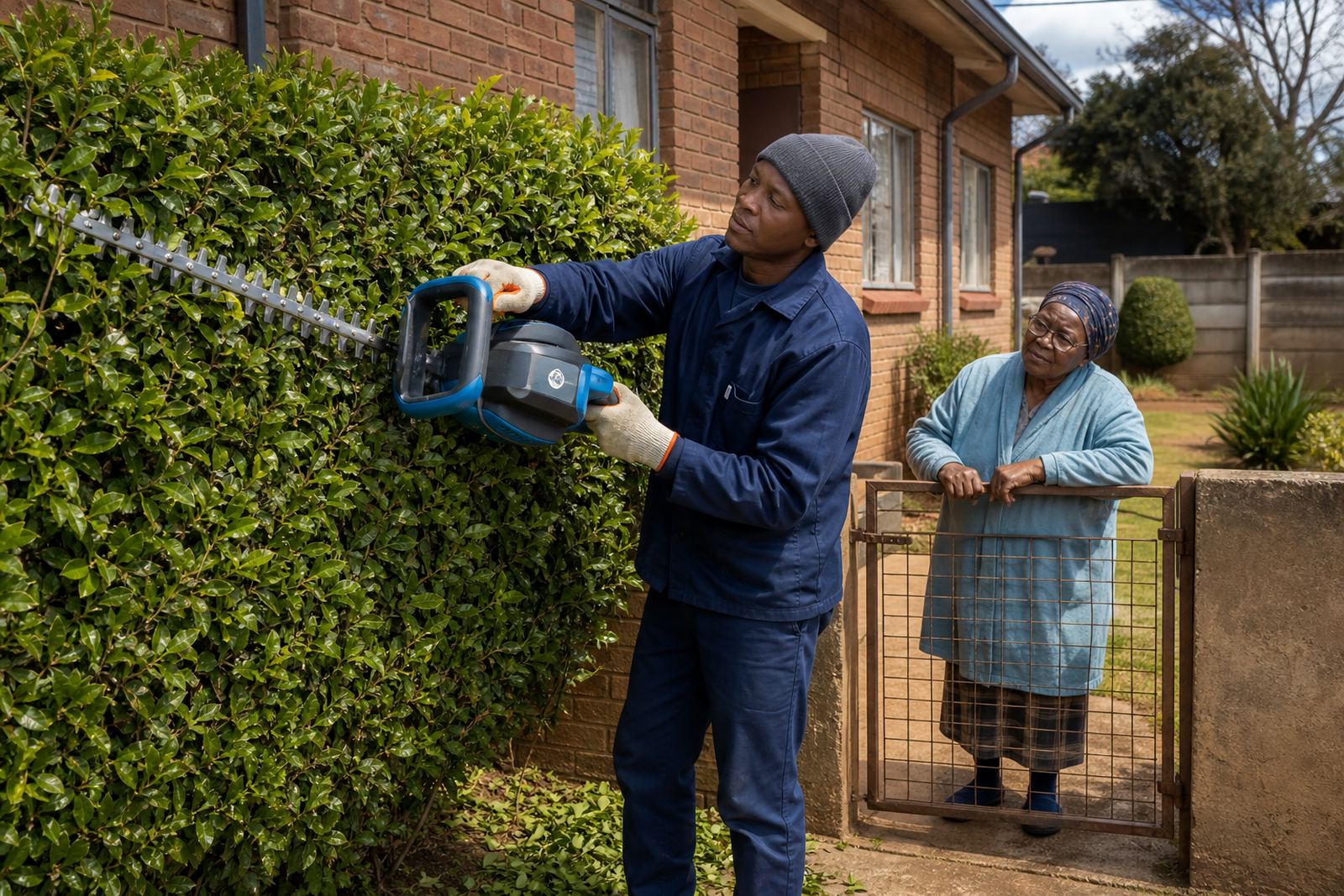
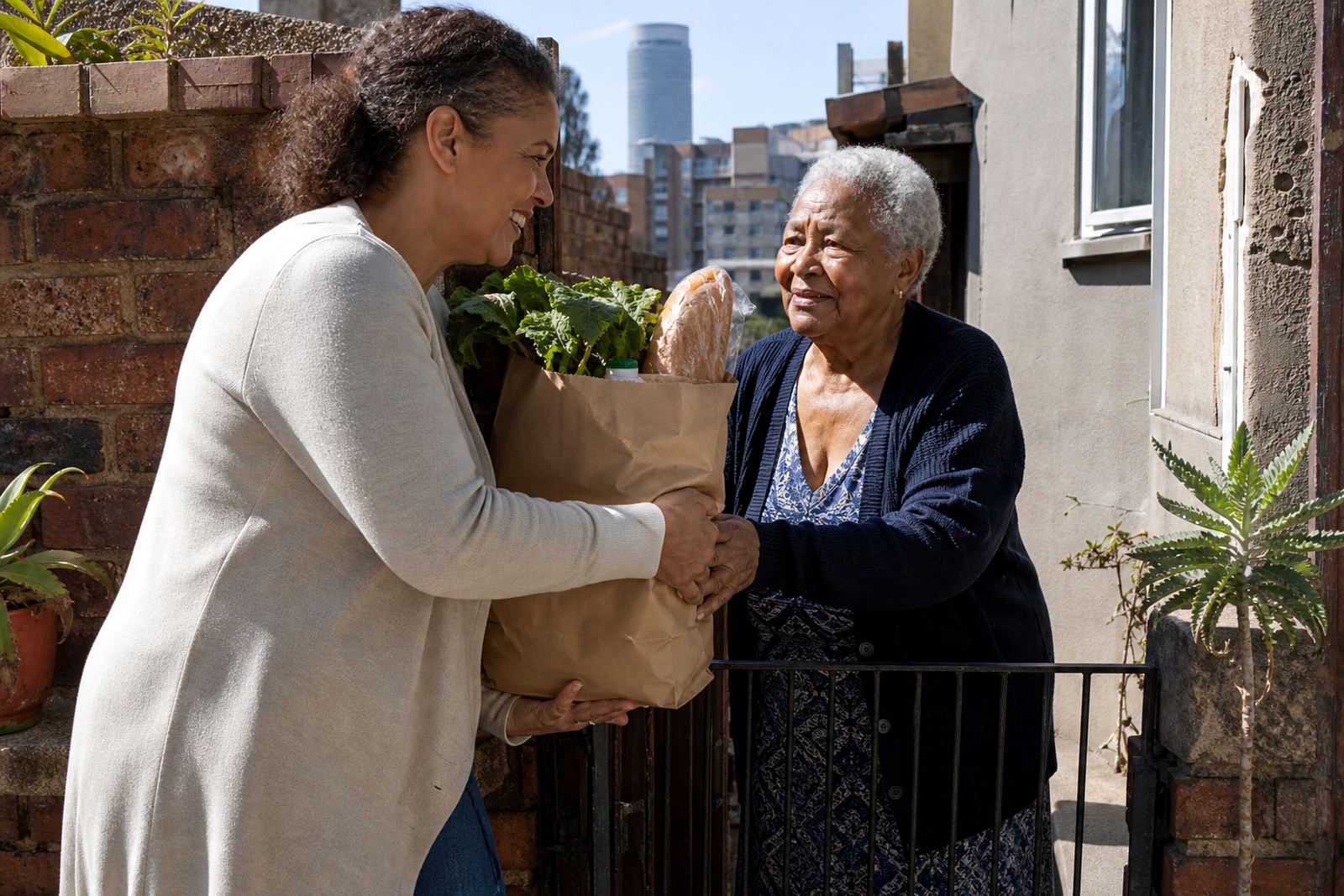
This category is for everyday carers who step in without a formal title or payment. That can include a daughter managing medication and meals for a parent, a neighbour checking in on an elderly person, or someone keeping a vulnerable family member safe through the week.
A strong nomination shows the caring role in ordinary detail. Describe what the person does, who they support, how often they help, and what changes because they are there. Keep the story practical rather than polished, because the judging process looks for real contribution, not dramatic wording.
- Unpaid care at home or in the community
- Support with meals, movement, medicine or daily routines
- Help for older people, children, neighbours or disabled relatives
- Patience shown over time, not only in one crisis
Nomination formats that work across South Africa
Nominations are open to the public across Johannesburg, Cape Town, Durban, Gqeberha, Polokwane and other towns and cities. The wording can be short or detailed, but it should stay focused on the carer’s role and the facts behind it.
When you use our contact form, keep the details simple and complete. Give the nominee’s name, the town or area, the relationship to the person they care for, and the everyday duties they carry. If the nominee is known in a local clinic, church group, street committee or school community, mention that only if it helps explain the care they give.
- Full name of the nominee
- Area or town where the care happens
- How you know the person
- Brief account of the support they provide
- Any supporting note, photo or statement that is safe to share
What a careful nomination should include
The judging process works better when the nomination is specific. Instead of saying someone is kind, describe the kind acts. If they collect medication, prepare meals, help with bathing, translate at appointments or sit through long waits, mention those details. The clearer the story, the easier it is to judge fairly.
Useful evidence does not need to be formal or expensive. A short statement from a family member, a local caregiver note, or a written account from someone who has seen the work can help. If there are photos, keep them respectful and relevant. Avoid adding private medical details unless they are needed and the nominee has agreed.
- Daily, weekly or seasonal care duties
- Examples of patience under pressure
- Evidence that shows ongoing support
- Names only where the people involved have consented
Consent and privacy for sensitive care stories
Care stories often involve private family matters, health information and vulnerable people. That is why consent matters before a nomination is submitted. The nominee should know they are being entered, and if the story mentions someone receiving care, that person’s privacy should be protected too.
Where a nominee helps a child, an older person or someone who cannot speak for themselves, the nomination should be written with care. Use only the details needed for the awards process and avoid extra personal information that does not help the review. If a photo, statement or document includes another person, make sure it can be shared lawfully and respectfully.
- Consent from the nominee before submission
- Privacy for the person receiving care
- Limited personal details where possible
- Careful handling of documents and images
Judging the role with ordinary common sense
The judging criteria stay plain. The programme looks at the care itself, the consistency of that care, the difference it makes, and whether the nomination gives enough truthful detail to understand the work. A carer who helps quietly over a long period may be stronger on substance than a story with a loud heading but little proof.
Judges also look for fairness across different settings. Some carers support one relative at home, while others manage support across a shared yard, a block of flats or a wider family network. The setting is less important than the responsibility carried and the way it is described. A nomination that avoids exaggeration usually reads better.
- Consistency of care over time
- Clear benefit to the person supported
- Honest, specific description
- Enough information to assess the story fairly
After you submit the story and supporting details
Once a nomination is sent, the review process checks the basic details, the consent position and whether the entry belongs in the Informal Carer category. If anything is unclear, updating a nomination may be needed so the story can stand on its own. The aim is to keep the record tidy and respectful.
Public questions can also be raised through our contact form, especially where a nomination needs a corrected name, a cleaner summary or a privacy adjustment. The team in Braamfontein, Johannesburg handles the programme work for nominations across Gauteng, Western Cape, KwaZulu-Natal, Eastern Cape, Limpopo, Free State, North West and Mpumalanga.
- Check the name spelling before submitting
- Keep one clear story for one nominee
- Attach only useful supporting material
- Ask for changes if privacy needs tightening
Key facts
| Category | Informal Carer |
|---|---|
| Nomination type | Public nomination-based awards entry |
| Who it suits | Unpaid carers supporting relatives, neighbours or vulnerable people |
| Main focus | Everyday care, dignity, patience and steady support |
| Required checks | Consent, privacy, eligibility, evidence and judging detail |
| Coverage | South Africa, including major urban and regional areas |