A nomination category for practical access work
This category recognises everyday work that improves access in a real setting, whether that means clearer wayfinding, better communication, safer movement through a space or more respectful service. It is not about polished language or big claims, it is about what changed for people who were previously left out.
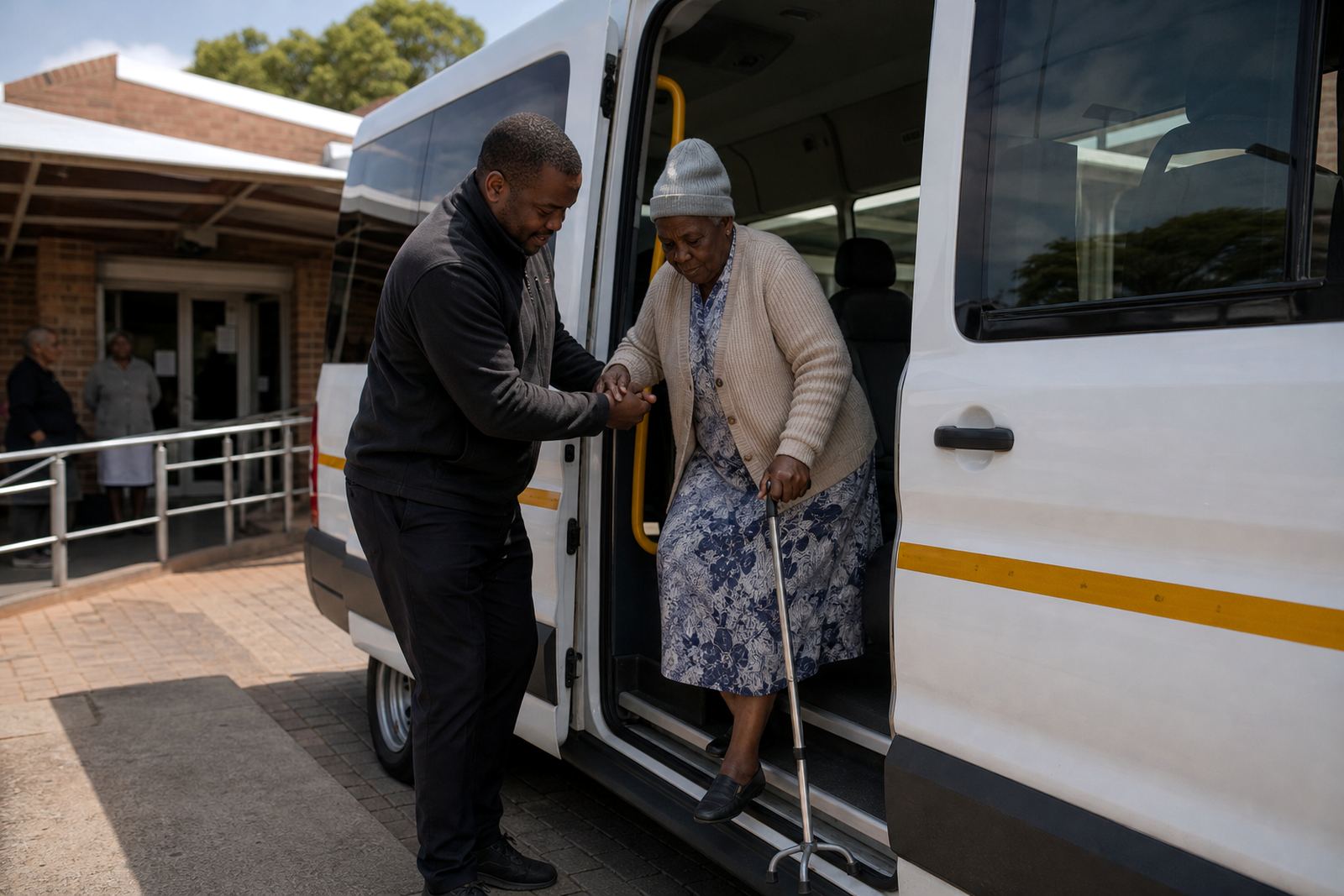
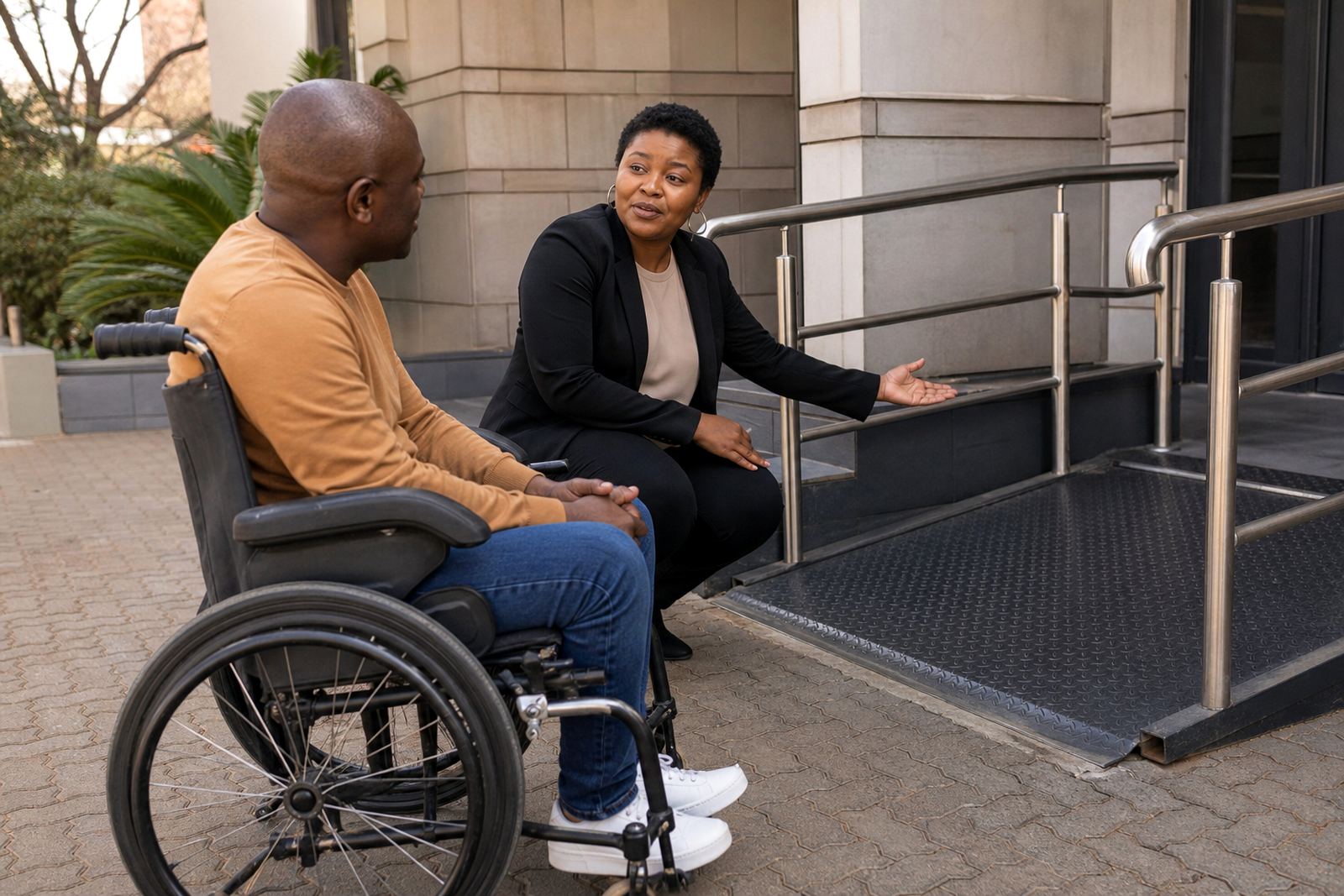
Strong nominations describe the barrier, the action taken, and the difference it made. A teacher who adapted class materials, a neighbour who helped a group meeting work for a wheelchair user, or a volunteer who made public information easier to understand can all fit if the story is clear and grounded in facts.
For entries from Braamfontein, Johannesburg and across South Africa, the programme looks for real impact in daily life. That can include physical access, communication access, sensory considerations, or changes that helped people participate with less difficulty.
How to shape a useful nomination
Start with who the nominee is and what they did. Then describe the setting, the people affected, and the exact change that happened. A nomination that says someone is caring or helpful is too thin on its own. A nomination that explains how they changed a process, adjusted a space, or supported access in a specific place carries more weight.
- Include the nominee’s full name and the town or city where the work happened.
- State whether the access change was for a building, service, event, class or outreach effort.
- Add dates or a time period only if you can confirm them.
- Explain what made the change useful for disabled people or people with different access needs.
- Attach supporting notes, letters or photos where those help tell the story.
Keep the wording plain. Judges can work with short clear details, but not with vague praise. If a nomination shows what changed before and after, that usually reads better than a broad tribute.
Evidence that helps a panel read the story
Useful evidence should match the claim being made. If the nomination is about a more accessible entrance, include a clear description of the route and the change. If it is about information, include the version that was improved or the format that was added. If it is about service, explain how staff or volunteers adapted their approach.
- Written examples from the people who benefitted, where available.
- Photos that show the access change or support method.
- Short records of planning, notices or revised materials.
- Notes from meetings, community groups or local leaders who saw the work first-hand.
Evidence does not need to be formal in every case, but it should be relevant. A nomination is stronger when the supporting detail matches the claim instead of sitting beside it as general encouragement.
If the nominee is part of a larger team, explain their role in the access work. That helps the judging process separate one person’s contribution from the group effort around them.
Consent and privacy before a name is submitted
The nominee should know they are being entered and should agree to the submission where possible. That matters even when the work was public facing. Some people are proud to be recognised, while others prefer a quieter approach and may want their details handled carefully.
Privacy is important when nominations include health information, disability details or family circumstances. Only share what is needed to explain the nomination. Do not add sensitive information just to make the story feel stronger. The review process should be able to understand the entry without unnecessary personal exposure.
our contact form can be used for public questions, updates to a nomination or privacy queries. The programme also treats consent as part of the nomination itself, not as a side note. If a nomination involves someone in a vulnerable situation, it should be written with care and a clear reason for each detail included.
Where this category fits best in daily community work
Disability Advocate nominations suit people whose actions improve access in ordinary places: classrooms, clinics, churches, transport points, community halls, neighbourhood meetings and service counters. The work may be small in scale but still useful, especially where a simple change opens the door for more people to take part.
It can also fit people who make information easier to follow, whether that is through clearer instructions, more readable notices, patient explanation or adapting communication for different needs. In many cases the work is not expensive, it is thoughtful and consistent.
Across Gauteng, the Western Cape, KwaZulu-Natal, the Eastern Cape, Limpopo, Free State, North West and Mpumalanga, nominations are read for substance rather than flair. If the entry shows care, access and practical follow-through, it gives the panel something solid to assess.
Details to confirm before you submit
Before sending a nomination, check the nominee’s preferred name, the community or service setting, and the part of the work you want recognised. If you can, confirm whether the nomination should be public or kept private within the programme’s handling rules.
- Nominee name and role.
- Location of the work, including suburb, town or province.
- What access barrier was addressed.
- What changed after the intervention.
- Any supporting note, image or statement you can lawfully provide.
The judging process looks for clarity, relevance and evidence that fits the story. A nomination can be brief, but it must give enough detail for someone else to grasp the work without making assumptions. If the entry is about information access, say so directly. If it is about physical access or inclusive service, name the adjustment and its effect.
Key facts
| Category | Disability Advocate |
|---|---|
| Programme type | Nomination-based awards programme |
| Base | Braamfontein, Johannesburg |
| Coverage | Public nominations across South Africa |
| Assessment focus | Practical access, clear evidence, nominee consent and privacy |
| Nomination routes | How To Nominate, Eligibility Check, Writing The Story, Useful Evidence, Review Process, After You Submit |