What the Community Volunteer category covers
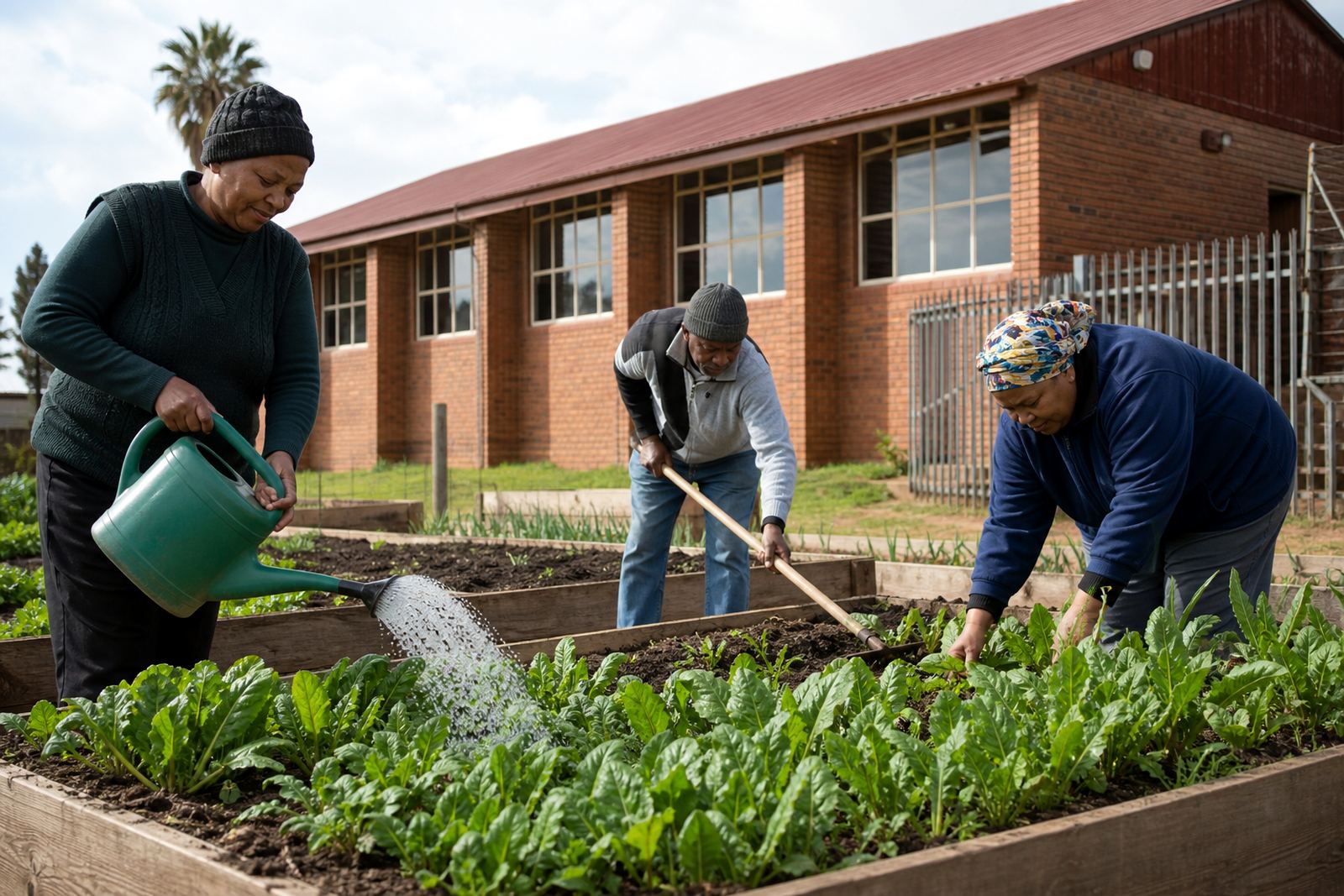
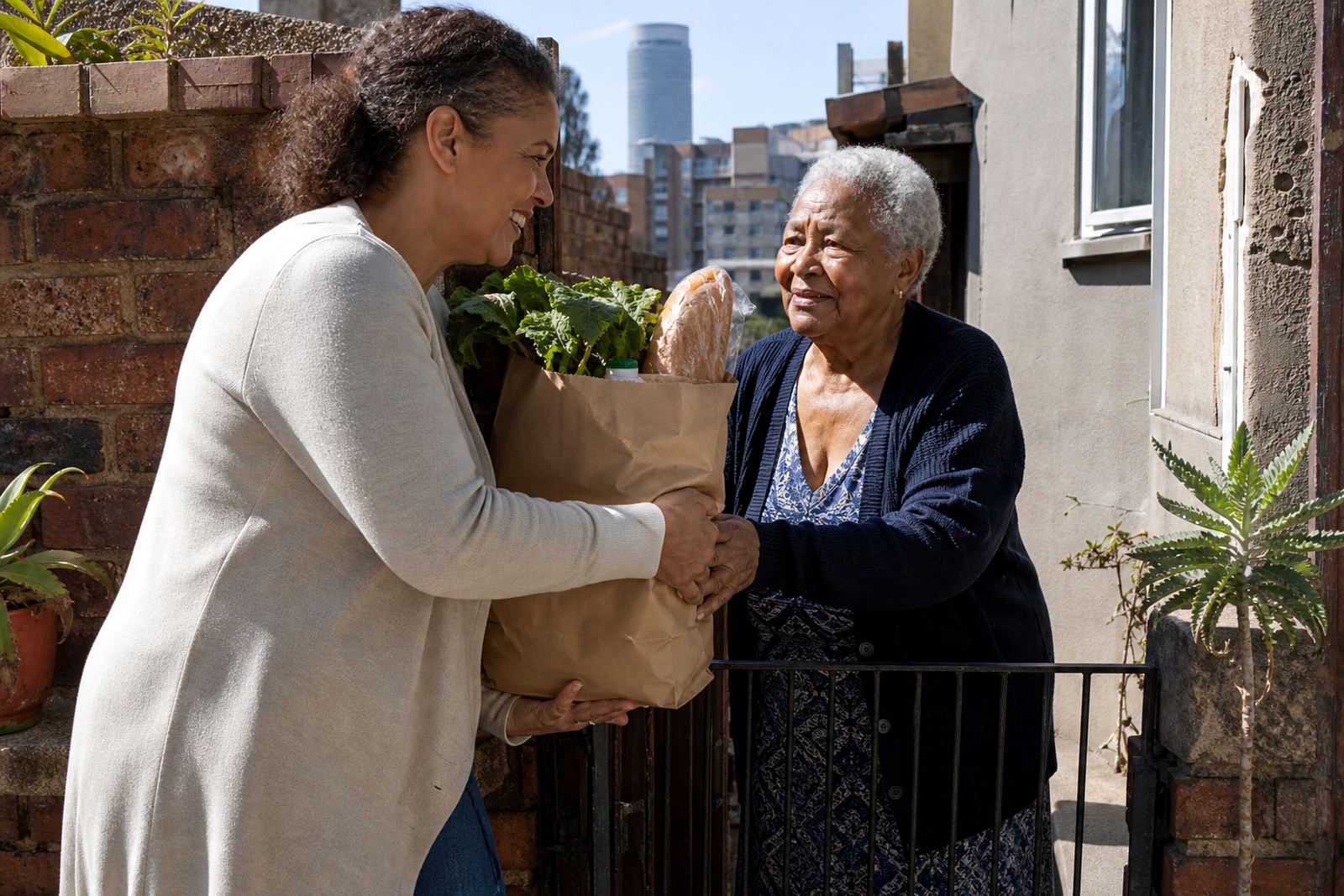
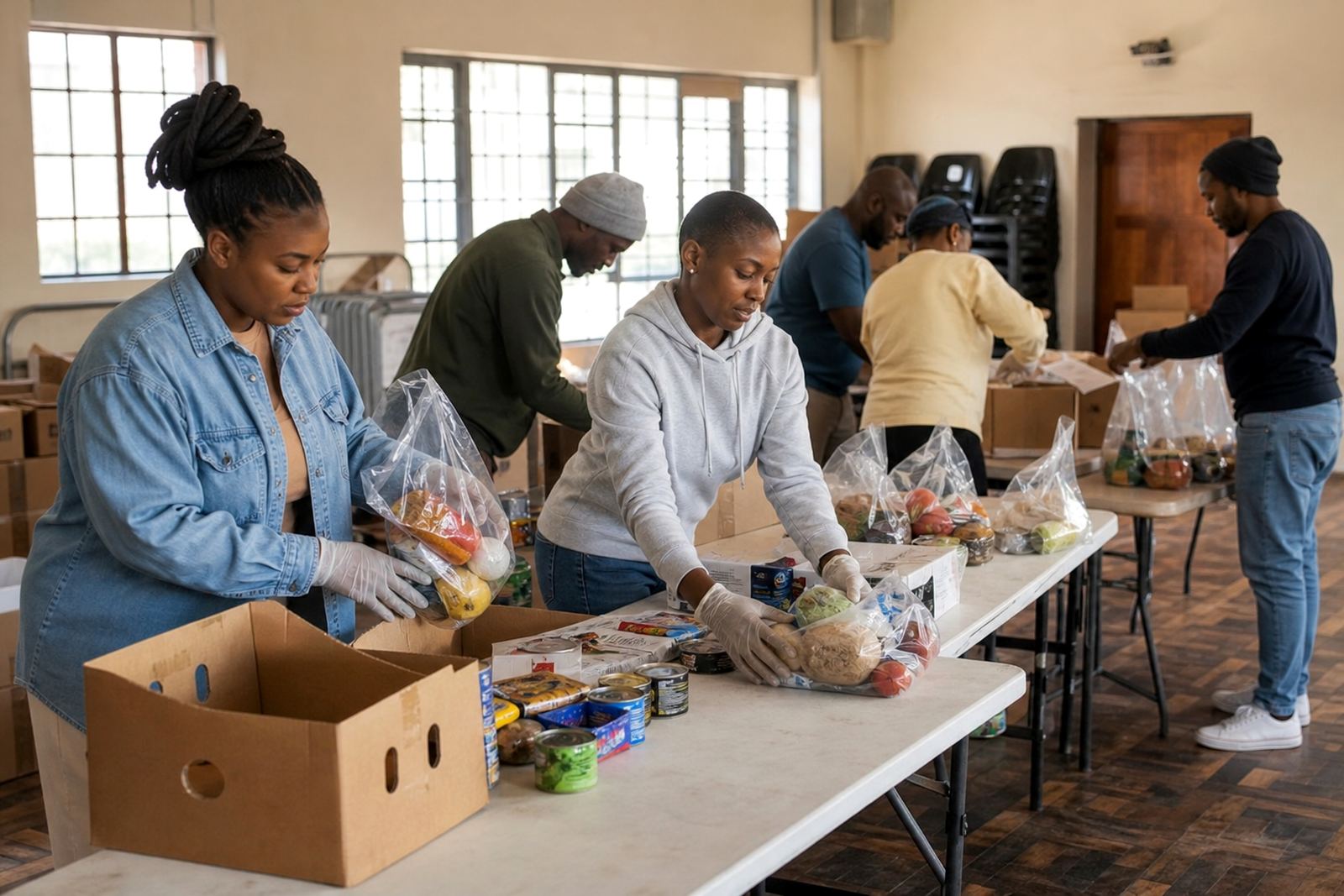
This category is for ordinary people whose steady effort makes local life easier, safer or more connected. It suits volunteers who organise food parcels, help at clinics, support school projects, guide youth groups, sort donations, visit the elderly or step in when neighbours need practical help.
The strongest nominations describe real actions, not praise in general terms. Say what the person did, who benefited, how often they show up and what changed because they were there. A short, concrete account beats a long tribute with no details.
- Best for ongoing community service, not a single good deed
- Works well when the nominee serves a local area or group
- Clear examples help the judging process read the nomination properly
- Names, dates and places in the story should be accurate
How a nomination is put together
A nomination usually starts with the nominee’s name, the community they serve and a plain summary of the work they do. Add the area, township, suburb or town, then explain the contribution in day-to-day language. If the person prefers privacy, keep the public wording general and use the consent process to guide what may be shared.
The writing should stay factual and specific. A short timeline of involvement helps more than broad claims. If there are newspaper clips, letters, programme notes, photos or community records, list them only if they support the story and if you have the right to share them.
- Full name of the nominee
- Town, suburb or district linked to the work
- Short story of service and impact
- Useful evidence, if available and appropriate
- Consent details for the nominee or guardian where needed
Judging points that matter in plain terms
Judging is based on the quality of the nomination and the strength of the community contribution described in it. The panel looks for sustained effort, practical benefit, local relevance and evidence that the person acts with care and consistency. A nomination that reads clearly and gives direct examples is easier to assess fairly.
Judging also considers whether the nominee’s work is community-led, whether the story is believable from the details supplied and whether the submission respects privacy. If the nomination includes sensitive material, that must be handled carefully and only where it is necessary to explain the service being recognised.
- Consistent service over time
- Clear benefit to people nearby
- Evidence that supports the story
- Respect for consent and privacy
- No exaggerated claims or vague wording
Consent, privacy and sensitive details
Before a nominee is put forward, consent should be checked where possible, especially if names, photos or personal circumstances will form part of the entry. If the nominee is a minor, guardian consent matters as well. The privacy process is there to keep personal details limited to what is needed for the nomination and review.
Some stories involve illness, loss, safety concerns or family matters. Those details should only be included when they add genuine context and the person submitting the nomination is comfortable sharing them. The programme keeps public questions and internal review separate, so the wording of the submission can stay measured.
- Use only the personal detail needed for the nomination
- Check whether the nominee is happy to be named
- Get guardian consent where a minor is involved
- Avoid sharing private information that does not strengthen the case
Where this category suits across South Africa
This category suits nominations from Johannesburg, Cape Town, Durban, Gqeberha, Polokwane and smaller towns and settlements too. Community volunteers often work in churches, schools, sports clubs, feeding schemes, residents’ groups and informal networks, so the nomination can come from any part of the country as long as the story is clear.
There is no fitting or setup involved in the usual sense. The important part is a complete submission through our contact form, with the story, contact details for the nominee where appropriate, and any supporting notes that help the review team understand the work being recognised.
- Public nominations accepted from all provinces
- Useful for local volunteers and community organisers
- Works for urban, township and rural stories alike
- Submission can be handled from Braamfontein, Johannesburg
Details to confirm before you submit
Before sending a nomination, check that the name is spelled correctly, the community role is described clearly and the evidence matches the story. If the nominee uses a preferred name, that should be noted. If more than one person was involved, make it clear whether the nomination is for a single individual or a small group.
Also confirm whether photos may be used, whether the nominee has consented, and whether any part of the story needs to stay private. The team in Braamfontein, Johannesburg handles nominations across the provinces listed for the programme, and updates can be made where the nomination record still allows it.
- Correct spelling of names and places
- Single nominee or group nominee status
- Consent for public use of details or images
- Any sensitive points that should stay private
- Useful evidence that backs up the submission
Key facts
| Category | Community Volunteer |
|---|---|
| Programme type | Nomination-based awards entry |
| Focus | Everyday South Africans serving their communities |
| Region | South Africa, including major cities and provincial areas |
| Base | Braamfontein, Johannesburg |
| Submission route | our contact form on our contact page |