Start With The Work, Not The Praise
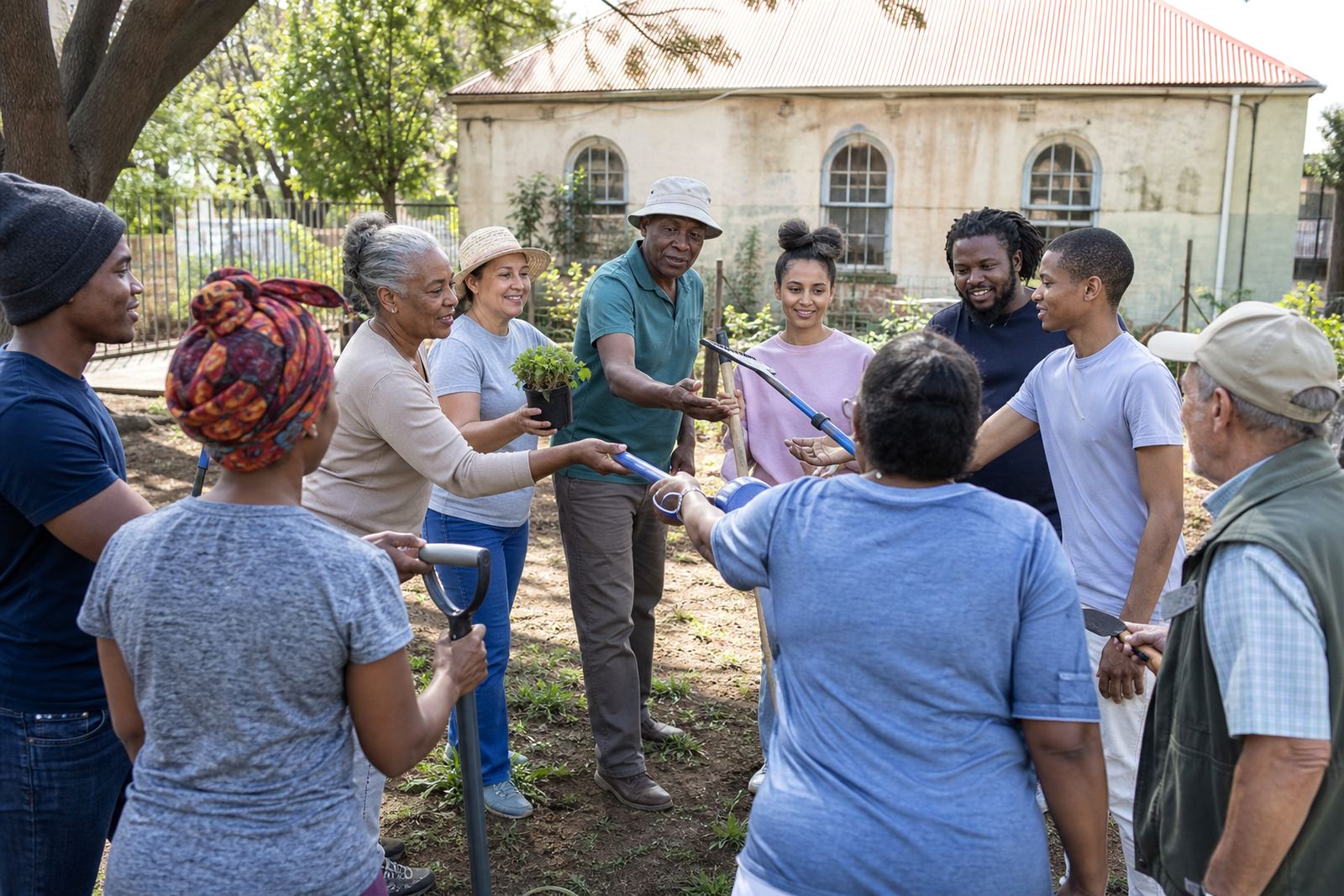
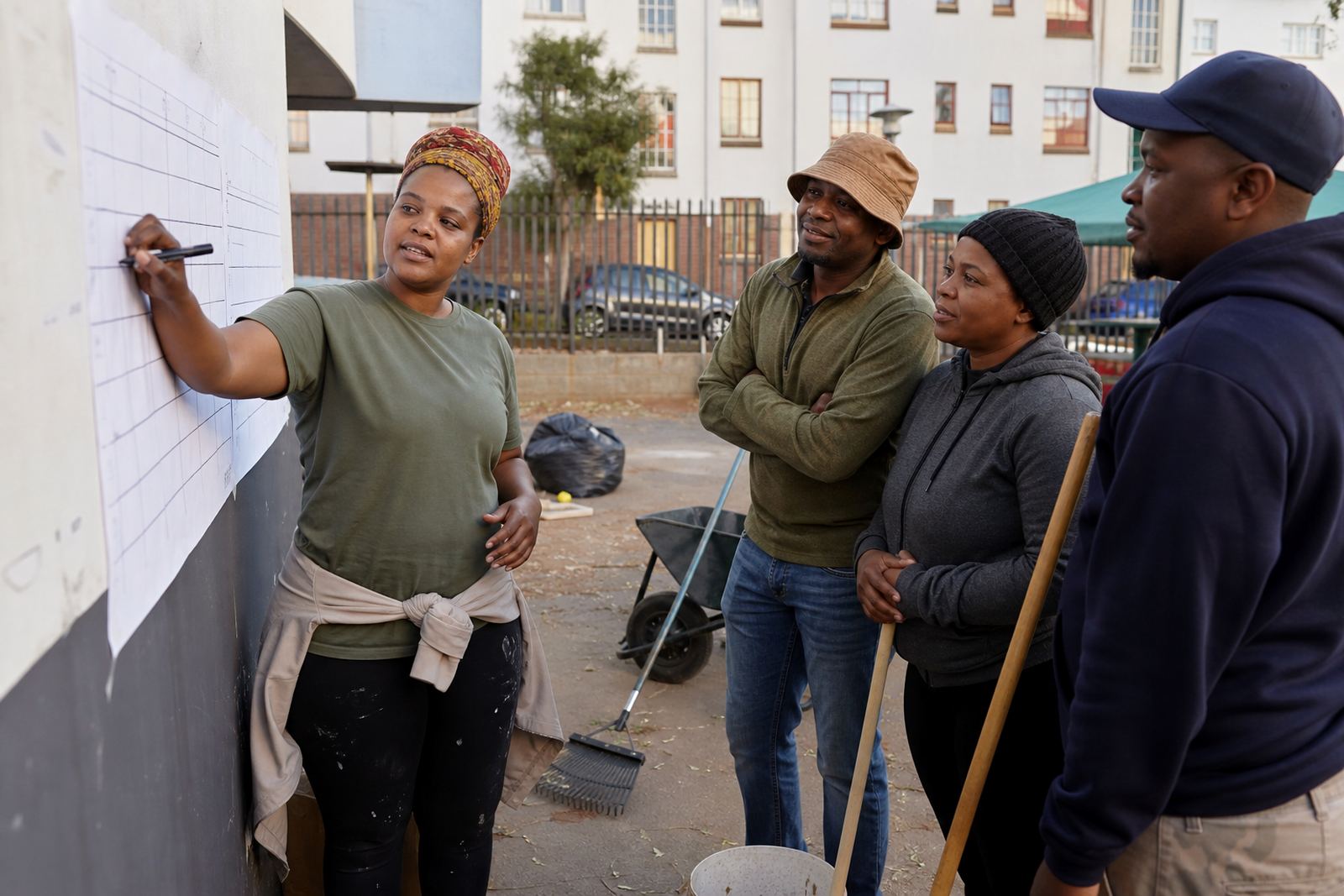
When you nominate a volunteer, lead with what they do on a normal week. A good nomination says where they show up, who they help, and what would slip if they stopped. That might be food runs in Braamfontein, soup packing in Soweto, homework support in Tembisa, or transport for elderly neighbours in a smaller town.
Keep the story plain. Describe the tasks, the people involved, and the setting. A strong entry feels real because it names the kind of work that happens after hours, in school halls, church kitchens, clinic queues, sports fields, or community WhatsApp groups.
- State the volunteer’s role in one clear sentence.
- Show who relies on the help, such as families, children, patients, or older residents.
- Explain the routine, not only the big moments.
A Nomination Gets Stronger When The Detail Is Specific
Judging works better when the submission has detail that can be understood without guesswork. It helps to include dates or periods in general terms, the area where the work happens, and the kind of support the volunteer gives. A person who organises weekend homework circles is different from someone who delivers meals after hospital visits, so the nomination should make that difference clear.
It also helps to show consistency. One-off kindness is worth noting, but ongoing service usually tells the fuller story. If the volunteer has stepped in during school holidays, winter months, flooding, clinic shortages, or family emergencies, explain that pattern in simple language.
- Use short examples from real situations.
- Say how often the person helps, if that is known.
- Describe the result in everyday terms, such as children staying in school or patients getting to appointments.
Consent Matters Before You Send The Name In
A volunteer should know they are being nominated. Consent is important because the submission may mention their name, community role, and supporting details. If the person is modest, private, or active in sensitive settings, speak to them first and explain what the nomination may include.
It is also wise to think about family members or people who could be identified through the story. If the volunteer works with children, older people, or households facing difficult circumstances, only include what is necessary. The nomination can still be strong without exposing private details.
- Get the volunteer’s permission before sending the form.
- Avoid naming vulnerable people unless it is needed and appropriate.
- Leave out medical, legal, or financial details that do not help the case.
Useful Evidence Makes The Story Easier To Read
Evidence does not need to be fancy. A short letter from a school, clinic, community group, or local leader can help show the volunteer’s role. Photos may help too, but they should be respectful and relevant, not staged for effect. A handwritten note from a neighbour can also carry weight if it explains what the person does and who benefits.
If you have records, use them carefully. Attendance notes, activity logs, project schedules, or messages that show coordination can support the nomination. Keep the focus on the volunteer’s contribution. Too many attachments can blur the main point.
- Add only evidence that supports the story.
- Label files clearly so they are easy to follow.
- Choose documents that match the role described in the nomination.
Judging Looks For Service, Reach, And Real Value
The review process usually weighs the strength of the story, the relevance of the evidence, and the impact on the community. Judges need to see that the person is not only busy, but useful in a way others depend on. A volunteer who helps one family in a quiet way may still be remarkable if the support is steady and meaningful.
Consistency, care, and local trust often matter more than loud claims. A person who checks on elderly neighbours, drives learners to extra lessons, or helps run a feeding programme may not ask for attention, yet their work changes daily life. The nomination should make that visible without overstatement.
- Explain the impact in practical terms.
- Show the difference the volunteer makes to ordinary routines.
- Keep the tone respectful and direct.
A Johannesburg Example That Stays Grounded
Think of a volunteer in Braamfontein who helps a small after-school group. They collect donated stationery, arrange safe transport for younger learners, and sit with pupils who need extra reading support. Parents rely on that work because it gives children a safe place to go after class, and teachers rely on it because the support keeps learners engaged.
A nomination for that kind of person should mention the setting, the routine, and the people affected. It does not need dramatic language. It only needs to show that the volunteer’s time, patience, and organisation hold part of the community together. That is often what makes the submission convincing.
If you are unsure what to include, our contact form can be used to ask about the nomination fields, privacy points, or changes to a draft before you send it.