When the work is small to everyone else, but not to the community
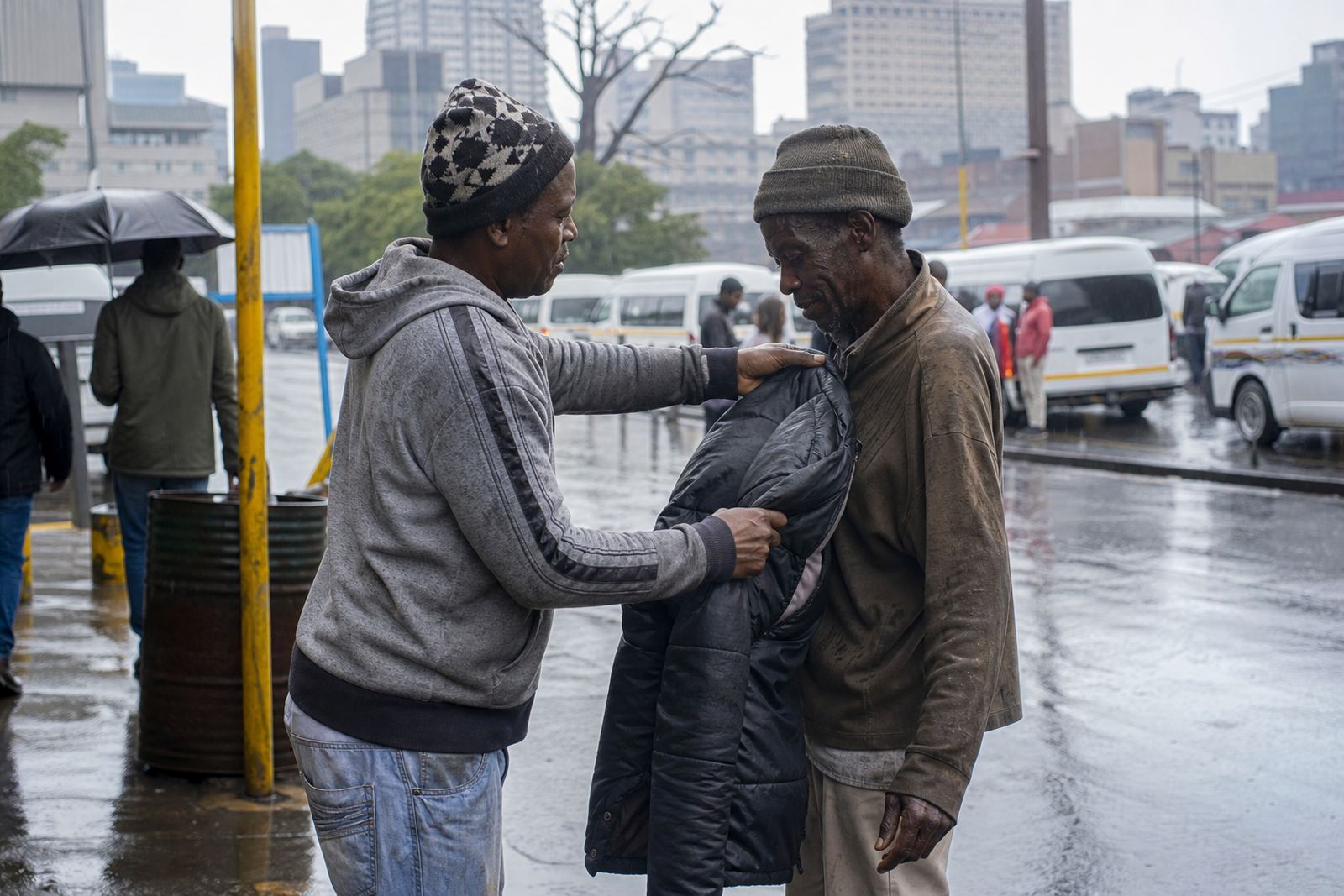
Quiet service is easy to overlook because it does not always arrive with speeches or photos. It looks like a neighbour checking on an older woman every Tuesday, a teacher buying pens out of pocket, or a first responder who keeps showing up when the call is messy and the weather is bad.
For a nomination, the point is not to make the person sound larger than life. The point is to show the real effect of what they do. A strong submission explains what they have been doing, who has seen it, and how the community feels the difference. In Braamfontein and across Johannesburg, that might be a church volunteer who organises food parcels after hours, or a community member who walks children home when parents are working shifts.
We keep the focus on ordinary actions that carry weight. A short story with clear facts often says more than a long tribute full of praise. If the person is known for modesty, let that come through in the wording. Quiet service does not need polishing into a headline.
What makes a nomination carry weight
Good nominations are specific. Names, places, dates and examples help the review process make sense of the story. A sentence like “she helps people” is too thin. A sentence like “she checks on three elderly neighbours every Friday and buys groceries when their children are away” gives the panel something real to work with.
The strongest nominations usually include a few practical details:
- What the person does, in plain language
- How long the service has been happening
- Who benefits from it
- Any witness who can confirm the work
- One or two examples that show effort, not just intention
It also helps to avoid exaggeration. A nomination should not turn every kind act into a heroic tale. The awards programme looks for everyday South Africans whose service is consistent, useful and sincere. A calm account is often stronger than a dramatic one.
Consent is part of the story, not an afterthought
Before a nomination is submitted, the nominee’s consent matters. The person being nominated should know their name is being put forward and should understand what information will be shared. That is important whether the nominee is a teacher in Cape Town, a carer in Polokwane, or a volunteer in Durban.
If the nominee cannot give consent directly, the submission should be handled with care. The details should stay limited to what is needed for the nomination process. Sensitive information about health, family situations or personal hardship should only be included if it is relevant and if there is a proper reason to include it. Even then, it should be written carefully and only where necessary.
Our privacy guidance is simple. Share the facts that support the nomination, not the whole private life of the nominee. Respect is part of the process, and it matters just as much as the story itself.
Judging looks for substance, not noise
Judging criteria should be plain enough for anyone to understand. The question is not whether a nomination sounds impressive. The question is whether the service described is real, meaningful and supported by evidence. A useful nomination shows consistency, community impact and an honest account of what the person has done.
Judging also looks at whether the story is grounded in fact. A photo, message, letter, witness note or short statement can help, but the central story still needs to stand on its own. If a neighbour says a caregiver has been helping a family through difficult months, the nomination should explain what that help looks like and who can confirm it.
- Does the nomination describe clear actions?
- Is there evidence, even if it is simple?
- Does the service affect other people in a visible way?
- Is the account respectful and accurate?
That kind of judging process works well for nominations from Gauteng, the Western Cape, KwaZulu-Natal and other provinces because it keeps the focus on the same basics everywhere.
A Braamfontein example with no drama attached
Picture a man in Braamfontein who opens a small community room twice a week for jobseekers to print CVs, practise interviews and use a computer. He does not call it a project. He simply says people must be able to try. A nomination for that kind of person should describe the service in ordinary language and show how the community uses the space.
The same approach works for a nurse who checks on patients after hours, a cleaner who quietly protects a school gate, or a learner mentor who helps younger children walk home safely. In each case, the story is not about being famous. It is about being dependable when no one is counting applause.
That is the tone we look for in Quiet Service. The nomination does not need a grand ending. It needs truth, care and enough detail to show why the person matters.
After the form is sent, the record should still make sense
Once a nomination is submitted through our contact form, the details should remain organised and easy to follow. If a supporter later remembers an extra witness or a missing date, an update can help. If the first version was thin, a clearer story can still be added where the process allows it.
Keep copies of what was written and of any supporting notes. That helps if a review question comes up later. It also helps family members or colleagues understand what was shared and why. In a nomination-based programme, good records matter because they protect both the nominee and the integrity of the process.
Quiet service deserves careful treatment. The story should not be padded, rushed or turned into a performance. It should simply show, with steady detail, what one person has done for other people and why that deserves attention.