

A neighbourly story from Braamfontein
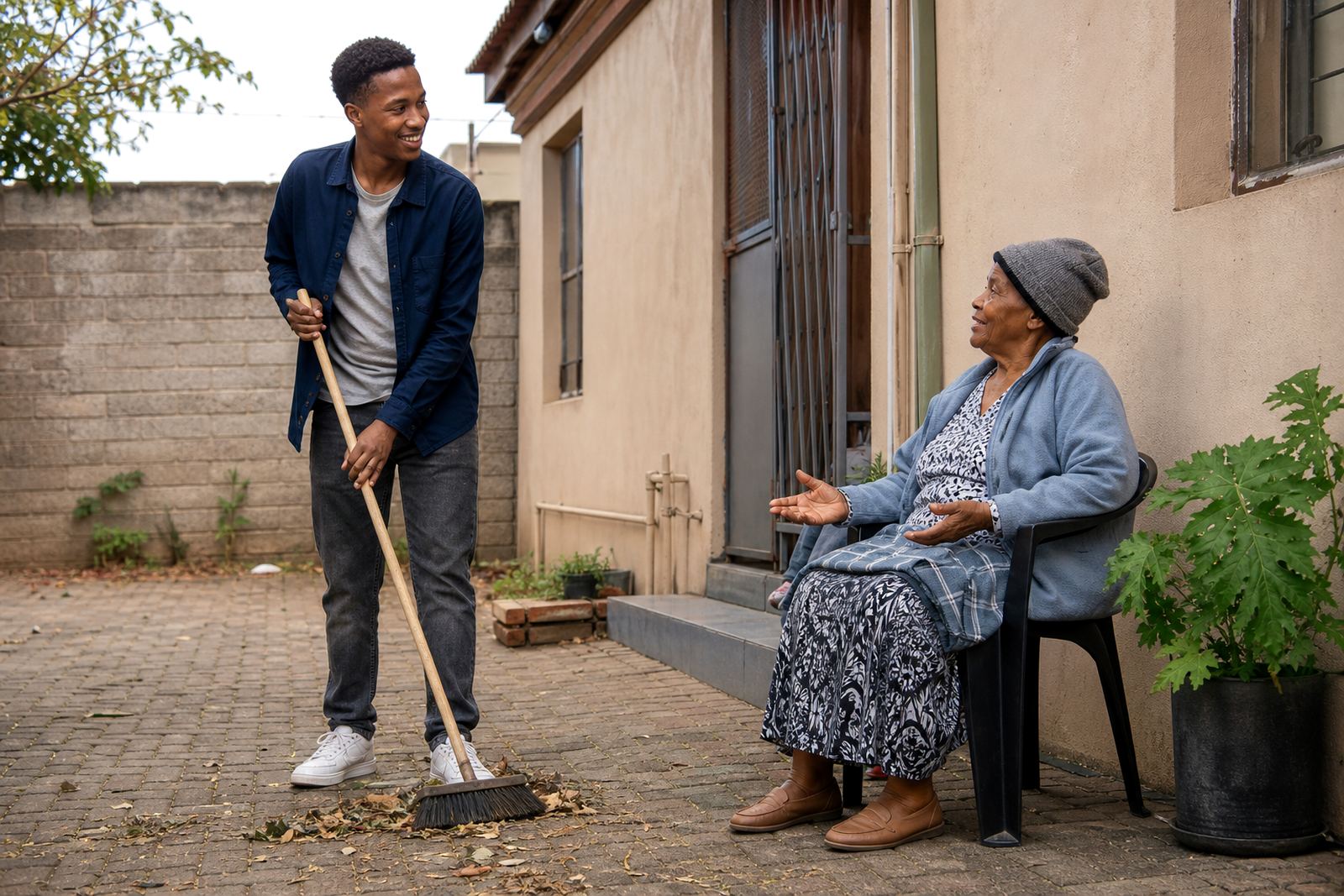
The brief came from a community member in Johannesburg who wanted to recognise steady, ordinary care rather than one dramatic moment. The story centred on a neighbour who noticed the older resident, helped with small errands, made sure the person was not isolated, and stepped in when practical support was needed.
We treated it as a human story first and an awards entry second. That meant keeping the wording clear, avoiding overstatement, and showing how regular help can carry real weight in a community where people often look out for each other without making a fuss.
What the nomination needed to hold together
The main constraint was respect. The nominee was not a public figure and the older resident was vulnerable, so the wording had to protect privacy while still giving judges enough detail to see the value of the help. We also had to keep the nomination honest, with no exaggerated claims or loose language that could weaken the case.
- Clear link between the helper and the support given
- Specific examples of regular assistance over time
- Consent from the nominee before submission
- Careful removal of personal details that were not needed
- Evidence that showed the pattern, not gossip or assumptions
Because the nomination was community based, we also kept the tone calm and factual. That made the story easier to follow and less likely to drift into praise that sounded nice but said very little.
How we shaped the story for review
We worked through the nomination in stages. First we mapped the basic facts, then we helped the nominator turn those facts into a short, readable account. After that, we checked the structure against the judging process so the strongest parts were easy to find, rather than buried in a long paragraph.
The final wording covered who the nominee was, what kind of help they gave, how often that help happened, and why it mattered in daily life. We also tightened the language around the older resident so the story stayed dignified and did not expose unnecessary detail.
- Nominating details written in plain South African English
- Evidence notes organised into a simple sequence
- Consent wording kept separate from the story text
- Privacy points flagged before submission
That approach kept the nomination grounded. It did not rely on big claims, only on a consistent pattern of support that judges could understand without second guessing the facts.
Privacy, consent and sensitive details
Because this nomination involved an older neighbour living alone, privacy had to sit at the centre of the process. We explained what information should stay out of the public version, which details were safe to include, and how to handle sensitive facts with care. The goal was to honour the nominee without exposing the resident to unwanted attention.
Consent was treated as part of the record, not an afterthought. We made sure the nominee understood the nomination before it went in, and we checked that the submission did not use names or descriptions that could create avoidable risk. In a case like this, less detail can be stronger when the core story is already clear.
We also kept the privacy note practical. It explained that supporting material should stay limited to what was relevant, and that any public-facing wording had to protect the dignity of the people involved. That was especially important where family members, neighbours or local contacts may have different views on what should be shared.
Working across the nomination steps
The programme structure gave us a useful frame. We moved through eligibility check, writing the story, useful evidence, nominee consent, privacy explained, judging criteria and the review process in one tidy flow. That helped keep the nomination from drifting into a general tribute piece that did not answer the actual award questions.
- Eligibility checked against the community-help focus
- Story written around regular acts of care
- Evidence listed in a way that supported the narrative
- Judging points aligned to consistency, impact and credibility
- Update notes prepared in case the nominator needed changes
The result was a nomination that could stand on its own. It read like a proper account of neighbourly support in Braamfontein, not a loose memory or a polished speech with no proof behind it.
What changed by the end of the project
By the end of the four week project, the nomination had a clear shape and a calm voice. The strongest result was that the story now showed regular care in a way that felt fair to the nominee, fair to the older resident and fair to the judging process. Nothing was pushed beyond what could be supported.
If we were handling a similar case again, we would start with consent and privacy before the story draft. That saves time later and prevents awkward rewrites. We would also keep the evidence list short and relevant, because this kind of nomination works best when every detail earns its place.
For community stories like this one, the right tone matters as much as the facts. A nomination can be warm without becoming vague, and specific without becoming intrusive. That balance was the real result here.
Key facts
| Project | Braamfontein Neighbour Care |
|---|---|
| Location | Braamfontein, Johannesburg |
| Client type | Community nominator in Johannesburg |
| Brief | Nomination for an older neighbour living alone, based on regular practical help |
| Timeline | 4 weeks |
| Scope | How To Nominate, Eligibility Check, Writing The Story, Useful Evidence, Nominee Consent, Privacy Explained, Judging Criteria, Review Process, Updating A Nomination |