A neighbourhood story with real animal care at the centre
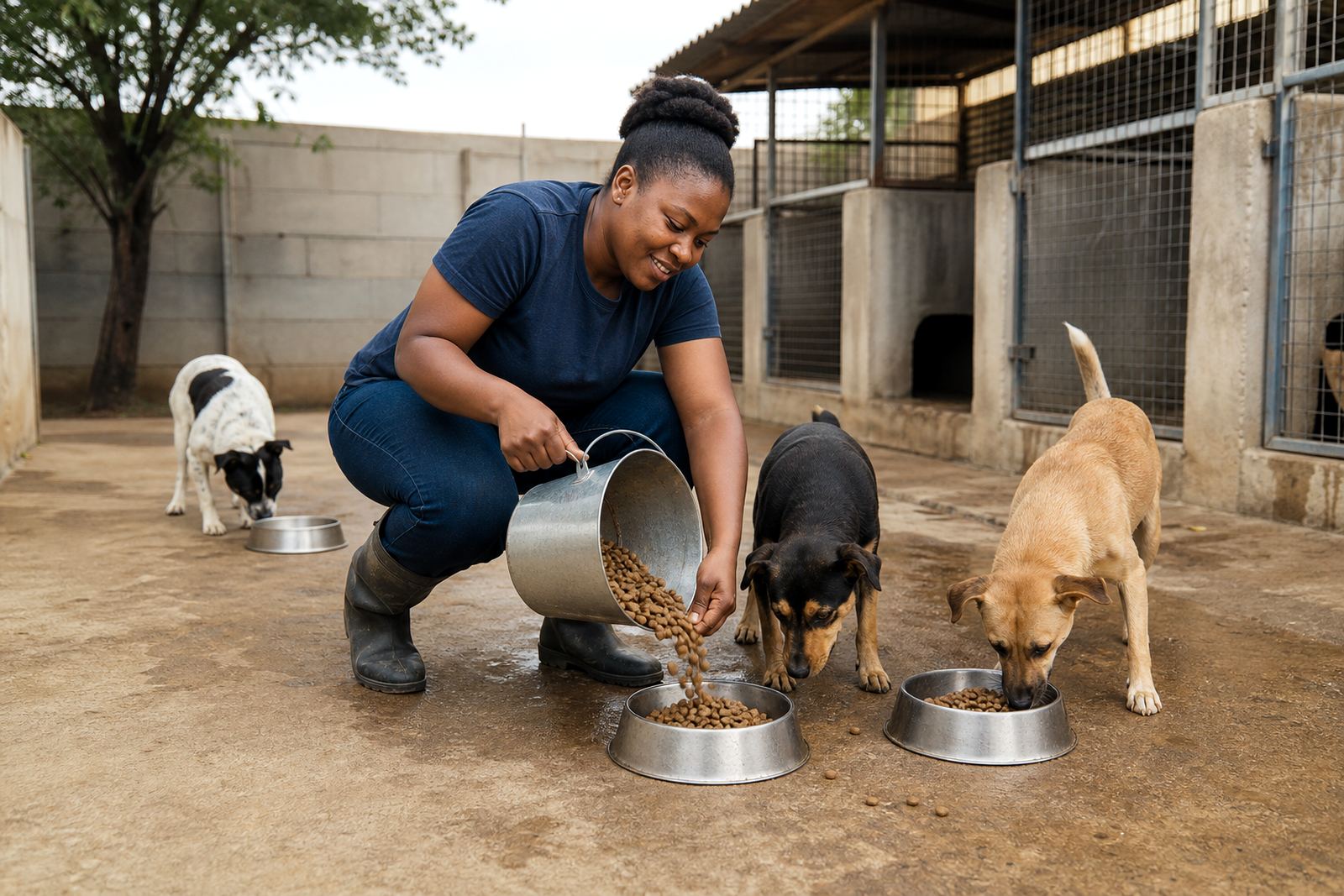
The project came from a Johannesburg client working on a community animal support story, not a glossy campaign. The brief was to give the nomination a grounded tone, with plain language that could carry a hard-working story about feeding vulnerable animals, helping with rescue calls and placing animals into safe homes.
The main constraint was balance. The nomination had to read warmly without turning the animals into a sentimental pitch, and it had to stay factual enough for a judging panel to compare it fairly against other entries. We also had to keep the consent and privacy steps clear because animal stories often involve private homes, informal helpers and people who do not want their details shared widely.
- Client type: community-focused animal help project
- Town: Johannesburg
- Story angle: feeding, rescue and rehoming
- Core concern: consent, privacy and usable evidence
How the nomination flow was shaped
We built the nomination structure around the public submission path used across South Africa, so the flow could work for people in Johannesburg, Cape Town, Durban, Gqeberha and Polokwane without feeling region-specific in the wrong places. The writing had to support someone who knew the story well, and also someone who only knew a single rescued animal or one visible act of care.
The nomination questions asked for a clear account of what happened, who was involved and what difference the work made locally. We kept the wording direct, because this kind of entry often comes from people who are busy, emotional or not used to writing long submissions. The final structure made space for names, places, dates and photos where available, but did not force unnecessary detail if the nominee preferred privacy.
- How to nominate in plain steps
- What makes a strong story
- What evidence helps the review team
- How nominee consent is handled
Evidence that supports the story without overloading it
A strong nomination needed more than praise. We set out a simple evidence path so the story could be checked without turning into a paperwork exercise. For Phoenix Animal Helper, that meant encouraging visible proof of the work, such as photographs of feeding points, rescue handovers, rehoming updates, vet notes where available, and messages from people who had seen the help first-hand.
We also explained that evidence does not need to be perfect or polished. A community story is often pieced together from different moments, and not every helper carries a camera or keeps tidy records. The important part was that the nomination could show a pattern of care, not only a single good deed. That distinction helped the review process stay fair and practical.
- Photos of food, shelter or rescue work
- Short notes from neighbours or volunteers
- Proof of repeated effort over time
- Clear links between the nominee and the animal care work
Consent, privacy and the people behind the rescue
Animal-help stories can include private homes, foster spaces and people who do quiet work without wanting public attention. We made the consent section easy to follow so nominators understood when permission is needed and why it matters. If the nominee is a private individual, their knowledge of the nomination should be shown clearly, and any image or personal detail should be shared with care.
The privacy notes were written in ordinary language. We explained what information may be reviewed by the programme team, what should stay confidential where needed, and how sensitive details are treated during review. That included contact details, addresses, children in the household and any vulnerable personal context that should not be circulated beyond the nomination process. The aim was to protect the nominee without stripping the story of its meaning.
Review points for a story about feeding, rescuing and rehoming
The judging notes were kept plain. For this project, the review process looked at the substance of the work rather than the noise around it. We set out criteria that helped the panel read each nomination in the same way, whether it came from a neighbour, a volunteer group or someone who benefited from the help directly.
The criteria focused on how the nominee supports animals and people around them, how steady the effort has been and whether the story shows care that is useful to the community. We avoided inflated language and kept the review questions short enough to use in a real week of reading and comparison.
- Evidence of genuine community need
- Clear role played by the nominee
- Practical impact on animals or local households
- Consistency of effort, not just one moment
- Respect for privacy and consent
What the work looked like over four weeks
The project ran over four weeks of writing, reviewing and tightening the nomination route. In week one, we mapped the story shape and the points where people would need guidance. In week two, we refined the nomination prompts and the evidence notes so they stayed readable on a phone screen as well as a laptop. Week three was used to test the consent language and review wording. By week four, the final copy was shaped for live use across the nomination pages.
What we supplied included the story framing, the nomination guidance, the privacy explanations and the judging notes. We also aligned the wording for public questions and nomination updates so the tone stayed steady throughout. The result was a cleaner submission path that made the animal-help story feel specific without becoming heavy or hard to follow.
- Timeline: 4 weeks
- Scope: nomination copy and review guidance
- Focus: animal rescue, feeding and rehoming
- Region: public nominations across South Africa
What held up well once the copy was in use
The strongest result was clarity. People could recognise what kind of story belonged in the nomination, and they had a clearer sense of what evidence mattered. That reduced vague entries and helped separate heartfelt support from entries with enough detail to be assessed properly. It also made the privacy section easier to understand, which matters when a story includes homes, neighbours and vulnerable animals.
If we were to handle a similar project again, we would keep the same structure but stay open to a different local tone depending on the town and the nominee’s role. A rescue helper in a busy suburb will need a slightly different wording style from someone feeding animals on a quieter edge of town. The bones stay the same, but the wording should always fit the real story rather than forcing it into a neat template.