A road story rooted in ordinary protection
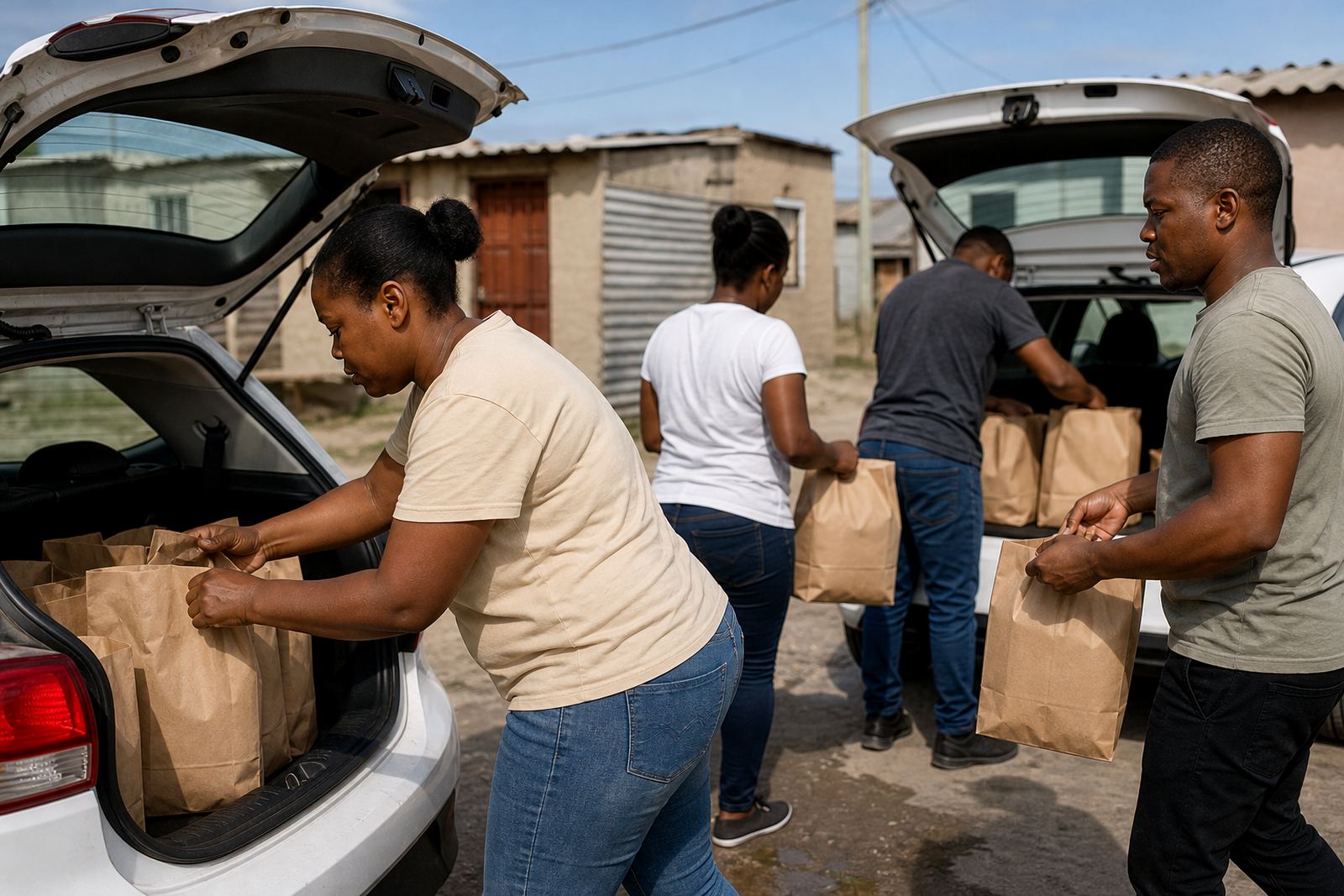
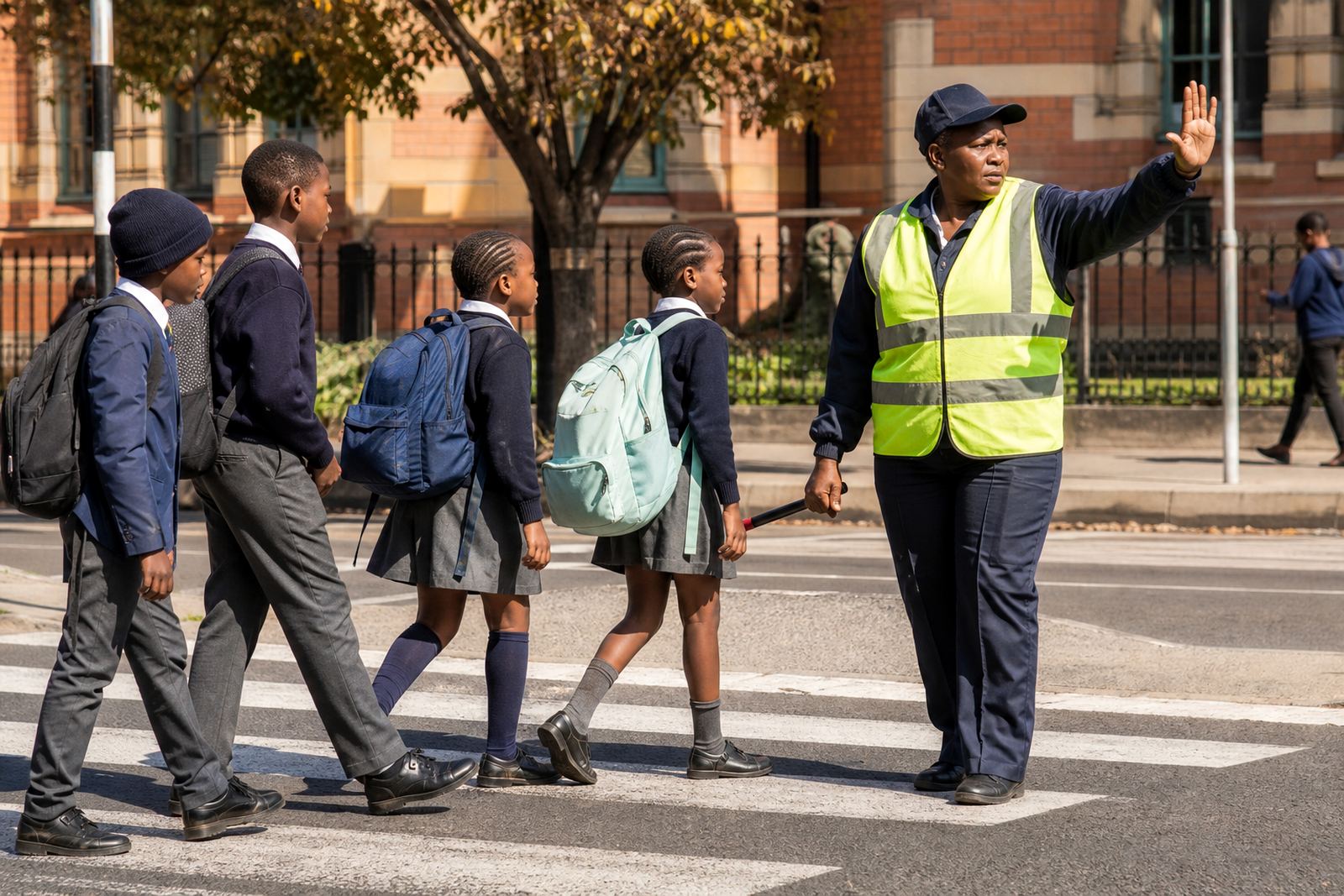
The Motherwell Road Watch project was shaped around a simple truth: safer streets are often held together by people who notice trouble early. In Motherwell, that can mean a neighbour guiding children across traffic, a volunteer escorting older residents, or a parent group watching a corner where movement gets messy at school closing time.
The client needed an awards story that stayed practical. The programme had to recognise everyday South Africans without dressing the work up as something remote or ceremonial. We framed the project around daily vigilance, shared responsibility, and the kind of help that is easy to miss if nobody records it properly.
- Client type: community awards programme team
- Town focus: Motherwell, with public nominations open nationwide
- Project angle: pedestrian safety and child protection through everyday action
- Format: nomination-led public recognition
The brief had to stay fair and careful
The brief asked for language that could work across communities in Johannesburg, Cape Town, Durban, Gqeberha and Polokwane without sounding formal or distant. It also had to avoid promising anything that the programme could not control, such as outcomes, prizes or event details.
There were three limits that shaped the write-up. We could not invent winners, judges, sponsors, venues or statistics. We also had to keep the process plain enough for a first-time nominator to understand, while making privacy and consent part of the story instead of an afterthought.
- No named winners or award claims
- No dates, venues or prize amounts
- No sponsor or partner references
- No sensitive details beyond what a nominator chooses to share
What we supplied for the nomination journey
We mapped the project into the same practical steps people use when they send in a real nomination. The copy explains how to nominate, what makes a strong submission, what evidence helps, and why nominee consent matters before a name is shared widely.
That meant writing for people who may be proud, unsure, or in a hurry. The tone had to stay steady and direct, with enough detail for community members, schools, local groups and family members who want to put someone forward for careful consideration.
- How To Nominate
- Eligibility Check
- Writing The Story
- Useful Evidence
- Nominee Consent
- Privacy Explained
Judging language without the theatre
The judging section had to sound human and measured, not dramatic. We described criteria in plain terms: what the nominee did, who benefited, how often the help happened, and whether the story could be checked without exposing private details.
The review process also needed a calm hand. For a nomination-based programme, the strongest entries are usually the ones with a clear timeline, a specific place, and a short account of what changed for the people involved. We kept that guidance simple, because too much jargon pushes people away from writing a proper submission.
- Clear action taken by the nominee
- Visible benefit to neighbours or children
- Enough detail to verify the story
- Respect for sensitive information
- Consent from the nominee where possible
Privacy and consent sat close to the centre
Public nominations can go wrong if people overshare. We treated privacy as part of the nomination experience itself, not as a small note at the bottom. The copy explains that only the information needed for review should be shared, and that sensitive facts about health, family matters or personal risk should be handled carefully.
We also set out the consent step in ordinary language. If someone is nominated, they should know their story is being put forward, and the submission should avoid putting them in a difficult position. That approach matters in community projects where the people doing the good work are often the least interested in attention.
- Share only relevant details
- Avoid unnecessary private information
- Explain the nomination to the person named
- Keep children’s details especially tight
- Use our contact form for process questions and public queries
Four weeks of shaping, checking and tightening
The work was planned across four weeks. The first week was about the project angle and structure, so the story stayed rooted in Motherwell and in the everyday habits that make roads safer. The second week focused on nomination guidance, eligibility notes and the wording around evidence.
In week three, we tightened the judging language and privacy sections so the process sounded consistent from start to finish. The last week was used to refine the public-facing copy, smooth out any heavy phrasing, and make sure the sections worked for both local and national people without losing the community feel.
- Week 1: project angle and section plan
- Week 2: nomination steps and evidence guidance
- Week 3: judging, consent and privacy wording
- Week 4: final editing and section tightening
What the programme needed after launch
The result was a project story that could hold a real-world community nomination programme without sounding inflated. It gave the team a clear way to explain the purpose of Motherwell Road Watch, while keeping the rules around consent, review and privacy visible to the public.
What we would carry into a similar job is the same discipline: keep the human story close to the ground, separate public praise from private detail, and make the nomination path easy enough for ordinary people to follow. That approach works best when the people being recognised are the ones who already spend their days helping others cross safely, wait safely, and get home safely.
- Clearer public understanding of the programme purpose
- Cleaner route from nomination to review
- Stronger handling of consent and privacy
- Language that suits community use across provinces
Key facts
| Project | Motherwell Road Watch |
|---|---|
| Client type | Community awards programme team |
| Base | Braamfontein, Johannesburg |
| Region | Public nominations across South Africa |
| Timeline | 4 weeks |
| Focus | Pedestrian safety and child protection |
| Contact | our contact form |