The brief behind a calm response story
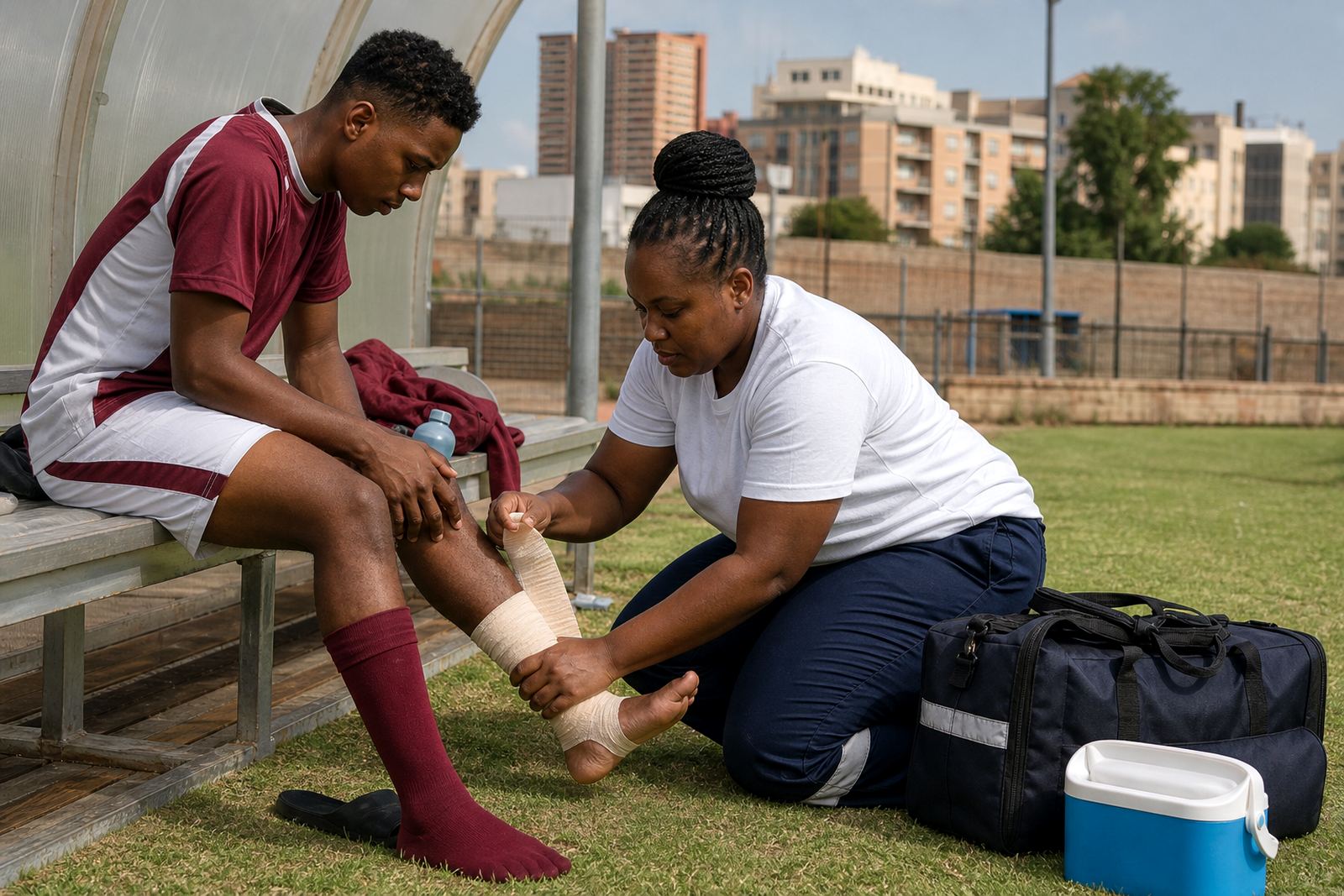
The request came from a Johannesburg based awards team running a nomination programme for people who lift others in practical ways. The project needed a page for Umlazi First Aider, framed around calm emergency help before formal services arrive, without turning the story into praise for a single moment alone.
The brief had a few hard limits. No invented winners, no prize language, no event details and no inflated claims. The copy had to guide ordinary people through a nomination, while keeping consent and privacy in view from the first line. It also had to make sense for people in Umlazi, yet still feel useful for nominations from Cape Town, Durban, Gqeberha, Polokwane and beyond.
- Keep the tone plain and practical
- Show what makes a strong nomination
- Explain judging in simple, fair terms
- Leave space for consent and privacy checks
What the page needed to carry without overreaching
The story had to do two jobs at once. It needed to honour the kind of person who stays calm during an emergency, and it needed to serve as a useful nomination page for a public awards programme. That meant every part had to stay rooted in ordinary detail, not polished slogans.
We kept the focus on what a nominee actually does. Helping someone stay calm, making the first call, keeping bystanders clear, or staying with a neighbour until professional help takes over all count as strong material. The wording also had to explain that a strong nomination is not only about a dramatic event. It can also describe repeated care, good judgement and steady presence in a community.
- Emergency help before formal services arrive
- Clear story, not a vague praise note
- Useful dates, places and context where known
- Evidence that supports the account
How the nomination path was set out
The page was structured so a first-time nominator could move through the process without guessing. It starts with how to nominate, then moves into eligibility, the story, evidence, consent and privacy. That order matters because people often want to tell the whole story at once, but the form works better when the essentials are handled in sequence.
We described what to include in a nomination in plain language. Who the nominee is, what they did, when it happened and why the action mattered to others. We also pointed out that useful evidence does not need to be fancy. A short witness note, a photo where suitable, or a brief account from a community member can help if it is shared honestly and with permission.
- Name of the nominee and the town or area
- A short account of the incident or pattern of help
- Names of people who can verify details
- Any sensitive material flagged before submission
Consent and privacy stayed close to the wording
Because the programme works with public nominations, privacy could not sit in a footnote. The page needed to say, in ordinary terms, that the nominee should know about the nomination where possible, and that personal details should only be shared where there is a proper reason to do so. We kept that explanation calm and direct.
The privacy section explains that some stories involve medical information, family circumstances or community conflict, and those details need careful handling. We also made room for public questions, updating a nomination and the review process, because people often realise after submission that they left something out or wrote too much. The page makes it clear that the safest nomination is one that tells the truth without exposing more than needed.
- Ask for consent where practical
- Share only the details needed for assessment
- Flag medical or family sensitivity early
- Use careful wording around incidents and witnesses
The review structure and judging language
Judging had to be described in everyday terms, not as a mystery panel exercise. We set out the main ideas that matter in a community award process: the action itself, the effect on others, the reliability of the account and whether the story fits the purpose of the programme. That keeps the standard fair without sounding cold.
The copy also had to reflect that not every strong nomination looks the same. Some entries describe one urgent moment. Others show ongoing care, such as checking on elderly neighbours, helping injured people stay still, or organising help until trained responders arrive. The judging language leaves room for that range, which matters in a country where support often begins with the person standing nearest.
What the final page covered in practice
We supplied a full page write-up that linked the project story to the nomination programme itself. The result reads as one piece, but it keeps the practical steps visible. It guides a nominator from the first idea through to submission, while giving the programme team room to assess entries with the same broad criteria each time.
The work took three weeks from brief to final copy. That period included drafting the story angle, shaping the section order, checking the tone for public use and tightening the privacy wording so it stayed plain. The final page is built for a Braamfontein team that handles nominations across multiple provinces, and it leaves no room for guesswork about what should be sent.
- Project type: nomination page write-up
- Audience: public nominators across South Africa
- Focus: calm emergency help and community care
- Format: story led, process clear, privacy explicit
Key facts
| Project | Umlazi First Aider |
|---|---|
| Client type | Awards programme team in Johannesburg |
| Base | Braamfontein, Johannesburg |
| Coverage | Public nominations across South Africa |
| Timeline | 3 weeks |
| Core service | Nomination page copy and process wording |